




Brown Wood Settle Bench
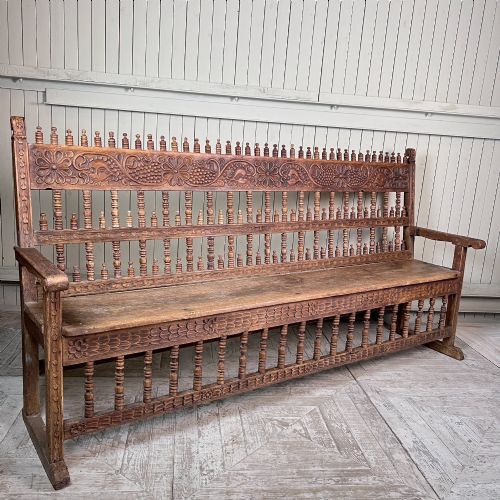
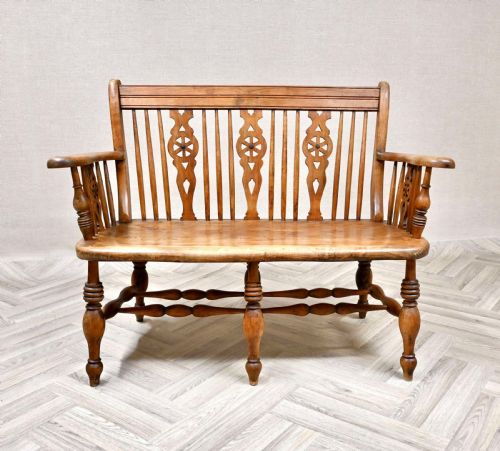
A brown wood settle bench brings solid timber seating and high-backed protection from drafts straight into a hall or living space.
Brown Wood Settle Bench
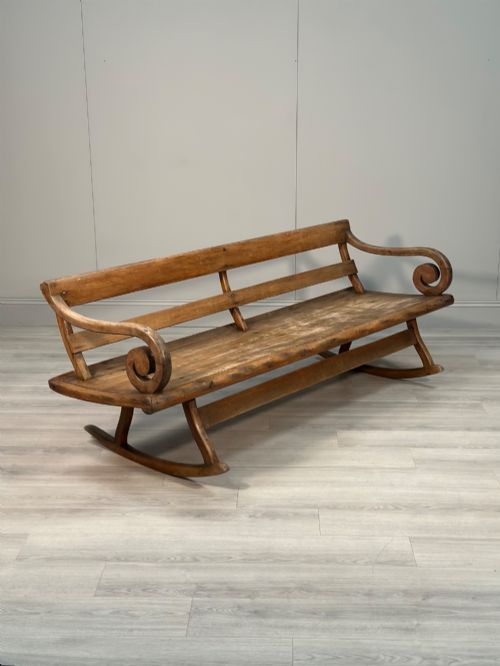
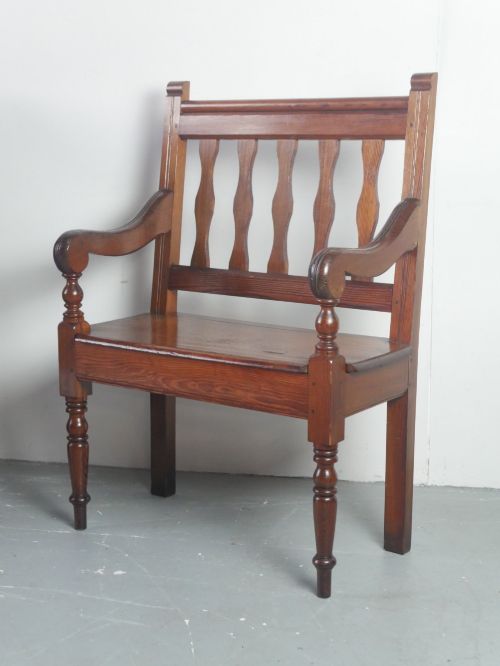
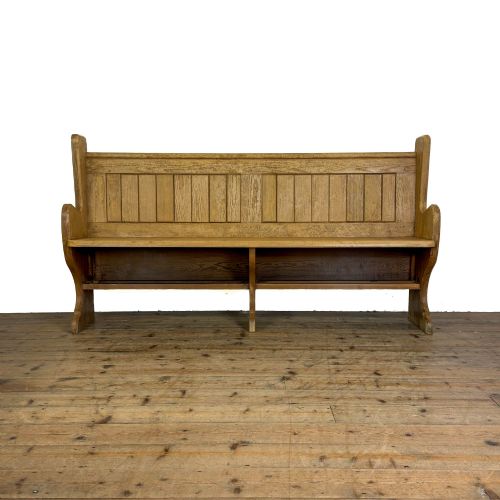
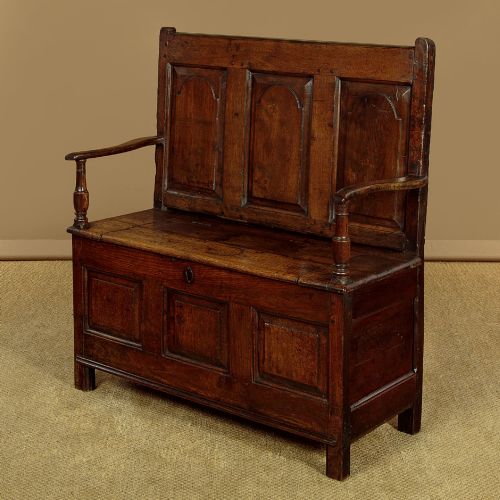
When you search for a brown wood settle bench, you encounter heavy seating built with solid timber backs and sides designed to block cold draughts in old hallways and kitchens. The pieces found here span centuries of craftsmanship, ranging from simple pine chapel pews and elm bacon settles to highly carved oak box settles.
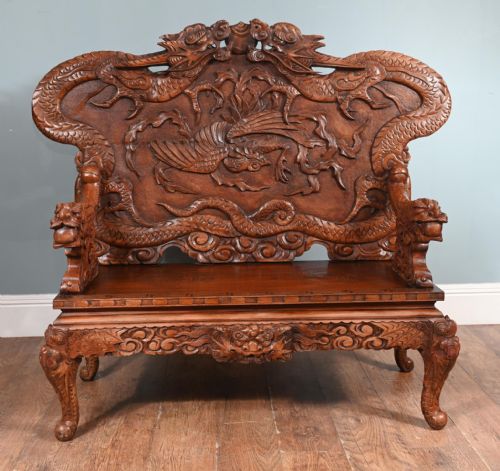
The most common examples on this page are oak and pine pieces from the eighteenth and nineteenth centuries, often featuring high panelled backs and integrated box storage beneath the seat. Alongside traditional British styles, the selection includes continental European rustic benches, Spanish colonial hardwood seats, and Chinese carved hardwood examples.
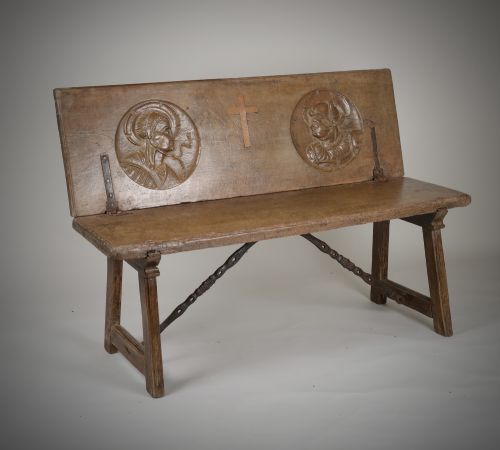
Forms vary from straightforward straight-backed benches to elaborate monastic seating and convertible monks benches that double as tables. These pieces served practical domestic needs in large communal rooms before central heating and upholstered furniture became common.
How they were made
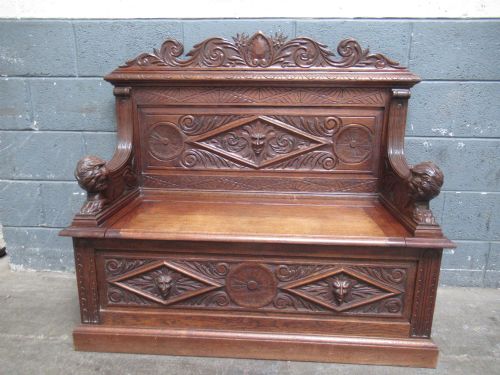
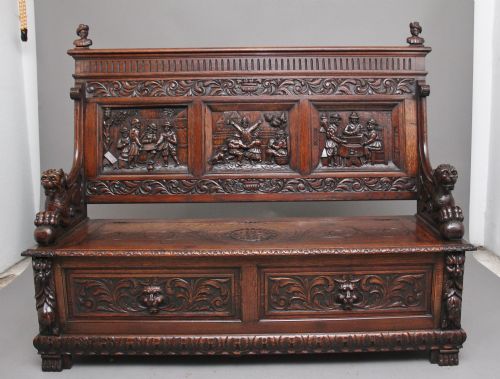
Joiners built these seats primarily using solid native timbers such as oak, elm, pine, and fruitwood, relying on pegged mortise and tenon joints to secure the heavy panels. Cabinetmakers shaped panels with hand planes and chisels, often adding deep relief carving depicting foliage, figures, or geometric tracery to formal oak and mahogany examples.
Rural pieces relied on simpler board construction using sturdy dovetails and iron fixings where necessary to support long spans of timber. Surface finishes developed naturally through decades of wax polishing, or in some instances, retained traces of original paint or dark stain.
Several pieces include unexpected details like carved Green Men grinning from the woodwork and carved bears holding trays.
What varies in quality
The distinction between standard utility seating and exceptional pieces rests on the choice of timber and the depth of the joinery. Dense, figured oak or well-chosen fruitwood with tight grain patterns elevates a settle beyond basic functional furniture.
Proportion and carving execution also define the upper tier of examples. Crisp, deeply carved panels and well-balanced structural proportions indicate master joinery, whereas replacement boards and poorly matched timber repairs alter the integrity of the piece.
The Brown Wood Settle Bench Glossary
- Settle
- A wooden bench with a high solid back, solid arms, and often a storage box beneath the seat. This form evolved to keep seated occupants warm by blocking cold air currents in draughty rooms.
- Box settle
- A variation featuring a hinged seat lid that opens to reveal a deep storage compartment. This dual-purpose design provided safe containment for blankets or household stores.
- Bacon settle
- A specialised regional settle with high slatted backs once used for curing and storing meat under the ceiling timbers. Elm and pine served as common materials for these agricultural pieces.
- Monks bench
- A convertible piece of furniture featuring a pivoting back that folds down flat over the arms to transform the seat into a table. These versatile items suited smaller domestic spaces.
- Mortise and tenon
- A traditional joint where a projecting peg fits tightly into a matching cavity, securing wooden frames together without modern adhesives. This method underpins the sturdy construction of early oak furniture.
Brown Wood Settle Bench: Frequently Asked Questions
What is a settle bench used for?
A settle bench provides sturdy seating while its high solid back deflects cold drafts in hallways, kitchens, and large living spaces. Many examples also incorporate hidden box storage beneath the seat for household items.
Historically, these benches occupied central positions near hearths where warmth mattered most. Today, they function as practical hallway furniture that offers both a place to sit and storage for boots or textiles.
How do I date an antique settle?
Dating relies on examining the timber species, joinery methods, and tool marks visible on unexposed surfaces. Hand-sawn boards, pegged joints, and panel construction often point to eighteenth-century or earlier origins, while later Victorian pieces frequently display heavier machine-cut elements and distinct revival carving styles.
Checking for uniform wood shrinkage, peg placement, and structural wear helps distinguish genuine period construction from later alterations. Regional characteristics and specific wood types like elm or fruitwood also provide clues to the era of manufacture.
Where should I place a settle in my home?
A settle fits naturally in an entryway or hallway where its high back creates a defined seating area and blocks incoming drafts. They also anchor large dining tables or sit against living room walls as statement seating.
Because of their depth and high backs, these benches require adequate floor space and a clear wall. Placing them away from direct heat sources prevents the dry timber from splitting.
How do I care for antique wooden furniture?
Maintaining antique timber involves dusting regularly with a soft, dry cloth and applying natural beeswax polish sparingly to nourish the grain. Avoiding direct sunlight and stable humidity levels protects the wood from cracking or warping.
Harsh chemical cleaners strip the historic patina and dry out old finishes. Gentle, consistent care preserves the colour and surface texture built up over centuries.