

Brown Wood Panels
Brown wood panels encompass centuries of architectural and decorative carving, bringing rich grain and historical depth to interiors.
Brown Wood Panels
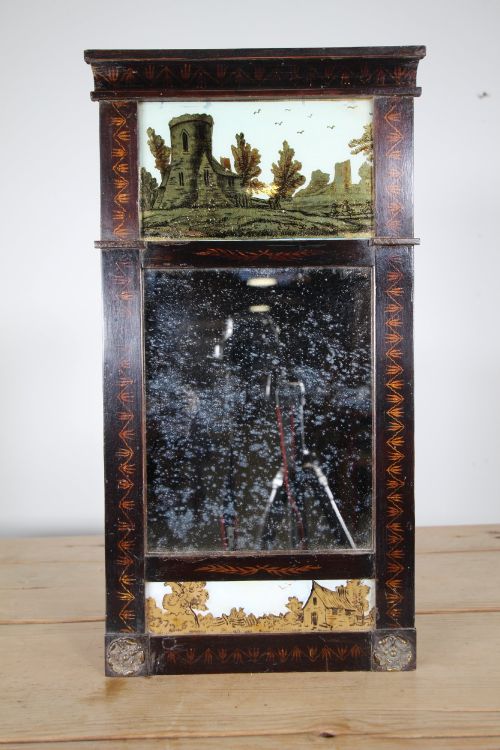
When searching for brown wood panels, buyers encounter architectural salvage, furniture elements, and standalone decorative works spanning several centuries. The selection ranges from early sixteenth-century linenfold carvings to nineteenth-century Gothic tracery and twentieth-century interpretations.
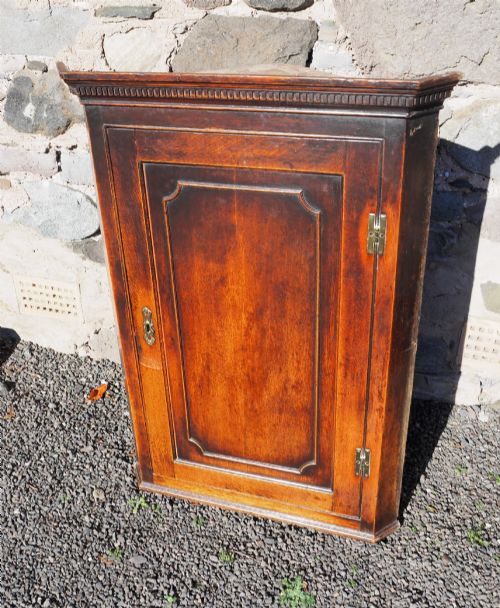
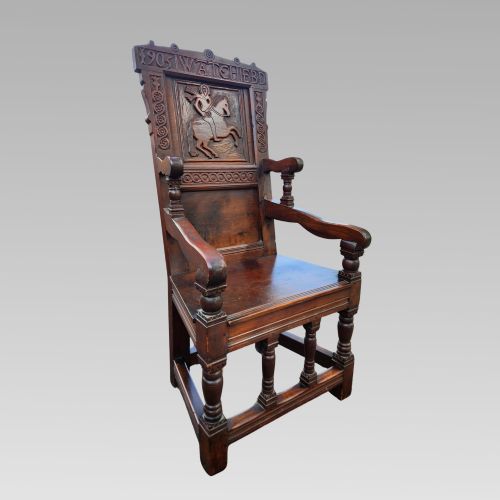
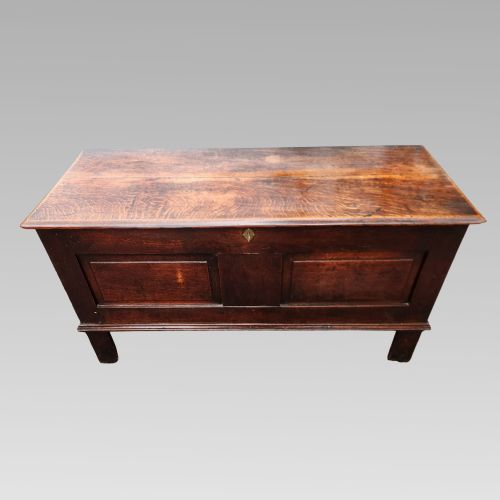
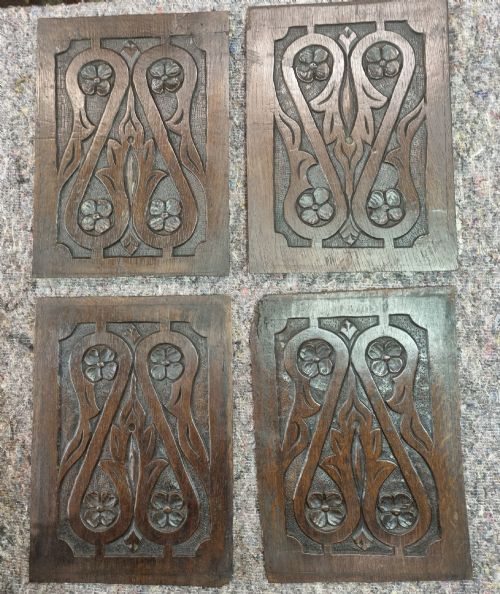
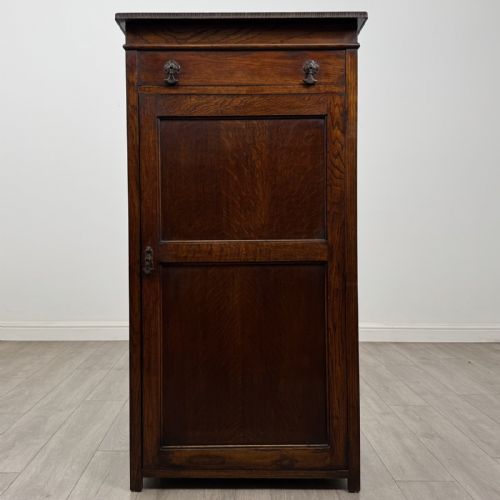
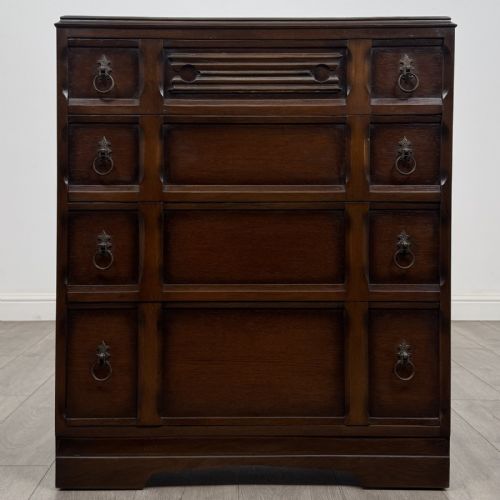
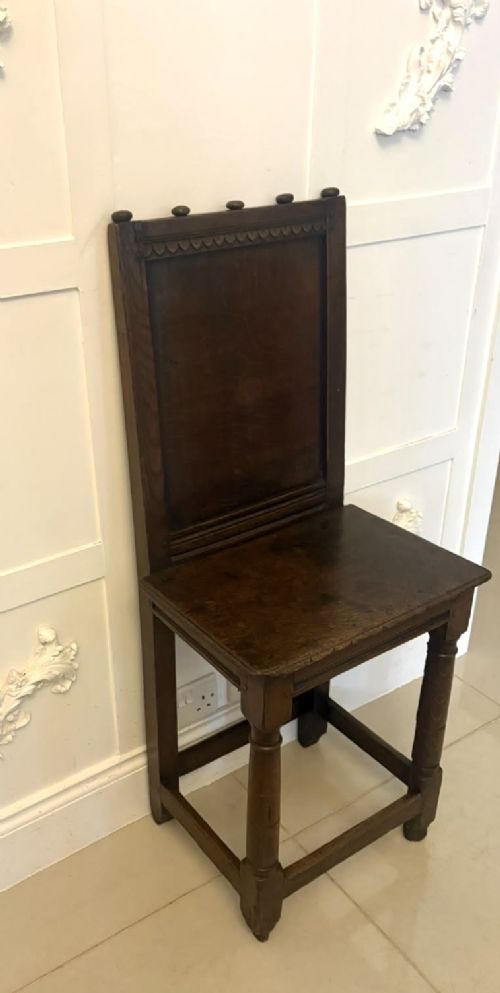
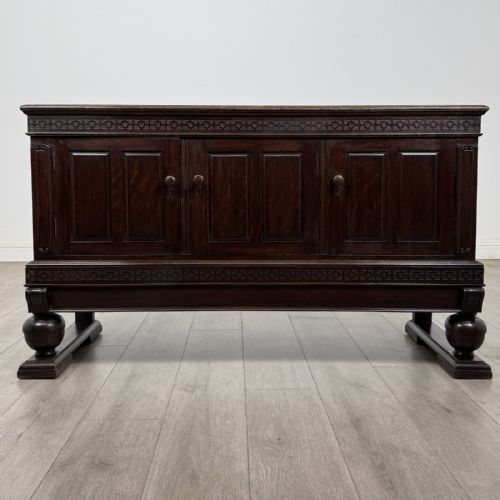
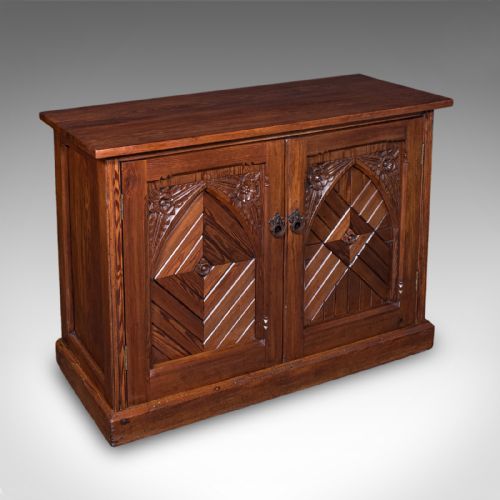
The most frequent examples on this page are carved oak panels originating from sixteenth, seventeenth, and eighteenth-century contexts, often recovered from historic buildings or integrated into later cupboards, sideboards, and coffers.
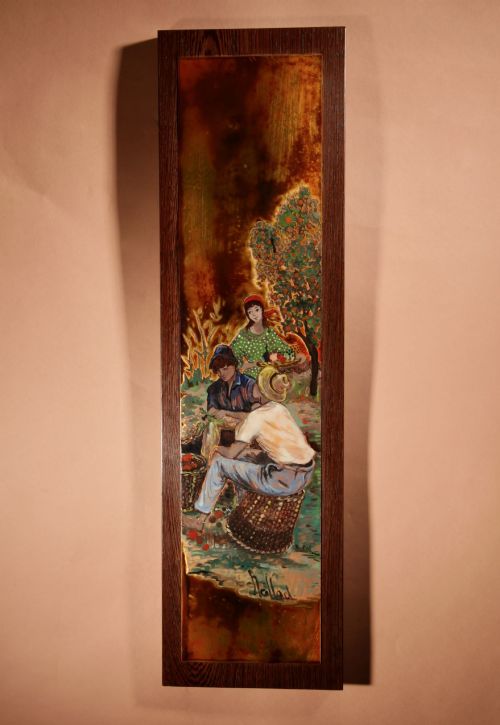
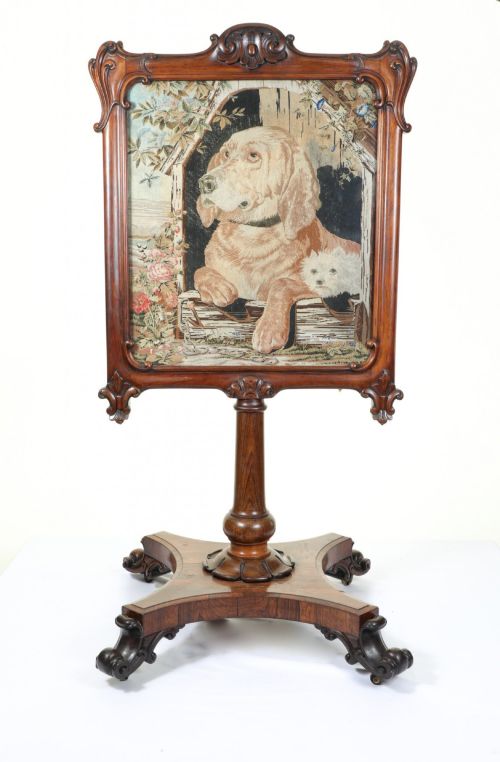
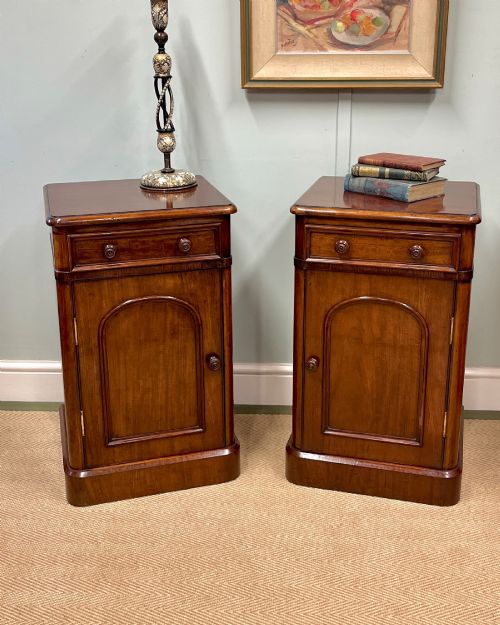
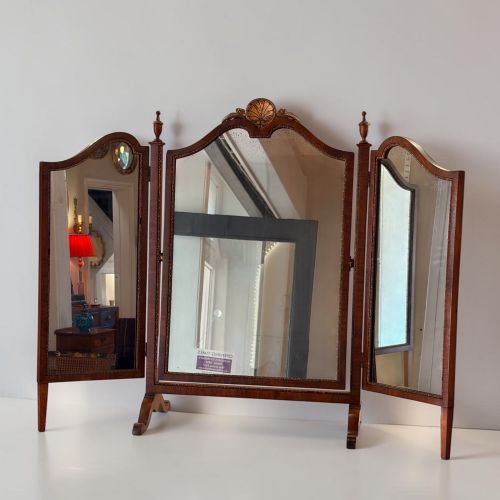
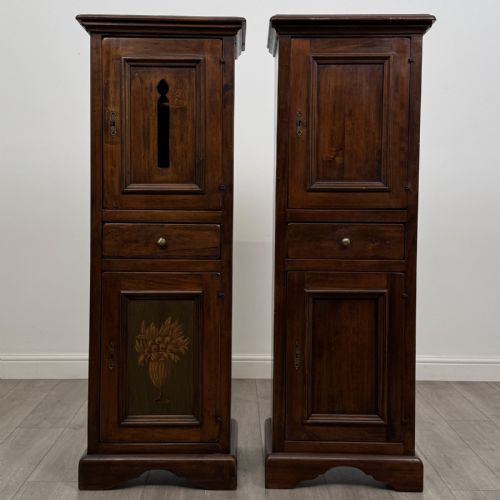
Other variations include mahogany overmantel pieces, painted panels depicting landscapes or still life subjects, and intricately carved hardwood examples from Indian and Burmese traditions.
Materials and Construction
Oak dominates the material record for these panels, selected for its durability and suitability for deep relief carving, alongside dense mahogany and general hardwood used in later periods.
Joinery techniques typically involve traditional framing methods such as mortise and tenon, allowing individual timber sections to expand and contract naturally within their surrounds without splitting.
Surface decoration relies heavily on hand chiselling, producing distinctive lunette friezes, linenfold patterns, and geometric mouldings that define the period aesthetic.
Brown Wood Panels Retail Price Guide 2026
Typical asking prices for brown wood panels among the pieces listed under this phrase on Sellingantiques today, from the lower quarter to the upper quarter. They describe what is for sale here now, not the wider market.
Materials documented across the inventory include oak, mahogany, beech, walnut, and iron, alongside oil paint on wooden boards.
Assessing Quality and Execution
The distinction between ordinary and superior pieces rests on the crispness and depth of the hand carving, where confident chisel work creates sharp undercut details rather than shallow, mechanical impressions.
The choice and preparation of the timber itself play a significant role, with well-figured grain patterns and stable, seasoning-crack-free boards indicating superior material selection by the maker.
Integration into later furniture alters context, meaning panels retained in their original structural form command greater architectural integrity than those re-mounted into subsequent decorative items.
Tom Campbell·Norris London
The Brown Wood Panels Glossary
- Linenfold
- A style of relief carving imitating folded linen, popular on sixteenth-century panels. This treatment gives flat timber surfaces the appearance of draped fabric.
- Gothic Tracery
- Architectural stonework patterns translated into wood carving, featuring pointed arches and geometric intersecting ribs. It frequently appears on ecclesiastical panels and revival furniture.
- Lunette Frieze
- A decorative horizontal band containing semicrescent motifs or interlocking arches. Carvers used this to embellish the upper rails of sixteenth and seventeenth-century furniture.
- Marquetry
- The art of applying pieces of veneer to a structure to form decorative designs. Craftsmen utilised contrasting woods to create pictorial scenes on panels.
- Overmantel
- A decorative panel or mirror placed directly above a fireplace opening. These fixtures anchor the visual weight of a chimney breast.
Brown Wood Panels: Frequently Asked Questions
How are antique wood panels mounted on walls?
Most antique panels require custom battening or discreet mechanical brackets attached to rear structural framework to support their weight safely.
Heavier architectural pieces benefit from professional joinery installation to prevent bowing against modern plaster walls.
Can sixteenth-century linenfold panels be cleaned?
Gentle dusting with a dry, soft-bristled brush removes surface particulate without disturbing the aged patina of the timber.
Harsh chemical solvents or modern polishes must be avoided to preserve the original wax and oil finishes.
What distinguishes Jacobean panels from Georgian ones?
Jacobean panels typically feature dense, geometric mouldings, strapwork, and deep relief carving executed in native oak during the seventeenth century.
Georgian examples lean towards cleaner mahogany surfaces with understated frames, reflecting a shift towards classical proportion.
How do I identify painted panels on wood?
Examination under magnification reveals craquelure and pigment settling into the grain of the wooden substrate, confirming age.
Substrates range from solid oak boards to mahogany panels prepared with traditional gesso grounds.