



Brown Wood Mantle Mirror
A brown wood mantle mirror anchors a room with rich grain and traditional presence, offering both a functional glass and a strong architectural frame.
Brown Wood Mantle Mirror
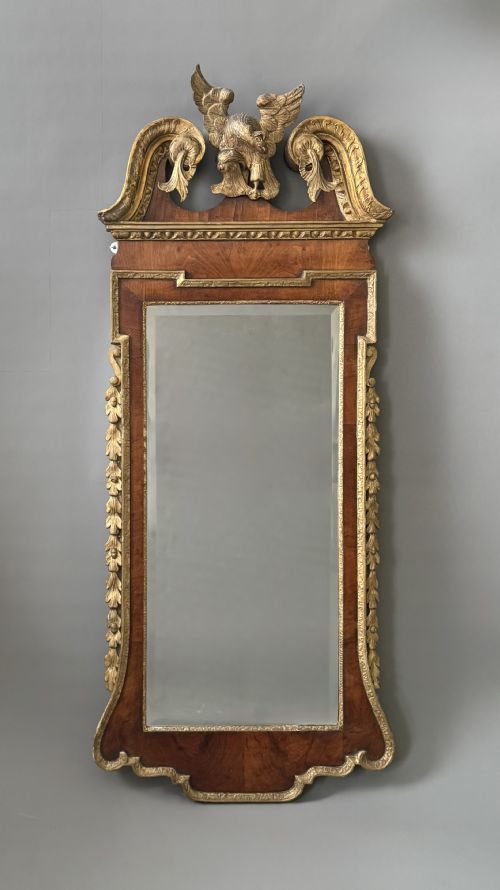
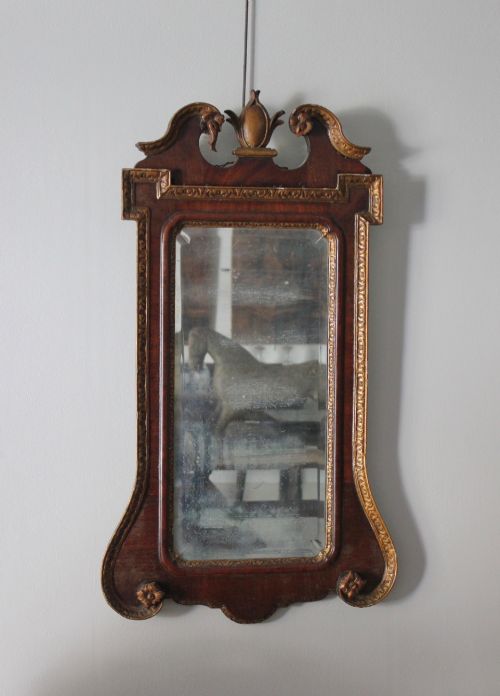
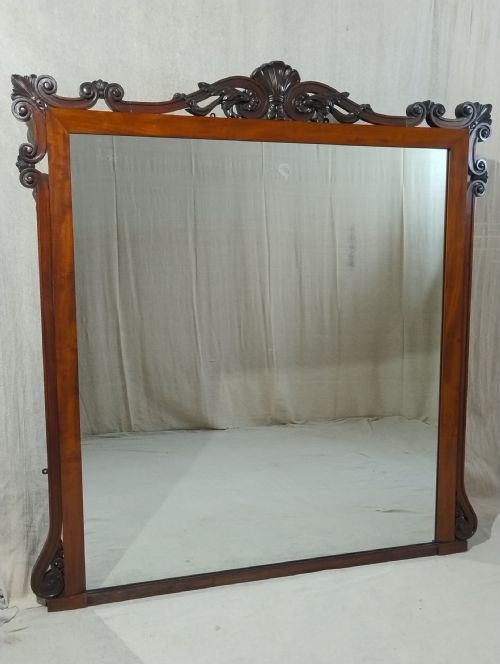
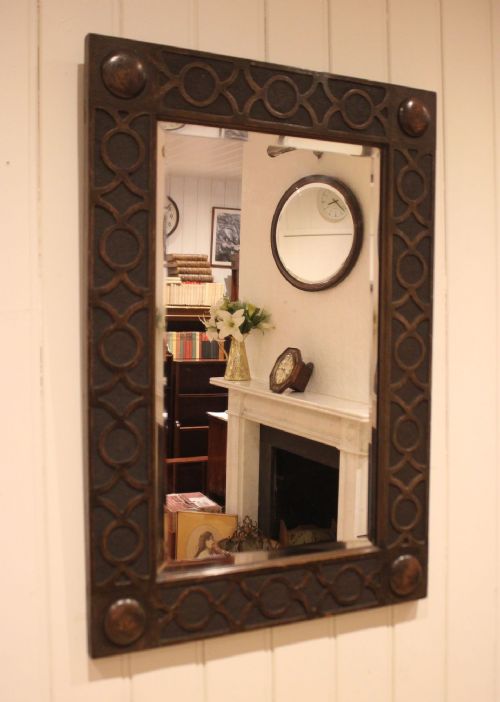
A brown wood mantle mirror brings warmth and historical character to a chimney breast, sitting comfortably above a fireplace or mounted on a principal wall. The selection ranges from compact Georgian examples in walnut to substantial Victorian and Edwardian overmantel pieces carved from oak, mahogany, and rosewood.
The prevailing format is the horizontal overmantel mirror designed to span the width of a hearth, though vertical wall-hung variants also appear. Most pieces originate from the eighteenth and nineteenth centuries, spanning George III, Victorian, and later revival periods.
Materials and construction
Cabinetmakers built these frames using solid timbers and veneers of walnut, mahogany, oak, and rosewood, often enhanced with parcel gilding or delicate wood inlay. Timber selection dictated the tone of the piece, with dense grain and figured veneers chosen for prominent display.
Brown Wood Mantle Mirror Retail Price Guide 2026
Typical asking prices for brown wood mantle mirror among the pieces listed under this phrase on Sellingantiques today, from the lower quarter to the upper quarter. They describe what is for sale here now, not the wider market.
Some antique mirror plates retain gentle foxing, small dark spots where the silver backing has aged gracefully.
What separates the finest examples
Quality rests in the depth and crispness of the carving, the selection of figured wood veneers, and the architectural proportions of the frame. Superior pieces display harmonious scale and thoughtful detailing, such as parcel gilding or subtle inlay, rather than heavy or clumsy ornamentation.
The integrity of the original mirror glass and the stability of the wooden structure further distinguish a master-built frame from a simpler workshop production.
The Brown Wood Mantle Mirror Glossary
- Overmantel mirror
- A large mirror specifically designed to be hung or placed upon the mantelpiece above a fireplace. They are typically wider than they are tall to suit the span of the hearth.
- Parcel gilt
- Partially gilded with thin gold leaf to highlight specific carved details or mouldings against the dark wood background. This technique adds subtle contrast and catches the light.
- Burr walnut
- Timber taken from a tree growth where the grain has grown in a deformed, swirling pattern. It produces highly decorative, complex patterns when sliced into veneer.
- Bevel edge
- An edge of the mirror glass that has been ground and polished to an angle thinner than the rest of the plate. This creates a framed prismatic effect around the perimeter of the reflection.
Brown Wood Mantle Mirror: Frequently Asked Questions
How do I hang a heavy overmantel mirror safely?
Substantial wooden overmantel mirrors require secure wall fixing into masonry or heavy timber studs using robust brackets. Due to their significant weight, professional installation ensures the frame is properly supported.
Position the mirror at a height that reflects eye level and complements the scale of the fireplace below.
Can these mirrors be placed in modern interiors?
These wooden frames provide a strong visual anchor that contrasts effectively against clean, contemporary walls. The warmth of walnut, mahogany, and oak softens minimalist spaces.
Mixing historic frames with modern furniture adds depth and character to a room.
How do I clean antique mirror glass?
Use a soft microfibre cloth and a gentle, ammonia-free glass cleaner applied to the cloth rather than directly onto the glass. This prevents moisture from seeping behind the silver backing or into the wooden frame.
Take care around aged or distressed silvering to preserve the natural patina.
What is the difference between a wall mirror and an overmantel mirror?
Overmantel mirrors are traditionally proportioned to sit on a mantle and are generally wider than they are tall. Wall mirrors are designed for general hanging in halls or bedrooms and follow various shapes.
Both serve to bounce light around a room, but overmantels are architecturally tied to hearth placement.