







Brown Wood Jar
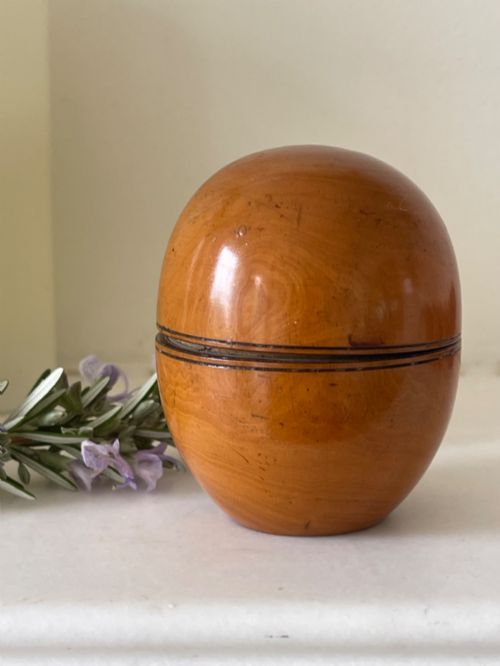
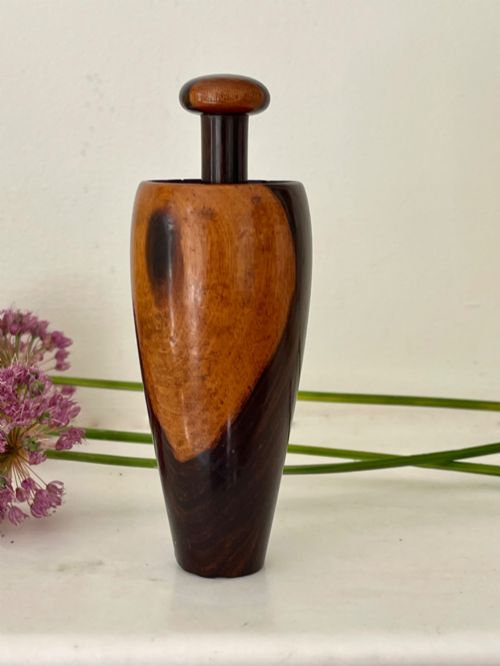
These brown wood jar examples are turned and carved vessels spanning centuries of domestic utility, offering tactile connection to historical craftsmanship.
Brown Wood Jar
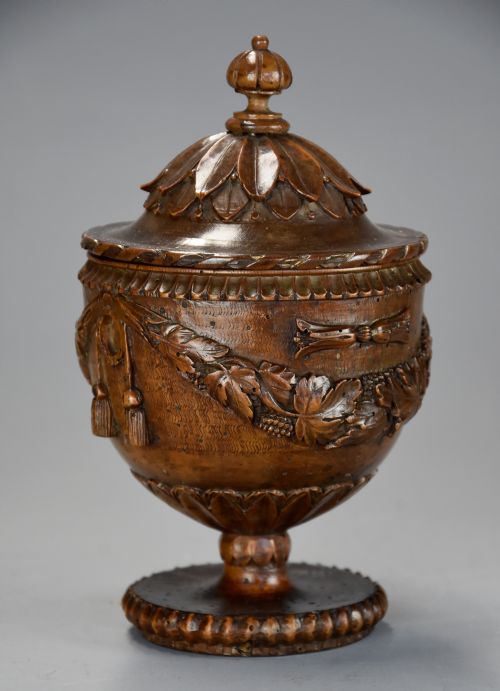
A brown wood jar encompasses turned vessels, lidded urns, and spice towers found across the nineteenth century and earlier periods. These objects served functional roles in homes and apothecaries, functioning as spice containers, tobacco holders, and small storage vessels.
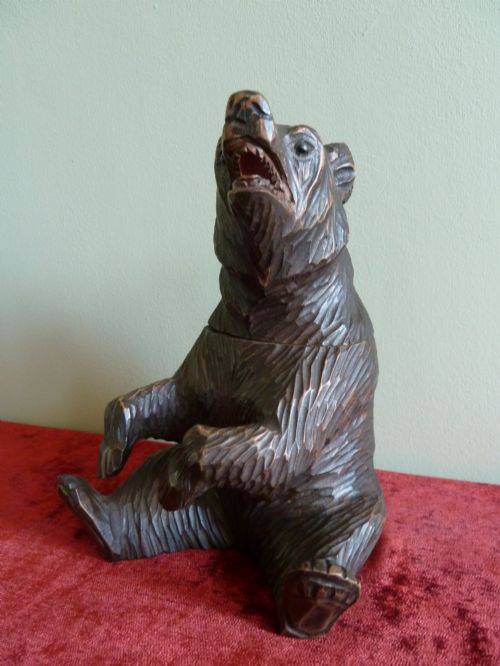
Most items appearing here belong to the treen and Black Forest categories, featuring carved timber forms and turned wooden construction. Examples range from simple sycamore jars to elaborately carved linden wood bear humidors and walnut neoclassical urns.
Origins span English, European, and Scandinavian workshops, with primitive treen vessels sitting alongside finely carved decorative objects. Collectors encounter diverse domestic forms shaped from local hardwoods during the Georgian, Victorian, and Edwardian eras.
Materials and construction
Craftsmen utilised native and exotic timbers including boxwood, oak, walnut, linden wood, sycamore, and yew-wood to turn and carve these vessels. Wood selection dictated the capacity for fine detail, particularly in animal carvings and multi-tiered spice towers.
Lathe-turning created symmetrical bodies for vases, jars, and mortar sets, while hand-carving produced sculptural animal forms and neoclassical details. Simple treen vessels display clean turned lines, contrasting with the deeply sculpted surfaces of Black Forest pieces.
Brown Wood Jar Retail Price Guide 2026
Typical asking prices for brown wood jar among the pieces listed under this phrase on Sellingantiques today, from the lower quarter to the upper quarter. They describe what is for sale here now, not the wider market.
Listings feature items shaped from boxwood, oak, walnut, linden wood, sycamore, and yew-wood.
Evaluating quality and execution
Quality rests upon the crispness of the carving and the precision of the lathe work, distinguishing routine utilitarian items from masterworks. Finer pieces demonstrate proportional balance and confident tool work without hesitation or heavy sanding.
The choice of timber and the preservation of original surface patination influence the character of each vessel. Superior examples retain their original lids, covers, and fitted internal compartments, maintaining integrity across centuries of use.
The Brown Wood Jar Glossary
- Treen
- Small handmade wooden domestic objects produced prior to the advent of modern plastics. These items include spice towers, mortars, and small containers shaped by turning or carving.
- Black Forest
- Carved wooden items produced in the Swiss and German mountain regions during the nineteenth century. These pieces frequently depict bears, dogs, and foliage.
- Humidor
- A lidded box or jar designed to store tobacco while maintaining humidity. Many examples take sculptural animal forms in carved linden wood.
- Spice tower
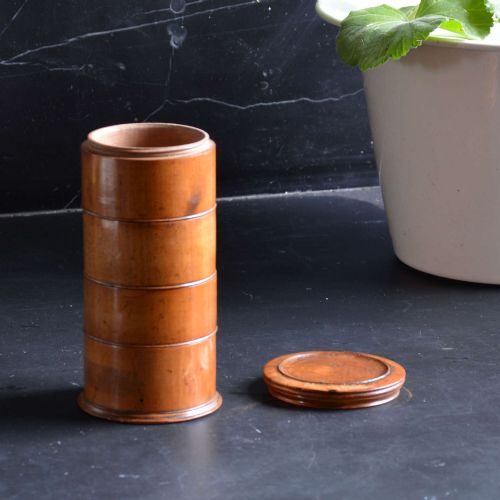
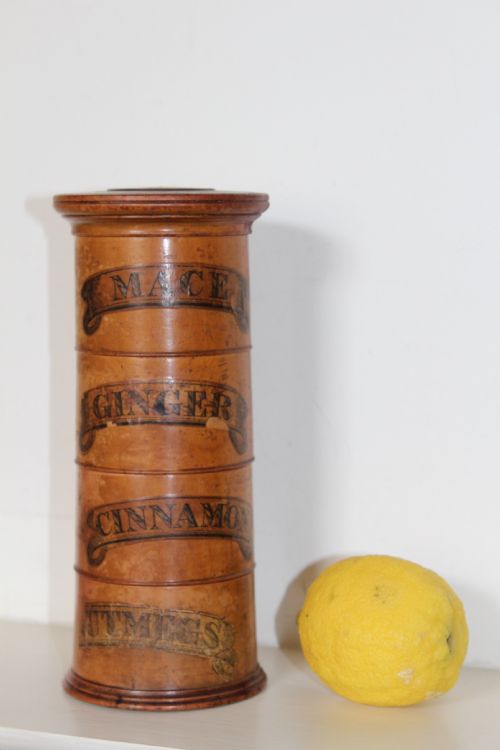
- A multi-tiered turned wooden vessel featuring stacked compartments for holding various culinary spices. They appear frequently in boxwood and sycamore.
- Mortar and pestle
- A bowl and club-shaped tool used for grinding materials. Wooden pharmaceutical examples belong to the broader category of treen.
Brown Wood Jar: Frequently Asked Questions
What were wooden jars used for?
These vessels held dry goods, spices, snuff, and tobacco within domestic and apothecary settings. Their tight-fitting lids kept contents protected from moisture and air.
Smaller turned containers functioned on desks and dining tables for personal items and culinary seasonings.
How do I care for old wooden jars?
Keep wooden vessels away from direct sunlight, central heating, and rapid changes in humidity to prevent timber splitting. Dust gently with a dry, soft cloth and avoid chemical polishes.
Apply occasional neutral wax sparingly if the timber appears dry, following the grain of the wood.
What is Black Forest woodcarving?
Black Forest carving refers to nineteenth-century decorative woodwork originating from Switzerland and Germany. Artisans specialised in realistic animal sculptures, particularly bears holding jars or trays.
These pieces utilised linden wood and walnut, combining sculptural realism with practical storage functions.
How do I date a wooden jar?
Dating relies on tool marks left by lathes and chisels, timber choice, and the overall style of the piece. Georgian and Victorian items exhibit distinct turning profiles compared to Edwardian examples.
Wear patterns on the base and interior surfaces also provide clues regarding the age and frequency of use.