




Brown Wood Hunting Artwork
These brown wood hunting artwork pieces bring rural tradition and sporting heritage indoors through framed canvases, panels, and prints.
Brown Wood Hunting Artwork
When you search for brown wood hunting artwork, you encounter a specialised selection of framed paintings, prints, and tapestries capturing sporting subjects, hounds, and countryside pursuits. The pieces span periods from the Georgian era through the Victorian period and into the early twentieth century, reflecting shifting tastes in rural decoration.
You are most likely to meet oil paintings on canvas or wood panel alongside original prints and embroidered textiles. These works frequently depict gun dogs, falconry, mounted hunts, and wild boar, housed within traditional wooden or gilded frames.
The selection ranges from detailed nineteenth-century sporting oils to early twentieth-century prints by known practitioners like Snaffles. Each object serves as a tangible link to historical equestrian and field sports culture.
How they were made
The physical construction of these works relies upon traditional painting supports such as canvas, wood panel, and paper. Artists applied oil paints to build depth in landscape settings and animal subjects, whilst printmakers produced works on paper.
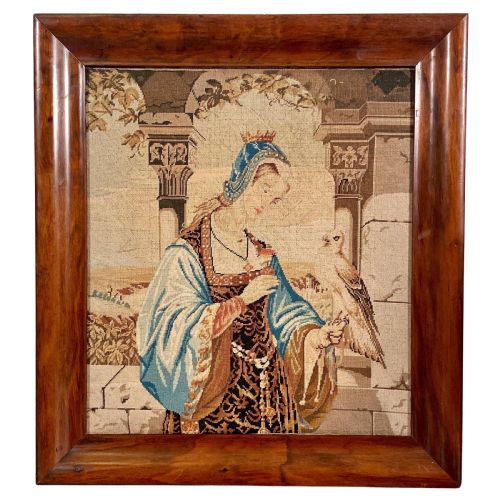
Framing materials consist primarily of wood, oak, and gilded wood, which complement the darker tones of the artworks contained within. Additional techniques include embroidery on wool textiles, seen in classical and sporting tapestry work.
Brown Wood Hunting Artwork Retail Price Guide 2026
Typical asking prices for brown wood hunting artwork among the pieces listed under this phrase on Sellingantiques today, from the lower quarter to the upper quarter. They describe what is for sale here now, not the wider market.
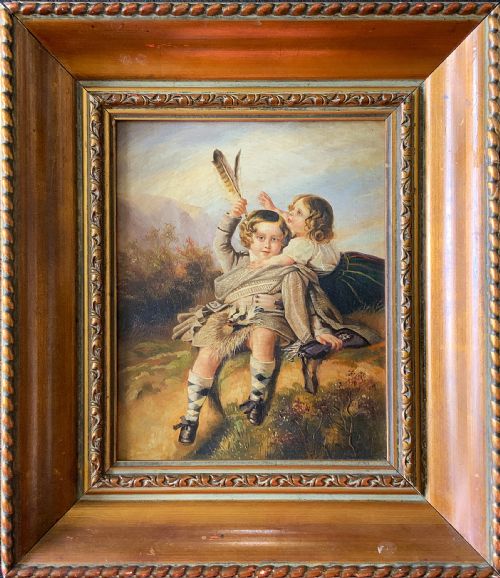
Royal princes and royal hunting dogs share wall space here, proving that even royalty enjoyed a good day out with the hounds.
What varies in quality
Quality in these sporting pieces rests upon the precision of the draftsmanship and the vitality captured in the animal and human subjects. Masterful handling of anatomy in hounds, horses, and figures distinguishes superior artistic output from standard decorative production.
The condition and authenticity of the original framing materials also influence the character of the piece. Intact nineteenth-century wooden frames and well-preserved painted surfaces command greater appreciation among collectors of sporting art.
Michelangelo Meucci·James Ward Ra·H. Alken·Godfrey Douglas Giles·Dean Wolstenholme
The Brown Wood Hunting Artwork Glossary
- Oil painting
- A work created using pigments bound with a medium of drying oil, typically applied to canvas or wood panel. This technique allows for rich colour blending and fine detail in historical sporting scenes.
- Wood panel
- A rigid wooden support used by artists instead of canvas for painting. These sturdy panels are frequently encountered in early nineteenth-century works.
- Original print
- An impression made from a master plate, block, or stone by the artist or under their direction. In sporting art, these often capture lively equestrian and military themes.
- Tapestry
- A form of textile art woven on a loom or embroidered by hand. Wool is commonly utilised to create textured classical portraits and hunting motifs.
- Gilded wood
- Wood that has been treated with a thin layer of gold leaf or gilt powder. This finish is typical for traditional frames surrounding nineteenth-century oils.
Brown Wood Hunting Artwork: Frequently Asked Questions
What periods do these artworks come from?
The pieces span from the Georgian and early Victorian eras through the nineteenth century and into the early twentieth century. This timeline covers shifting styles in British and European sporting depiction.
You will find dates ranging from the late eighteenth century up to nineteen-fifty, encompassing various traditional print and painting techniques.
How were these framed pieces displayed historically?
Sporting artworks were traditionally hung in country houses, libraries, and estate smoking rooms to celebrate rural pursuits and successful hunting seasons. The heavy wooden and gilded frames suited panelled walls.
They served both as decorative focal points and as records of prized hunting dogs, horses, and notable local hunts.
Are all the frames made of wood?
The majority of listings feature wooden frames, frequently incorporating oak or gilded wood finishes designed to complement the darker palettes of oil paintings and prints.
These traditional surrounds are integral to the presentation of nineteenth-century sporting imagery and portraiture.
What subjects appear most frequently in these works?
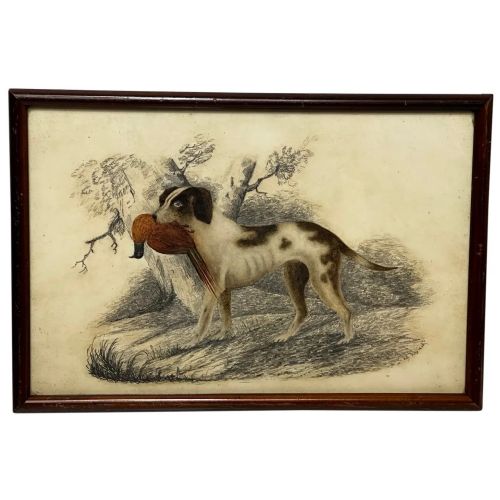
Common subjects include pointer gun dogs carrying game birds, hounds pursuing foxes, falconry scenes, and mounted riders in rural landscapes. Equestrian themes and shooting parties also recur across the selection.
Artists frequently set these action scenes within wooded clearings or rolling countryside vistas typical of British and European estates.