

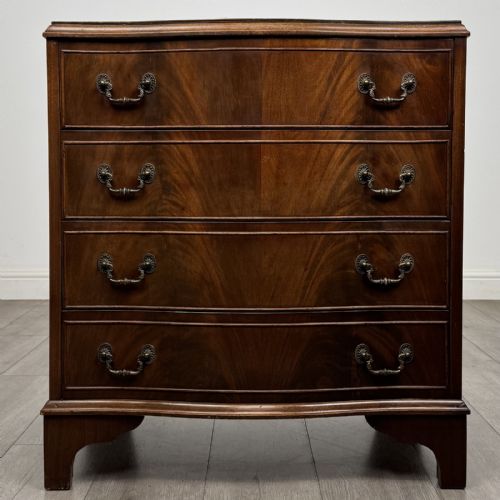
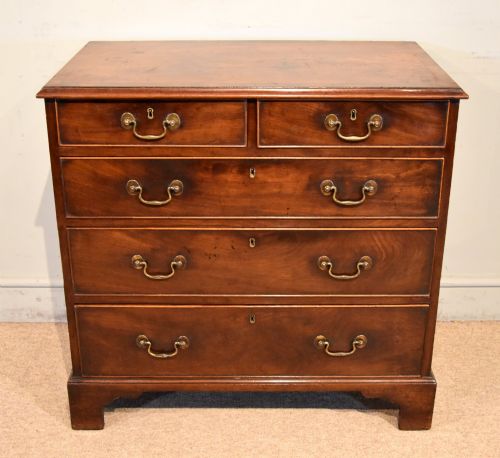
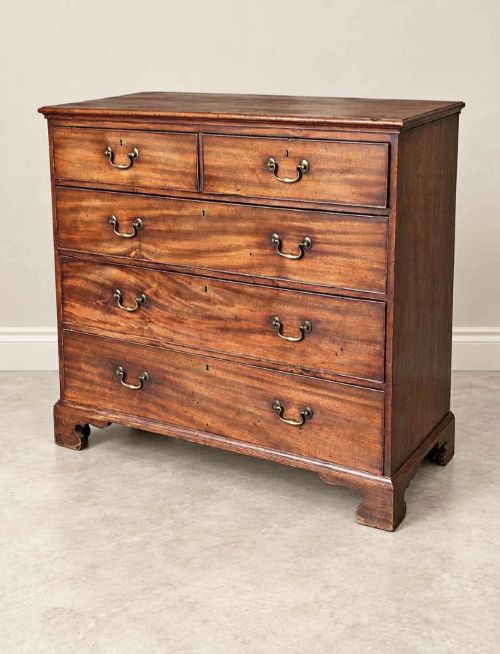
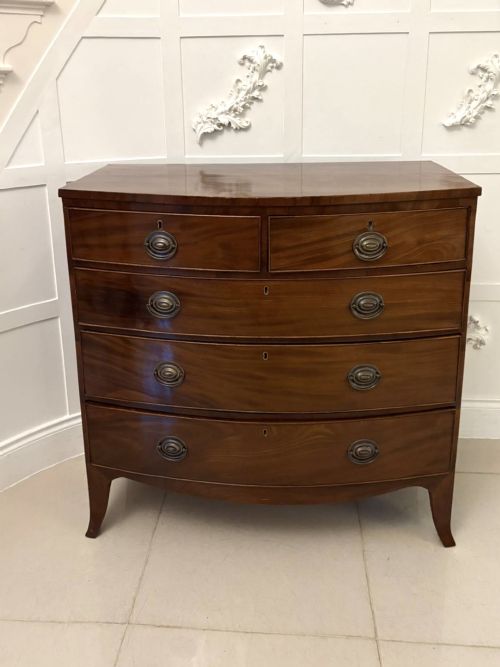
Brown Wood Feet
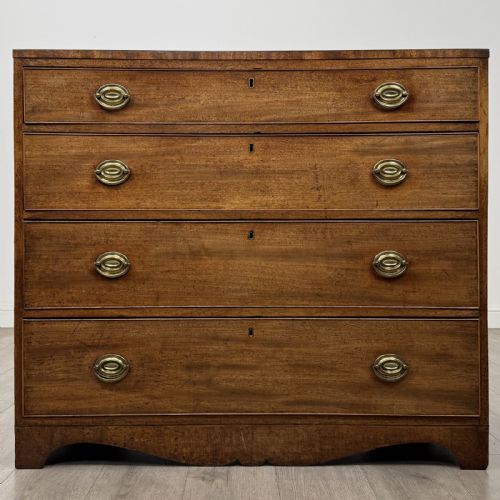
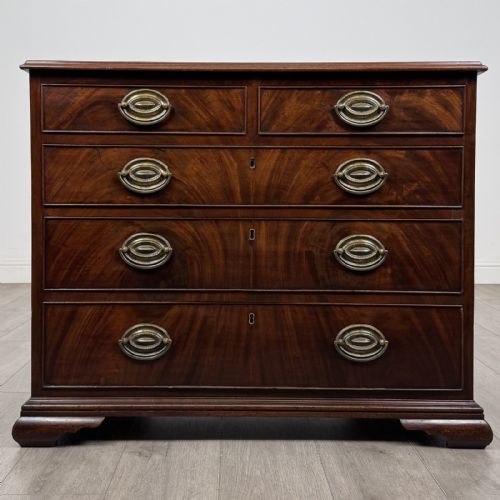
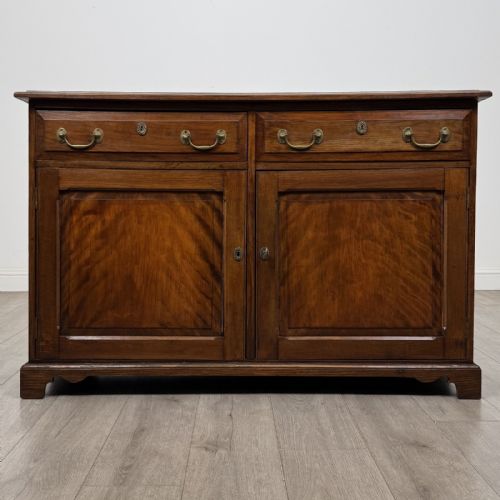
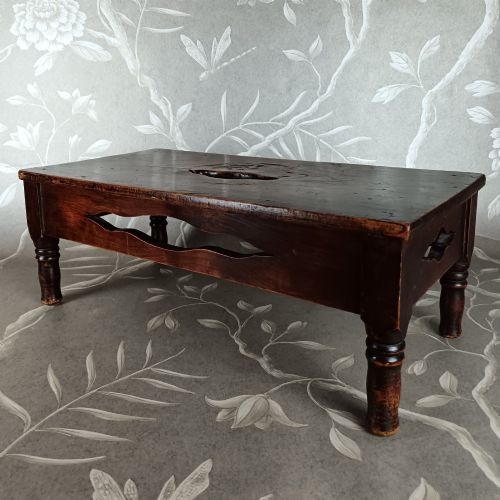
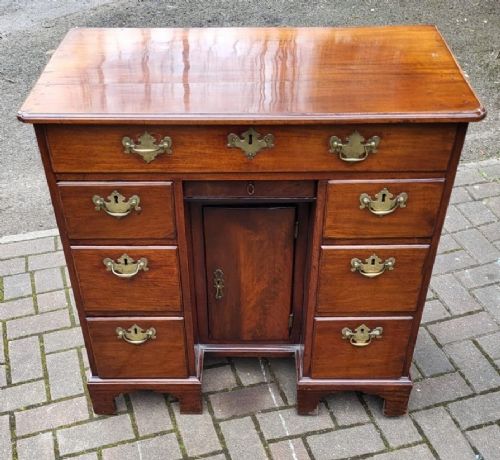
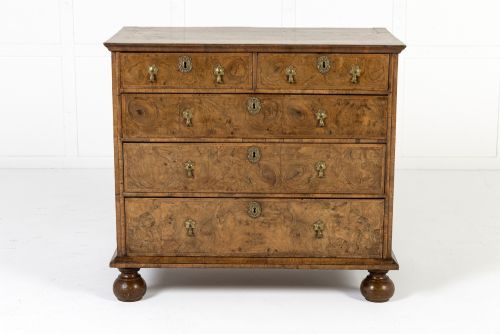
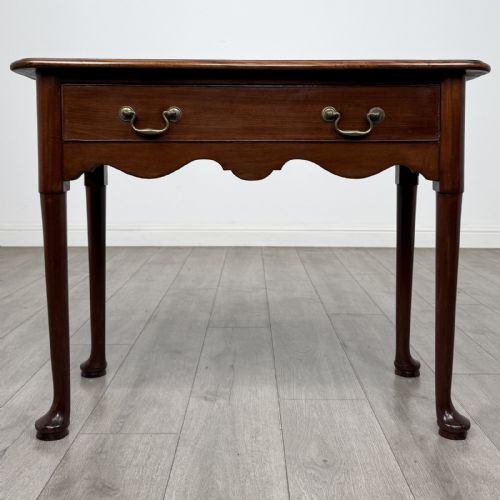
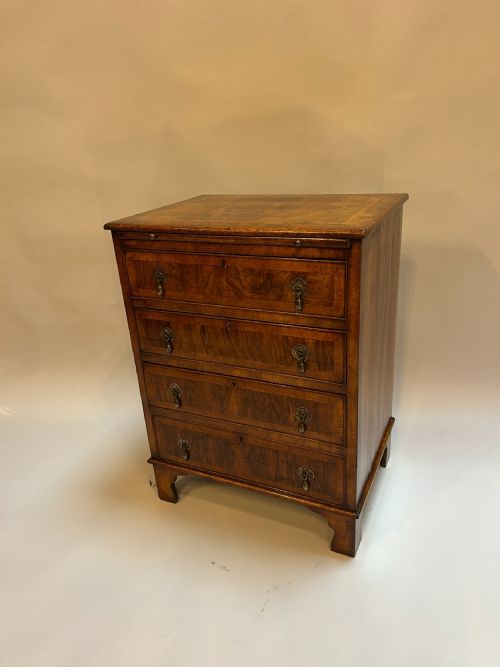
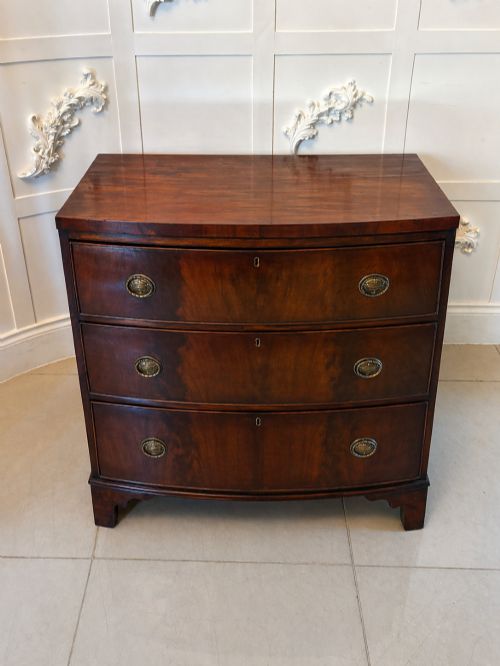
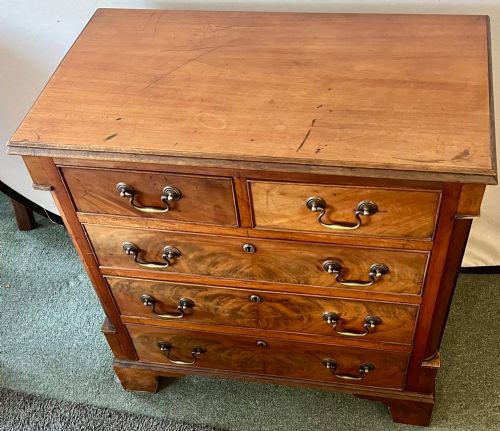
These brown wood feet anchor chests of drawers, tables, and cabinets from the eighteenth, nineteenth, and early twentieth centuries, offering a solid foundation for period timber furniture.
Brown Wood Feet
When searching for brown wood feet, buyers encounter structural supports beneath chests of drawers, dining tables, side tables, and cabinets. The pieces listed span eras from the eighteenth century through the Edwardian period and the early twentieth century.
Mahogany and walnut form the predominant body timbers for these items, with occasional examples in oak, rosewood, and burr walnut. Furniture from the Georgian and Regency periods appears frequently alongside later Edwardian and revival interpretations.
The supports themselves take various traditional configurations such as bracket feet and claw and ball designs. These elements ground case furniture and tables, displaying the natural grain and colour of the timber beneath drawers and tabletops.
Materials and Construction
Cabinet makers utilised dense hardwoods including mahogany, walnut, and rosewood for structural stability and fine surface finishing. These timbers provided the strength required for weight-bearing components like feet and legs.
Joinery methods involved traditional techniques appropriate to each period, securing the lower supports firmly to the carcase or frame. Timber selection ensured that the colour and grain of the feet harmonised with the main body of the furniture.
Brown Wood Feet Retail Price Guide 2026
Typical asking prices for brown wood feet among the pieces listed under this phrase on Sellingantiques today, from the lower quarter to the upper quarter. They describe what is for sale here now, not the wider market.
Chest of drawers forms range from small bedside versions to large tallboys with numerous drawers.
Factors of Quality
Quality rests upon the selection of figured veneers and solid timbers, where well-matched grain patterns elevate the overall presence of the piece. Crispness in carved details, such as claw and ball terminals, distinguishes superior workshop output.
Proportion and structural integrity dictate the standing of individual items, particularly how securely the lower supports integrate with the main structure. Original timber retention throughout the base and feet commands higher regard among collectors.
The Brown Wood Feet Glossary
- Bracket foot
- A simple, corner-supporting foot shaped like a bracket, commonly found on eighteenth-century chests of drawers and cabinets. It provides a stable, square profile to the base of case furniture.
- Claw and ball
- A carved furniture foot depicting a bird's talon clutching a ball, popular in Georgian and Edwardian revival pieces. This decorative terminal reflects influences from earlier Asian design motifs.
- Mahogany
- A durable tropical hardwood prized for its rich reddish-brown colour and stability in cabinet making. It serves as the primary material for many eighteenth and nineteenth-century pieces.
- Burr walnut
- Timber taken from walnut tree growths that produces intricate, swirling grain patterns. Cabinet makers utilised these highly decorative veneers on drawer fronts and table tops.
- Bachelors chest
- A compact chest of drawers featuring a pull-out brushing slide above the main drawers. These pieces date predominantly from the Georgian period.
Brown Wood Feet: Frequently Asked Questions
What periods do these pieces represent?
The listings encompass items from the eighteenth, nineteenth, and early twentieth centuries, including specific Georgian, Regency, and Edwardian eras. Revival styles from later decades also appear.
Each period brings distinct proportions and timber choices, from eighteenth-century mahogany to Edwardian walnut.
Which timbers are most common?
Mahogany and walnut dominate the selection, appearing across chests of drawers, tables, and cabinets. Burr walnut and rosewood provide more figured alternatives.
Secondary materials like brass hardware often complement these primary hardwoods on drawer handles and mounts.
How do I identify bracket feet?
Bracket feet form right-angled supports at the bottom corners of case pieces like chests of drawers. They lift the carcase slightly off the floor with a clean, architectural silhouette.
Versions range from plain mitred shapes to ogee-moulded profiles depending on the exact date of manufacture.
What types of furniture feature these supports?
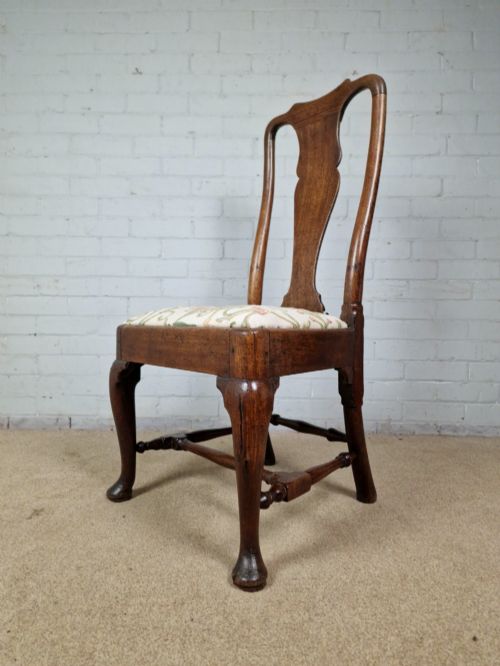
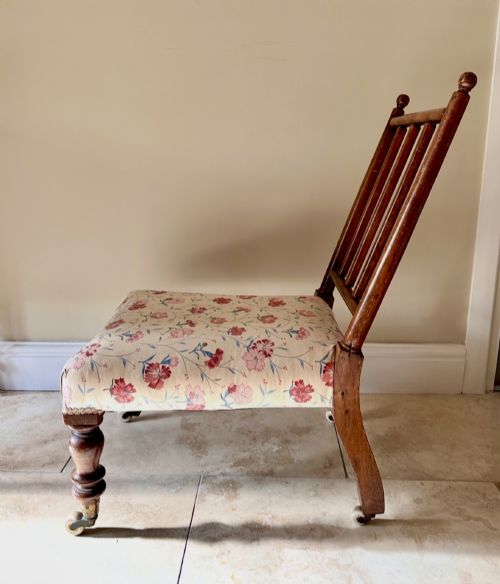
Chests of drawers represent the largest category of furniture carrying these supports, followed by side tables, console tables, and display cabinets. Dining chairs also feature specific leg formations.
These forms served domestic storage and display functions in period homes.