

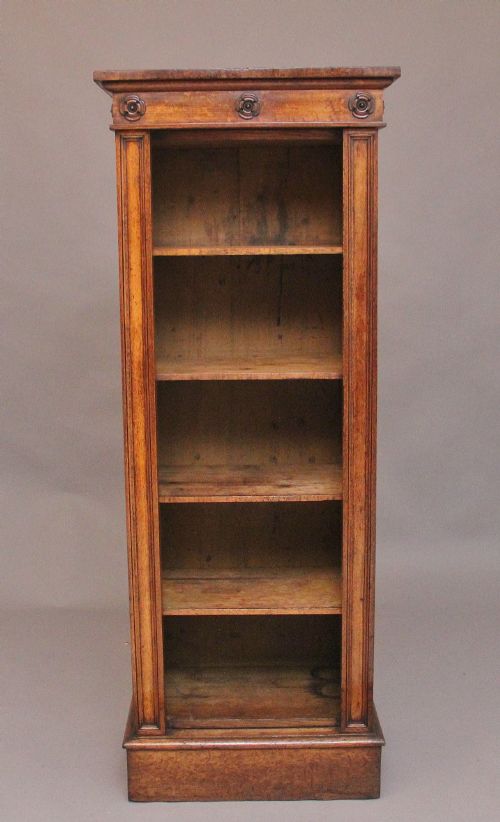
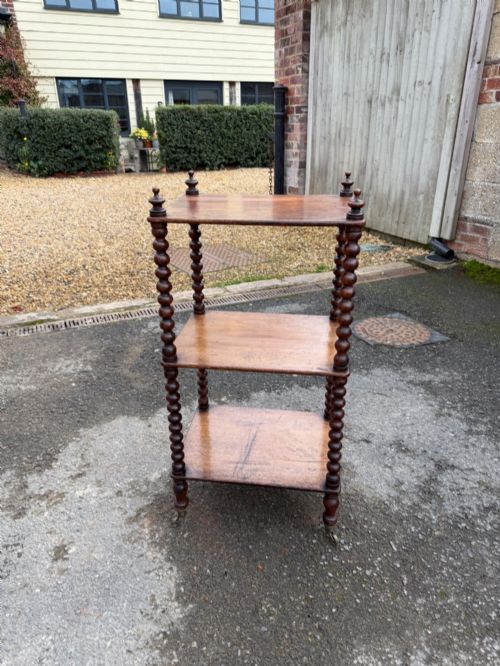
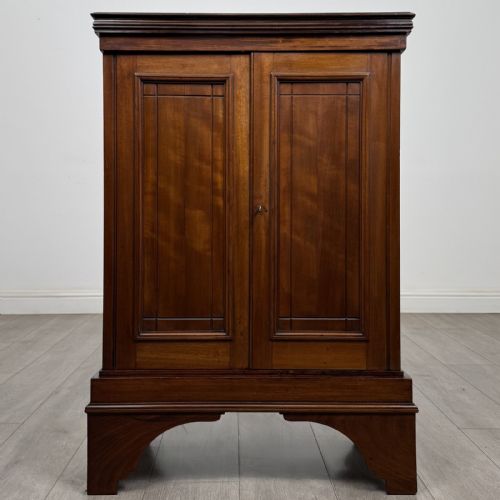

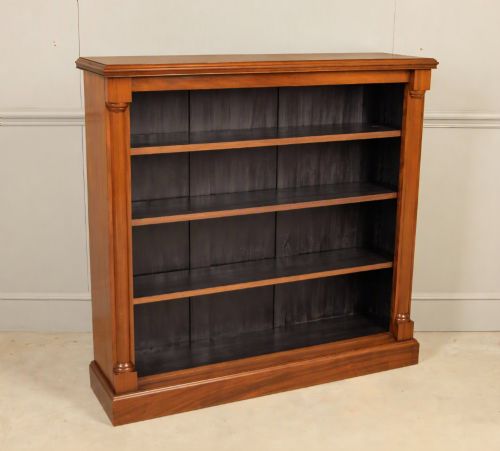

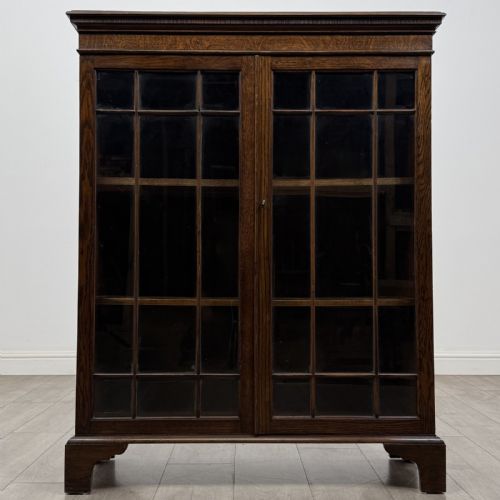

Brown Wood Display Unit
A brown wood display unit brings warmth and architectural presence to a room, holding books and cherished objects with quiet authority.
Brown Wood Display Unit
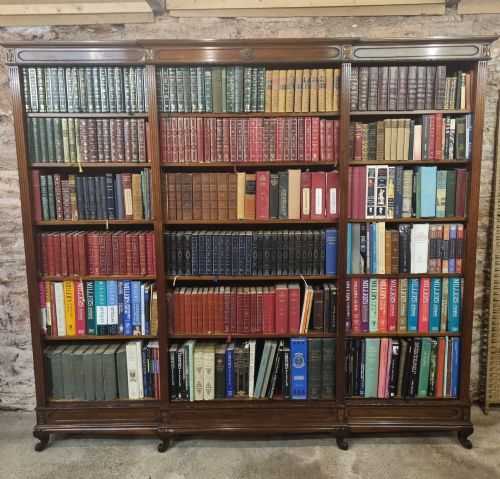
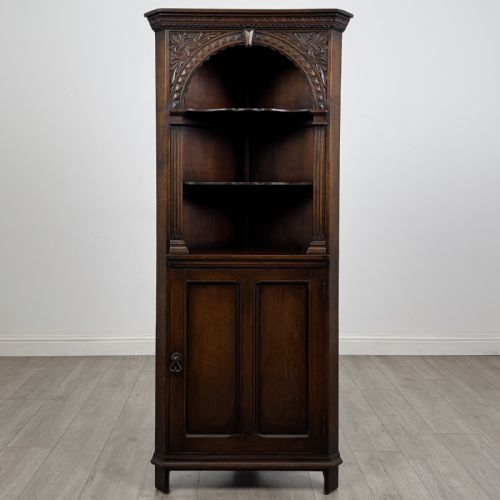
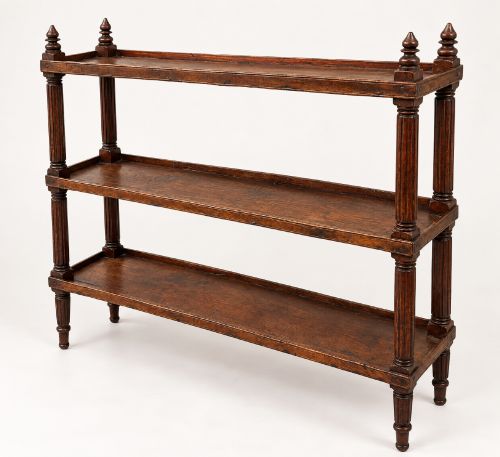
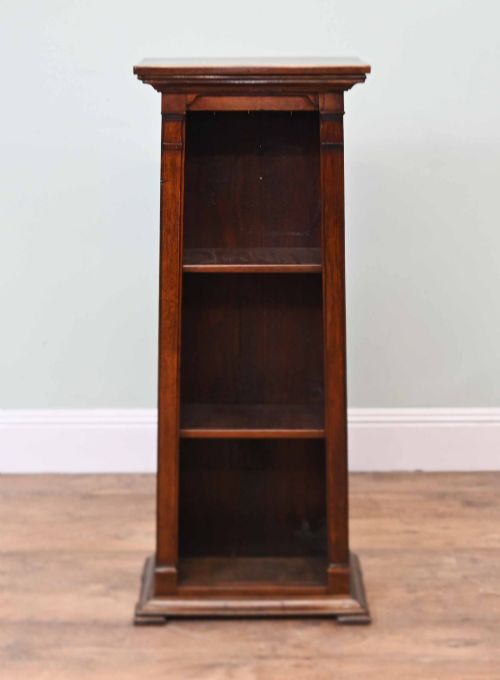
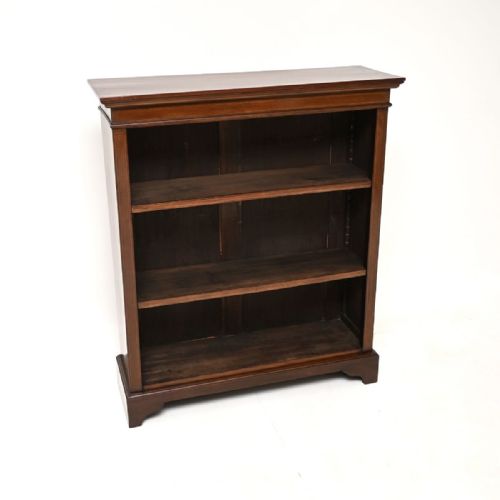
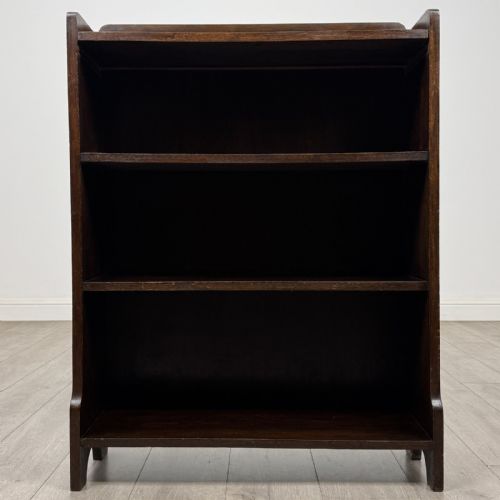
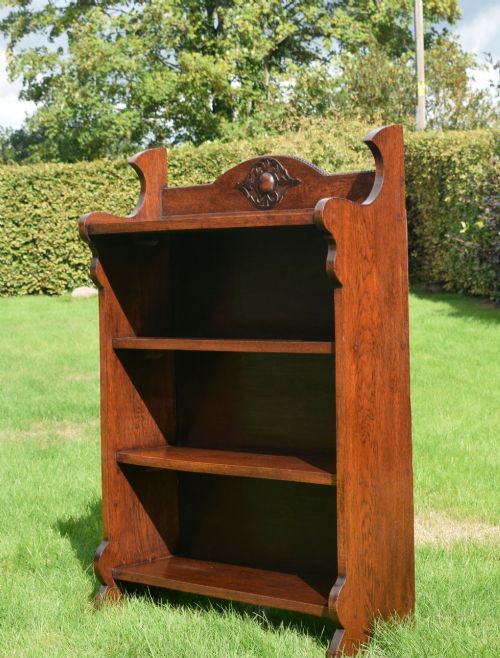
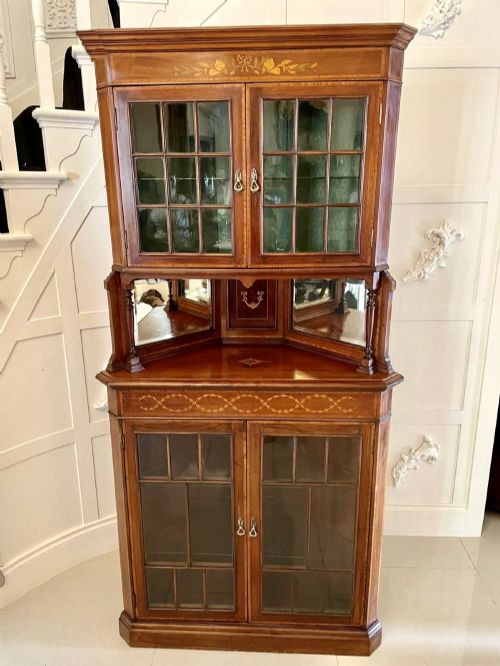
A brown wood display unit encompasses open bookcases, corner cabinets, wall shelves, and multi-tiered whatnots designed to present objects and literature within domestic spaces. Buyers searching this category frequently encounter pieces originating from the Georgian, Victorian, and Edwardian eras, alongside later twentieth-century interpretations.
The common forms found in these listings range from floor-standing breakfront bookcases with adjustable shelves to compact corner cupboards featuring glazed doors or raised galleries. Oak, mahogany, and walnut dominate the structural choices, providing both the necessary load-bearing strength and the deep grain patterns expected from traditional cabinet work.
Makers and workshops across different centuries adapted these formats to suit changing domestic interiors, shifting from formal Georgian standing corners to versatile Edwardian inlaid designs and utilitarian Art Deco shelving. The survivor of these periods generally offers a functional blend of display space and storage capacity suited to modern homes.
Distinctions in construction and finish
Quality in these pieces is dictated by the selection of timber figures, the precision of the joinery, and the integrity of the original surface finish. Superior examples display consistent grain matching across visible surfaces and tight, well-fitted joints that require no modern stabilization.
The handling of decorative details also separates standard production from finer craftsmanship, seen in crisp carving, deliberate inlay patterns, and well-cast brass mounts. Modifications or replaced components alter the historical integrity of a piece, shifting it away from the standard set by untouched period examples.
Brown Wood Display Unit Retail Price Guide 2026
Typical asking prices for brown wood display unit among the pieces listed under this phrase on Sellingantiques today, from the lower quarter to the upper quarter. They describe what is for sale here now, not the wider market.
Listings feature oak, mahogany, and walnut as the primary timbers, spanning eras from the eighteenth century through the Art Deco period.
The Brown Wood Display Unit Glossary
- Breakfront
- A cabinet or bookcase where the central section projects forward from the flanking wings, creating a dynamic architectural silhouette. This design was favoured by Georgian and Edwardian makers to break up long expanses of shelving.
- Whatnot
- A multi-tiered open piece of furniture designed for displaying ornaments, books, or curiosities, often supported on slender columns or turned uprights. Victorian examples frequently utilise burr walnut and incorporate barley twist supports.
- Ormolu
- Gilded bronze mounts applied to furniture for decorative effect, particularly popular in pieces influenced by French eighteenth-century design. These metallic accents catch the light and highlight the corners of fine cabinetry.
- Gallery
- A low raised rail running along the top edge of a shelf, cabinet, or table to prevent items from sliding off. Edwardian oak bookcases often incorporate these decorative borders.
- Inlay
- A technique where contrasting woods, shells, or metals are fitted into depressions carved into the primary wood surface to create flat patterns. Late Victorian and Edwardian pieces frequently feature satinwood stringing or floral motifs.
Brown Wood Display Unit: Frequently Asked Questions
How do I clean a wooden bookcase?
Dust surfaces regularly with a soft, dry cloth to prevent particulate buildup in the grain. Avoid modern silicone sprays that can soften historic finishes over time.
Apply a traditional beeswax conditioner occasionally to nourish the timber and maintain a natural sheen. Keep the unit away from direct heat sources and strong sunlight to prevent the wood from drying and cracking.
Are shelves usually adjustable?
Many period bookcases feature adjustable shelving supported by wooden rack-and-pinion systems or brass studs. This flexibility allows owners to accommodate books of varying heights without altering the original structure.
Earlier pieces often feature fixed shelves integrated directly into the vertical sides as structural ties. Check the listing details to confirm whether the shelving configuration suits your intended use.
Where should I place a corner cabinet?
Corner cupboards and cabinets make efficient use of unused angles in dining rooms, hallways, or living spaces. They draw the eye into the perimeter of a room while providing enclosed storage for glassware or display items.
Ensure the corner angles of the room match the cabinet's footprint before purchase. Floor-standing versions offer stability, while wall-hung variants require secure fixing points into solid masonry or studs.
How do I identify the wood type?
Examine the grain patterns, colour tones, and weight of the timber visible on unpainted surfaces. Oak displays prominent medullary rays and an open grain, while mahogany offers a reddish-brown hue with fine, interlocking pores.
Walnut presents a darker, richly figured surface, often enhanced by burr patterns in high-status furniture. Consultation with detailed listing descriptions helps confirm the primary species used by the maker.