




Brown Wood Coat Hooks
These brown wood coat hooks and racks offer practical hanging space shaped by nineteenth and early twentieth century craftsmanship.
Brown Wood Coat Hooks
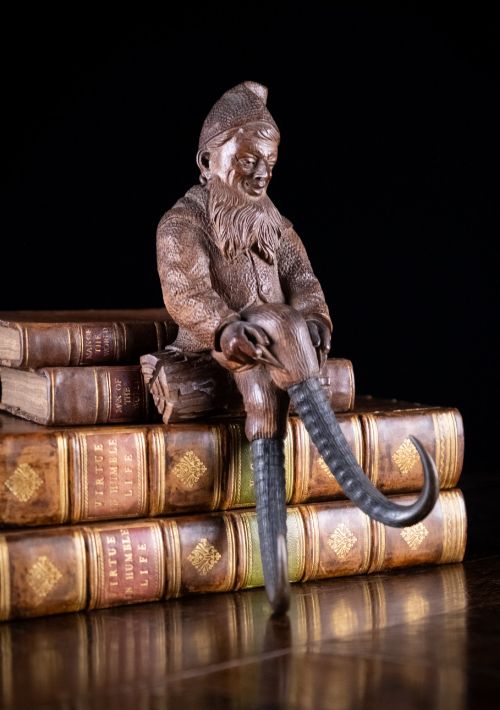
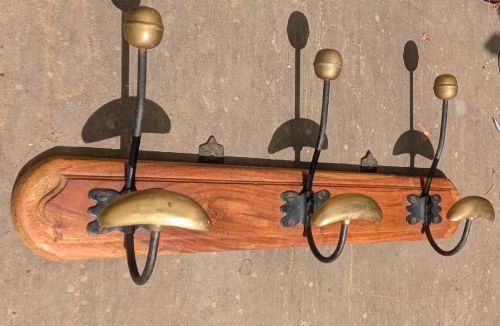
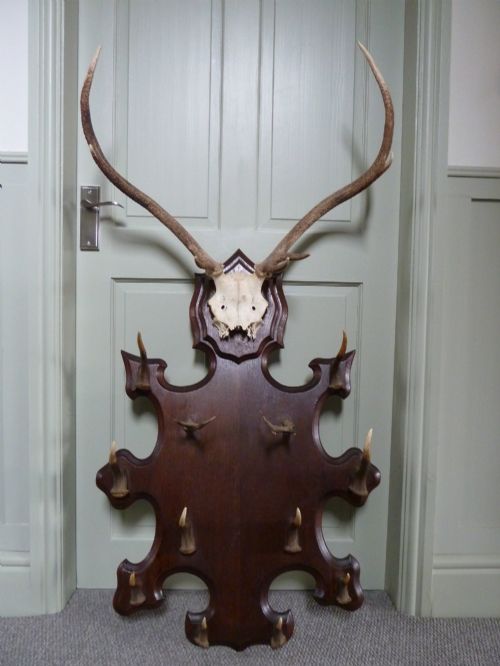
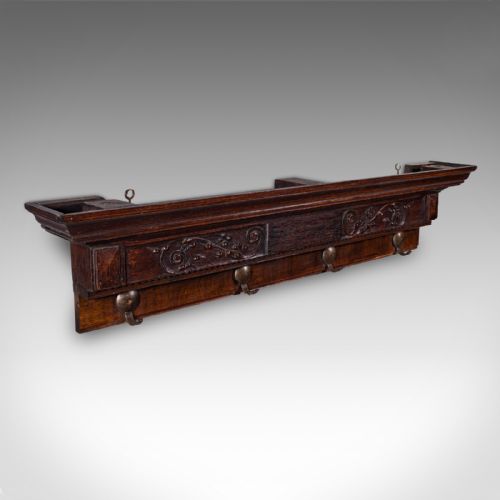
Brown wood coat hooks appear in various domestic forms, ranging from single wall-mounted fixtures to large hall stands and extending racks designed for cloakrooms and hallways. The selection includes Black Forest carvings, Victorian country house pieces, and Edwardian reception valets.
Buyers encounter items fashioned from oak, walnut, and linden wood, frequently paired with metal or horn hooks. Pieces span the nineteenth century through the early twentieth century, reflecting the utilitarian and decorative needs of period interiors.
How they were made
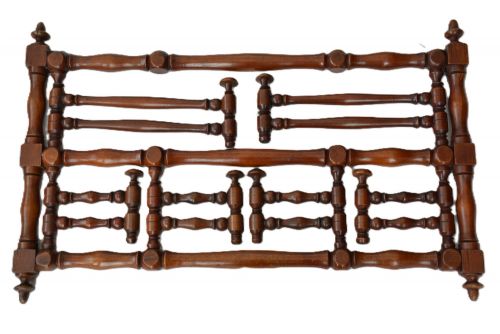
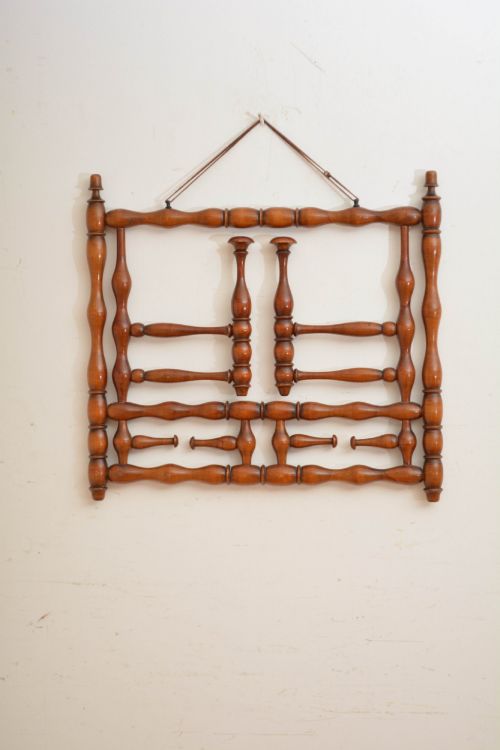
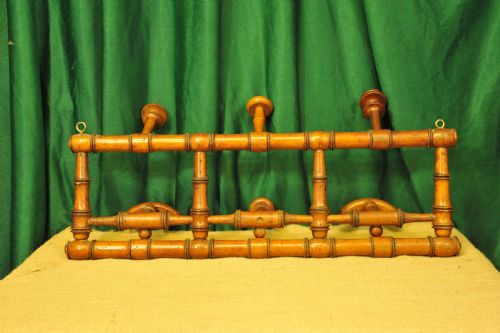
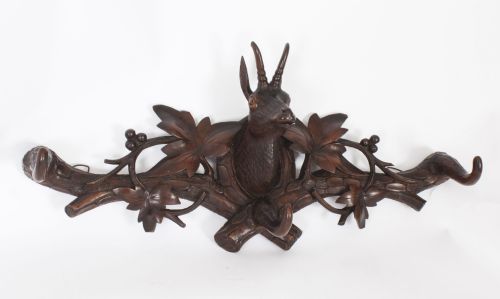
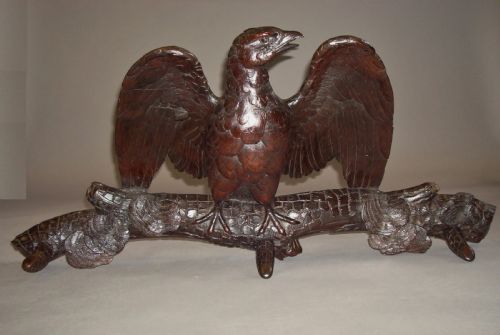
Woodworking techniques of the period involve hand carving, bent wood construction, and turned elements, utilising timbers such as oak, walnut, and linden wood. Black Forest pieces demonstrate detailed animal and figural carving executed in softwoods and hardwoods.
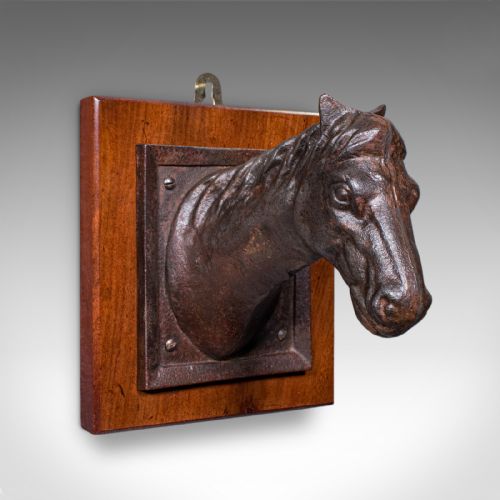
Metal components, including brass and cast iron, provide structural strength for hooks and mounting plates, while natural materials like stags horn and animal hoofs are integrated into specific regional designs.
Listings feature items spanning the 1880s to the 1920s, incorporating oak, walnut, linden wood, brass, and cast iron.
What varies in quality
Quality rests in the depth and precision of the carving, particularly visible in Black Forest animal heads and figural mounts where anatomical accuracy distinguishes superior examples. The crispness of hand-turned wooden members and the integrity of the original hooks dictate the overall standard.
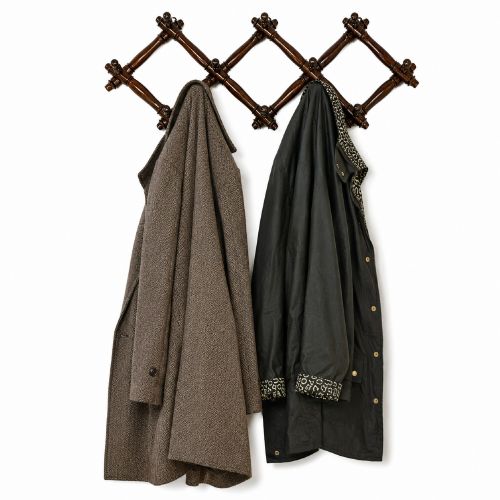
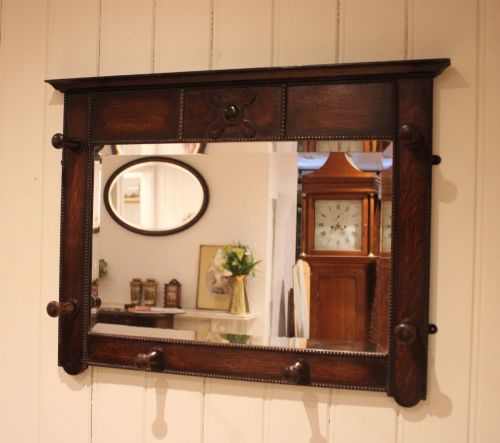
The choice of timber and the complexity of the rack construction, such as extending lattice mechanisms or integrated mirror frames, separate standard domestic items from more ambitious workshop pieces.
The Brown Wood Coat Hooks Glossary
- Black Forest
- A nineteenth-century carving style originating from Switzerland and Germany, characterised by naturalistic representations of animals and foliage rendered in linden wood.
- Hall Stand
- A substantial piece of hall furniture combining coat hooks, a mirror, and often umbrella stands or glove boxes.
- Bent Wood
- Wood made pliable by steam and pressed into curved shapes, a technique utilised by makers such as Thonet for lightweight coat racks.
- Valet
- A functional furnishing designed for holding garments and accessories in a hallway or reception room.
Brown Wood Coat Hooks: Frequently Asked Questions
How do I mount a wall rack securely?
These racks require fixing directly into wall studs or using appropriate masonry anchors to support the weight of heavy garments.
Ensure the mounting screws match the original fixing holes where possible to maintain the structural integrity of the old timber.
What woods were commonly used?
Oak, walnut, and linden wood appear frequently across these nineteenth and early twentieth-century pieces.
Linden wood served particularly well for detailed carvings due to its fine grain, while oak and walnut provided durable backboards.
How do I date a coat rack?
Dating relies on construction methods, timber choice, and the prevailing style of the hardware and woodwork.
Victorian and Edwardian examples often feature hand-cut screws, cast iron brackets, or specific regional carving traits typical of their era.
Can these hold heavy winter coats?
Most antique racks were built for daily domestic use and handle heavy garments comfortably when properly installed.
Checking the attachment of individual hooks to the backboard ensures they remain secure under substantial weight.