
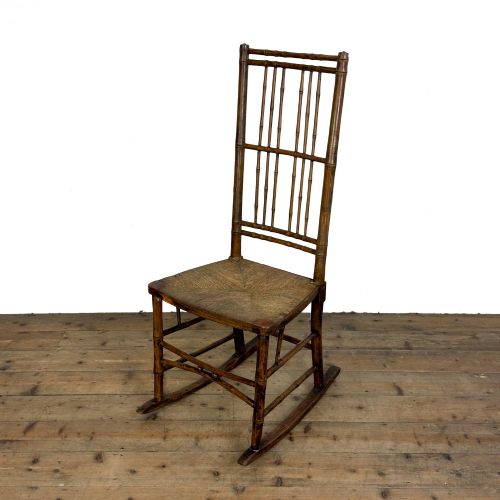


Brown Wood Bedroom Chair
These brown wood bedroom chair options offer classic seating solutions, bringing period character and practical charm to private spaces.
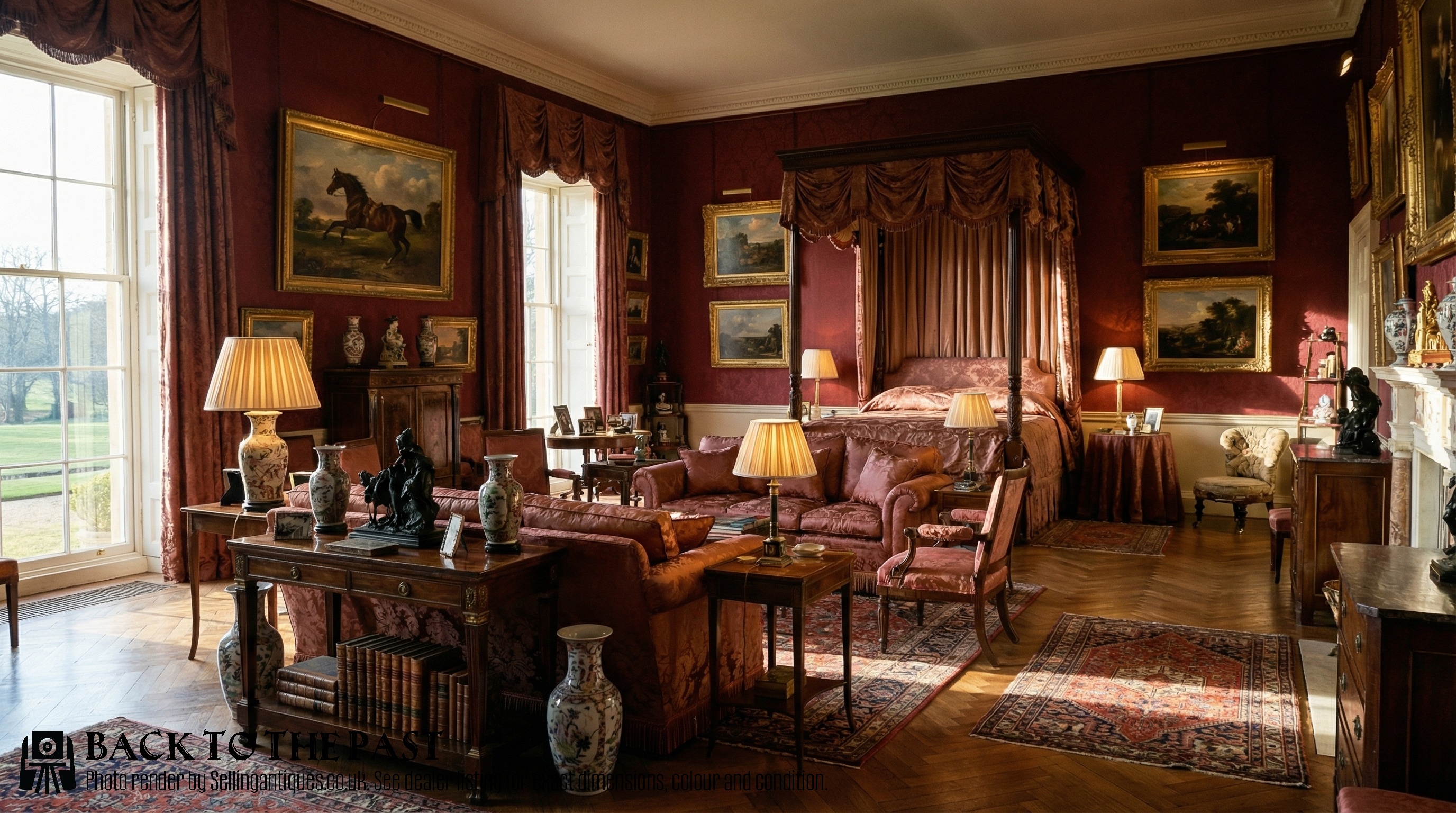
Brown Wood Bedroom Chair
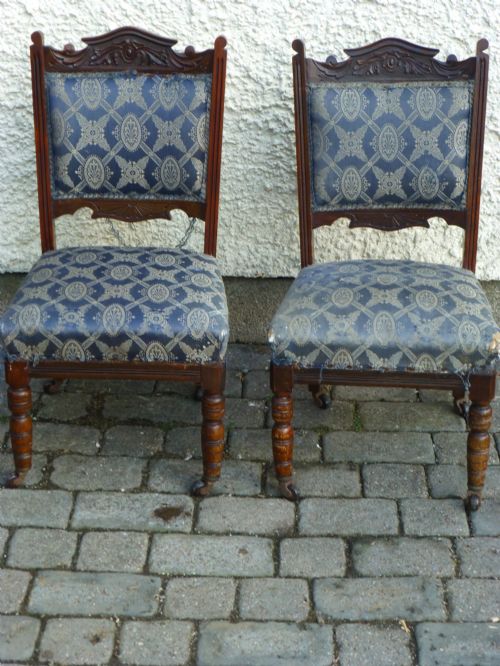
A brown wood bedroom chair encompasses a diverse selection of antique seating designed primarily for domestic chambers, dressing areas and boudoirs during the nineteenth and early twentieth centuries. These pieces appear in numerous forms including nursing chairs, low seats, slipper chairs and occasional elbow chairs constructed during the Victorian and Edwardian eras.
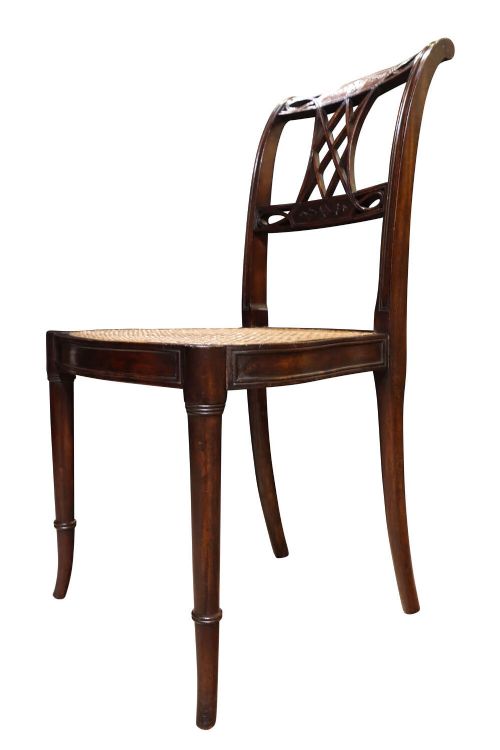
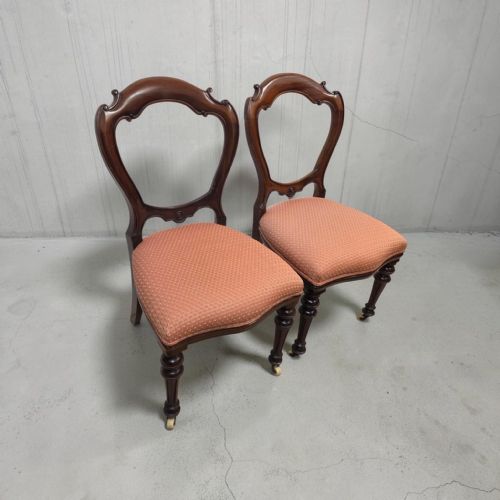
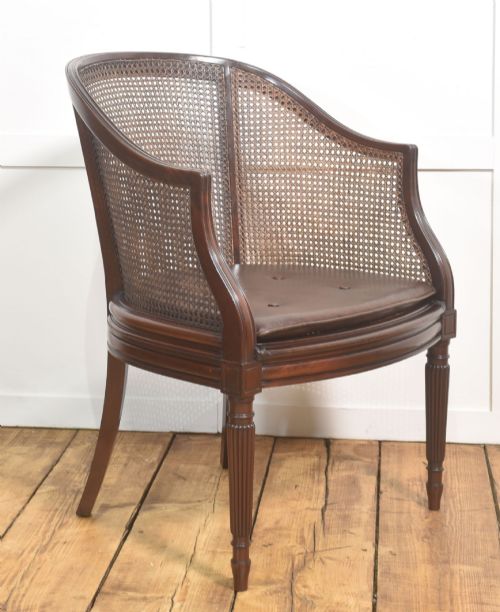
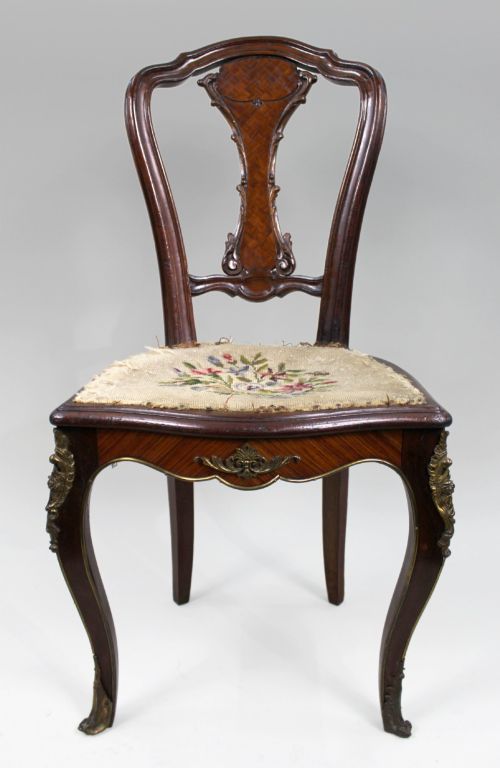
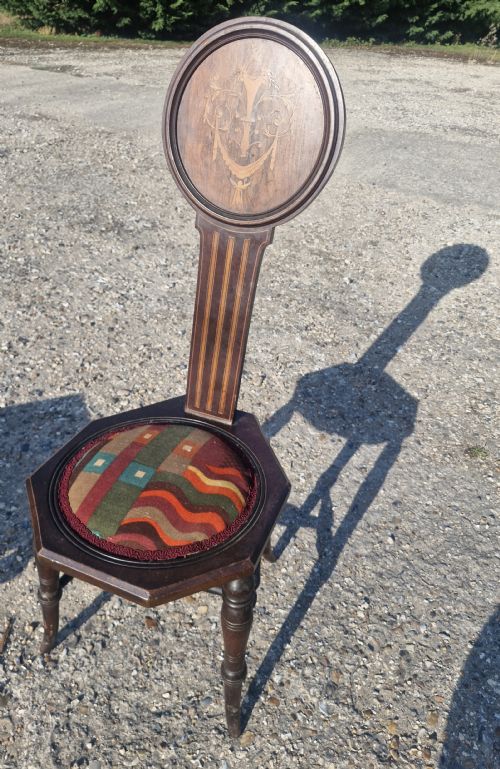
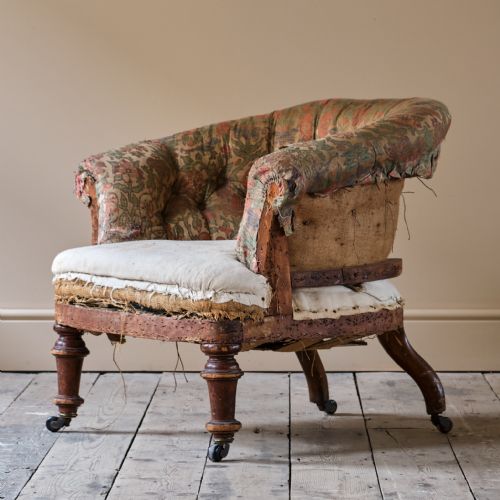
Buyers encountering this category will frequently discover Edwardian mahogany examples featuring delicate wood inlay and cane seating alongside nineteenth-century balloon back and tub back designs. The selection spans utilitarian bobbin-framed seating and low-slung bathroom chairs up to decorative painted Regency models and French kingwood pieces.
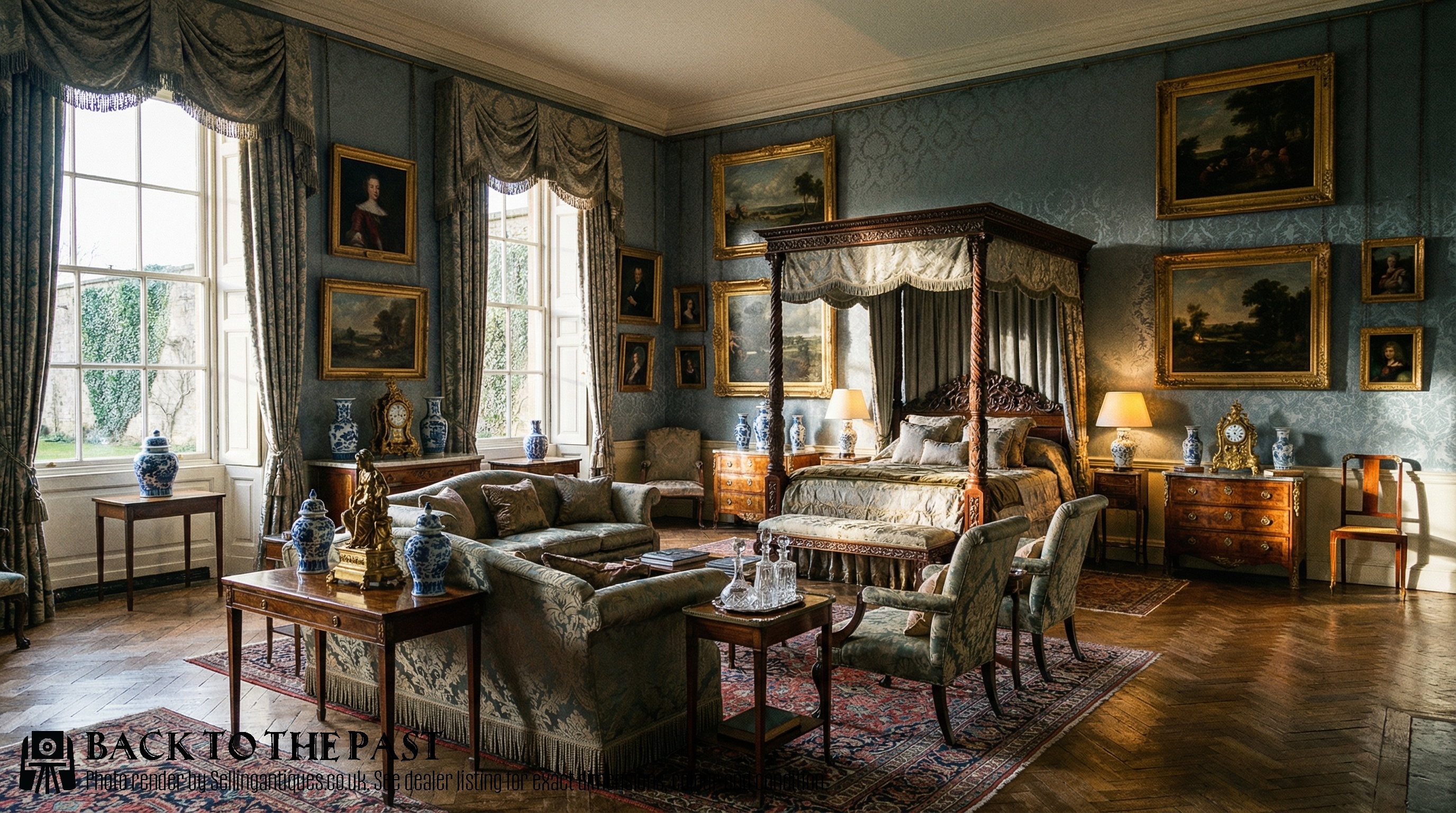
Materials and construction
Cabinetmakers utilised dense timbers such as mahogany, walnut, oak and beech to build structural frames, often embellishing surfaces with intricate wood inlay, satinwood banding or ormolu mounts. Many examples incorporate cane or rattan panels into seats and backs, while others rely on traditional upholstered pads covered in various fabrics.
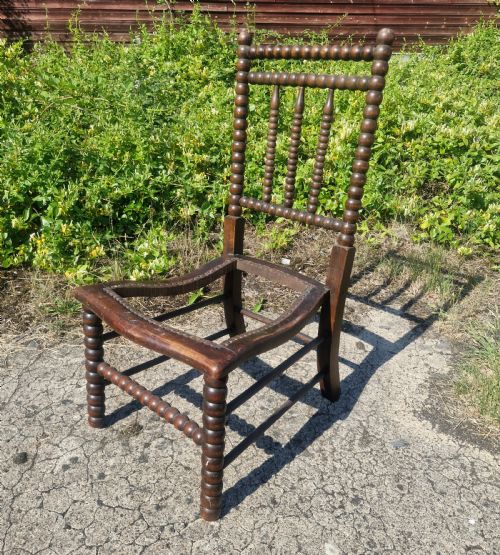
Construction techniques visible across the inventory include turned wooden spindles, bobbin framing, faux bamboo shaping and carved bar backs. Joinery methods of the period prioritised stability, ensuring these smaller-scale chairs maintained structural integrity despite frequent daily use in private rooms.
Brown Wood Bedroom Chair Retail Price Guide 2026
Typical asking prices for brown wood bedroom chair among the pieces listed under this phrase on Sellingantiques today, from the lower quarter to the upper quarter. They describe what is for sale here now, not the wider market.
A charming five-legged bedroom chair offers an unexpected anatomical quirk among standard four-legged nineteenth-century seating.
Distinctions in quality
The degree of refinement in timber selection and decorative detail establishes the tier of a piece, distinguishing standard utility bedroom seating from high-status cabinetmaker output. Superior examples display carefully matched grain patterns, precise wood inlay, original painted decoration and finely turned structural elements rather than plain, unadorned framing.
Integrity of the original materials and structural components dictates the standing of individual items within the wider selection. Pieces retaining original cane work, unaltered wood surfaces and authentic period upholstery foundations demonstrate greater fidelity to their original workshop output.
The Brown Wood Bedroom Chair Glossary
- Cane
- Woven material derived from rattan palm, frequently utilised for lightweight seat pads and panel inserts in Edwardian chairs.
- Inlay
- Decorative technique inserting contrasting strips of wood or lighter timbers into the primary surface of a furniture frame.
- Nursing chair
- Low-seated Victorian chair designed originally to allow a mother to feed an infant comfortably.
- Tub armchair
- Seating form featuring a rounded, enclosed backrest that curves continuously into low arms.
- Bar back
- Chair back design incorporating a horizontal wooden crossbar, often shaped or carved, above the seat.
Brown Wood Bedroom Chair: Frequently Asked Questions
What distinguishes a bedroom chair from a dining chair?
Bedroom chairs typically feature lower seat heights, more compact dimensions and decorative details suited for private dressing spaces rather than formal dining rooms.
They also encompass specialised forms like nursing and slipper chairs designed for specific domestic comfort tasks.
How do I identify an Edwardian bedroom chair?
Edwardian examples frequently display lighter mahogany frames ornamented with delicate wood inlay, often paired with cane seats dating around nineteen hundred.
These pieces generally exhibit a lighter visual weight compared to heavier, darker Victorian predecessors.
Are cane seats on antique chairs durable?
Original cane seating woven from rattan provides surprising resilience when treated with care, though dry indoor environments can make older material brittle over decades.
Many surviving pieces retain their historic woven panels, while others have received professional re-caning to restore structural usability.
Where were low bedroom chairs placed?
These low-slung seats found placement beside dressing tables, hearths and beds within nineteenth-century domestic chambers for easy grooming and dressing.
Their reduced height made them particularly practical for tasks requiring a seated position close to the floor.