

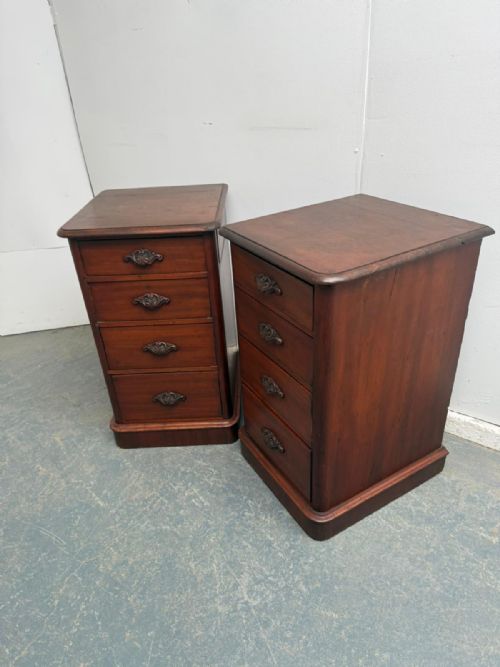
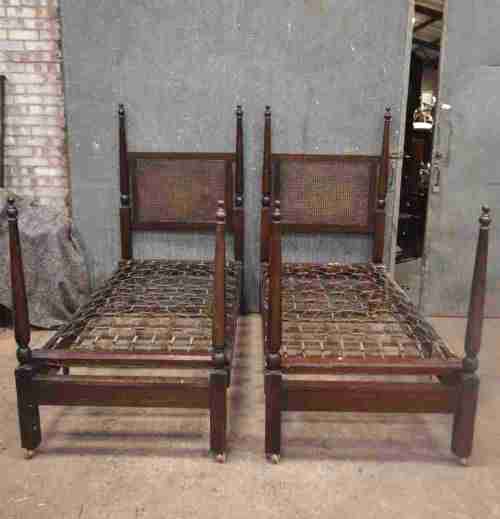
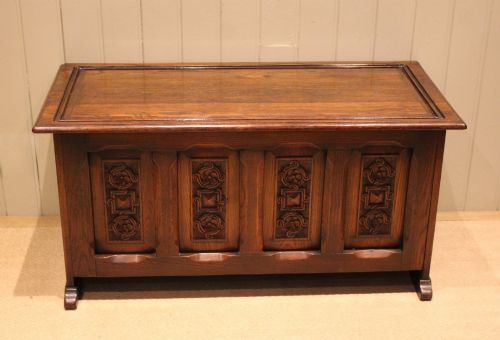
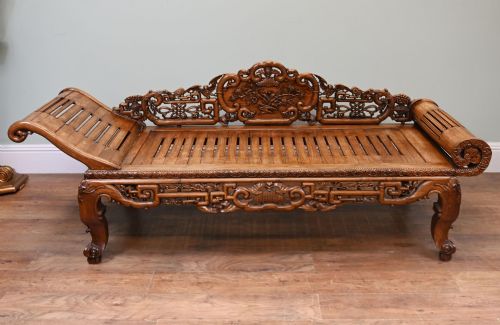

Brown Wood Bed
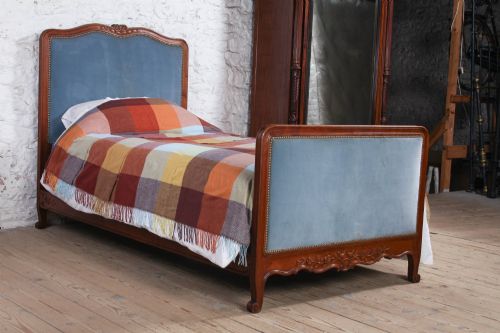
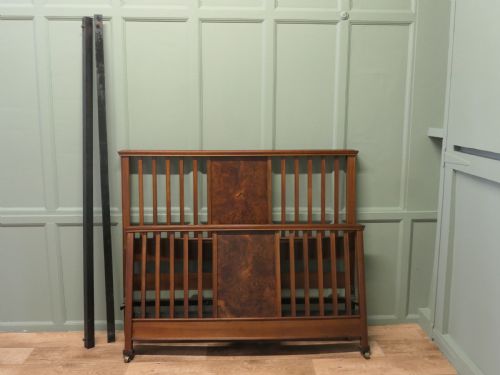
A brown wood bed anchors a bedroom with rich natural grain and solid traditional construction.
Brown Wood Bed
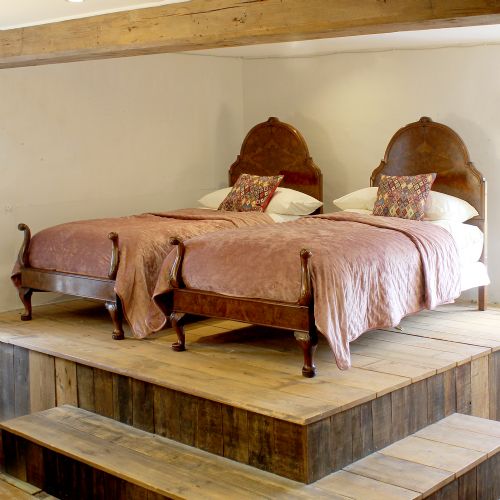
A brown wood bed spans multiple centuries of craftsmanship, ranging from simple country pieces to grand architectural frames. When searching for a brown wood bed, buyers encounter full-size frames, four posters, and single sleeping platforms constructed from various traditional timbers.
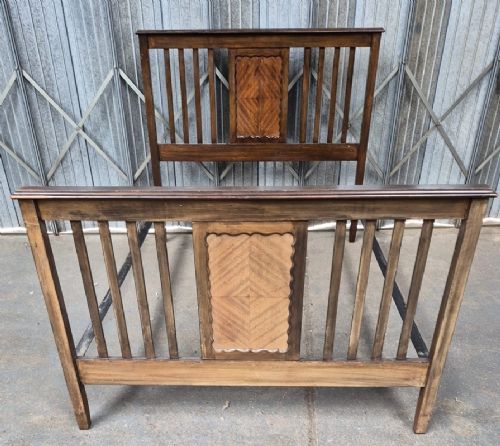
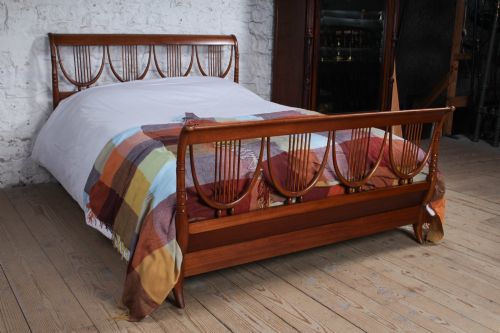
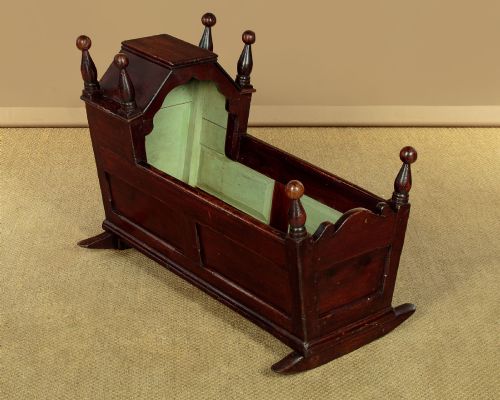
The pieces listed here lean heavily toward Edwardian and Georgian designs alongside later Art Deco walnut frames. Side tables, cribs, and miniature pieces also appear among the larger sleeping furniture, reflecting the diverse domestic uses of timber in historic interiors.
How they were made
Cabinet makers relied on dense hardwoods like mahogany, oak, and walnut to build structural durability into each frame. Joinery techniques varied from hand-carved panels to turned posts, often finished with wax or polish to highlight the natural figure of the timber.
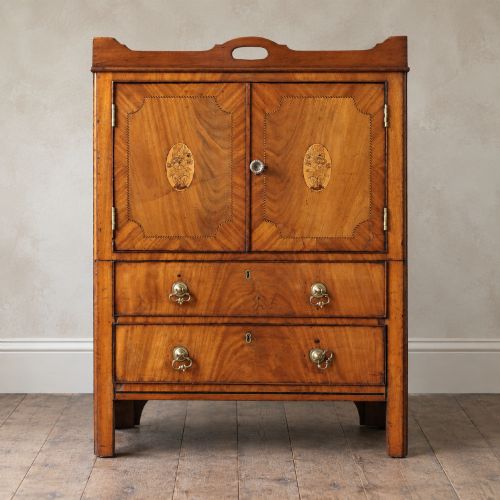
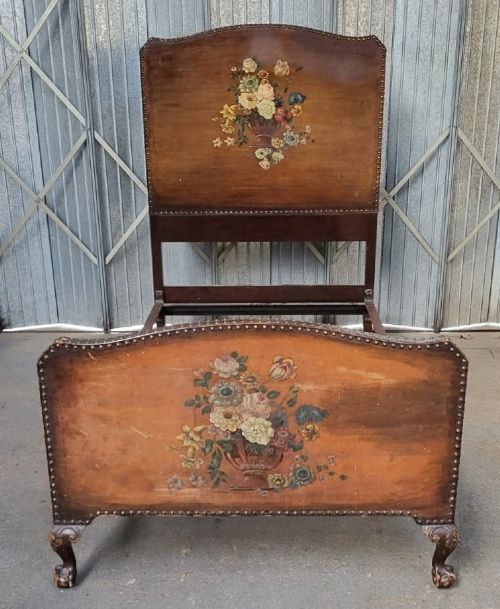
Makers integrated brass hardware and subtle marquetry details on select pieces, while others featured woven bergere panels or painted leather inserts. The construction focused on robust side rails and solid headboards capable of supporting heavy mattresses over generations.
Brown Wood Bed Retail Price Guide 2026
Typical asking prices for brown wood bed among the pieces listed under this phrase on Sellingantiques today, from the lower quarter to the upper quarter. They describe what is for sale here now, not the wider market.
Listings feature woods including mahogany, walnut, oak, pine, and burr walnut across the 18th, 19th, and 20th centuries.
What varies in quality
The grade of timber dictates much of the visual impact, with figured walnut, burr walnut, and rich mahogany sitting above plain pine or standard hardwoods. Superior examples display careful book-matching in the grain and crisp, deep hand-carving rather than shallow machine stamping.
Structural integrity and original proportions separate standard utility furniture from finer commission pieces. Well-preserved joinery and intact original fittings maintain the historical character of the bedstead.
Stanley Webb Davies·Waring & Gillows
The Brown Wood Bed Glossary
- Bedstead
- The framework of a bed consisting of headboard, footboard, and side rails. It supports the mattress platform independently of modern divan bases.
- Bergere
- A closed-upholstered armchair or headboard inset with woven cane panels. This technique adds lightness and texture to heavy wooden frames.
- Marquetry
- Decorative inlay work using various woods to create pictorial or geometric patterns on flat surfaces. Craftsmen apply these veneers to drawer fronts and headboards.
- Coffer
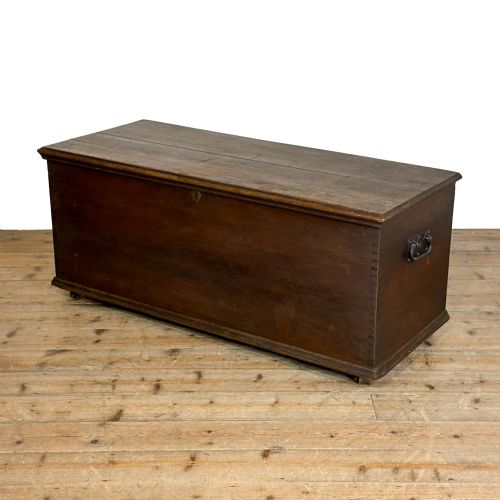
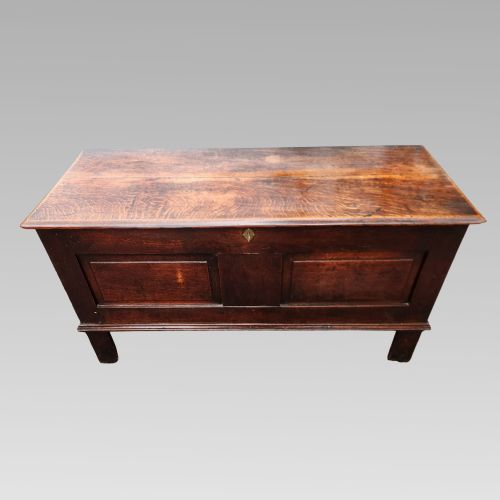
- A heavy wooden chest with a lid, traditionally used for storing valuables or bedding. Early examples often feature hand-carved panels and sturdy stile feet.
- Four poster
- A bed with four vertical columns that support an upper canopy or tester frame. These grand structures are typically built from oak or mahogany.
Brown Wood Bed: Frequently Asked Questions
How do I choose the right size?
Check the internal dimensions of the wooden frame against standard mattress measurements before purchasing. Antique proportions often differ from modern sizing standards.
Account for the exterior posts and headboard height to ensure the piece fits comfortably within your bedroom layout.
Are these beds easy to assemble?
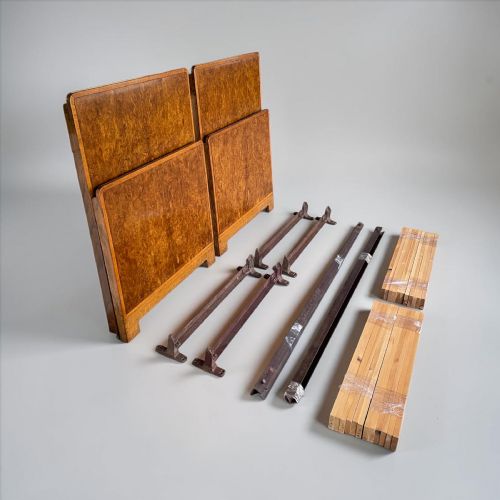
Most antique wooden beds use traditional metal bed bolts or wooden cotter pins to secure the side rails to the head and footboards. This modular construction allows for straightforward transport and assembly.
Take care when tightening historical fixings to avoid splitting older timbers.
How do I care for antique wood?
Maintain the finish by applying a quality beeswax periodically and buffing gently with a soft cloth. Avoid placing wooden furniture near direct heat sources or in strong sunlight.
Keep humidity levels stable to prevent the historic timber from drying out or cracking.
How do I identify the period?
Examine the construction methods, tool marks, and hardware styles used in concealed areas of the frame. Joinery details often reveal whether a piece dates to the Georgian, Victorian, or Edwardian eras.
Compare the timber selection and decorative motifs against documented examples from specific design movements.