



Brown Watercolour Landscape Artwork
Brown watercolour landscape artwork brings together topographical observation and tonal atmosphere, capturing rural scenes and coastal views through delicate pigment on paper.
Brown Watercolour Landscape Artwork
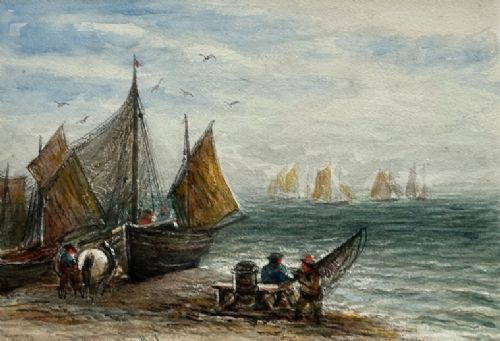
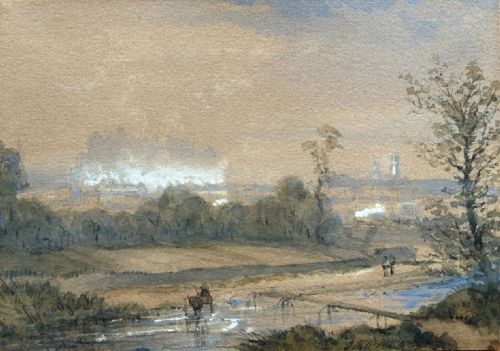
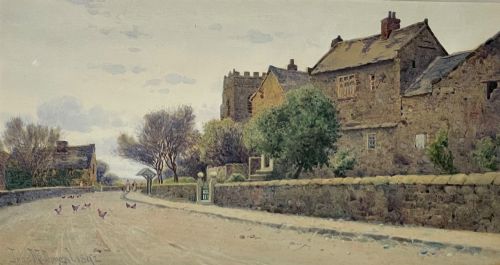
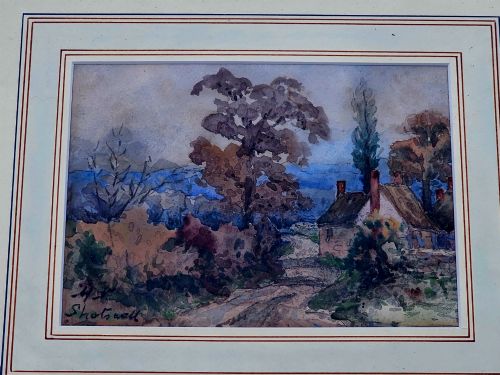
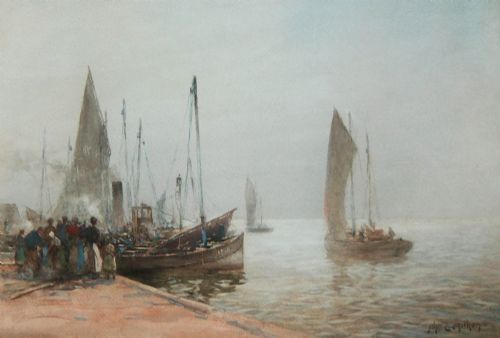
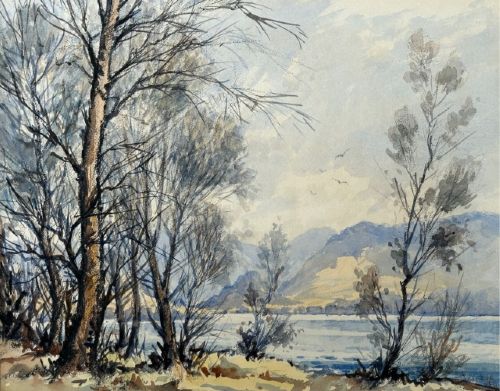
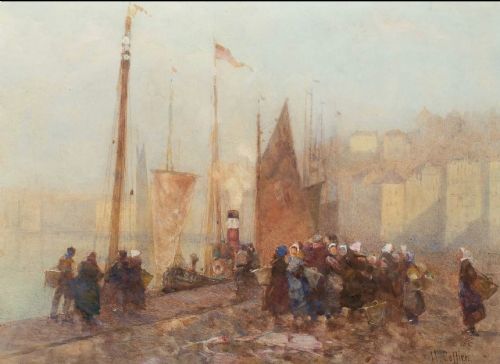
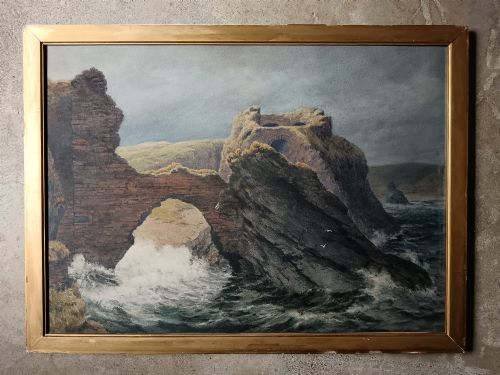
A brown watercolour landscape artwork typically depicts British and European countryside scenes, coastal harbours, and rural villages executed in muted monochromatic or earthy palettes. These paintings range from mid-nineteenth-century Victorian topographical views to early twentieth-century impressionist sketches.
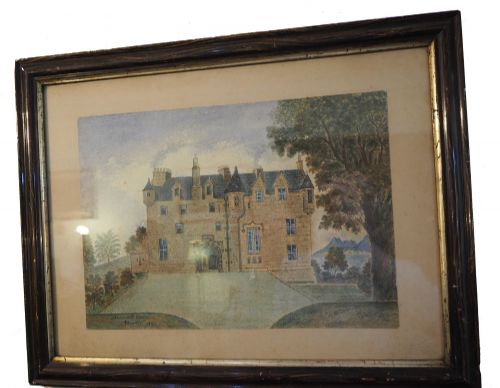
The selections available here emphasise regional topography, such as Yorkshire dales, Scottish castles, and coastal fishing ports. Collectors encounter framed originals dated from the Victorian era through the mid-twentieth century, often bearing signatures from regional British artists.
Materials and execution
Artists applied watercolour pigment onto heavy paper support, sometimes utilising glass and wood framing to preserve the delicate washes from atmospheric moisture. The predominance of brown tones relies on sepia, umber, and burnt sienna pigments layered to create depth and shadow.
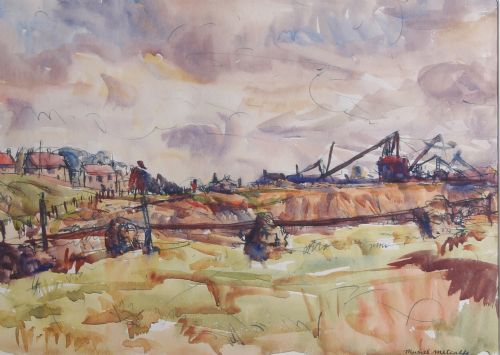
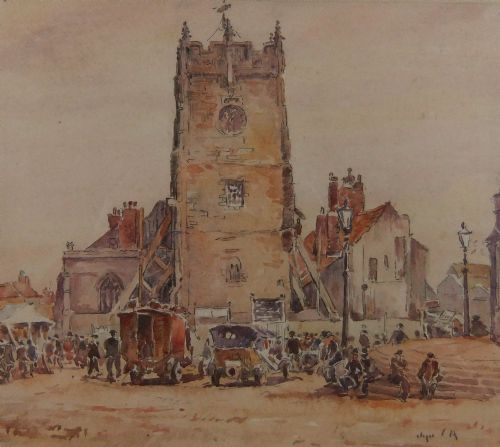
Brushwork varies from tight architectural precision in nineteenth-century townscapes to looser impressionistic washes in later moorland and coastal pieces. Gold leaf occasionally appears in framing, while the paper itself provides the underlying luminosity for lighter highlights.
Listings span from the Victorian period through the mid-twentieth century, predominantly featuring paper, watercolour pigment, and wood frames.
Distinctions in quality
Quality rests upon the artist's handling of tonal graduation and spatial depth within a restricted brown palette. Superior works command attention through confident brush control that defines form and atmosphere without overworking the paper surface.
Condition of the paper and stability of the pigments also separate standard decorative examples from finer collector pieces. Tonal richness depends heavily on the preservation of original pigment intensity beneath the glass.
James Orrock·John R Prentice·John McDougal·Robert Leslie Howey·Muriel Metcalfe·John Smith Atherton·Hector Caffieri·John Moxon·F.J. Snell·Alfred George Morgan·Henry Charles Fox·Robert Little·Fred Lawson·Sir Thomas Newenham Dean·James William Booth·Thomas Bush Hardy·Ernest Pile Bucknall·Tom Clough·John Atkinson·George Arthur Fripp·Harold Lawes·William Joseph Boyes·Walter Follen Bishop·Frederick William Booty·Leslie Rackham
The Brown Watercolour Landscape Artwork Glossary
- Watercolour paint
- A water-soluble medium composed of pigment and binder, applied in translucent washes onto paper.
- Topographical art
- Artwork depicting specific geographical locations, towns, or landmarks with documentary accuracy.
- Impressionism
- A style of painting emphasising light and loose brushstrokes over meticulous linear detail.
- Sepia
- A reddish-brown pigment historically derived from the ink sac of the cuttlefish, frequently used in monochrome wash drawings.
Brown Watercolour Landscape Artwork: Frequently Asked Questions
How should I hang brown watercolour landscape artwork safely?
Keep these paintings away from direct sunlight to prevent the watercolour pigments and paper support from fading over time. Display them on interior walls where room temperature and humidity remain relatively stable.
Ensure the framing uses conservation-grade materials that prevent the paper from touching the glass directly. This protects the delicate washes and maintains the structural integrity of the piece.
What subjects appear most often in these landscape paintings?
Common subjects include rural farmyards, Yorkshire moors, Scottish castles, and coastal fishing ports rendered in earthy tones. Many pieces record specific British villages and landmarks as they appeared during the nineteenth and early twentieth centuries.
Artists frequently captured changing weather conditions, such as morning mists, snow scenes, and twilight over harbours. This focus on topography provides a valuable visual record of historical landscapes.
How do I identify the period of an antique watercolour?
Examine the framing, paper watermark, and artist signatures if present, as these often point to specific nineteenth or early twentieth-century decades. Victorian pieces frequently feature tighter, more detailed penwork alongside sepia or subdued brown washes.
Later works from the Edwardian and mid-century periods tend toward looser impressionistic brush techniques. Comparing the style to dated works by known regional artists helps narrow down the decade of creation.
Why are many of these watercolours painted in monochrome brown?
Monochrome brown palettes, often utilising sepia or bistre, allowed artists to focus entirely on tonal values, light, and shadow. This technique was widely taught in British art academies during the nineteenth century for sketching topographical views.
Working in a single tonal range also enabled painters to capture atmospheric effects quickly during outdoor field studies. These studies served as finished works or as preliminary records for larger oil paintings.