


Brown Washstand
A brown washstand brings practical period timber and marble into a modern bedroom, offering traditional utility through handsome pedestals and cabinets.
Brown Washstand
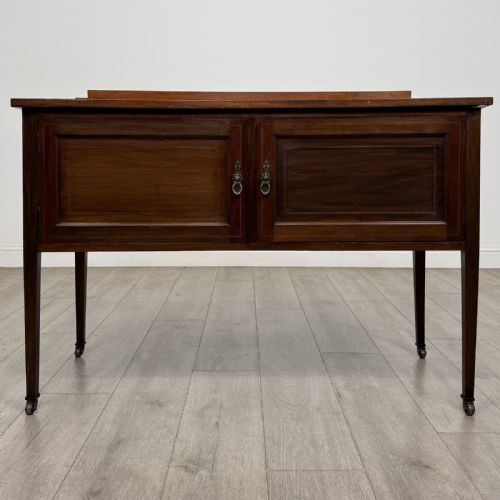
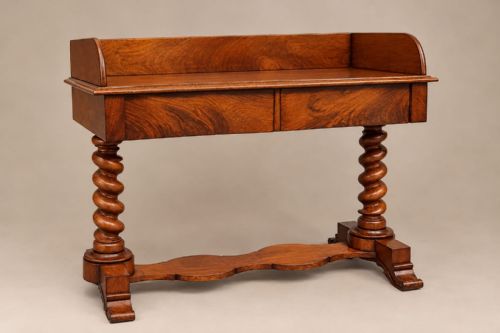
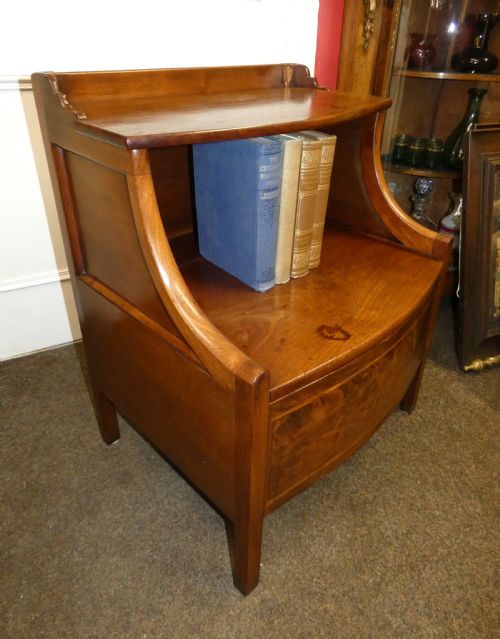
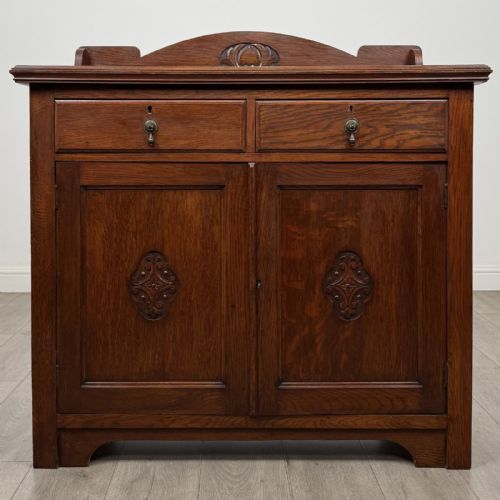
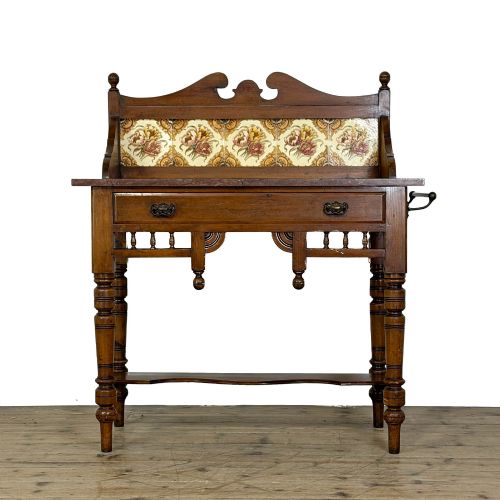
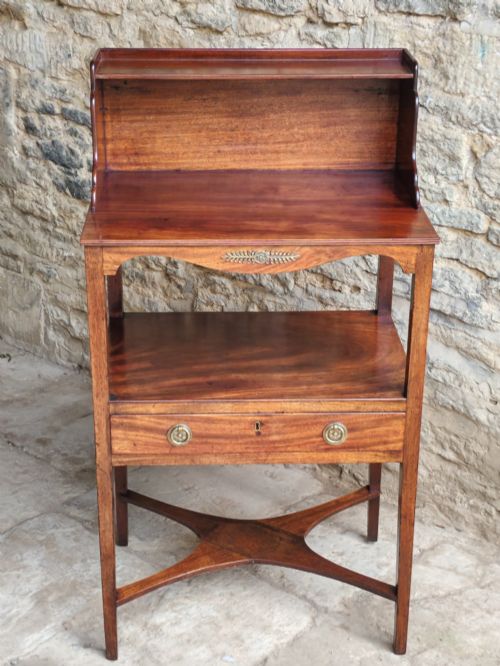
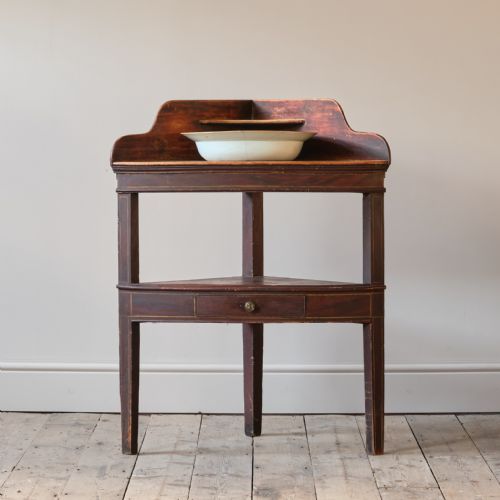
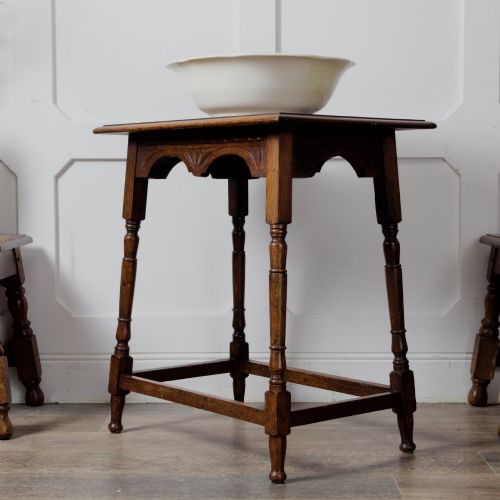
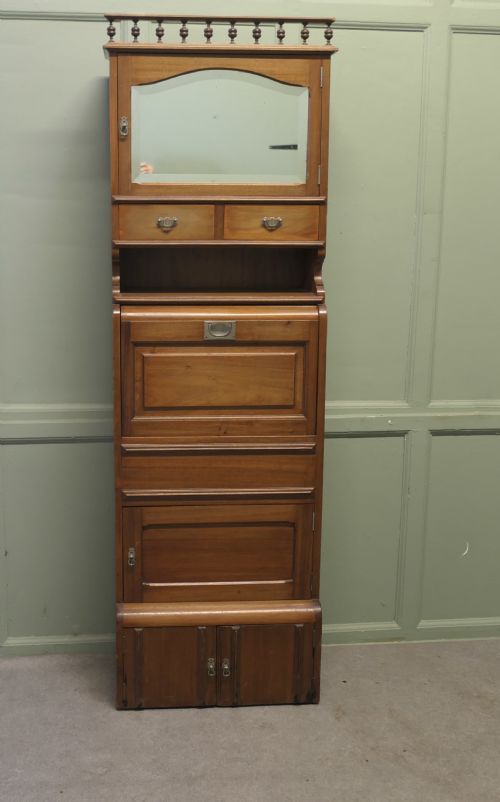
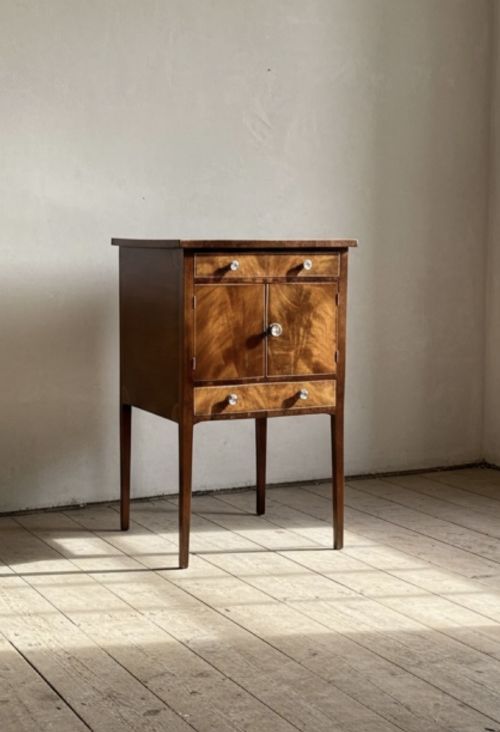
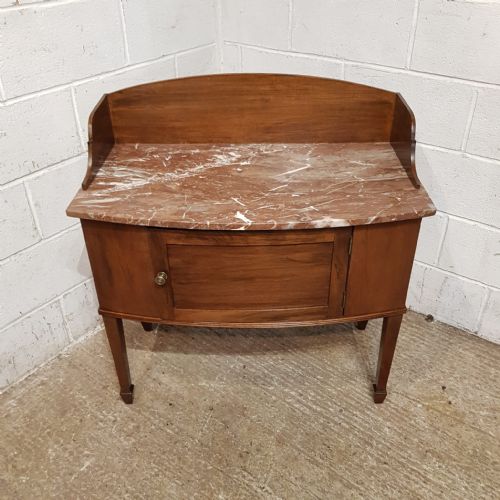
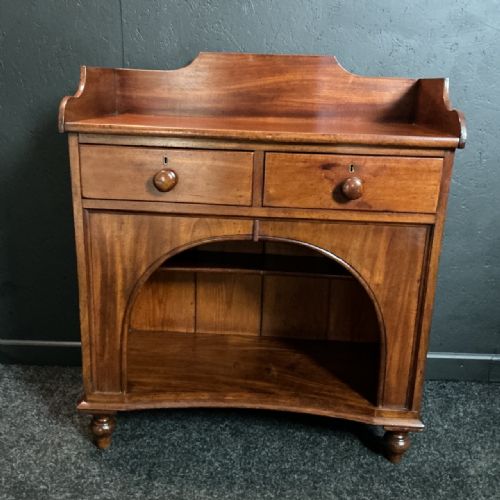
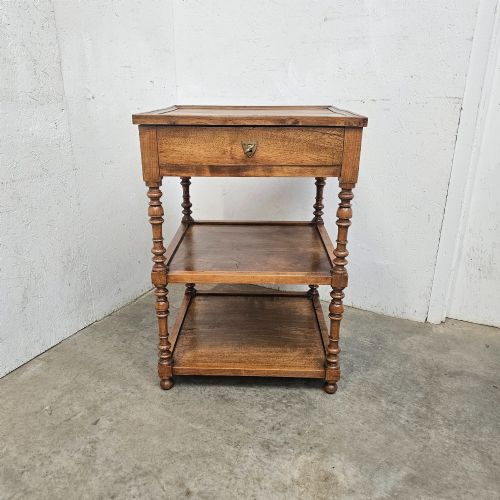
A brown washstand is a functional piece of period furniture designed to hold basins, ewers, and ablution gear before indoor plumbing reached the bedroom. When searching for a brown washstand, buyers encounter diverse forms ranging from corner stands and side tables to dedicated marble-topped cabinets and gentleman's dressing tables.
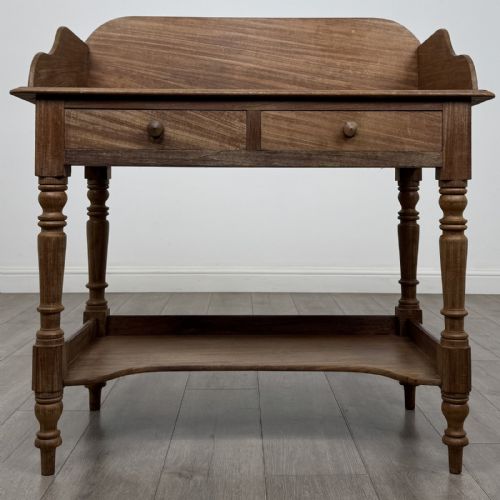
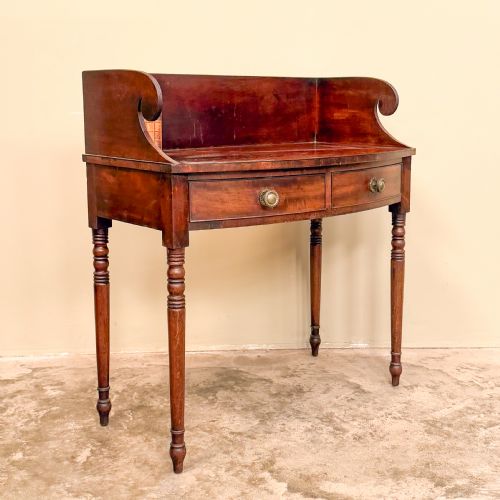
The pieces appearing on this page span the Georgian, Regency, Victorian, and Edwardian eras, predominantly fashioned from rich timbers like mahogany, walnut, and pine. Many examples incorporate raised galleries to protect walls from splashing, while others feature integrated cupboards or lower shelves for storage.
Originating across English country houses, townhouses, and even marine settings such as yachts, these items reflect the domestic habits of the nineteenth and early twentieth centuries. Surviving specimens bridge the gap between utilitarian wash furniture and decorative side tables suitable for contemporary interiors.
Materials and Construction
Cabinetmakers relied heavily on mahogany, oak, walnut, and pine to build the sturdy carcasses required to support heavy stone or earthenware. Solid timbers often received turned legs, dovetailed drawer construction, and sometimes painted or scumbled grain finishes to mimic costlier materials.
Marble tops appeared frequently on Victorian and Edwardian iterations to provide a water-resistant surface for washing, occasionally paired with brass hardware and glass accessories. Corner stands and campaign pieces utilised clever folding brackets and compact dimensions to maximise space in restricted cabins or smaller rooms.
Brown Washstand Retail Price Guide 2026
Typical asking prices for brown washstand among the pieces listed under this phrase on Sellingantiques today, from the lower quarter to the upper quarter. They describe what is for sale here now, not the wider market.
Listings feature woods such as mahogany, walnut, oak, satinwood, and pine alongside marble and brass elements.
Evaluating Quality and Craftsmanship
Quality in these pieces rests upon the selection of timber, the crispness of cabinet joinery, and the integrity of original surfaces like paint or polish. Superior examples display finely figured mahogany grains, well-fitted marble slabs free of major flaws, and robust structural joinery that withstands daily use.
James Shoolbred
The Brown Washstand Glossary
- Gallery
- A raised wooden border running along the back and sides of a washstand top designed to prevent water splashing against wallpaper or plaster.
- Campaign
- Describing portable furniture made for travel, often featuring brass corners, folding frames, and compact compartments.
- Scumble
- A decorative painting technique involving a translucent layer applied over a base coat to simulate wood grain or natural stone.
- Commode
- A enclosed cabinet piece of furniture, in this context frequently housing a chamber pot or washing equipment behind doors.
- Etagere
- An open piece of furniture with multiple tiers or shelves for displaying small items or toiletries.
Brown Washstand: Frequently Asked Questions
What is a brown washstand?
A brown washstand is a piece of antique wooden furniture originally built to hold washing basins and bedroom utensils.
Today, buyers repurpose these versatile stands as bedside tables, sideboards, or decorative hallway surfaces.
How were washstands used originally?
Before modern plumbing, these stands held a ceramic basin, water jug, and soap dish for morning and evening washing.
Cabinets and drawers underneath stored towels, chamber pots, and personal grooming accessories out of sight.
How do I care for a marble top?
Marble surfaces require gentle cleaning with mild, non-acidic soap and water to preserve the polished stone finish.
Avoid placing acidic liquids like vinegar or citrus directly on the marble to prevent permanent etching of the surface.
Can I use an antique washstand today?
These pieces integrate easily into modern bedrooms or bathrooms as vanity units, plant stands, or distinctive accent tables.
Their compact footprints and built-in storage make them exceptionally practical for organising smaller contemporary spaces.
How do I date a washstand?
Dating relies on examining construction methods, timber choices, hardware styles, and overall design characteristics from Georgian through Edwardian periods.
For instance, heavy marble tops and turned walnut legs typically point toward late Victorian or Edwardian workshop production.