
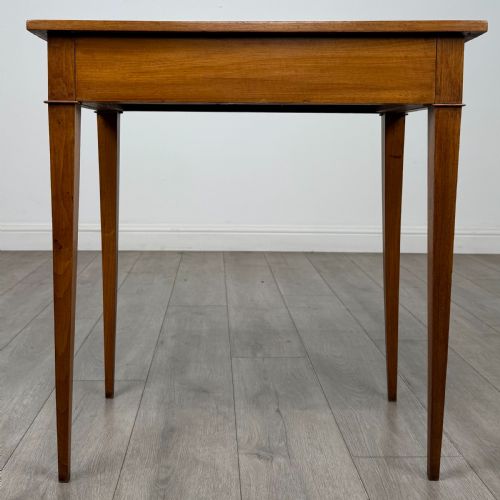
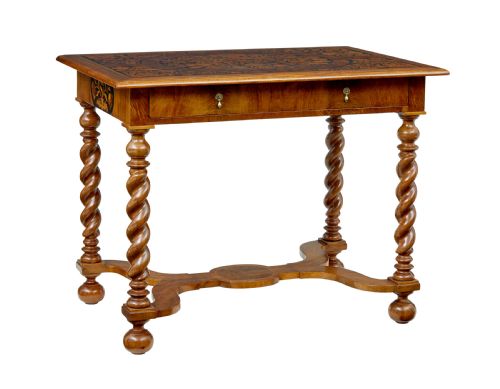
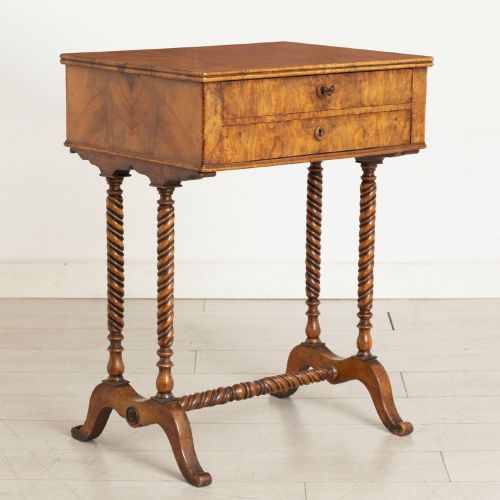
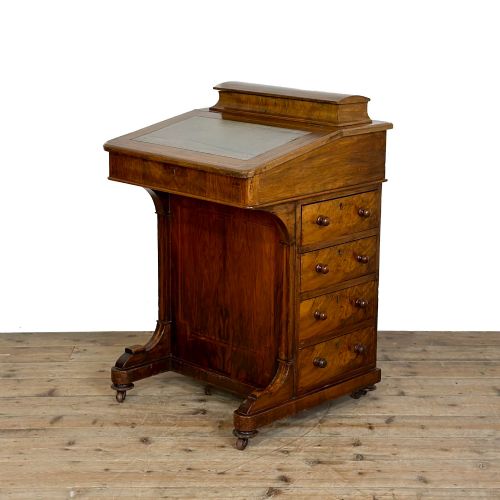
Brown Walnut Side Desk
A brown walnut side desk brings tactile warmth and practical surface space to a room, combining rich timber grain with traditional writing utility.
Brown Walnut Side Desk
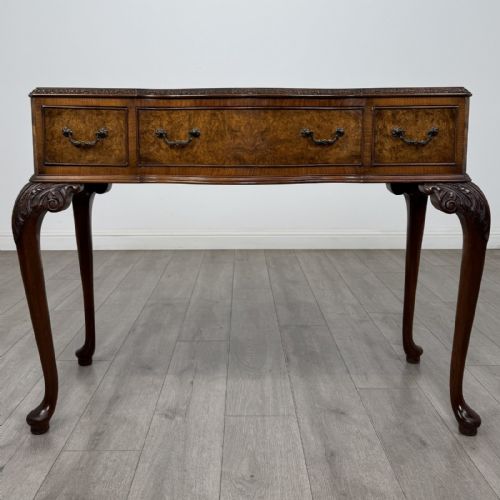
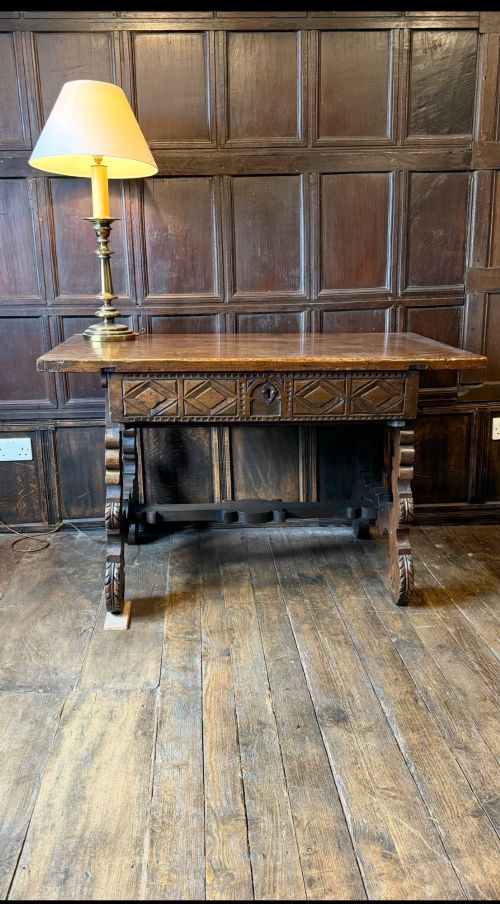
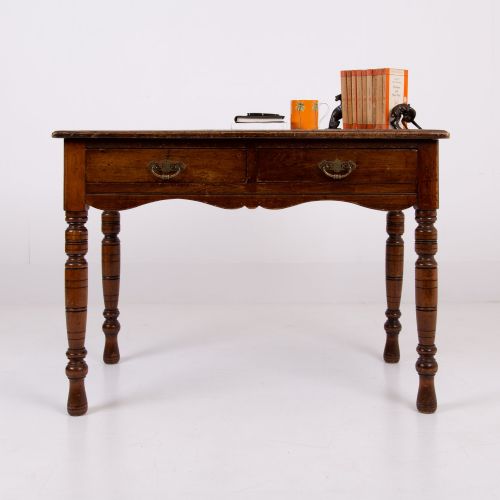
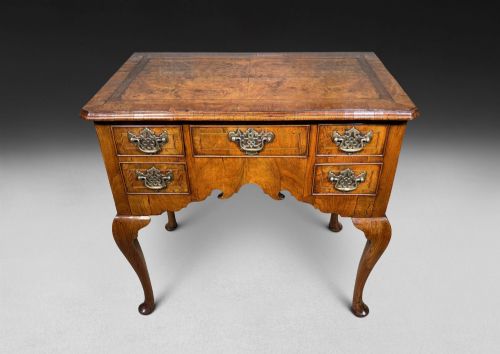
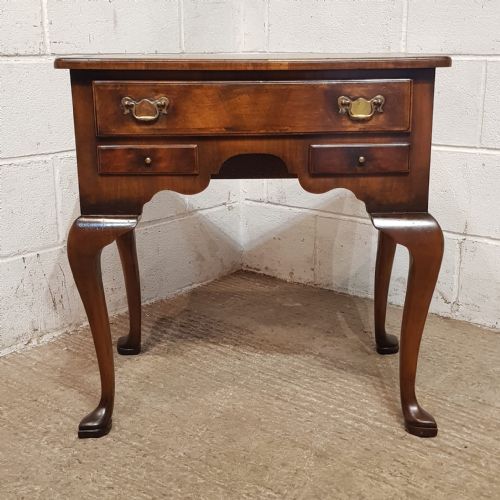
A brown walnut side desk serves as a compact workspace or writing surface, often taking the form of a lowboy, writing table, or console. These items bridge the gap between ornamental furniture and functional tables, designed to fit neatly against a wall or float within a room.
The selection ranges from early eighteenth-century Georgian examples to later revivals from the nineteenth and twentieth centuries. Buyers frequently encounter lowboys featuring multiple drawers alongside writing tables fitted with leather inserts or decorative marquetry.
Origin points span English workshops as well as continental makers, incorporating styles from Queen Anne and George II periods through to Edwardian and Art Deco revivals. The common thread is the use of walnut timber, chosen for its deep colour and pronounced grain pattern.
How they were made
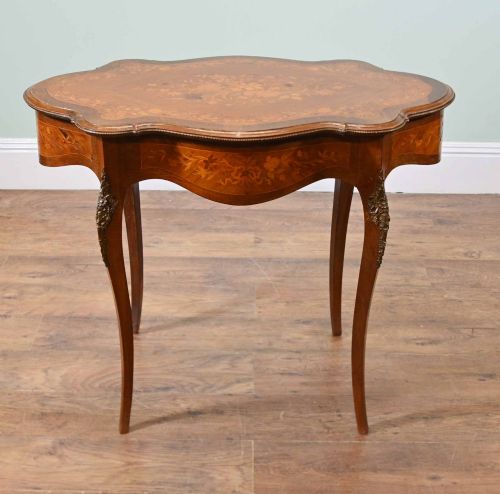
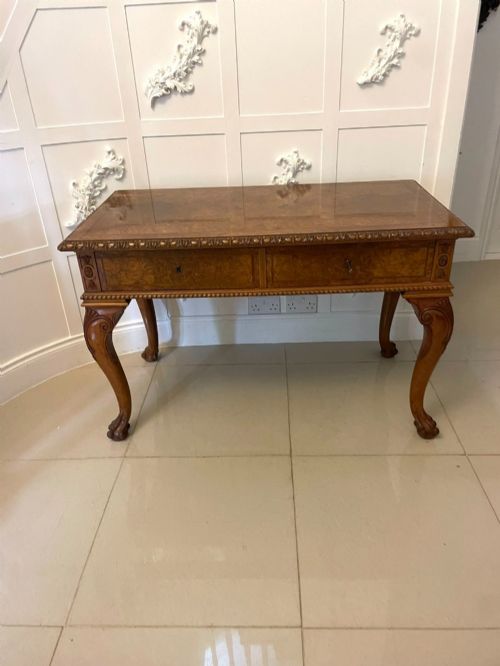
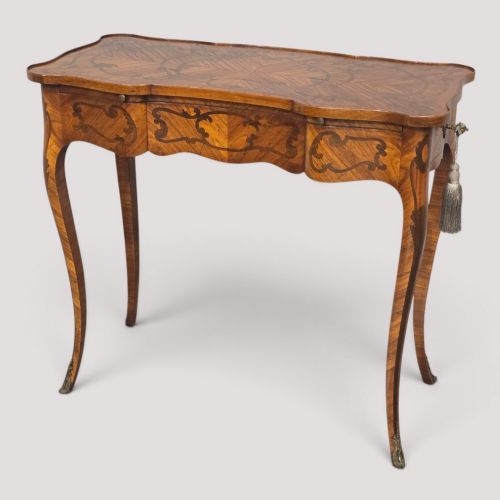
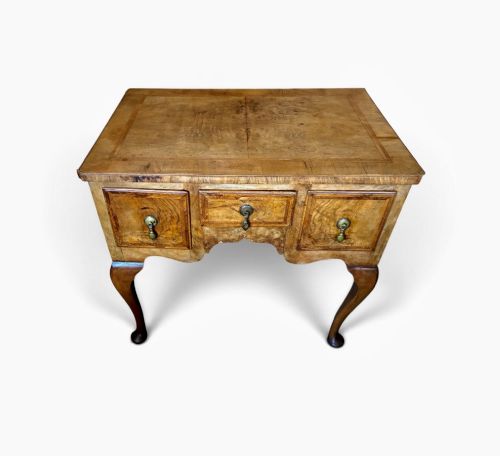
Cabinet makers utilised solid walnut and figured burr walnut veneers applied to secondary woods, creating rich surface patterns across tabletops and drawer fronts. Marquetry inlay, brass hardware, and fruitwood details frequently complement the primary timber.
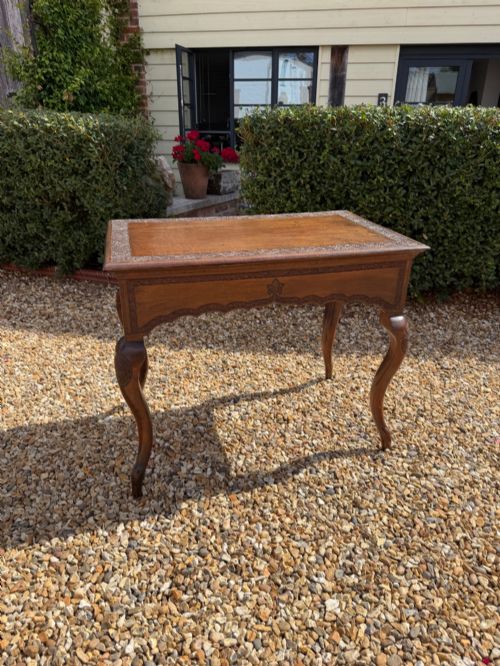
Surfaces often incorporate inset leather writing panels or textile elements, while structural framing relies on traditional joinery methods suited to each period, from eighteenth-century dovetailing to later twentieth-century construction techniques.
Some nineteenth-century tables cleverly conceal their writing functions behind metamorphic mechanisms that transform side furniture into desks.
What varies in quality
The choice of timber grain dictates much of the visual appeal, with figured burr walnut displaying complex, swirling patterns that elevate the piece above plain timber surfaces. Expert application of marquetry and finely detailed carving around drawer fronts or legs also mark out superior examples.
Proportion and structural integrity separate standard utility pieces from exceptional items. Well-balanced forms with original brass handles, intact timber patination, and carefully executed joinery demonstrate the maker's skill and the preservation of the item over time.
Edwards and Roberts
The Brown Walnut Side Desk Glossary
- Lowboy
- A small dressing table or side table featuring a low waist and multiple drawers, typically supported on slender legs. These pieces date predominantly from the eighteenth century.
- Burr walnut
- A specialised wood veneer taken from the growth burls of the walnut tree, prized for its swirling, highly decorative grain pattern.
- Marquetry
- The art of applying decorative pieces of veneer to a structure to form intricate pictorial designs, often featuring floral or geometric motifs.
- Demilune
- A half-moon shape used for console and side tables designed to sit flush against a wall.
- Dovetail
- A traditional interlocking woodworking joint used in drawer construction to provide robust and durable corners without metal fasteners.
Brown Walnut Side Desk: Frequently Asked Questions
What is the difference between a lowboy and a writing desk?
A lowboy is a small table with drawers typically used as a dressing or side table, whereas a writing desk provides dedicated kneehole space or a flat surface specifically intended for correspondence and paperwork.
While both utilise walnut and share similar eighteenth and nineteenth-century origins, their proportions and internal drawer configurations reflect different domestic functions.
How do I care for a walnut surface?
Protect antique walnut by keeping it away from direct sunlight and maintaining stable room humidity to prevent timber splitting or veneer lifting. Regular dusting with a soft, dry cloth preserves the natural wax finish.
Avoid silicone-based polishes, which can build up on the grain and dull the historical patination of the wood over time.
Where should I place a side desk in my home?
These compact tables fit well in hallways, living rooms, or bedrooms where floor space is limited yet a functional surface is required. Their finished backs often allow them to stand freely or sit flat against a wall.
They provide a convenient spot for lamps, books, or occasional writing tasks without dominating the room's layout.
How can I tell an eighteenth-century piece from a later revival?
Early pieces display hand-cut joinery, timber shrinkage consistent with age, and distinct patination acquired through centuries of use. Revival items from the Edwardian or later periods often exhibit machine-made uniformity in their internal construction.
Examining the secondary woods and the style of the hardware helps confirm the manufacturing era.