



Brown Walnut Panel
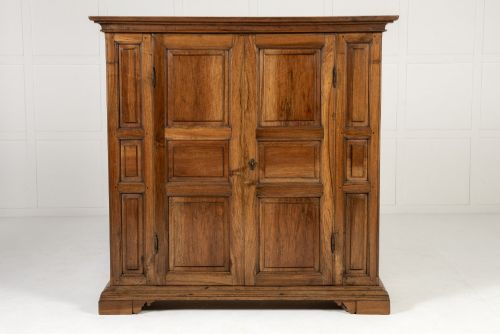
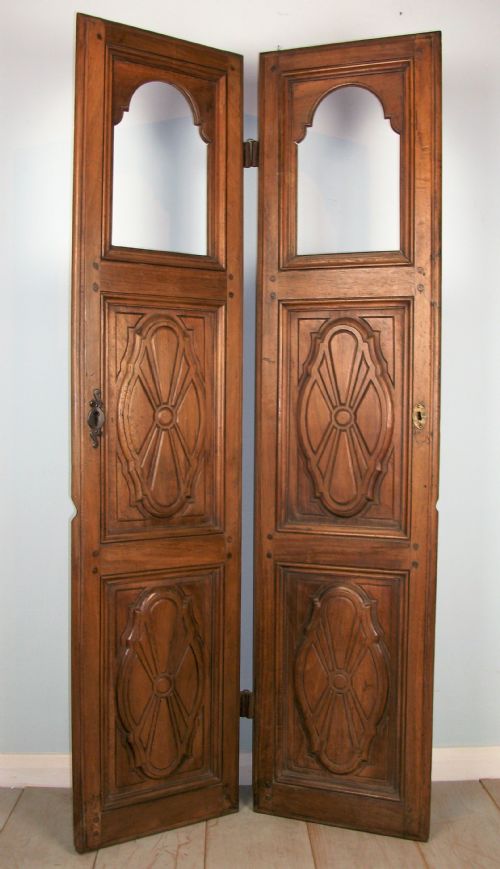
A brown walnut panel brings deep grain and rich colour to an interior, whether worked into furniture, doors or decorative screens.
Brown Walnut Panel
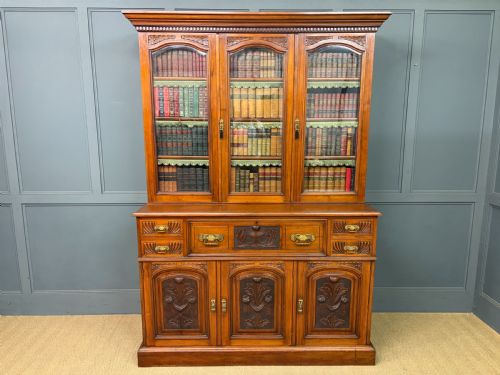
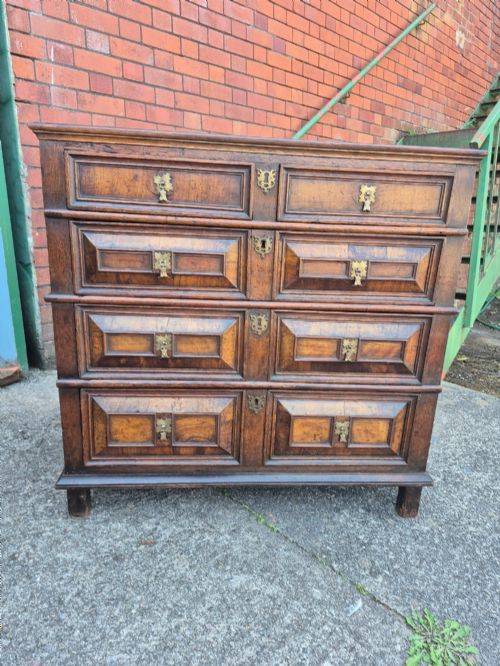
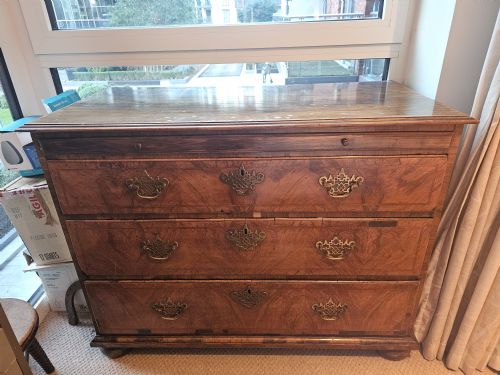
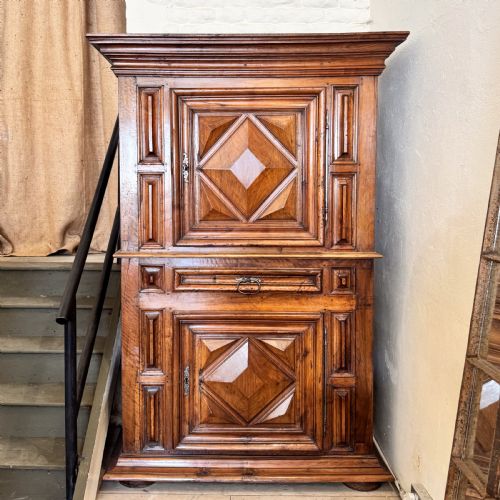
When you search for a brown walnut panel, you are looking at timber surfaces integrated into antique furniture, folding screens, doors and architectural elements. These pieces range from the figured grain of Victorian wardrobes and bedside cabinets to the geometric fronts of seventeenth-century chests of drawers and eighteenth-century Italian desks.
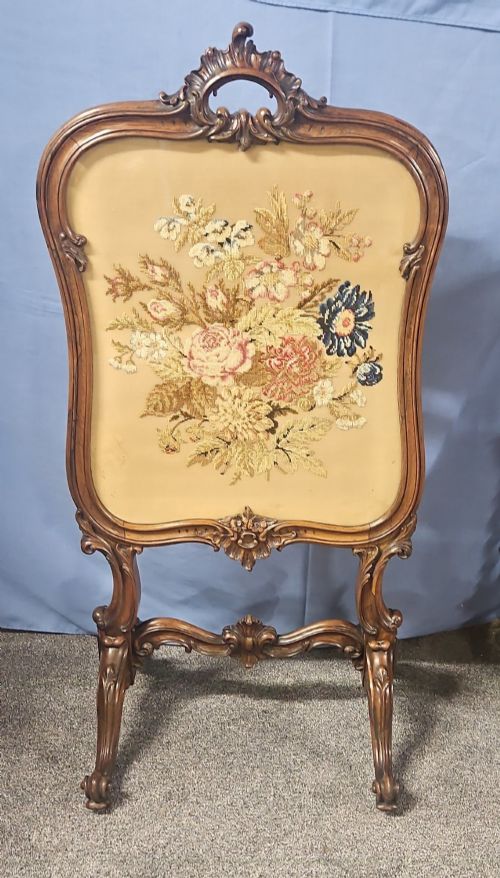
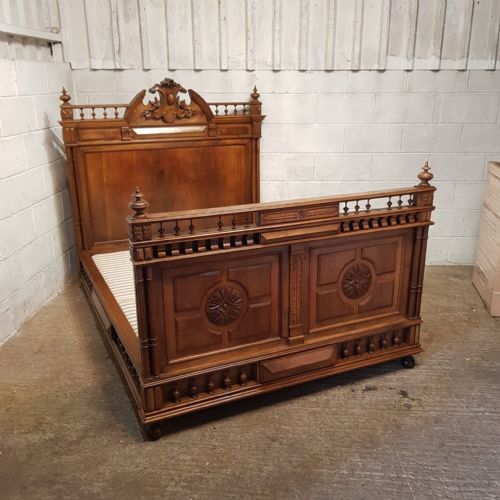
You are most likely to meet French and Italian examples from the nineteenth and early twentieth centuries, alongside English pieces spanning from the seventeenth century to the Edwardian period. The forms vary from fire screens with woolwork panels to carved wall panels and panelled bed frames.
The timber itself defines the appearance, moving from straight-grained walnut to highly figured burr walnut and combinations with oak or brass. Each piece shows how makers incorporated natural wood figures into functional items and decorative partitions.
Distinguishing quality in walnut panels
The depth and uniformity of the timber's grain and colour dictate the visual weight of a piece, with high-quality examples displaying harmonious matching across multiple panel sections. Exceptional pieces exhibit carefully selected burr or figured veneers that mirror one another symmetrically.
The crispness of the hand-carving and the integrity of the original joinery separate superior items from more utilitarian work. Finer examples maintain original surface patination and honest construction without concealing heavy structural repairs.
A Black Forest carved horse relief panel depicts a German hunting scene from 1880.
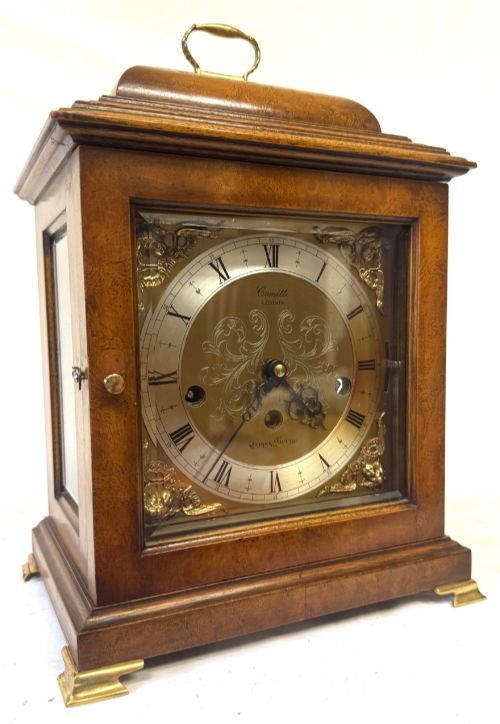
Comitti Of London·Gregory & Co. of London·Heals
The Brown Walnut Panel Glossary
- Burr walnut
- A prized veneer taken from the wart-like growths on walnut trees, yielding complex, swirling grain patterns. It was frequently utilised on the primary surfaces of nineteenth-century cabinets and chests.
- Panel and frame
- A method of construction where a central flat or raised board fits loosely within a grooved surrounding framework. This technique prevents the wood from splitting as it responds to environmental changes.
- Compactum
- A large fitted wardrobe combining hanging space, drawers and shelving within a single multi-door cabinet. These pieces often feature fielded walnut panels and mirrored doors.
- Needlework
- Hand-stitched embroidery executed in wool or silk, often mounted within wooden fire screens or wall hangings. It introduces textile texture alongside carved walnut framing.
- Geometric
- A decorative style characterised by repeating angular patterns formed of applied mouldings. It is particularly associated with seventeenth-century walnut and oak drawer fronts.
Brown Walnut Panel: Frequently Asked Questions
How do I care for antique walnut panels?
Keep wooden panels away from direct heat sources and strong sunlight to prevent the timber from drying out and splitting. Apply a suitable wax polish occasionally to nourish the surface and maintain the natural lustre of the grain.
Avoid using modern liquid cleaning sprays, which can strip the aged patination from the wood. A soft, dry cloth is sufficient for regular dusting of both carved and flat surfaces.
How were folding walnut screens used historically?
Folding screens served to partition large rooms, creating private spaces or blocking drafts from doors and windows in high-ceilinged interiors. They often incorporated fabric panels, painted leather or glazed sections alongside carved wooden frames.
In domestic settings, smaller screens functioned near fireplaces to protect occupants from excessive radiant heat. Their multi-fold design allowed them to be easily repositioned or stored when not in use.
Can I date a walnut panel by its grain and colour?
Age is best determined by a combination of construction techniques, hardware and tool marks rather than the timber alone. Earlier centuries often show hand-sawn timber marks and pegged joinery behind the panels.
Colour deepens naturally over centuries through exposure to light and air, developing a warm patination. However, variations in finishing styles across the seventeenth, eighteenth and nineteenth centuries mean grain must be assessed alongside overall design.