
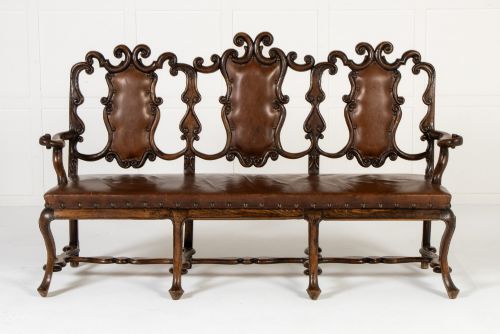


Brown Walnut Hall Bench
A brown walnut hall bench anchors an entrance hall with rich timber grain and period presence, offering a practical seat for daily use.
Brown Walnut Hall Bench
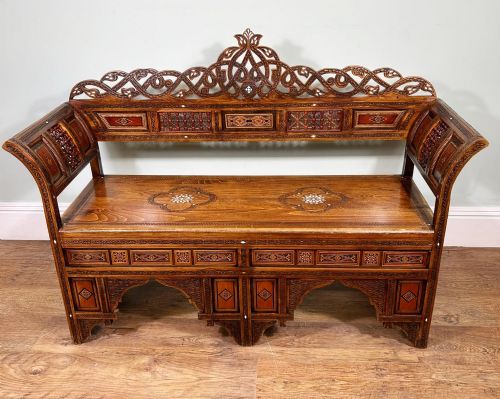
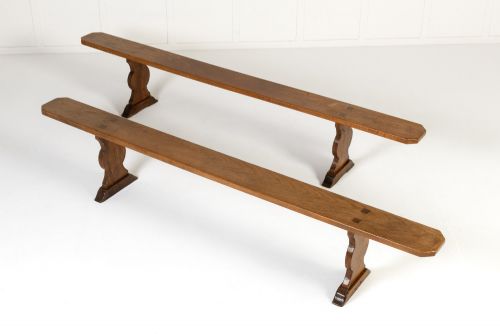
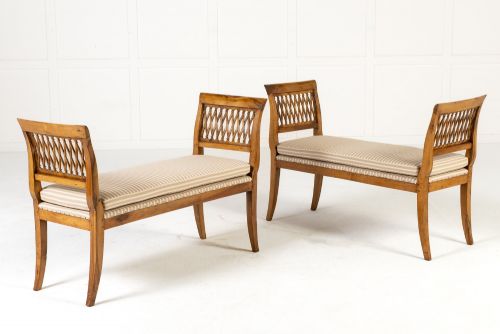
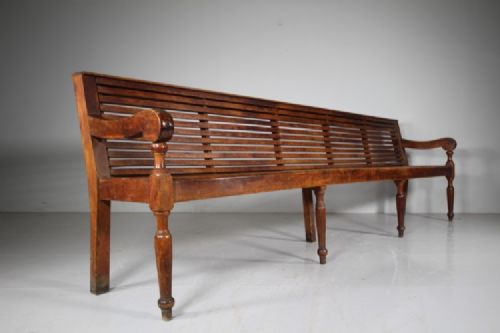
A brown walnut hall bench serves as a grand and practical entrance seating option, drawn from periods including the eighteenth and nineteenth centuries. These pieces appear in forms such as settle benches, high-backed hall seats, and window seats, often exhibiting regional European designs.
The selection on this page centres on walnut furniture, spanning Victorian creations to continental revival styles. Buyers encounter both robust regional settles and finely carved Italian or French seating designed for transitional spaces.
Makers and workshops across Europe shaped these heavy timber forms, incorporating leather and textile elements into structural wooden frames. Each surviving example reflects the specific domestic requirements of historic hallways and waiting rooms.
How they were made
Cabinet makers utilised dense walnut and supporting hardwoods such as oak and fruitwood to construct these substantial frames. Hand carving defines the ornamentation, with deep relief work shaping crests, panels, and arm supports.
Joinery methods rely on traditional pegged and mortise-and-tenon construction to bear the weight of heavy timber seats. Secondary materials like leather, brass, and woven textiles appear on upholstered surfaces and decorative fixings.
Continental European influences dominate the selection, including Italian Renaissance revival pieces and French nineteenth-century window seats.
What varies in quality
The depth and execution of the hand carving separate standard production pieces from masterworks by known carvers. Crisp relief work and balanced proportions indicate superior workshop standards.
The choice of timber grain and the integrity of the structural walnut dictate the overall presence of the bench. Pieces retaining original leather, textile upholstery, and brass elements hold greater historical consistency.
Hampton & Son's
The Brown Walnut Hall Bench Glossary
- Settle bench
- A high-backed wooden seat designed to block draughts in an entrance hall. It typically incorporates a box base or solid panel construction.
- Window seat
- A long, narrow form of seating designed to fit within a window embrasure. These pieces share similar decorative carving with larger hall benches.
- Renaissance Revival
- A nineteenth-century architectural and furniture style drawing inspiration from fifteenth and sixteenth-century design. This aesthetic manifests in heavy walnut frames and ornate classical motifs.
- Fruitwood
- A dense secondary timber used alongside walnut in historical cabinet making. It offers a smooth surface for detailed turning and minor structural elements.
Brown Walnut Hall Bench: Frequently Asked Questions
Where did these benches sit?
These pieces traditionally occupied entrance halls, corridors, and waiting rooms of large houses. They provided a sturdy seat for visitors waiting to be received.
Their heavy timber construction resisted the wear of heavy traffic near main doorways while offering a deliberate decorative statement.
How do I care for walnut?
Walnut timber benefits from stable indoor humidity away from direct heat sources and strong sunlight. Regular dusting preserves the natural grain and finish of the wood.
Avoid excessive moisture on both the timber and any integrated leather or textile elements during routine cleaning.
How do I spot revival styles?
Revival pieces display nineteenth-century interpretations of earlier Renaissance, Baroque, or Gothic motifs. Master carvers exaggerated classical forms to suit Victorian tastes for dramatic historical interiors.
Examining the internal construction and tool marks helps distinguish these revival pieces from genuine earlier periods.