


Brown Walnut End Table
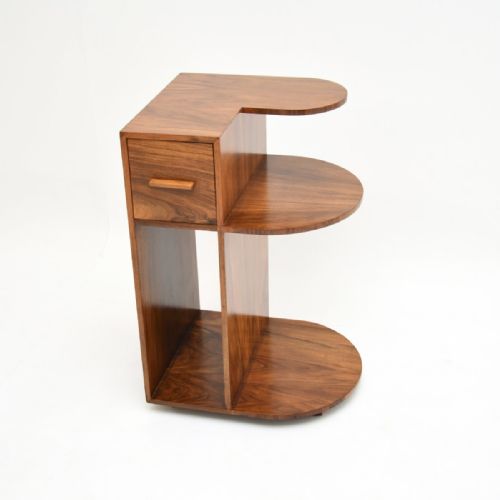
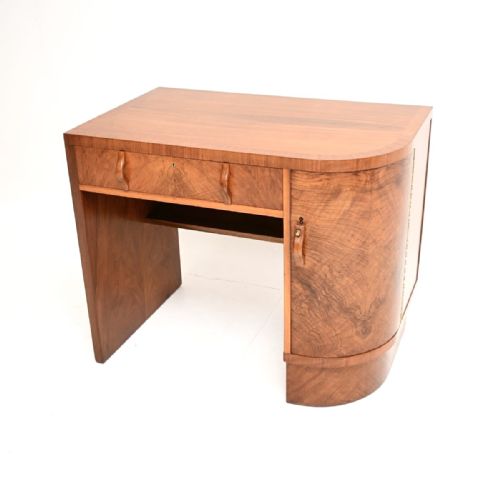
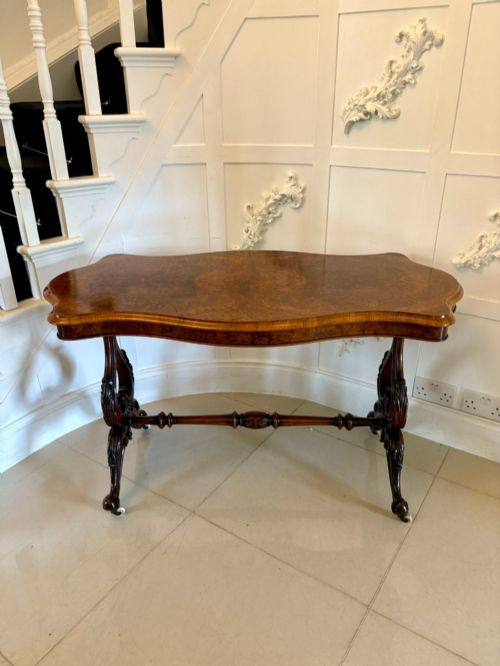
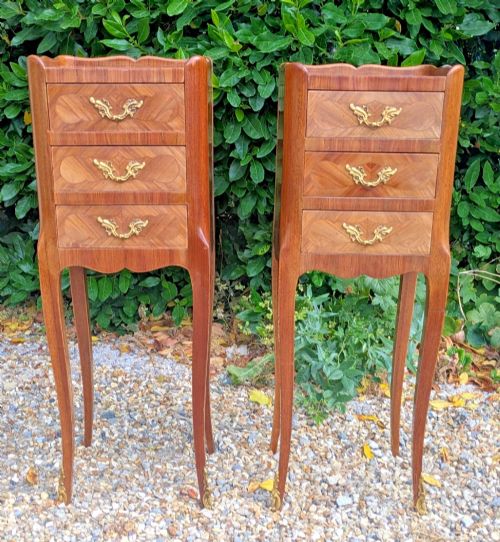
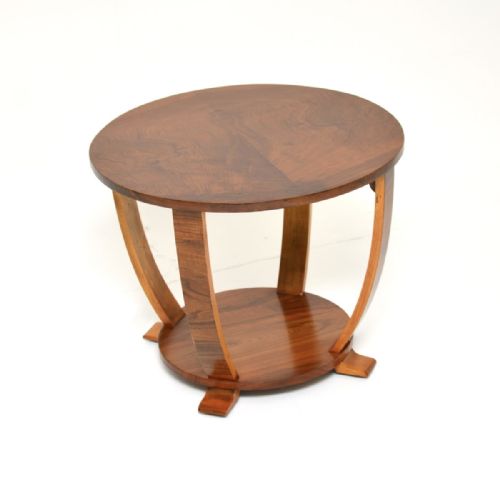
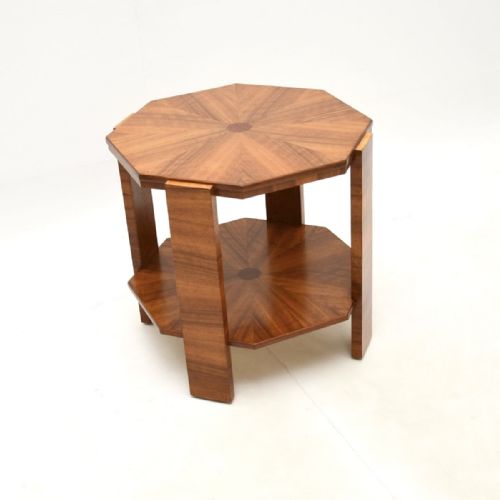
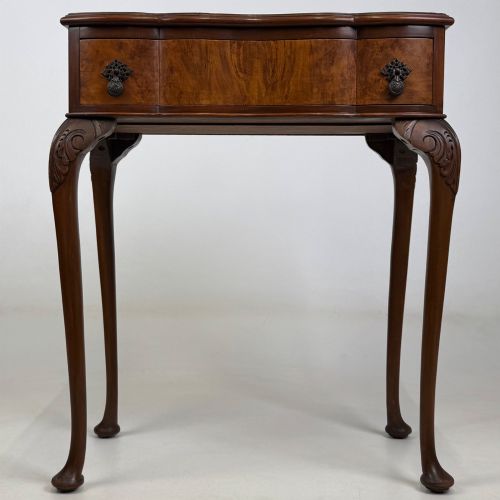
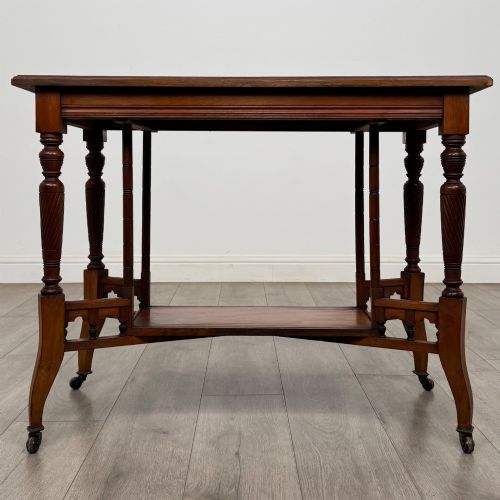
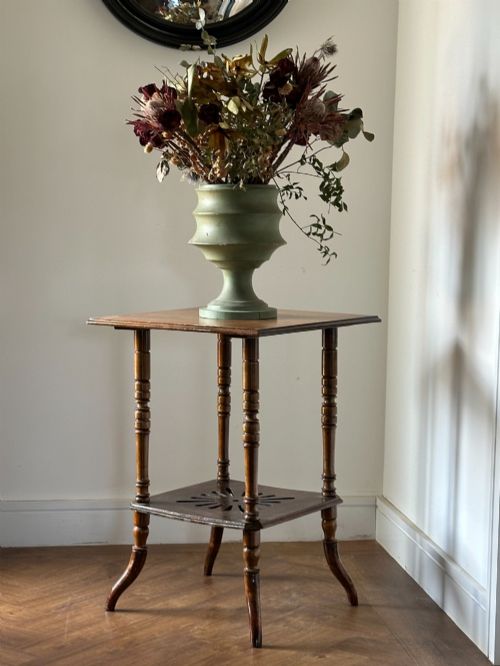
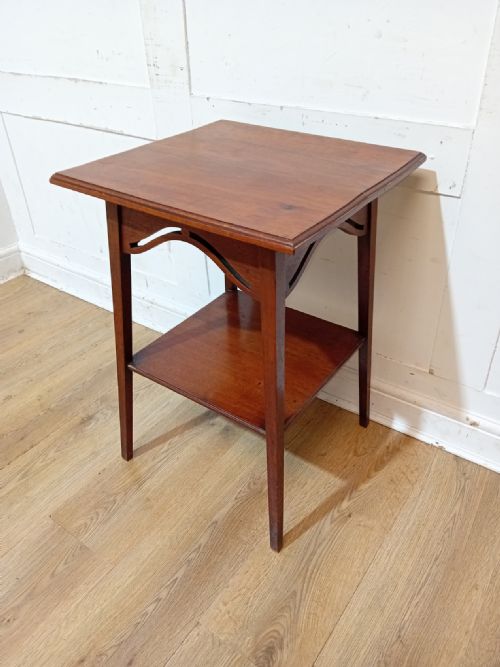
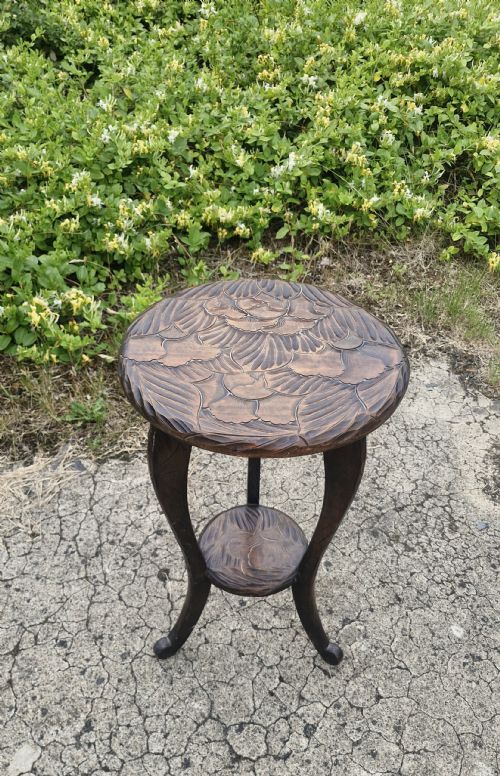
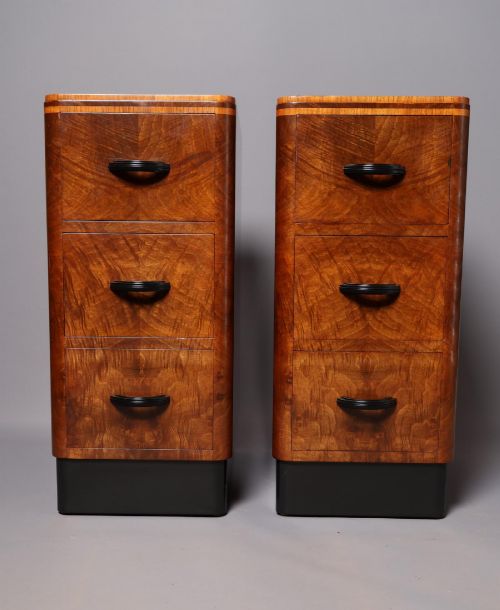
These brown walnut end table pieces bring rich timber tones and compact utility to a room, spanning periods from the nineteenth century into Art Deco designs.
Brown Walnut End Table
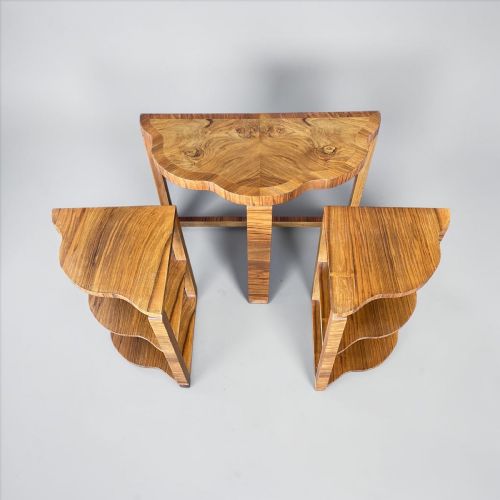
A brown walnut end table search brings up small tables, occasional pieces, bedside cabinets, and nests designed for compact spaces. The listings present side tables and lamp tables as the most common forms you will encounter here.
Makers shaped these brown walnut end table examples across eras running from the Victorian period through Edwardian workshops and into Art Deco production. French provincial styles and Queen Anne revivals also appear among the diverse regional origins recorded in the inventory.
Materials and Technique
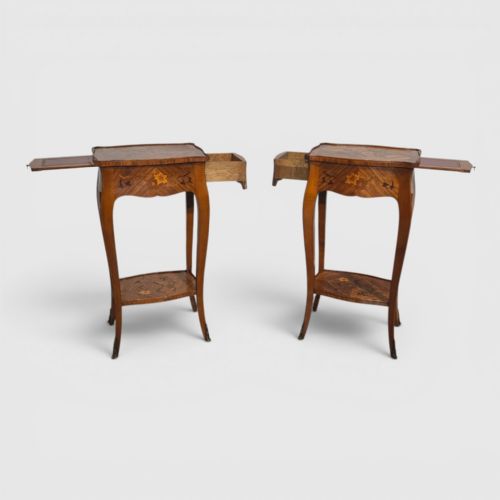
Cabinet makers utilised solid walnut, burr walnut, and walnut veneer over secondary timbers like oak, applying figured grains and quartered tops to create visual depth. Marquetry, parquetry, and floral inlay adorn select surfaces, alongside painted decoration and mother-of-pearl details.
Brass fittings, ceramic elements, and fruitwood accents appear across the pieces to complement the primary wood. Joinery techniques range from gate-leg constructions to drop-flap mechanisms and multi-tier framing.
Quality and Construction
The choice of timber creates the primary distinction in these pieces, where figured burr walnut veneers and matched quartered tops demand superior cabinet-making skill compared to plain grain surfaces. Fine marquetry work and delicate inlay require precise hand execution that separates standard items from exceptional examples.
Proportion and structural restraint define the upper tier of production, particularly in diminutive French bedside cabinets and Art Deco forms. The integrity of the veneer work and the crispness of carved or turned supports dictate the lasting merit of each piece.
Gilbert Rohde·Maurice Adams·Liberty of London
The Brown Walnut End Table Glossary
- Burr walnut
- A prized timber harvested from tree growths, yielding intricate, swirling grain patterns that catch the light. Cabinet makers applied it as a veneer to prominent surfaces.
- Quartered top
- A method of arranging four veneer slices cut sequentially from a log to create a symmetrical, mirrored grain pattern across a table surface.
- Quartetto
- A matching set of four nested tables designed to slide neatly beneath one another. They gained popularity during the Edwardian period for entertaining.
- Marquetry
- The art of applying small pieces of veneer to a structure to form decorative patterns or pictures. Craftsmen used various tinted woods for contrast.
Brown Walnut End Table: Frequently Asked Questions
What periods do these walnut tables come from?
The pieces span multiple eras, starting from nineteenth-century Victorian and Georgian examples through Edwardian designs up to Art Deco productions from the nineteen-thirties.
Makers across France, Britain, and other regions contributed styles ranging from Queen Anne revivals to Arts and Crafts interpretations.
How are bedside cabinets used in this collection?
Bedside cabinets serve as compact storage beside a bed, often featuring doors or open tiers to hold small personal items.
French provincial and inlaid veneer variants provide enclosed cupboard space alongside surfaces for lamps and books.
What is a nest of tables?
A nest consists of several graduating tables designed to stack together in the footprint of a single piece.
They offer flexible surface space for drinks or books that can be deployed into a room when needed.
How do I identify burr walnut timber?
Burr walnut displays dense, swirling grain clusters formed by tree burls rather than straight annual growth rings.
Craftsmen sliced this wood into thin veneers to cover tabletops and cabinet fronts for decorative effect.