




Brown Walnut Book Cabinet
A brown walnut book cabinet brings warmth and orderly storage to a room, uniting rich grain with practical shelving.
Brown Walnut Book Cabinet
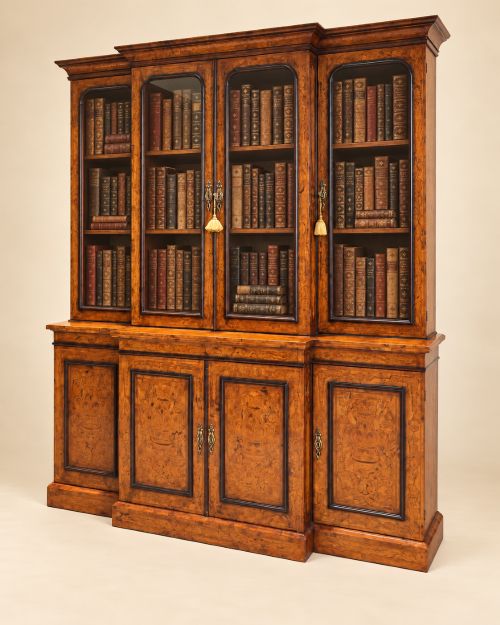
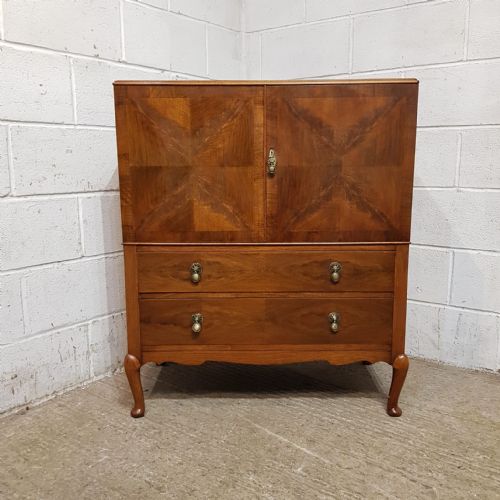
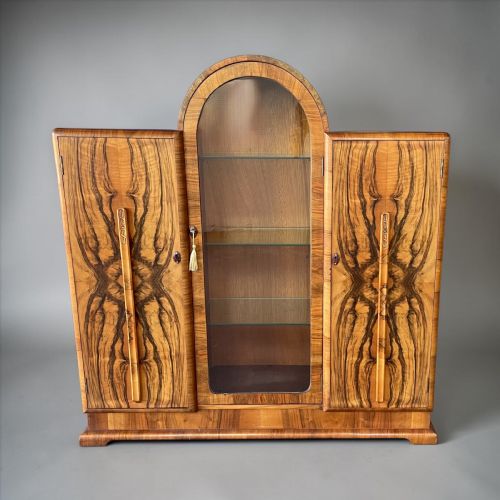
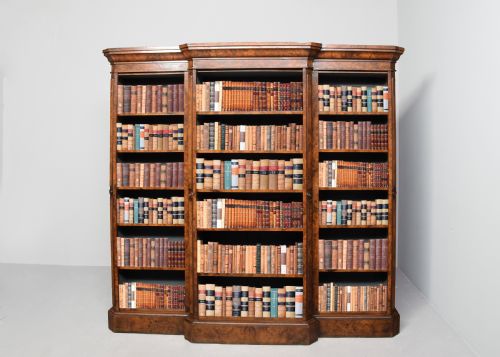
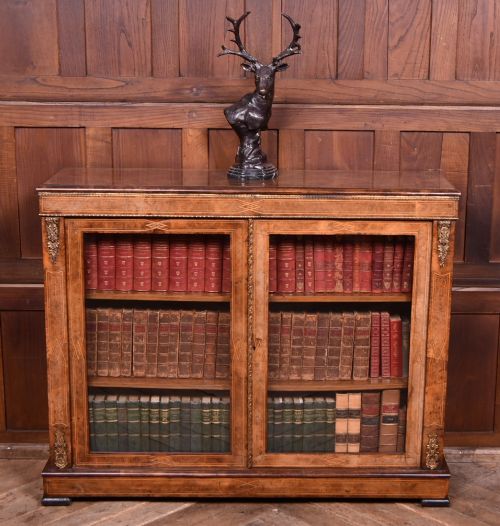
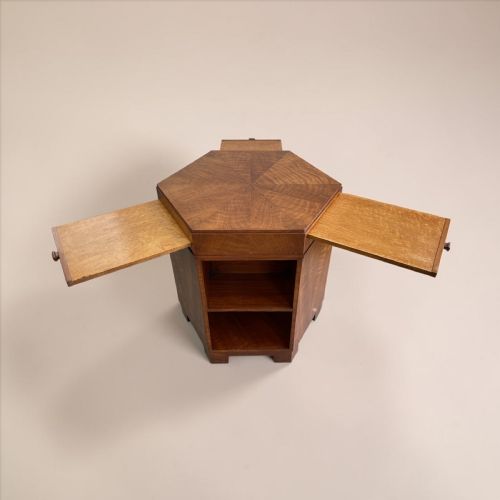
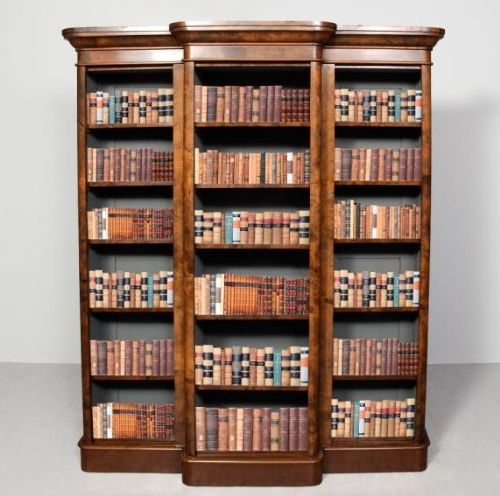
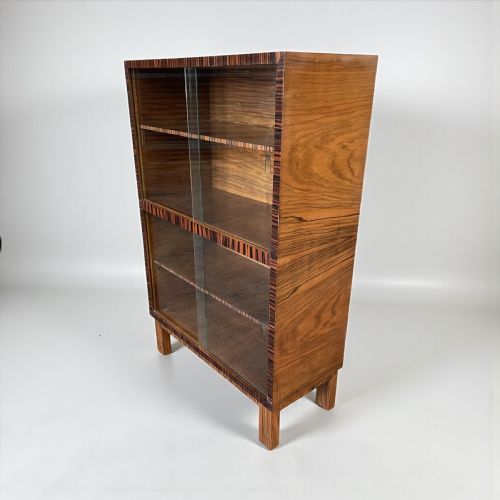
When you search for a brown walnut book cabinet, you are looking at timber furniture designed to store volumes and display objects, spanning periods from the nineteenth century through the Art Deco era of nineteen thirty. The most common version met on this page is the Victorian or Edwardian open bookcase, alongside breakfront forms and enclosed display cabinets.
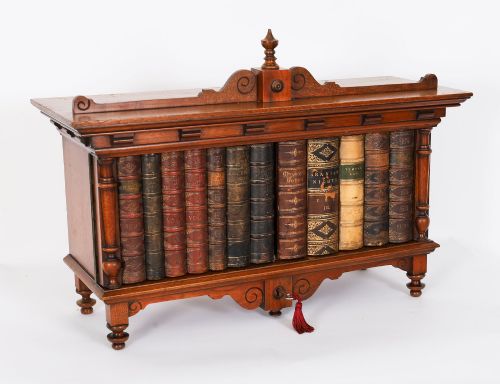
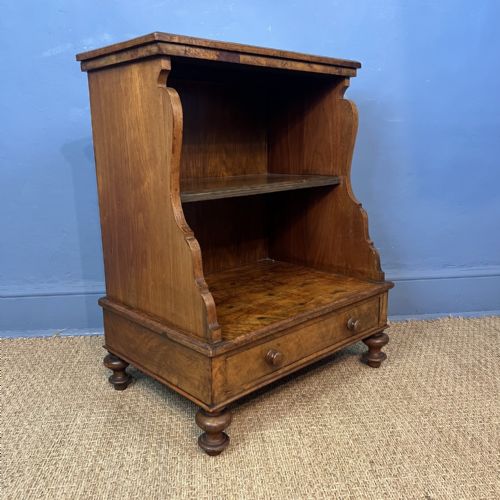
These pieces originate from English, French, and Italian workshops, shifting from solid timber constructions to veneered surfaces with marquetry or inlay. Forms range from compact bedside cabinets and tabletop collectors' chests to towering multi-section breakfront libraries with adjustable shelves.
How they were made
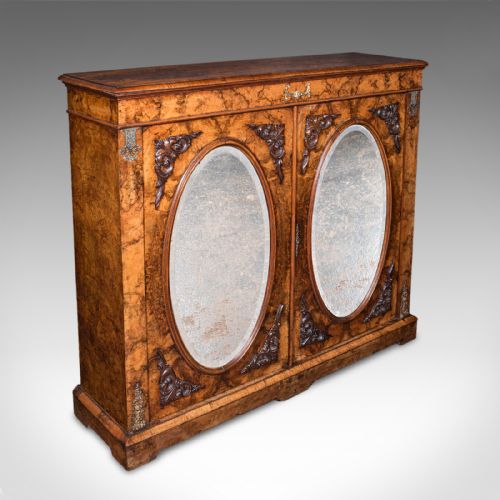
Cabinet makers utilised walnut and burr walnut timber, often laid as veneers over secondary woods to highlight the swirling figures of the grain. Surfaces were finished with brass mounts, glass panes, or leather details.
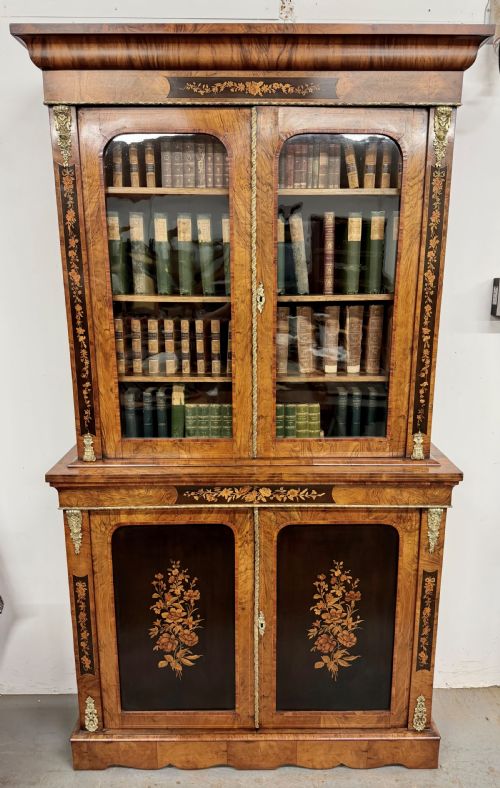
Structural elements included hand-cut joinery for shelving and drawers, supplemented in later pieces by gilt metal mounts and parquetry patterns. Glazed doors utilised timber framing to protect volumes from dust.
Listings feature walnut, burr walnut, and veneer materials applied across Victorian, Edwardian, and Art Deco periods.
What varies in quality
Quality rests upon the selection of the walnut timber itself, where highly figured burr veneers or book-matched grain patterns elevate the visual impact of the piece. The depth and crispness of marquetry inlay and parquetry work also distinguish finer examples from plain utilitarian storage.
Construction methods determine longevity, seen in the smooth operation of adjustable shelving tracks, the tight fit of mitred joints, and the substantial weight of solid brass or gilt metal hardware rather than stamped substitutes.
Waring & Gillow·Holland & Sons
The Brown Walnut Book Cabinet Glossary
- Breakfront
- A cabinet design where the central section projects forward from the flanking wings. This architectural arrangement creates shadow and depth across the facade.
- Burr walnut
- Timber taken from the wart or growth on a walnut tree, yielding a swirling, highly decorative grain pattern. Cabinet makers sliced this wood into thin veneers for decorative surfaces.
- Marquetry
- The art of applying pieces of veneer to a structure to form decorative patterns or pictures. Craftsmen used various woods and metals to create contrasting pictorial scenes.
- Parquetry
- A geometric mosaic of wood pieces used for decorative floors and cabinet surfaces. It relies on precise angular fitting of contrasting timber tiles.
- Ormolu
- Gilt bronze mounts applied to furniture for decoration, popular in French and revival styles. This technique added metallic contrast to dark walnut surfaces.
Brown Walnut Book Cabinet: Frequently Asked Questions
What periods do these cabinets come from?
The pieces span the nineteenth century, including Victorian and Edwardian eras, extending into the nineteen thirties with Art Deco designs.
Earlier examples often feature solid timber and hand-cut joinery, while later twentieth-century pieces introduce streamlined geometric forms and parquetry.
Are the shelves adjustable?
Many of the open bookcases and glazed cabinets include adjustable shelving supported by timber racks or metal pins.
This adaptability allows the storage of varied book sizes and collection objects within the same cabinet.
What is the difference between solid walnut and burr walnut?
Solid walnut uses regular timber planks for the primary structure, showing a straighter, more uniform grain.
Burr walnut utilises highly figured growths sliced into veneers, displaying intricate swirling patterns that decorators prized for prominent surfaces.
How do I care for a walnut cabinet?
Keep the timber away from direct sunlight and heat sources to prevent the veneer from drying out or lifting over time.
Dust with a soft, dry cloth and occasionally feed the polished surface with appropriate wax rather than silicone sprays.