


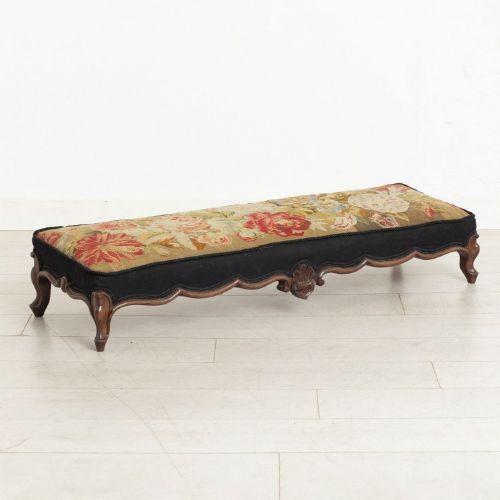


Brown Walnut Bench
A brown walnut bench brings practical seating and rich timber grain to an interior, drawing on centuries of cabinet-making traditions from the eighteenth to the twentieth century.
Brown Walnut Bench
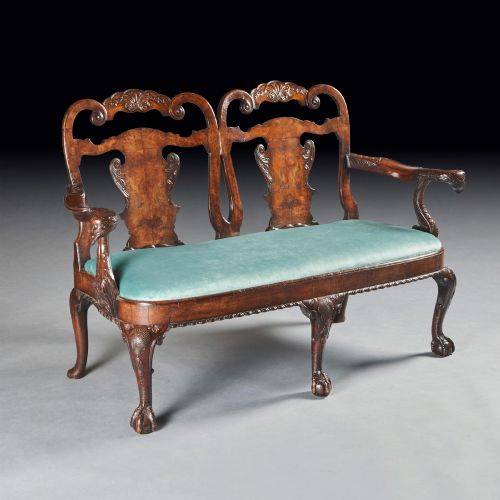
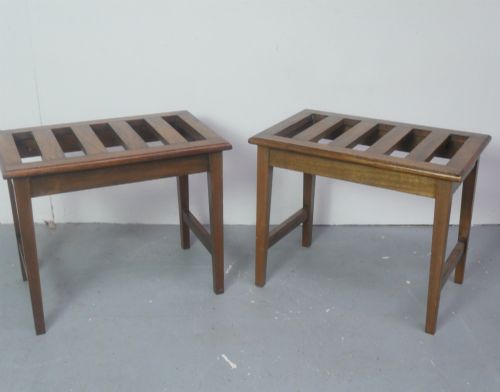
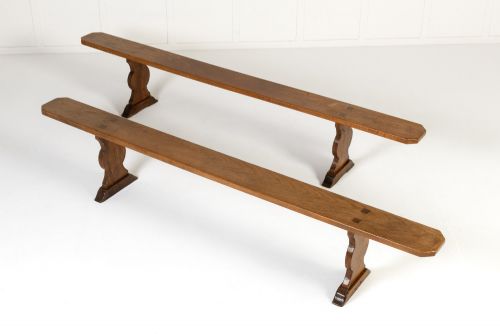
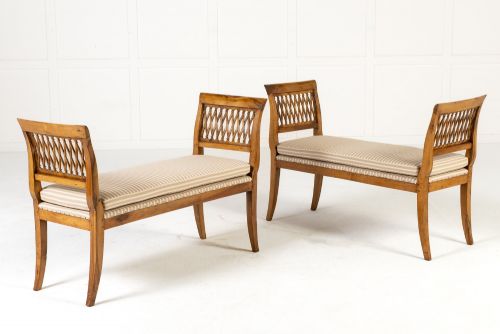
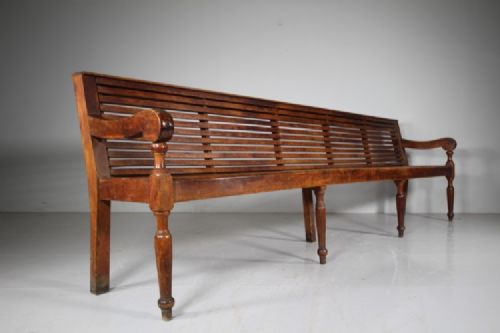
A brown walnut bench encompasses a wide variety of seating forms, including long waiting room slatted benches, hall seats, window seats and luggage racks. These pieces emerge from diverse origins across England, France, Italy, and Flanders, spanning multiple centuries from the eighteenth through to the mid-twentieth century.
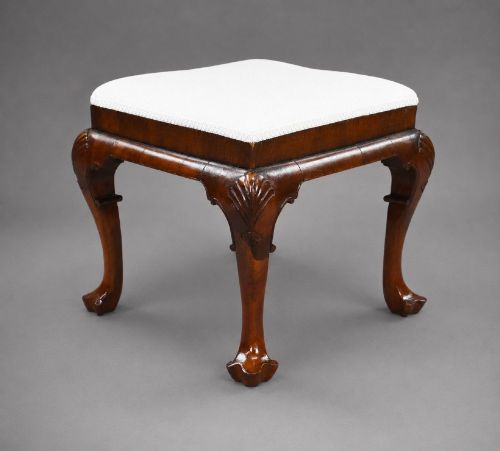
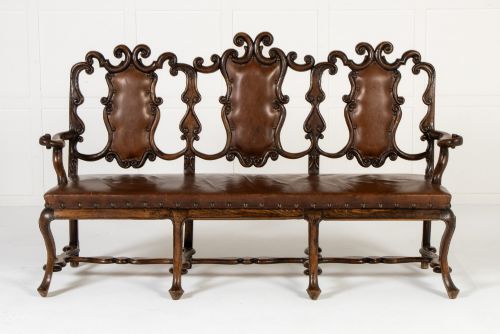
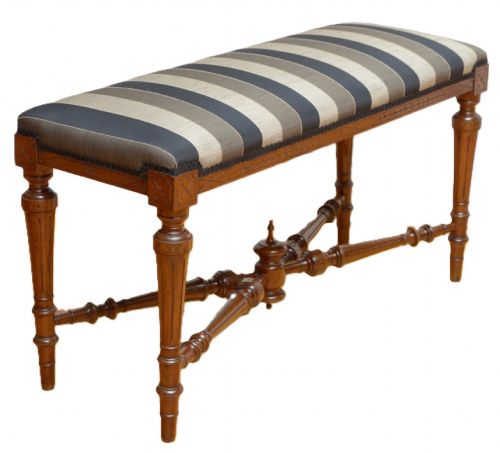
The version a buyer is most likely to encounter on this page is a nineteenth-century Victorian or French provincial example, often featuring carved wooden frames and upholstered seats. Stools, settees and window seats frequently appear alongside traditional long benches, reflecting the varied domestic functions these walnut pieces originally served.
Materials and Construction
Makers utilised solid walnut and figured walnut veneers for the structural frames, often applying hand-carved details to legs, rails and crests. Joinery methods relied on traditional mortise and tenon techniques to ensure stability across long spans and heavy-use seating.
Seating surfaces incorporate traditional materials such as leather, velvet, tapestry, cane and various upholstery fabrics, sometimes secured over horsehair stuffing or modern padding. Accents of brass hardware appear on specific luggage racks and storage stools, while exposed timber finishes highlight the natural grain of the walnut.
Materials paired with walnut across these pieces include brass, leather, velvet, tapestry and woven cane.
Craftsmanship and Proportion
The distinction between tiers of quality rests upon the depth of hand-carving in the walnut frame and the integrity of the underlying timber joinery. Finer examples display crisply articulated foliage, animal motifs or rococo scrolls that integrate harmoniously into the overall architectural silhouette of the seat.
Proportion and the preservation of original surfaces also dictate distinction, as pieces retaining their earliest upholstery fabrics, cane panels or untouched timber patination command greater interest. Heavy later alterations or unsympathetic timber replacements reduce the integrity of the design.
Hampton & Son's·Morris & Co.
The Brown Walnut Bench Glossary
- Cabriole leg
- A furniture leg that curves outward at the knee and tapers inward toward the ankle, frequently ending in a pad or scroll foot. This curved form became prominent during the Queen Anne and Georgian periods.
- X-frame
- A structural base formed by two intersecting diagonal members that create an X shape when viewed from the side. This geometric support underpins specific window seats and folding luggage racks.
- Settee
- A medium-length wooden or upholstered seat with a backrest and arms, designed to accommodate more than one person. These pieces function as compact alternatives to full-sized sofas.
- Cane
- Woven peeled rattan strips used to create light, breathable panels for seat backs and bases. This technique appears frequently on eighteenth and nineteenth-century French seating.
- Luggage rack
- A low bench-like frame fitted with top slats or straps, originally designed for resting travel bags at the foot of a bed or in a hallway. These utilitarian pieces utilise sturdy timber construction.
Brown Walnut Bench: Frequently Asked Questions
Where should I place a brown walnut bench?
These benches suit entrance halls, bedrooms at the foot of a bed, or living spaces where extra occasional seating is required. Their slender profiles allow them to fit neatly into narrow hallways or beneath windows.
Shorter stool variations also serve as footrests or dressing table seats. Selecting the correct length ensures the piece complements the surrounding architectural proportions.
How do I identify a nineteenth-century brown walnut bench?
Nineteenth-century examples frequently exhibit revival styles such as Queen Anne, Renaissance, or Rococo, combined with dark walnut timbers and hand-carved details. Examining the underside reveals period construction methods, tool marks, and timber ageing.
Upholstery techniques and surviving original textiles also provide clues to the exact manufacturing era. Comparing the joinery against standard period practices confirms the age of the frame.
Can I use an antique bench for everyday seating?
Most sturdy walnut frames easily support daily use provided the joints remain tight and secure. Slatted wooden benches and heavy framed settees offer robust platforms for domestic environments.
Delicately carved antique stools with cane inserts require more mindful placement to prevent structural strain. Regular checks of the leg fixings help maintain long-term stability.
How do I care for walnut wood and vintage upholstery?
Walnut timber benefits from occasional gentle cleaning with a soft cloth and neutral furniture wax to nourish the grain. Avoiding direct sunlight and excessive heat protects the timber finish from drying out.
Upholstered sections require regular light vacuuming using a soft brush attachment to remove dust. Preserving original fabrics means avoiding harsh chemical cleaners entirely.