
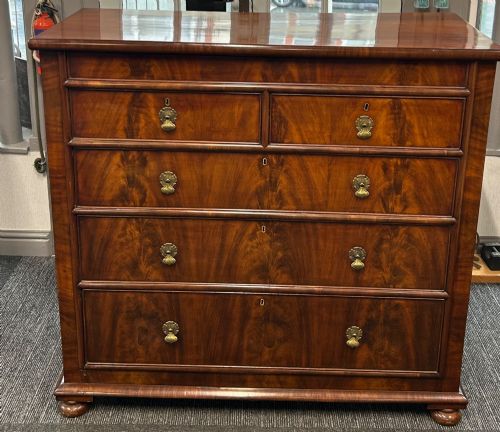


Brown Veneered Chest
A brown veneered chest brings rich timber grain and centuries of cabinet-making skill directly into a room.
Brown Veneered Chest
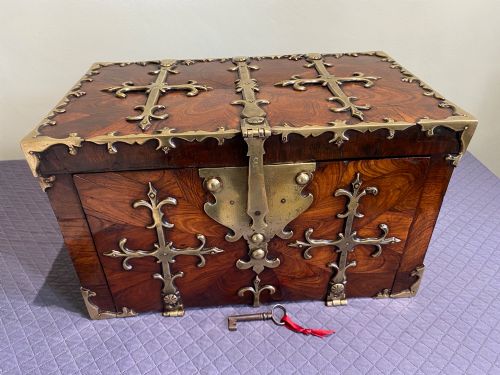
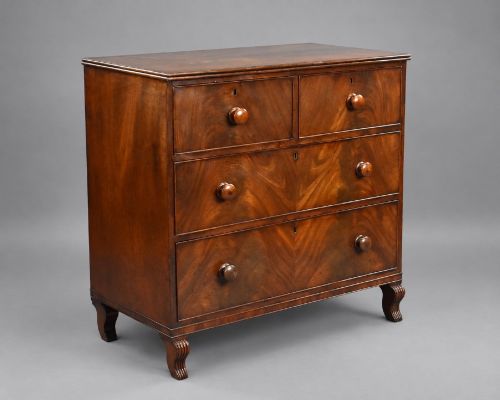
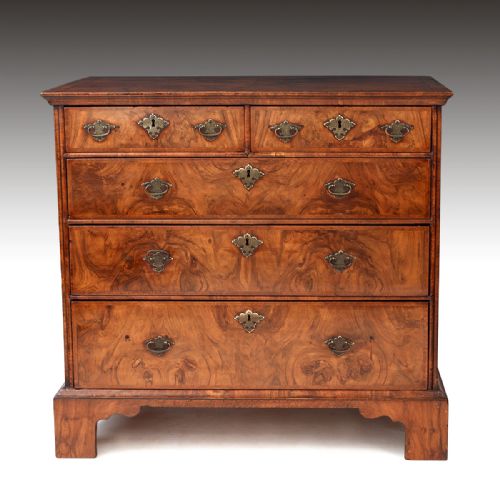
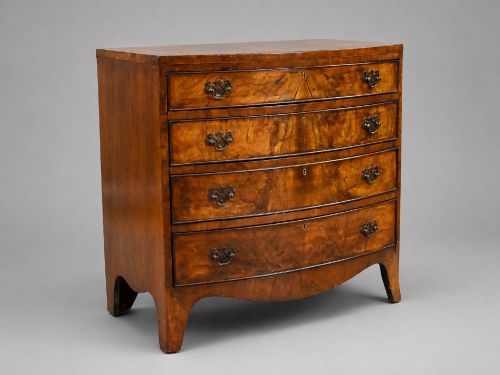
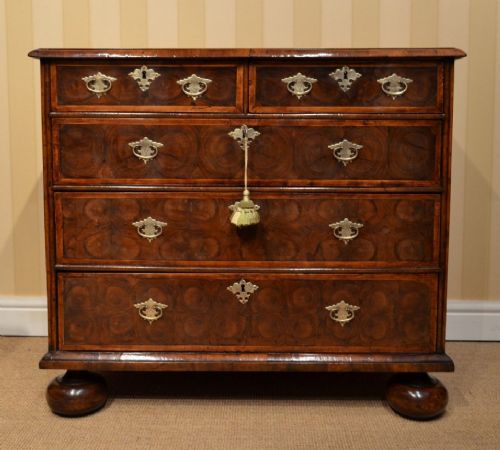
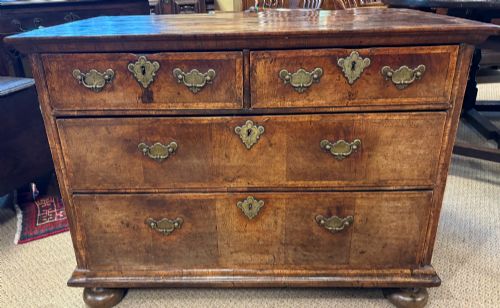
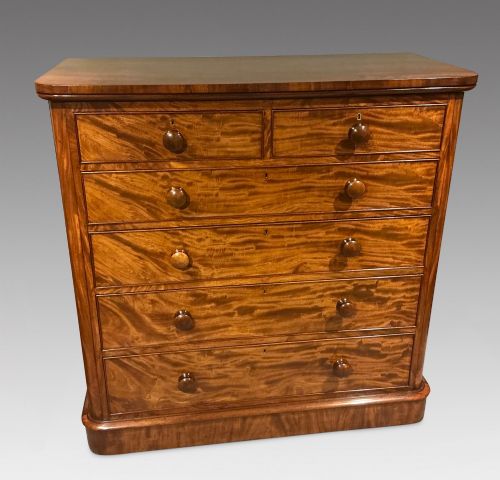
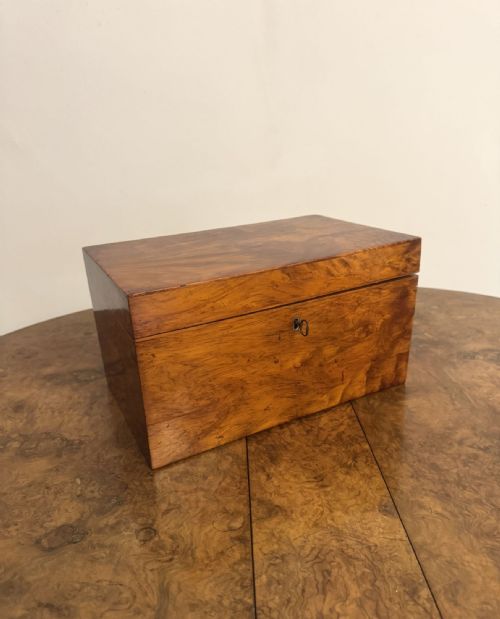
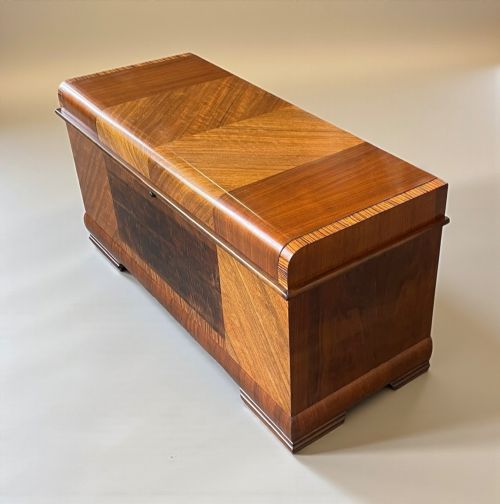
A brown veneered chest encompasses items where fine timber slices are laid over a secondary carcass wood to display decorative grain patterns. The pieces gathered under the brown veneered chest label range from seventeenth-century William and Mary drawer units to nineteenth-century mahogany commodes and twentieth-century walnut examples.
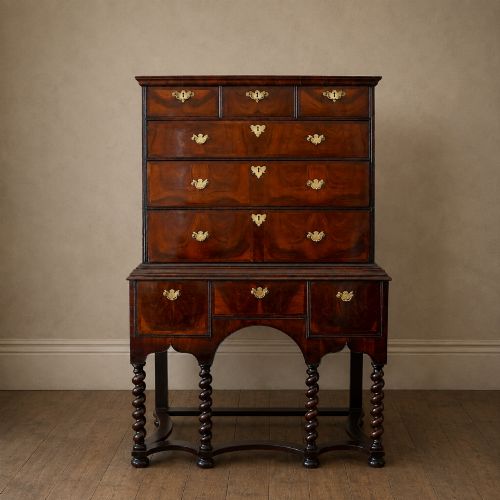
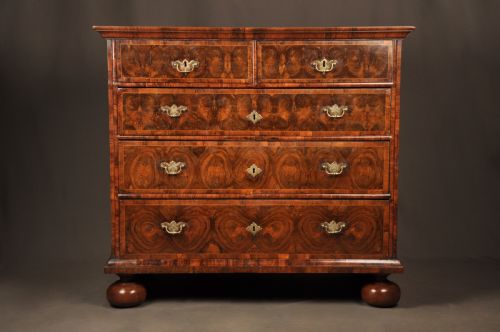
Buyers will encounter various forms, including chests of drawers, chests on stands, cabinets on stands, and linen presses. Seventeenth-century examples often feature intricate oyster cutting, while later Regency and Victorian pieces lean towards bold flame mahogany figures.
Materials and construction methods
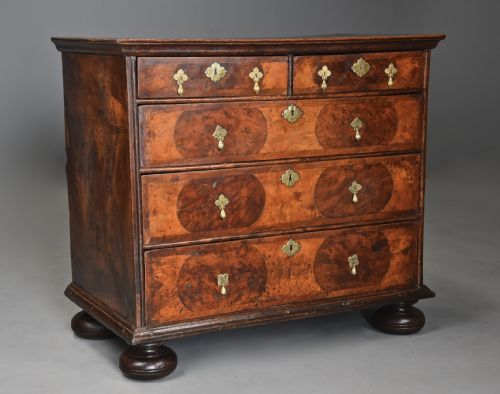
Cabinet makers utilised thin veneers sliced from decorative woods such as walnut, kingwood, laburnum, olive, and mahogany, applying them carefully to stable underlying carcasing timbers like oak. Oyster veneering involved cross-cutting small branches to produce circular or oval disks that formed repeating geometric patterns across the surface.
Advanced techniques included marquetry inlay using contrasting timbers like boxwood, alongside the selection of burr and plum pudding grains to create dramatic visual movement. Brass handles, escutcheons, and hinges completed the construction of these storage pieces.
The listings span from seventeenth-century William and Mary examples through Regency and Victorian periods up to Art Deco designs.
Distinguishing quality across examples
Quality rests in the selection and alignment of the timber veneers, where balanced grain matching across drawer fronts denotes superior craftsmanship. The intricacy of the underlying construction and the preservation of the original surface patination further separate standard items from exceptional survivals.
Early seventeenth-century examples utilising olive, laburnum, or burr walnut demonstrate meticulous manual sawing and laying techniques. The integrity of the timber panels and the subtlety of any inlaid stringing or marquetry dictate the standing of each piece.
The Brown Veneered Chest Glossary
- Veneer
- A thin layer of finely figured wood applied to a secondary timber base to create a decorative surface. This technique allows cabinet makers to display expensive or unruly grain patterns stably.
- Oyster veneering
- The practice of slicing small branches transversely to produce circular or oval sections resembling oyster shells. These pieces are laid closely together to form complex repeating patterns.
- Chest on stand
- A primary storage chest raised on a separate supporting framework of legs connected by stretchers. This form gained popularity during the late seventeenth century.
- Marquetry
- The art of applying pieces of veneer into a fitted background to form decorative pictures or geometric designs. Craftsmen often utilised contrasting woods such as boxwood and walnut.
- Linen press
- A tall storage piece featuring upper sliding trays or shelves enclosed by doors, positioned above a set of lower drawers. They were traditionally used for storing pressed household linen.
Brown Veneered Chest: Frequently Asked Questions
What is an oyster veneer chest?
An oyster veneer chest displays circular or oval wood sections cut across small branches and arranged in repeating patterns. This decorative technique appears frequently on seventeenth-century pieces.
The resulting surface resembles oyster shells, creating distinct patterns across drawer fronts and tops.
How do I identify a William and Mary chest?
William and Mary chests date from the late seventeenth to early eighteenth century and often feature geometric oyster veneers, walnut timbers, or raised stands. They frequently incorporate inlaid details and brass drop handles.
These pieces reflect the distinct joinery techniques and proportions characteristic of the period between 1680 and 1700.
What woods were used for brown veneered chests?
Cabinet makers utilised a variety of decorative timbers, including walnut, kingwood, mahogany, laburnum, olive, and yew. Secondary woods like oak frequently formed the internal drawer linings and structural carcasses.
Each wood species offered specific grain patterns, from the dark swirls of flame mahogany to the golden tones of burr walnut.
Where were chests on stands placed in a home?
Chests on stands functioned primarily as elevated storage furniture in principal rooms of seventeenth and eighteenth-century houses. Their raised profile kept garments and valuables away from damp floor levels.
Today, these substantial pieces serve as focal points in hallways, bedrooms, or living spaces.