
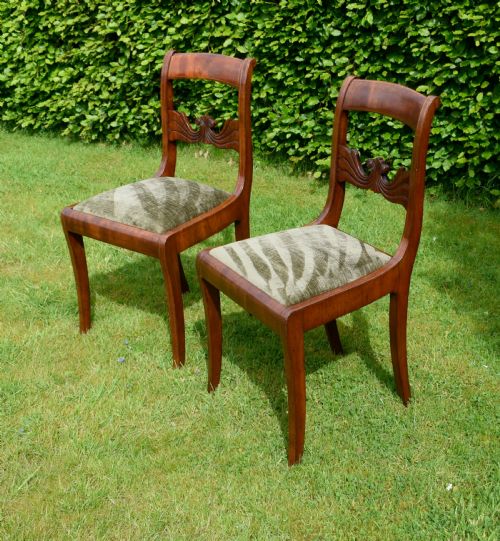


Brown Velvet Accent Chair
These chairs combine rich pile with supportive seating, bringing warmth and presence to any room through a brown velvet accent chair.
Brown Velvet Accent Chair
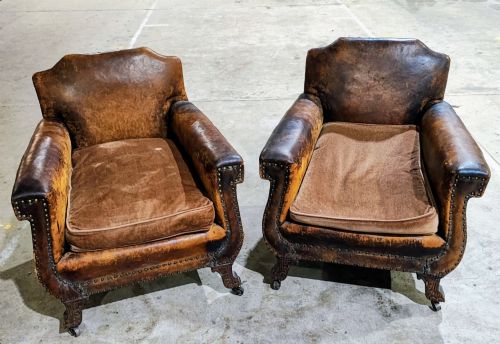
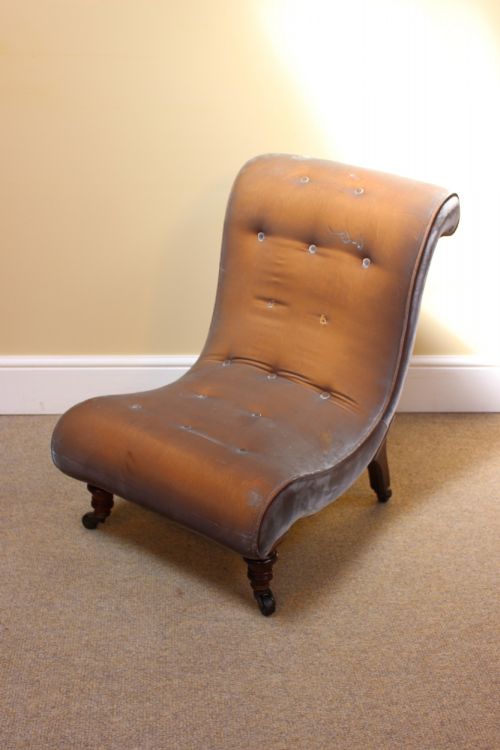
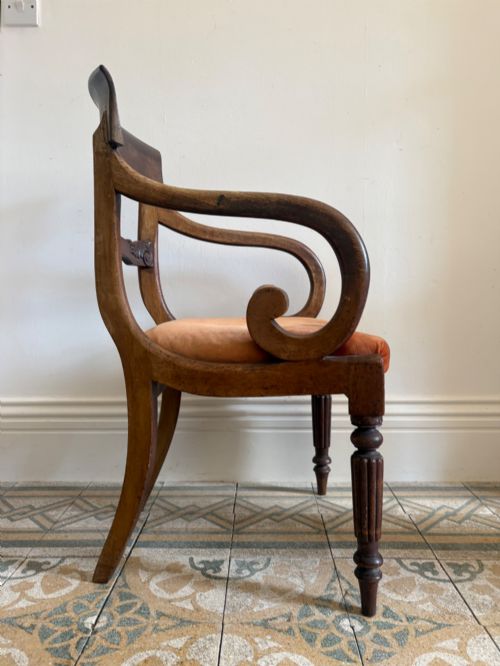
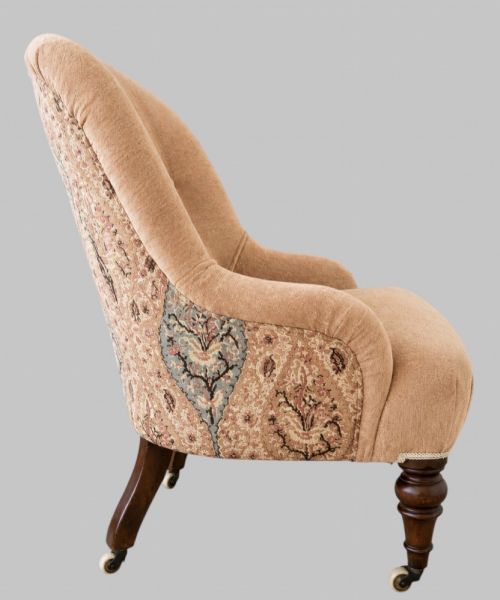
When you search for a brown velvet accent chair, you encounter a variety of period seating ranging from Victorian nursing chairs to Georgian carvers and later armchairs. These pieces serve as striking focal points in a room while providing comfortable seating upholstered in textile fabric.
The selections span multiple eras, including Victorian, Edwardian, and Regency periods, alongside earlier styles. You will find armchairs, side chairs, nursing chairs, and salon chairs adapted with velvet upholstery.
Mahogany, walnut, oak, and hardwood frames form the structural backbone of these seats. The combination of timber frames and velvet coverings creates a distinct visual contrast that defines the brown velvet accent chair category.
Materials and construction
Cabinet makers utilised dense hardwoods such as mahogany, walnut, and oak to build sturdy frames capable of withstanding daily use. These timbers were frequently carved with decorative details or left with clean lines depending on the period and style.
Upholstery techniques involved securing textile velvet over padding to create comfortable seats and supportive backs. Brass elements and inlaid details occasionally appeared on frames to enhance the visual appeal of the chair.
Listings feature Victorian, Edwardian, and Regency periods alongside earlier 18th-century styles, utilising mahogany, walnut, oak, and velvet.
Determinants of quality
The standard of carving and the selection of timber dictate the distinction between ordinary and exceptional pieces. Frames constructed from solid walnut or finely figured mahogany with crisp hand-carved details represent superior craftsmanship.
The integrity of the frame construction and the quality of the textile upholstery determine the longevity and finish of the chair. Expertly upholstered velvet paired with robust joinery elevates the overall standard of the piece.
The Brown Velvet Accent Chair Glossary
- Carver chair
- An armchair, typically designed for dining or desk use, featuring open arms attached to the sides of the seat. These chairs often match a set of smaller side chairs.
- Nursing chair
- A low-seated chair traditionally used by women in the Victorian era, designed to sit comfortably close to a fireplace. They frequently feature upholstered backs and short legs.
- Salon chair
- An upholstered seat intended for use in a formal reception room or parlour. These chairs prioritise decorative elegance alongside comfort.
- Barley twist
- A decorative turning technique resembling a twisted rope, commonly found on the wooden legs and stretchers of 17th-century style and later furniture.
- Drop-in seat
- A removable upholstered seat frame that fits precisely into the wooden rails of a chair. This construction method allows for straightforward reupholstery.
Brown Velvet Accent Chair: Frequently Asked Questions
Where should I place a brown velvet accent chair?
These chairs fit well in sitting rooms, studies, or bedrooms where they provide both a functional seat and a strong visual anchor. Their rich textile upholstery complements natural wood furniture and neutral walls.
Position the chair away from direct sunlight to protect the pile of the velvet from fading over time. Pairing the chair with a small reading lamp creates a practical and inviting corner.
How do I identify a Victorian velvet chair?
Victorian chairs often feature dark hardwoods such as walnut or mahogany with characteristic carved ornamentation. Look for dense frame construction and traditional upholstery methods typical of the nineteenth century.
Examining the underside of the seat and the joinery helps confirm the period of manufacture. The presence of period textiles or later replacement fabric indicates how the chair has been maintained.
Can I use an antique carver chair at a desk?
Many carver chairs from the Georgian and later periods were built with dimensions suitable for working at a desk or table. Their open arms provide support while allowing room for movement.
Check the seat height and arm clearance against your desk to ensure a comfortable fit. Adding a supportive cushion can adjust the seating height if necessary.
How do I care for antique velvet upholstery?
Gentle brushing with a soft-bristled brush helps maintain the pile of the velvet and removes surface dust. Avoid harsh chemical cleaners or excessive moisture which can damage the fabric.
Professional textile cleaning is recommended for addressing deeper marks or stains. Keeping the chair in a stable environment prevents the timber frame and fabric from drying out.