



Brown Treen Vessel
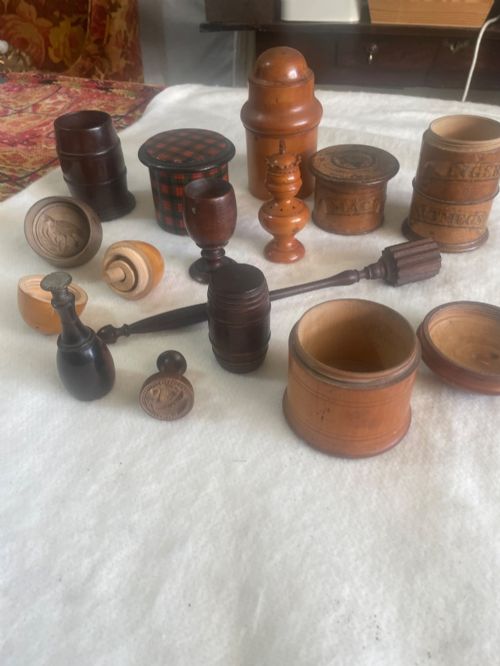
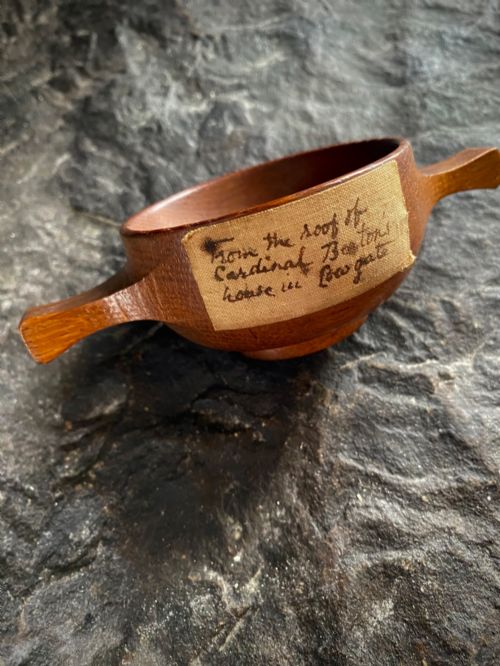
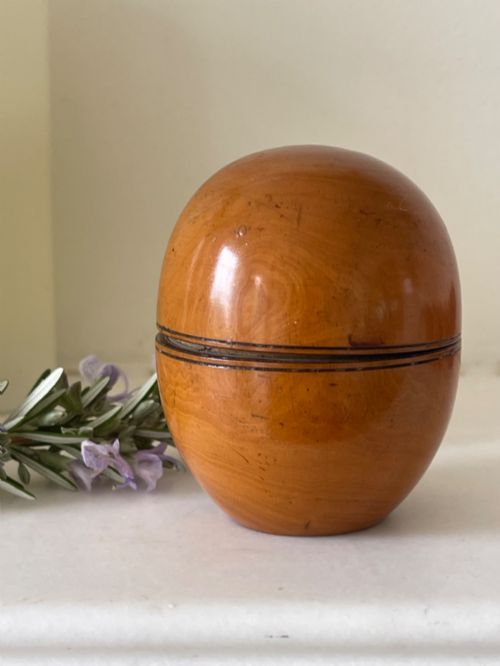
These small turned and carved timber containers are a brown treen vessel, offering tactile domestic utility carved by hand from native hardwoods.
Brown Treen Vessel
A brown treen vessel encompasses utilitarian turned or carved wooden objects fashioned for domestic, medical, and culinary tasks across several centuries. Buyers searching this phrase encounter utilitarian domestic equipment that transitioned from everyday utility into decorative cabinet pieces.
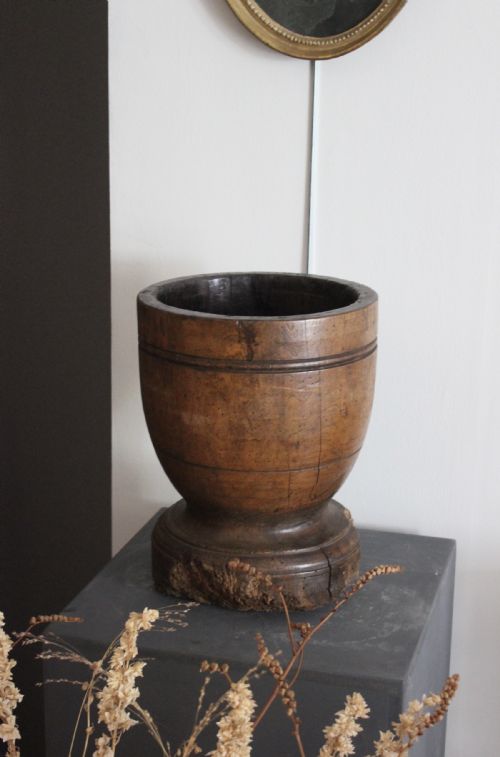
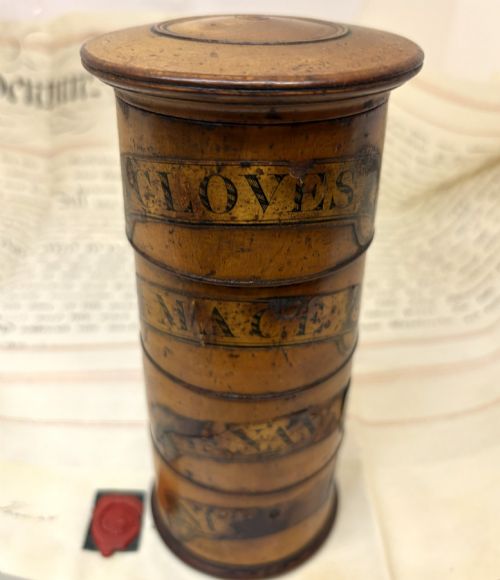
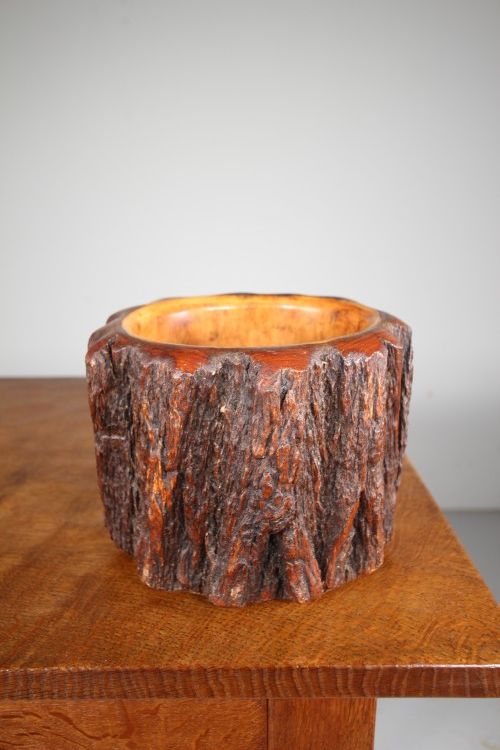
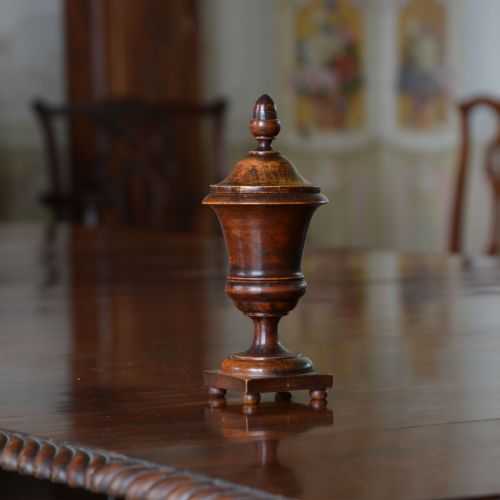
The selections span from seventeenth-century mortars and eighteenth-century campana urns to nineteenth-century dairy bowls and spice towers. Forms vary from simple turned drinking vessels and butter tubs to spice grinders and lidded vases.
Origins stretch from English workshops to continental European examples like Norwegian peg tankards and coconut shell drinking vessels. Most domestic pieces utilise dense native timbers that acquired rich patination through decades of handling.
Materials and construction
Turners shaped these vessels on pole lathes or foot-powered benches, utilising local hardwoods such as fruitwood, boxwood, walnut, sycamore, oak, and yew wood. Dense timbers allowed craftsmen to pare thin walls without compromising structural integrity.
Hollow containers like mortars, vases, and urns were turned from seasoned green or dry timber to minimise splitting as the wood settled. Specialised items incorporate secondary materials such as internal silver linings for medical pill silverers or carved coconut shell bodies.
Brown Treen Vessel Retail Price Guide 2026
Typical asking prices for brown treen vessel among the pieces listed under this phrase on Sellingantiques today, from the lower quarter to the upper quarter. They describe what is for sale here now, not the wider market.
Listings feature numerous timber species including fruitwood, boxwood, sycamore, and yew wood across seventeenth to twentieth century periods.
Judging quality in turned treen
Quality rests upon the crispness of the turning lines, the balance of the proportions, and the depth of the natural wood patina. Superior pieces retain sharp architectural mouldings on rims and feet rather than suffering from heavy wear or abrasive cleaning.
The choice of timber defines the finish, with highly figured yew wood, dense boxwood, or rich walnut commanding greater visual presence than utilitarian softwoods. Evidence of original tooling marks and harmonious shrinkage cracks distinguish honest early examples.
The Brown Treen Vessel Glossary
- Treen
- Small handmade wooden domestic objects. The term encompasses everything from kitchenware to personal items made before mass production.
- Campana urn
- A bell-shaped vessel form. Popularised in classical architecture, this silhouette appears translated into turned wood.
- Searce
- A fine sieve or bolter. These wooden or wire-mesh domestic containers sifted spices, flour, or medicinal powders.
- Peg tankard
- A drinking vessel with internal pegs. These pins regulated alcohol consumption as drinkers passed the vessel at communal tables.
- Mortar
- A heavy bowl for pounding materials. Apothecaries and cooks utilised these thick-walled vessels alongside pestles for grinding.
Brown Treen Vessel: Frequently Asked Questions
What is a treen vessel?
A treen vessel is any small wooden object made for domestic, trade, or personal use.
These items range from spice towers and mortars to drinking cups and dairy bowls.
How were wooden mortars used?
Wooden mortars served kitchens and apothecaries for crushing herbs, spices, and medical ingredients.
Operators used a matching pestle to grind contents against the dense interior grain.
How do I care for antique treen?
Antique treen requires stable indoor humidity away from direct heat sources and sunlight.
Occasional application of microcrystalline wax preserves the dry, historic finish without trapping moisture.
How do I date a turned wooden bowl?
Dating relies on tool marks, timber choice, base wear patterns, and overall vessel proportions.
Earlier pieces often display uneven hand-turning signatures and deeper patination from centuries of use.