

Brown Tray Top Table
A brown tray top table brings raised rims and practical timber to bedside and parlour, keeping small items secure upon mahogany and walnut surfaces.
Brown Tray Top Table
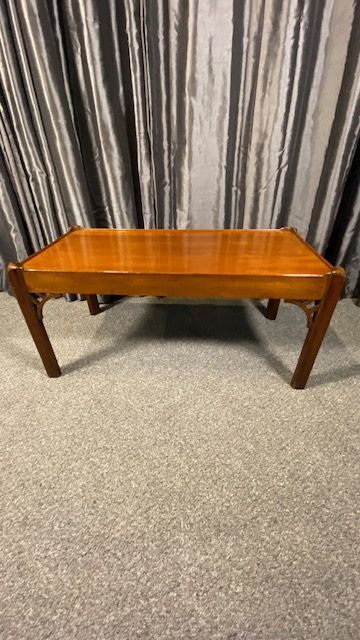
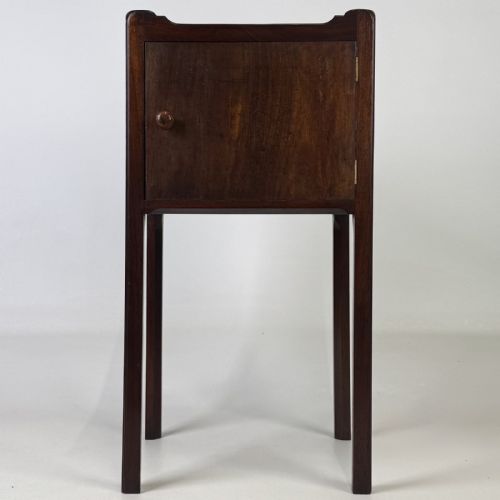
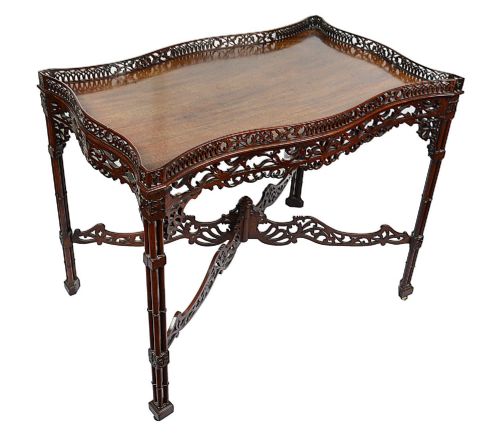
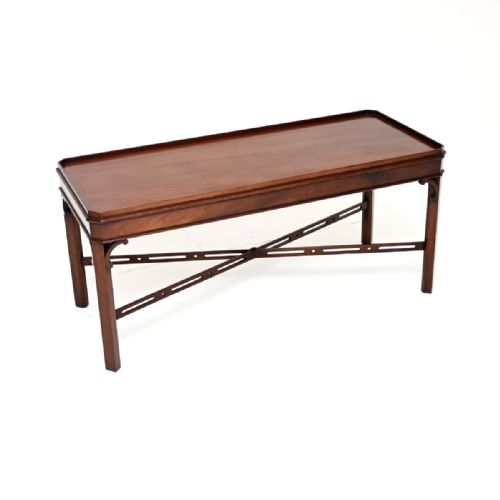
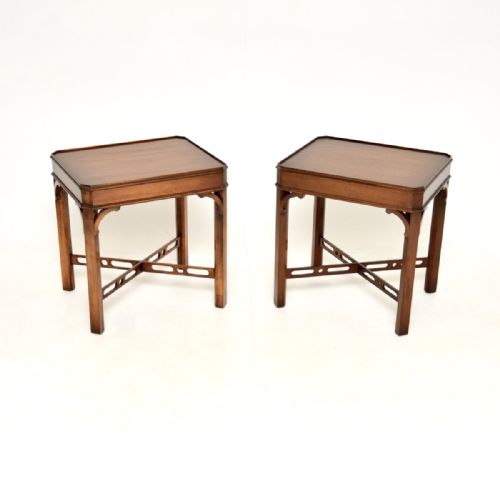
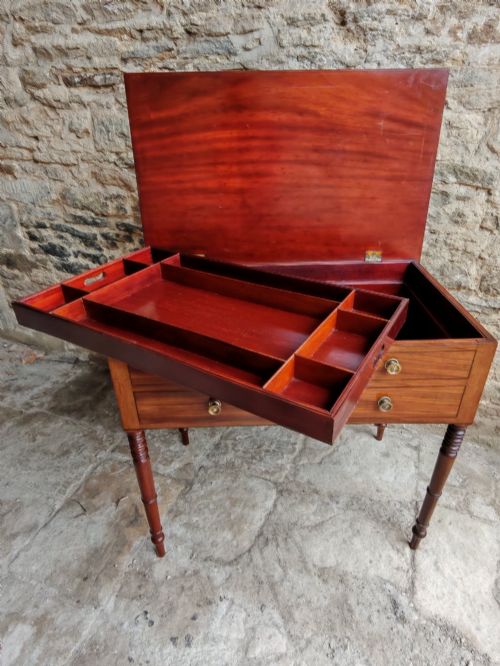
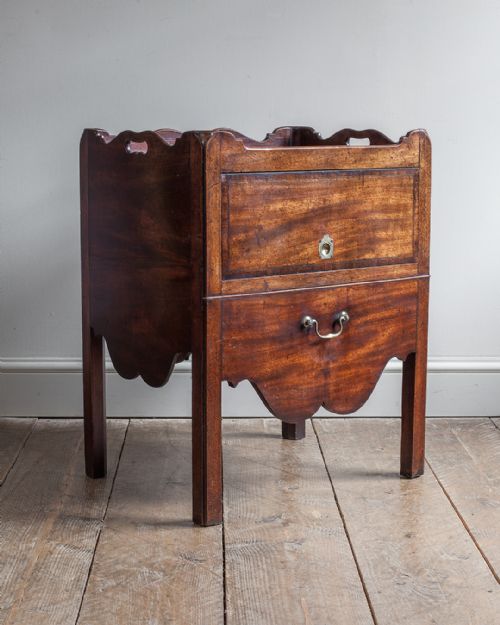
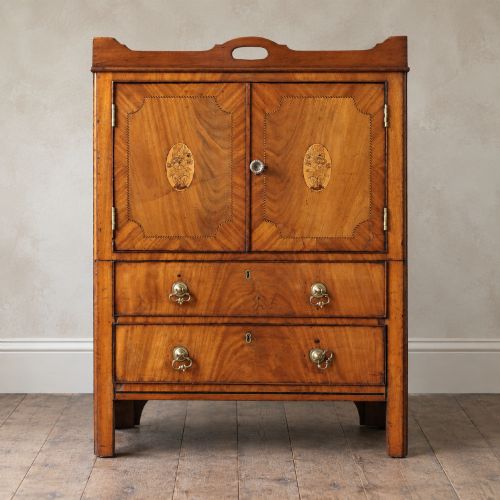
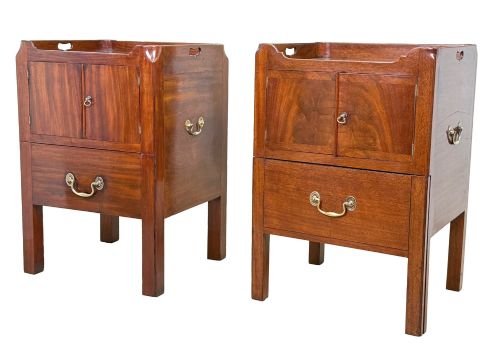
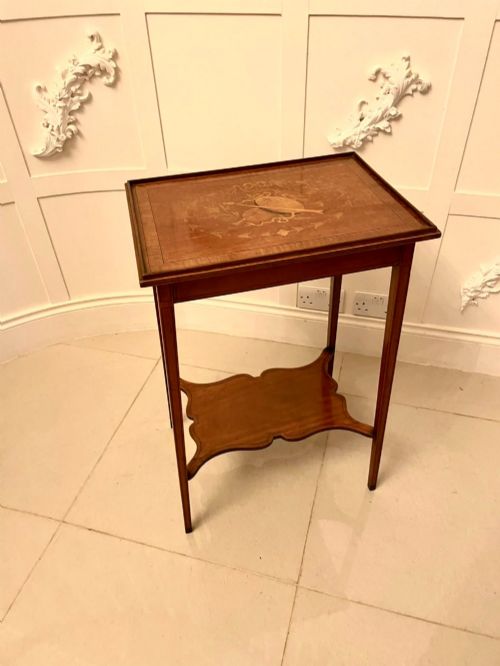
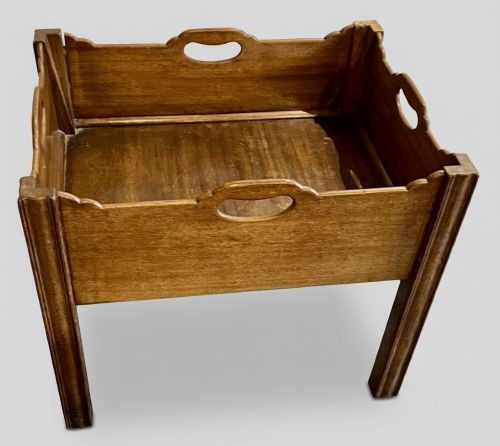
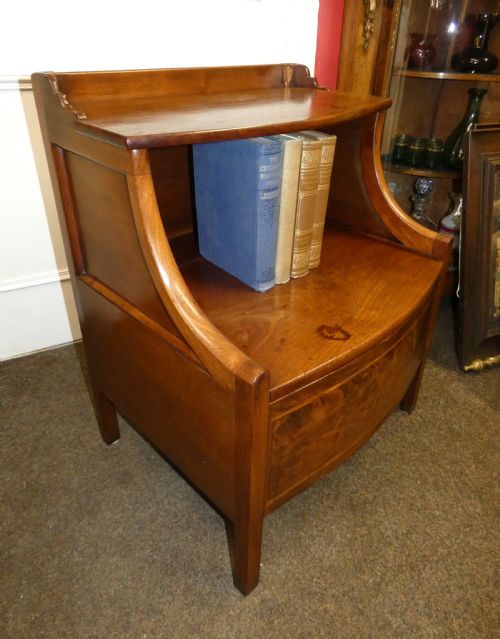
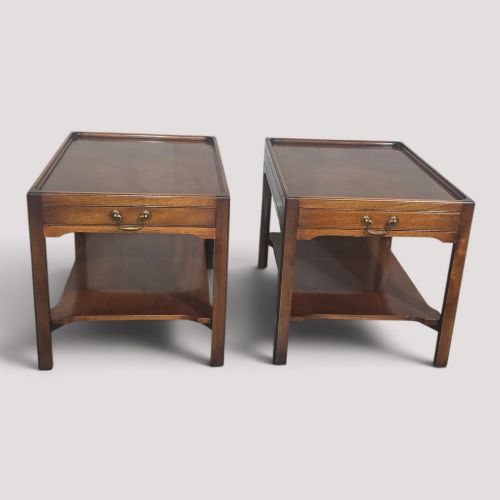
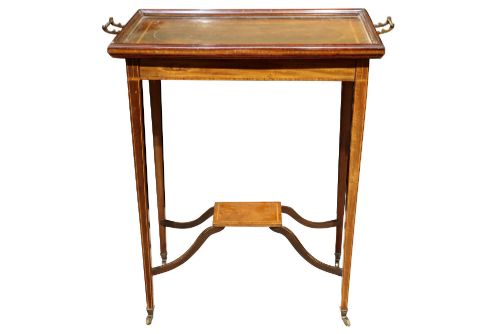
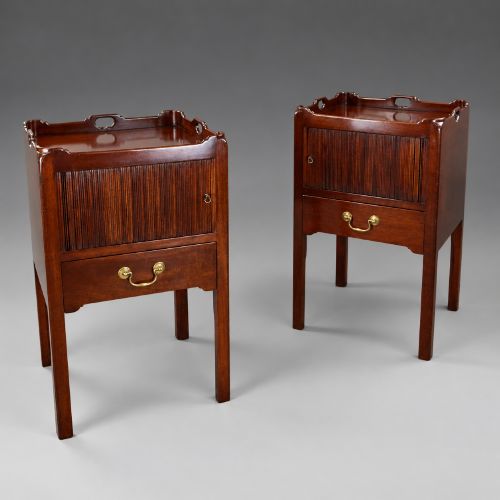
A brown tray top table combines the raised gallery edges of a serving tray with the sturdy frame of a small stand. When looking for a brown tray top table, buyers encounter forms ranging from Georgian nightstands and pot cupboards to Edwardian occasional tables and low coffee tables.
The pieces appearing most frequently span the eighteenth, nineteenth, and early twentieth centuries. These take the shape of bedside cabinets, writing tables, and tripod stands, constructed predominantly in rich mahogany or walnut tones.
Materials and construction
Cabinetmakers built these tables using solid hardwoods alongside figured veneers such as flame mahogany and burr walnut. Surfaces often display decorative inlay, satinwood detailing, and marquetry depicting flowers and birds.
Structural elements frequently incorporate brass fittings, handles, and gallery hinges. The raised tray rims are shaped directly from solid timber or assembled with mitred joints to contain objects securely.
Brown Tray Top Table Retail Price Guide 2026
Typical asking prices for brown tray top table among the pieces listed under this phrase on Sellingantiques today, from the lower quarter to the upper quarter. They describe what is for sale here now, not the wider market.
Listings feature periods spanning from mid-eighteenth-century Georgian designs through to 1930s reproductions in mahogany, walnut, and oak.
Judging the standard of manufacture
The distinction between standard examples and superior pieces rests on the choice of timber and the precision of the joinery. Fine versions utilise deeply figured veneers and display crisp, hand-cut marquetry rather than mechanical decoration.
Proportion and stability define the better tables. A well-made example balances the weight of the tray top evenly across slender legs or a solid tripod base without structural sway.
The Brown Tray Top Table Glossary
- Tray top
- A tabletop finished with a raised rim or gallery on all sides. This design prevents rolling items from sliding off the surface during use.
- Pot cupboard
- A small bedside cabinet originally designed to house a chamber pot. These often feature a panelled door above a lower enclosed compartment.
- Marquetry
- Decorative veneer work forming pictorial designs using various coloured woods. Craftsmen cut contrasting timbers to create floral or geometric motifs.
- Tripod table
- A small stand supported by a central pillar above three splayed legs. This construction provides stable footing on uneven floors.
- Commode
- A low enclosed piece of furniture with drawers or cupboards. Georgian versions frequently incorporate pull-out slides and tray tops.
Brown Tray Top Table: Frequently Asked Questions
What were tray top tables used for?
These tables served multiple domestic purposes depending on their height and form. Bedside variants held chamber pots and night lamps, while occasional and tripod tables supported tea services or writing materials.
The raised gallery edge proved particularly useful for containing small items securely when moved around a room. Butler trays functioned similarly, lifting off their folding stands for direct service.
How do I date a mahogany table?
Dating relies upon examining the timber characteristics, construction methods, and hardware style. Eighteenth-century examples display dense, heavy mahogany with hand-cut joinery and period brass handles.
Later Victorian and Edwardian reproductions often utilise machine-sawn timber and standardised internal fittings. Secondary woods inside drawers also help determine the regional origin and period of manufacture.
Where should I place a bedside cabinet?
A bedside cabinet fits naturally beside a low bed frame where its surface height matches the mattress level. The enclosed cupboard space conceals personal items while the tray top keeps books and glasses contained.
These pieces also function effectively as small lamp tables in corners or hallways. Their compact footprint allows them to occupy narrow wall spaces without cluttering a room.
How do I care for antique veneer?
Antique veneer requires protection from direct sunlight and extreme humidity fluctuations to prevent warping or lifting. Dusting with a dry, soft cloth maintains the finish without stripping the natural polish.
Occasional applications of appropriate beeswax nourish the timber and preserve the depth of the grain. Avoid placing damp items directly onto antique surfaces to prevent water rings.