
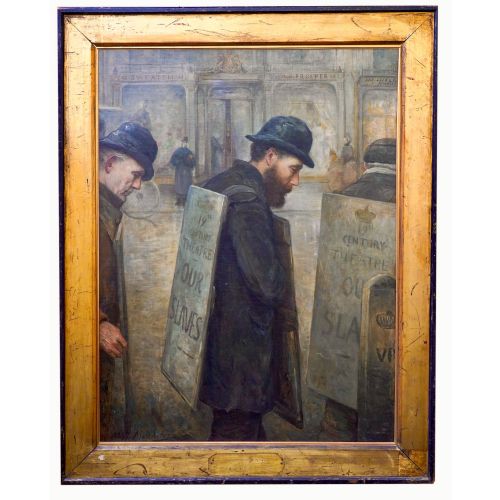
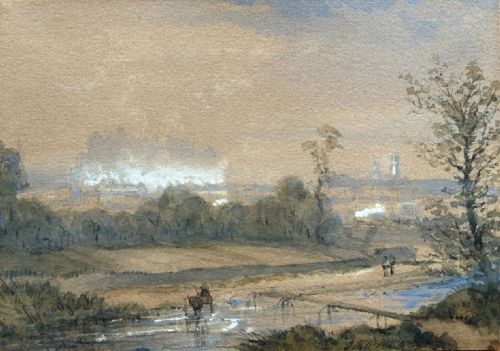

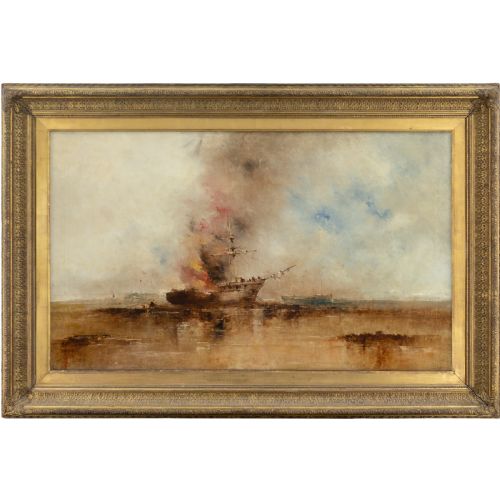
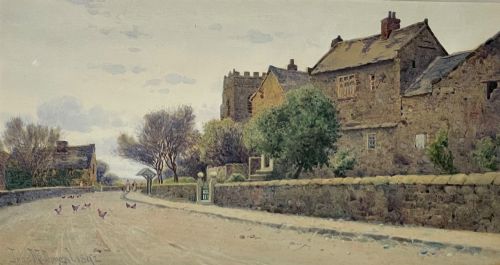
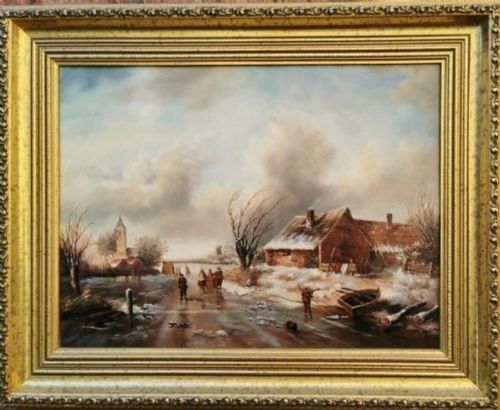
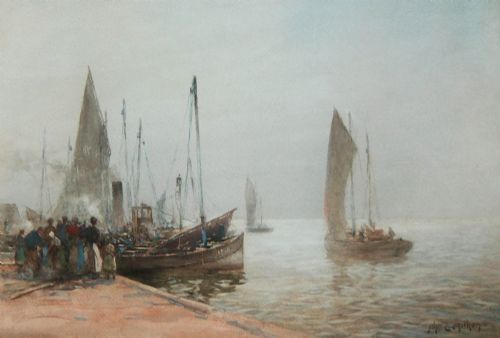
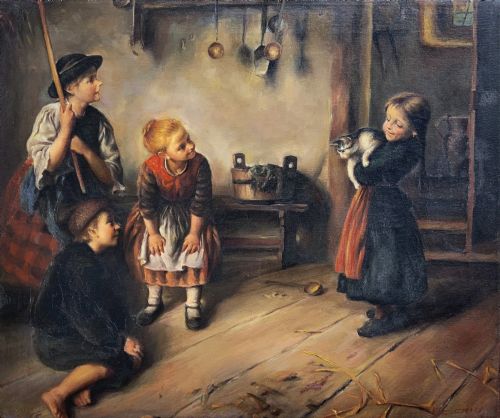
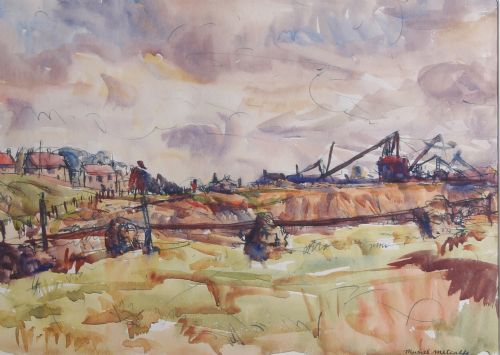
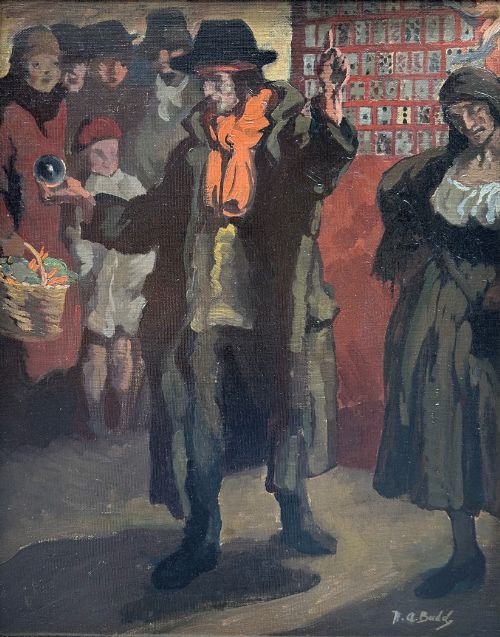
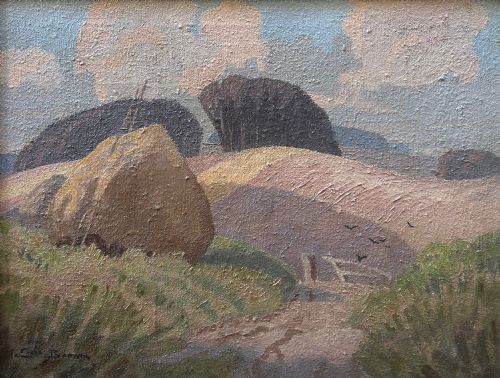
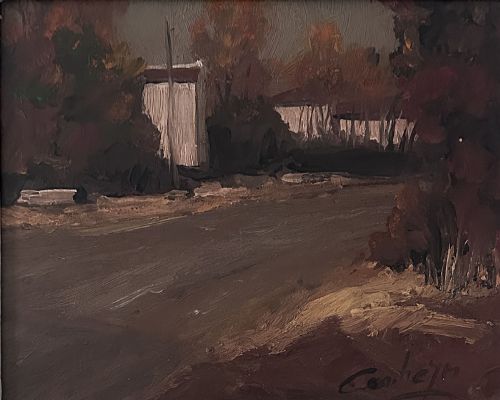
Brown Tone Painting
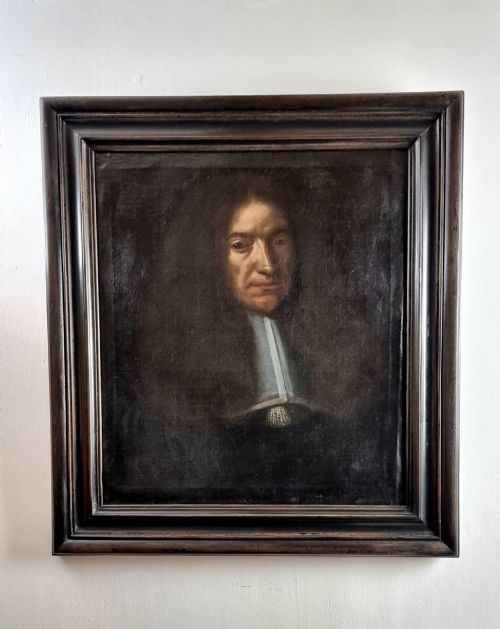
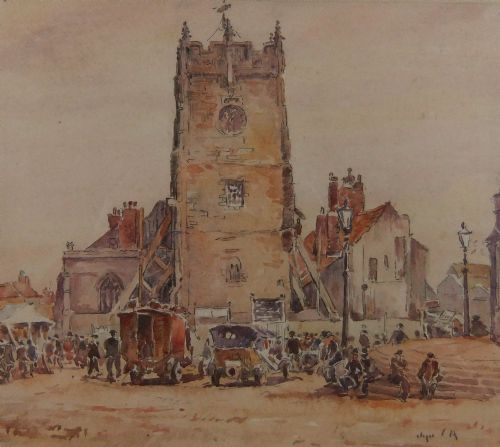
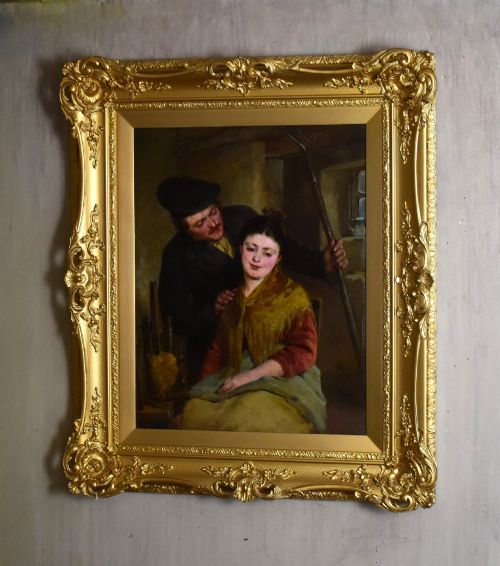
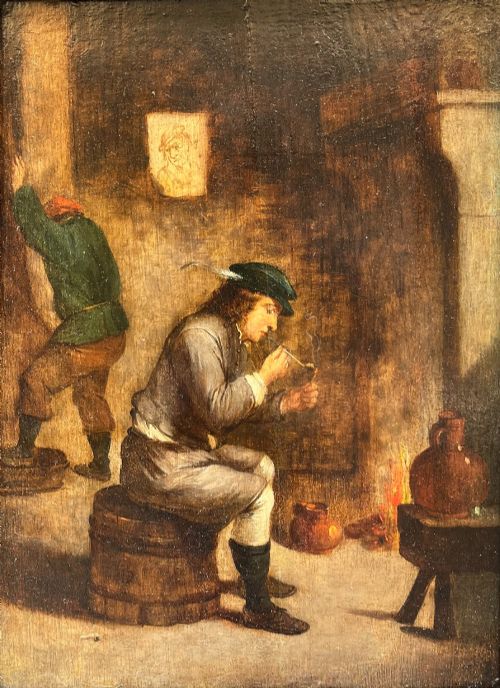
When you search for a brown tone painting, you seek works united by an earthy palette, crossing genres from landscapes to portraits.
Brown Tone Painting
A brown tone painting encompasses original artworks executed in muted, ochre, umber, and sepia hues. These pieces emerge predominantly from the nineteenth and twentieth centuries, spanning Victorian, Edwardian, and mid-century periods.
The selections on this page feature both oil and watercolour mediums across diverse supports. Common subjects range from Scottish landscapes and Dutch winter scenes to genre portrayals and portraits.
Buyers encounter works originating from British, French, Dutch, and Canadian artists. These creations capture mood and atmosphere through restricted chromatic ranges rather than vivid primary colours.
Materials and execution
Artists deployed oil paint and watercolour onto supports of canvas, wood panels, paper, and board. The handling of these materials relies on layered pigments to build depth within subdued palettes.
Techniques range from smooth nineteenth-century academic glazing to expressive twentieth-century impasto marks. Application methods dictate the textural interplay between the dried medium and the underlying support.
Listings feature works spanning the seventeenth through to the mid-twentieth century, created in oil and watercolour.
Distinctions in quality
Quality rests upon compositional balance and the skilful management of light within a monochromatic or restricted range. Superior examples demonstrate confident brushwork and precise tonal gradation that define form without reliance on bright colour.
Condition of the original support and pigment stability influence the standing of a piece. Works retaining their initial varnish layers and untouched surfaces command greater regard among collectors.
George Sydney Shepherd·Felix Stone Moscheles·Tom Campbell·Herbert Ashwin Budd·Vincenzo Irolli
The Brown Tone Painting Glossary
- Watercolour
- A painting method where fine pigment is suspended in water-soluble binders and applied to paper. It relies on the white of the paper to provide luminosity through translucent washes.
- Impasto
- Paint applied thickly to a canvas or board, leaving prominent brush or knife marks. This technique creates a tangible three-dimensional texture on the surface.
- Genre painting
- Artwork depicting scenes from everyday life, ordinary people, and domestic interiors. These pieces often narrate social history or moral tales.
- Wood panel
- A rigid wooden support used instead of canvas for oil paintings. Panels were favoured for their stability and smooth painting surface.
- Bodycolour
- Watercolour paint mixed with a white pigment to make it opaque. This medium allows artists to add solid highlights over transparent washes.
Brown Tone Painting: Frequently Asked Questions
What defines a brown tone painting?
These works rely primarily on earth colours, ambers, umbers, and deep sepia tones to establish mood.
Artists utilised this restricted palette to emphasise shadow, form, and atmospheric depth over bright chromatic contrast.
Are these paintings executed on canvas?
The pieces utilise various supports including traditional stretched canvas, heavy paper, and rigid wood panels.
Watercolours appear predominantly on paper, whilst oil works are found on canvas, board, and wood.
How do I date these artworks?
Dating relies on recorded artist lifespans, stylistic markers, and the physical composition of the support material.
Nineteenth-century pieces often display traditional academic framing, whereas mid-century examples show looser modernist application.
Where were these artists active?
The creators of these works worked across Britain, France, the Netherlands, and Canada.
Regional landscapes and domestic genre scenes reflect the local environments where these painters maintained their studios.