

Brown Tone Oil Art
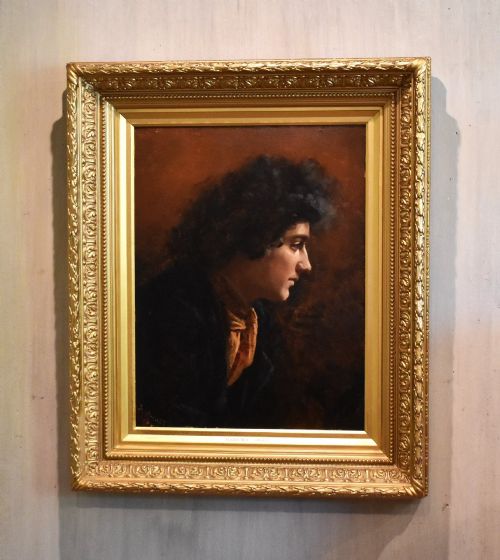
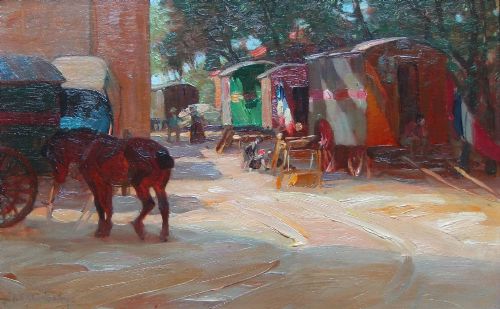
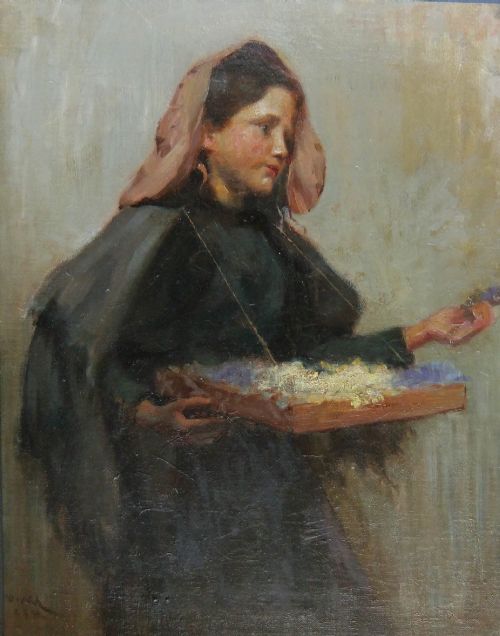
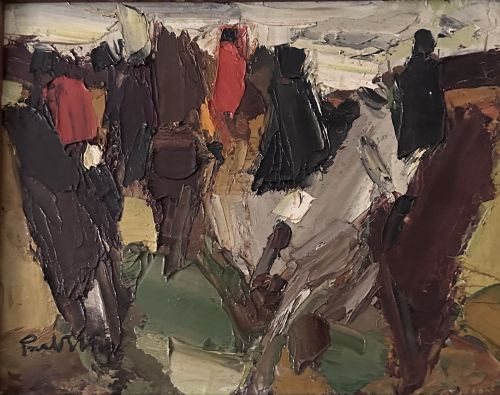
Brown tone oil art gathers traditional painted works utilising deep, muted pigments across canvas and panel.
Brown Tone Oil Art
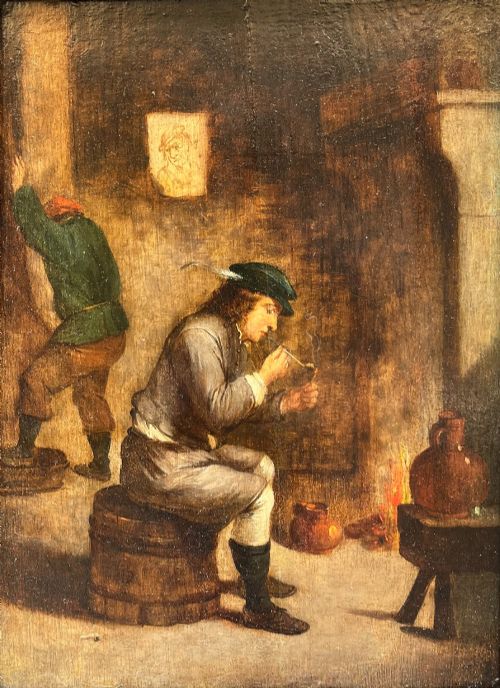
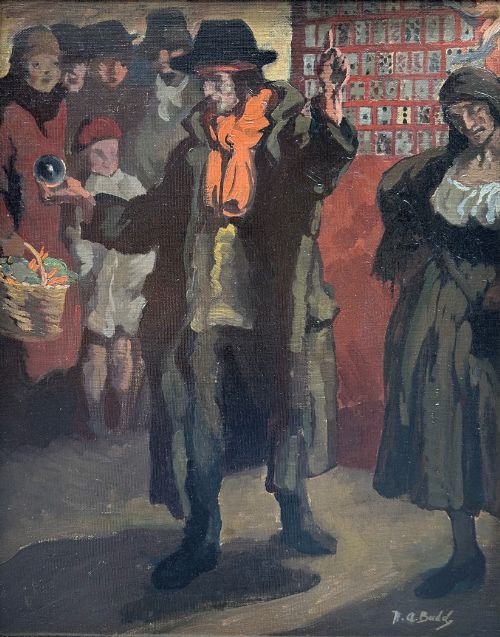
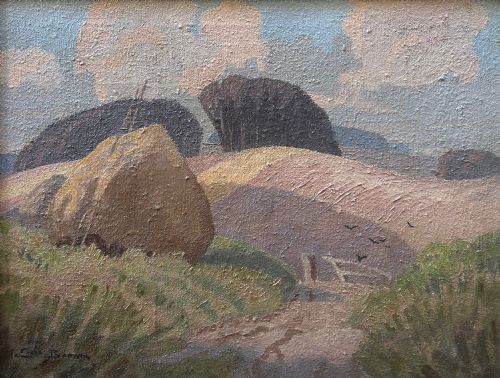
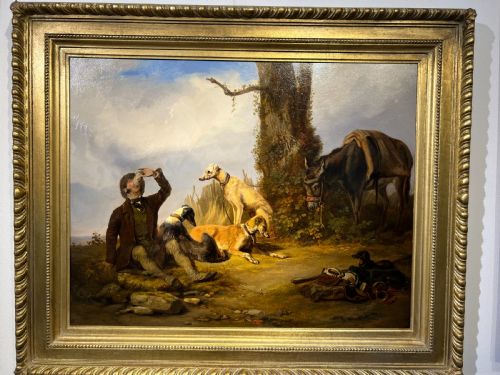
Brown tone oil art encompasses centuries of painted works focused on rich earth pigments, amber hues, and deep umber palettes. Collectors seeking brown tone oil art encounter works stretching from the seventeenth century through to mid-century modern interpretations.
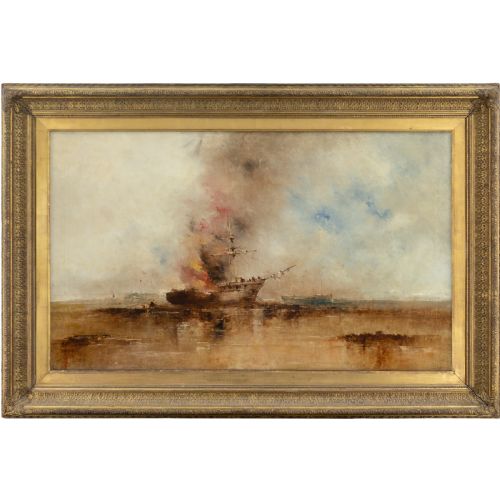
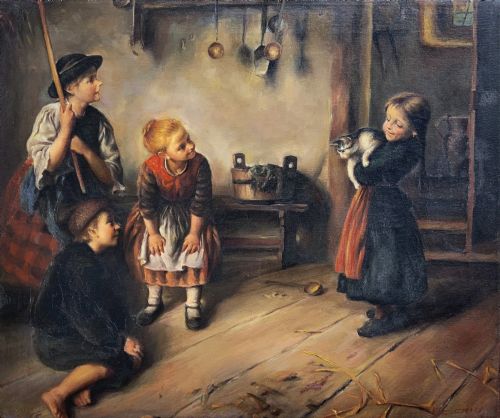
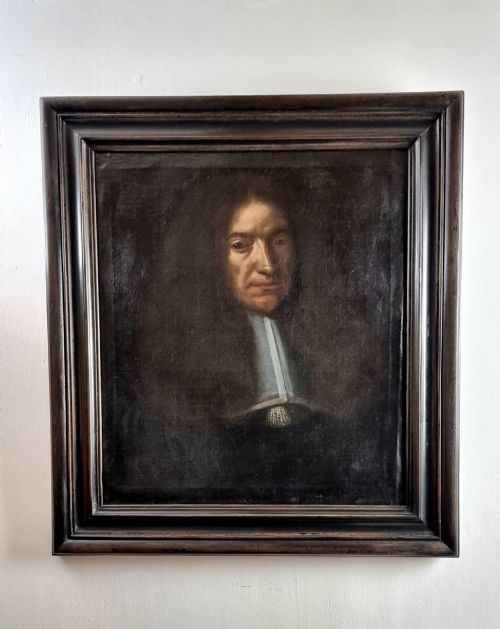
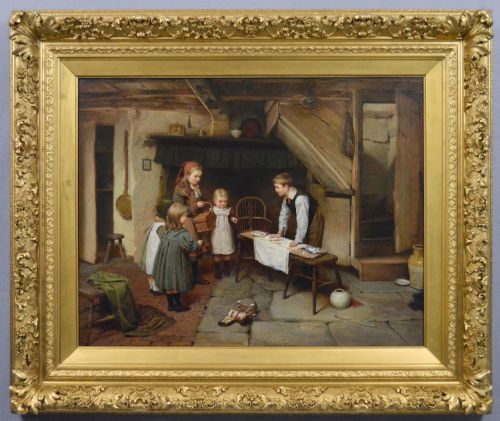
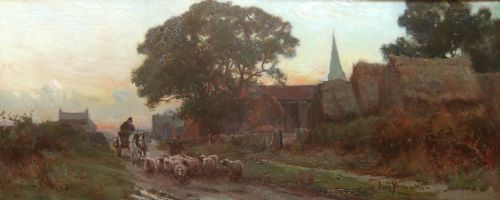
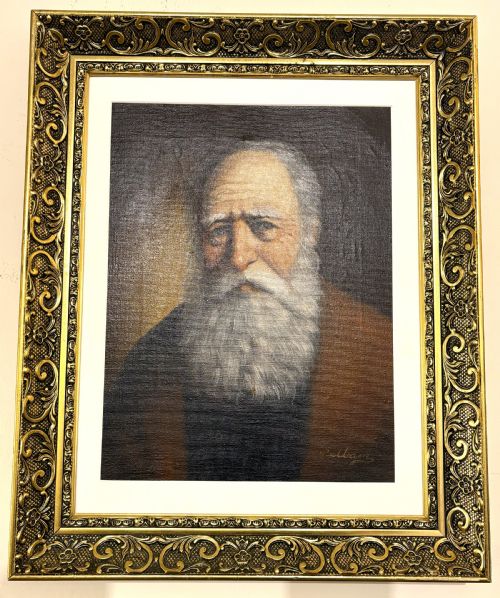
The selection on this page leans heavily toward nineteenth-century portraits, genre scenes, and pastoral landscapes. Common subjects include highland scenes, rustic farmyards, and detailed character studies rendered in subdued, natural tones.
How they were made
Artists applied oil paint using traditional brushes and palette knives onto prepared canvas, wood panel, or board. These grounds often received an initial wash of earth colour to establish deep underpaintings and tonal warmth.
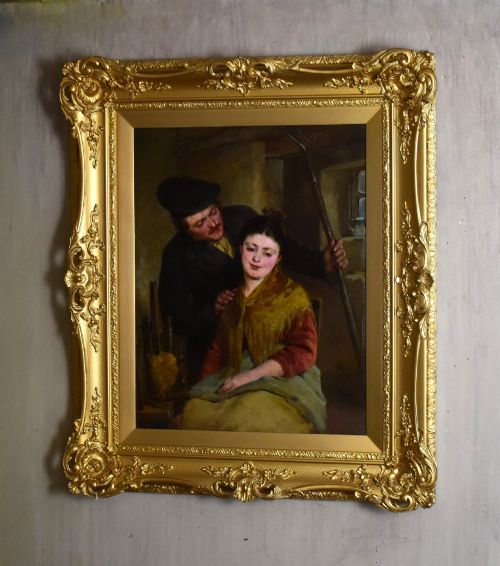
Many works incorporate heavy giltwood frames designed to complement the dark pigments and varnishes of the composition. Over decades, oil paint layers polymerise and naturally deepen, enhancing the monochromatic or amber quality of the surface.
Listings feature works spanning from the seventeenth century through to the mid-twentieth century, executed on canvas, wood panel, and board.
What varies in quality
Quality rests in the handling of light and shadow across the dominant dark palette. Superior works maintain distinct form and depth within shadows rather than dissolving into flat muddy areas.
The stability of the support material and the preservation of the original pigment layers distinguish finer examples. Works retaining their period frames and untouched varnish surfaces hold greater integrity.
Felix Stone Moscheles·Tom Campbell·Sir Edwin Henry Landseer·John Frederick Herring·Vincenzo Irolli
The Brown Tone Oil Art Glossary
- Oil paint
- A slow-drying paint made by combining pigments with a drying oil, most commonly linseed oil. This medium allows artists to blend tones smoothly and build rich impasto layers.
- Canvas
- A heavy woven fabric stretched across a wooden frame to serve as a sturdy painting surface. It provides texture and flexibility for the oil layers.
- Impasto
- A technique where paint is laid on an area of the surface in thick strokes, standing visibly out from the canvas. This adds tangible texture and catches directional light.
- Genre painting
- The pictorial representation of scenes from everyday life, typically depicting ordinary people in domestic or social settings. These works often utilise dark, naturalistic palettes.
Brown Tone Oil Art: Frequently Asked Questions
What defines brown tone oil art?
These works rely on earth pigments, umber shades, and warm amber palettes to build deep tonal compositions. The subject matter typically centres on historical scenes, portraits, and landscapes.
Such paintings span multiple centuries, reflecting changing academic and realist approaches while maintaining a subdued, naturalistic colour scheme.
How should I clean an oil painting?
Surface dust can be removed very gently with a soft, dry natural-hair brush without pressing into the paint layer. Avoid using water, household cleaners, or solvents on the fragile varnish.
Professional conservators should handle deeper cleaning or the removal of aged, discoloured varnish layers to protect the original pigment underneath.
Where were these paintings displayed?
Historical works of this type hung primarily in domestic parlours, galleries, and country houses within heavy giltwood frames. Their dark, rich tones suited the interior aesthetics of nineteenth-century reception rooms.
Today, they function well in studies, living spaces, and traditional interiors where neutral or dark walls complement their palette.
How do I identify the period?
Dating relies on examining the stretcher frames, canvas preparation, nail types, and stylistic conventions visible in the brushwork. Signatures, inscriptions on the reverse, and artist records offer further chronological markers.
Materials such as wood panels often point toward specific regional traditions or earlier centuries of production.