
Brown Tone Canvas Painting
A brown tone canvas painting brings deep atmosphere and historic depth to a wall, carrying rich earthy hues developed over centuries.
Brown Tone Canvas Painting
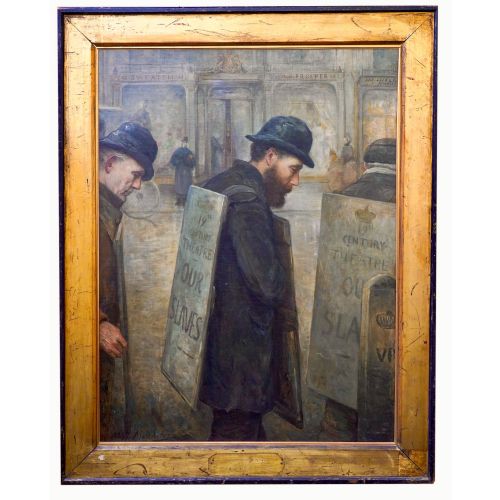
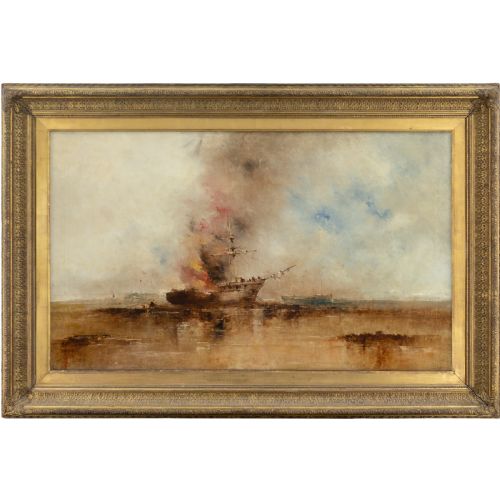
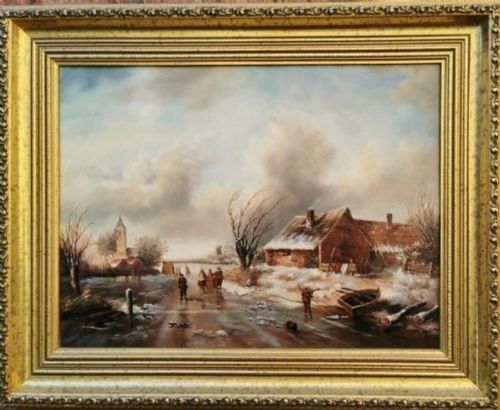
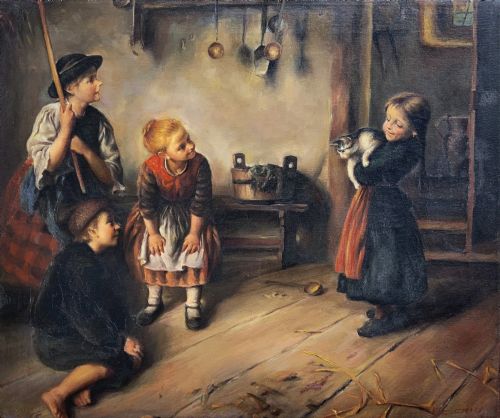
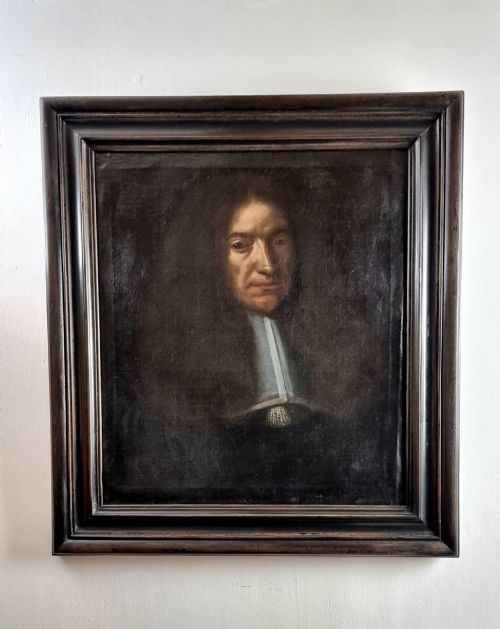
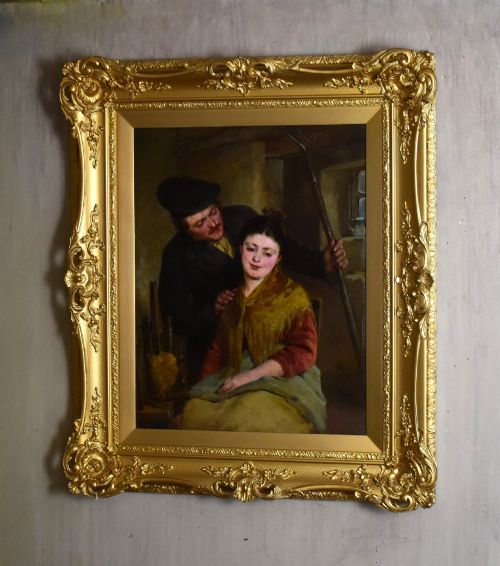
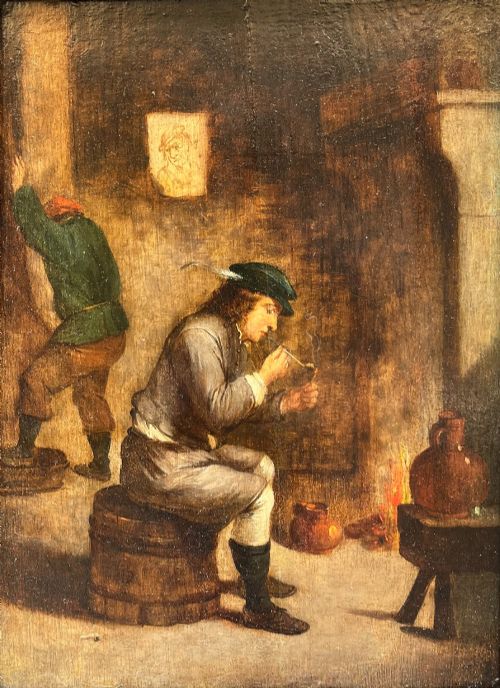
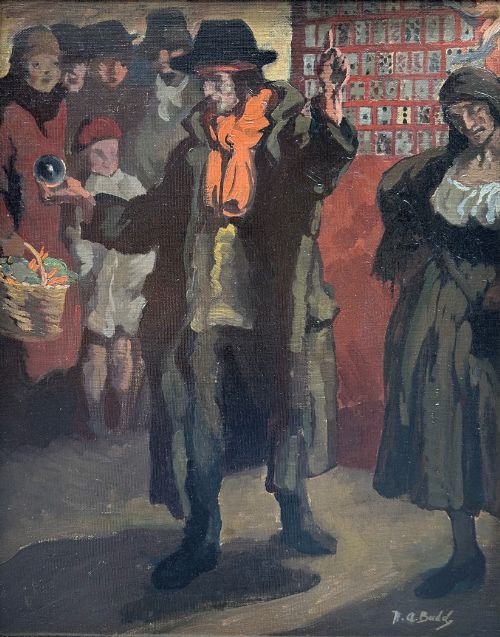
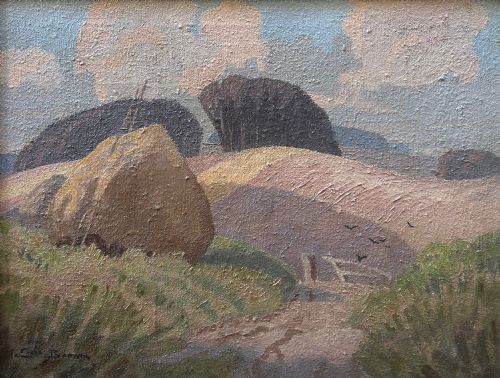
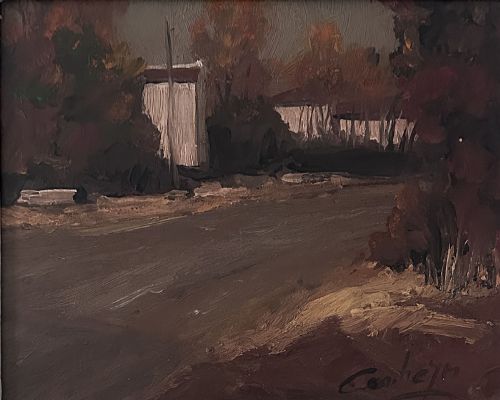
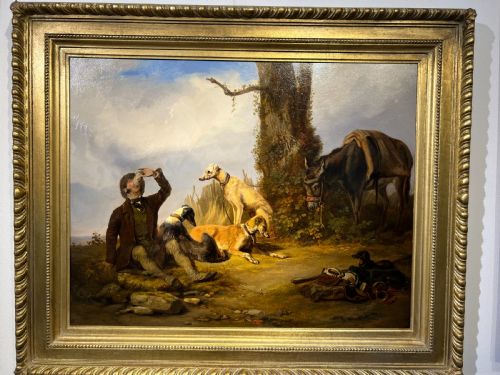
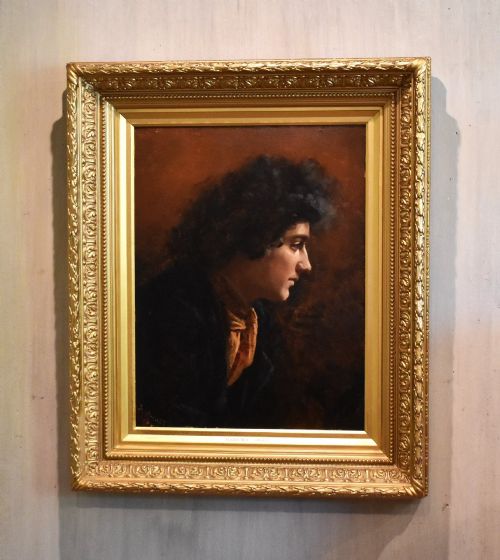
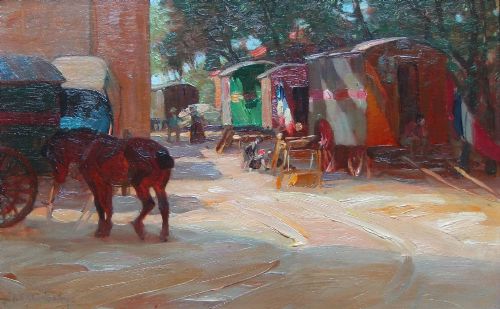
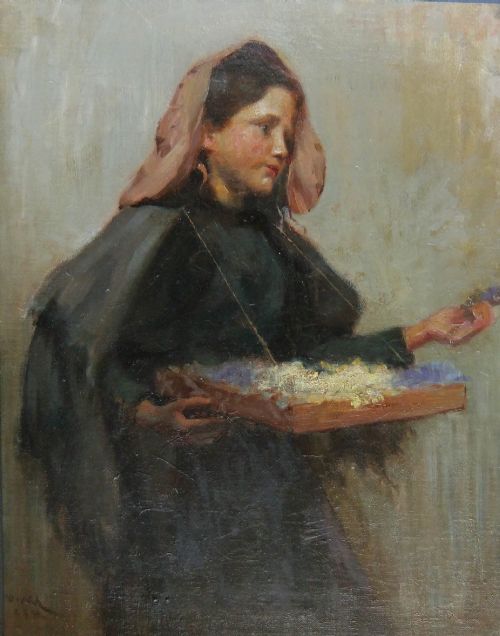
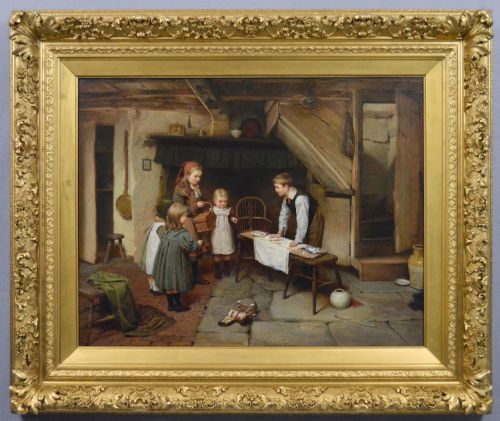
When you search for a brown tone canvas painting, you encounter works executed in oil on canvas or board, spanning periods from the seventeenth century through to the mid twentieth century. These artworks encompass varied subjects such as rustic farmyard scenes, portraits, winter landscapes, and social history pieces.
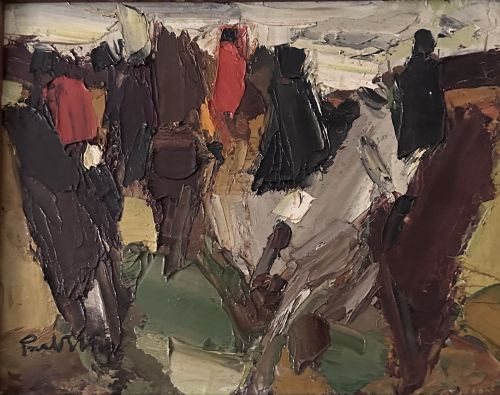
The most frequent examples found on this page date from the nineteenth and early twentieth centuries, featuring British Impressionism, Victorian realism, and early modernist expressions. Their palettes rely heavily on umbers, siennas, and muted ochres that give each canvas its characteristic depth.
Makers and artists range from named academic painters to continental figures working within distinct regional traditions, all utilising the textured weave of fabric to hold layered oil pigments.
How they were made
These works rely on oil paint applied to stretched canvas or wooden board, often built up in multiple glazes to achieve rich tonal graduation. The ground layer typically consists of a traditional priming that interacts with the upper pigment layers over decades.
Support materials include woven textile canvas stretched over wooden frames, alongside rigid wooden boards that provide a stable ground for impasto or fine brushwork. Wood framing often accompanies the piece, serving to protect the outer edges of the fabric.
The listings span periods from the 18th century through to the 1960s, utilising canvas, board, and oil paint across varied British and continental styles.
What varies in quality
The success of a brown tone canvas painting depends upon the handling of light and shadow within a restricted palette, where tonal gradation must create depth without losing clarity. Masterful brushwork defines the contours of figures and landscapes, separating accomplished compositions from standard studio productions.
The integrity of the canvas support and the stability of the oil paint layer determine the physical longevity of the artwork. Superior examples retain their original surface texture and tension within the wooden frame, showing harmonious ageing across the pigmented ground.
Felix Stone Moscheles·Sir Edwin Henry Landseer·John Frederick Herring·Herbert Ashwin Budd·David Teniers
The Brown Tone Canvas Painting Glossary
- Canvas
- A heavy woven fabric, usually linen or cotton, stretched across a wooden frame to serve as a support for oil painting. It provides a textured surface that grips successive layers of pigment.
- Impasto
- A technique where paint is laid onto a canvas in very thick areas, usually thick enough that the brush or palette-knife strokes are visible. This adds tangible physical texture and catches light across dark tones.
- Oil Paint
- A type of slow-drying paint consisting of particles of pigment suspended in a drying oil, commonly linseed. It allows for extensive blending and the building of translucent glazes.
- Genre Painting
- Pictorial representation of scenes from everyday life, involving ordinary people in domestic or outdoor settings. These works often emphasise narrative and character over formal portraiture.
- Ground
- The initial preparatory coating applied to a canvas or board before the artist begins painting. It seals the fabric and establishes the foundational absorbency for the oil colours.
Brown Tone Canvas Painting: Frequently Asked Questions
How do I care for an oil painting on canvas?
Keep the artwork away from direct sunlight and fluctuating humidity levels to protect both the canvas support and the brittle oil pigments. Dust the surface very gently with a dry, soft brush when necessary without applying pressure.
Avoid using liquid cleaners or damp cloths on the painted surface. Professional conservation is recommended if the canvas slackens on its frame.
What subjects appear most often in these works?
Traditional subjects include pastoral landscapes, farmyard scenes with livestock, portraits, and narrative genre pieces depicting everyday life. Many compositions focus on historical or rustic themes.
Artists frequently utilised subdued lighting, such as twilight or interior illumination, to emphasise the atmospheric brown tones across the canvas.
How can I tell a nineteenth-century work from a later piece?
Nineteenth-century canvases often display specific types of preparation on the reverse, alongside stretcher frames characteristic of historical period joinery. Stylistic markers such as Victorian realism or academic brushwork also signal the era.
Twentieth-century pieces on this page may show broader impasto techniques or modernist interpretations while retaining the traditional oil medium.
Are these paintings supplied with frames?
Many listings include period or complementary wooden frames that protect the edges of the canvas and complete the presentation. The style of the frame often corresponds to the era of the artwork.
Details regarding framing are specified in individual listings, noting whether the piece retains its original period mount or a later replacement.