






Brown Timber Hall Stand
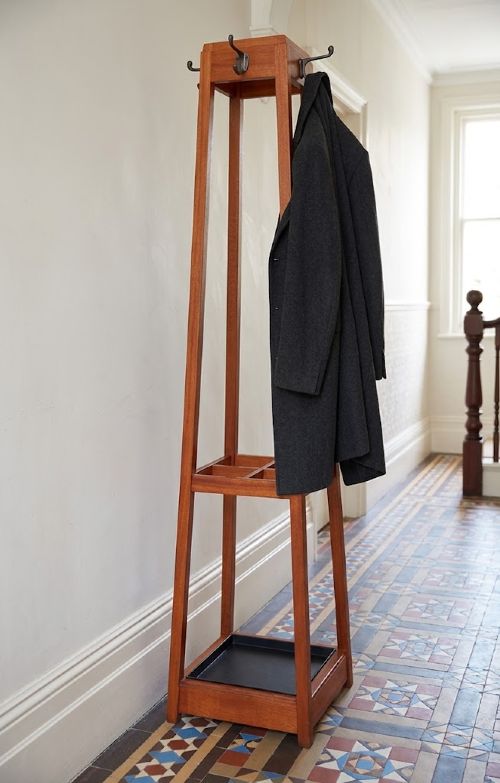
A brown timber hall stand anchors an entranceway with practical storage for coats, hats, and sticks.
Brown Timber Hall Stand
A brown timber hall stand serves as a functional piece of furniture designed for the hallway to hold outdoor garments and accessories. When searching for a brown timber hall stand, buyers encounter various historical periods ranging from the nineteenth century through to the early twentieth century.
Originating from periods like the Victorian era and the 1930s, these items reflect the domestic needs of past households. Buyers frequently find pieces constructed from solid oak, walnut, pine, and carved wood tailored for daily hallway use.
Materials and construction methods
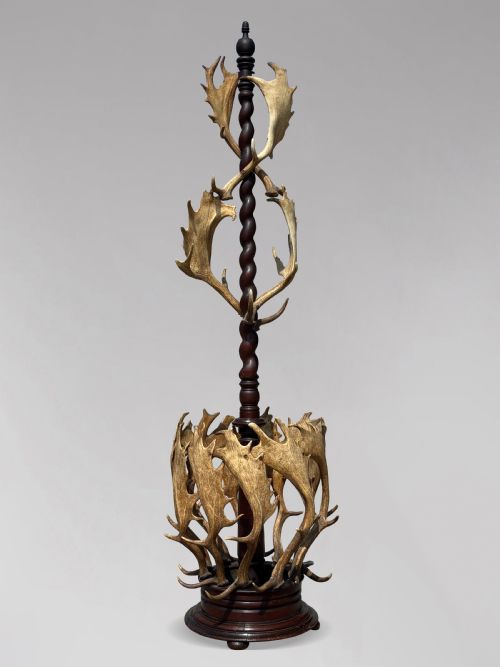
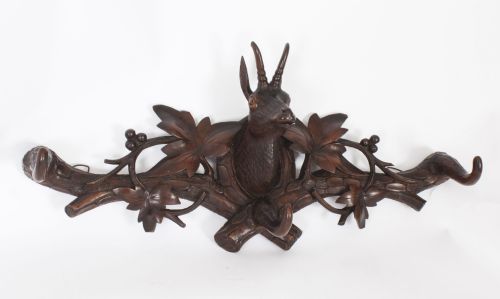
Constructed primarily from sturdy hardwoods and softwoods such as mahogany, oak, walnut, and pine, these pieces utilise traditional woodworking techniques. Carved wood details often feature prominently, particularly in Black Forest items displaying animal motifs like bears and chamois heads.
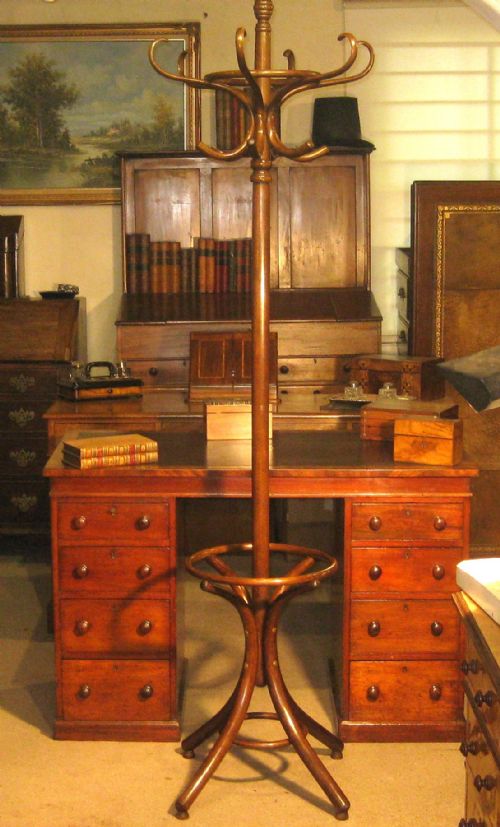
Metal and brass components frequently supplement the timber structure to form functional hooks, rails, and drip pans for umbrellas. Bentwood techniques appear in Edwardian hatstands, demonstrating the versatility of steam-bent timber.
Finishing methods rely on natural timber grains enhanced by polish or wax, highlighting the inherent qualities of materials like linden wood and mahogany. Structural joints are typically pegged or joined securely to bear the weight of heavy coats and walking sticks.
Listings feature items spanning the nineteenth century through to the 1930s, utilising mahogany, oak, pine, walnut, and linden wood.
Assessing quality in construction and detail
Quality in a brown timber hall stand is evident in the depth and precision of hand-carved elements, such as figurative animal heads or foliage. Superior examples display integration between the timber frame and functional brass or metal hardware.
The choice of material dictates the structural integrity, with dense timbers like mahogany and solid oak offering greater longevity than softer alternatives. Finer pieces maintain original hooks, drip trays, and mirrors without replacement parts.
J. Parker of Woodstock·Astrola
The Brown Timber Hall Stand Glossary
- Hallstand
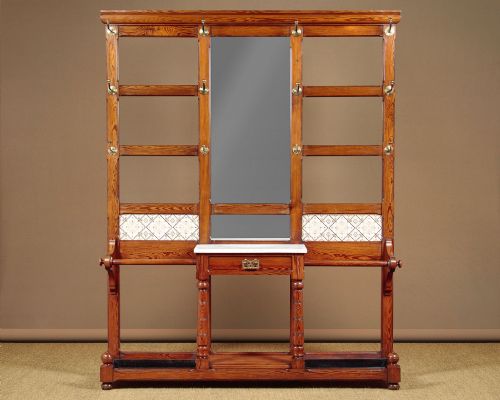
- A combined piece of furniture featuring hooks for coats, a mirror, a shelf, and wells for umbrellas or walking sticks. It provides a central storage point near an entrance.
- Bentwood
- Wood that has been heated with steam to make it pliable and then bent into curved shapes. This technique creates lightweight yet robust frames for stands.
- Black Forest
- A nineteenth-century style of intricate wood carving originating from the German region, known for realistic animal sculptures and rustic foliage. Pieces often incorporate carved bears or deer.
- Drip Pan
- A metal or ceramic tray placed at the base of a stick stand to catch rainwater from wet umbrellas. It protects the surrounding timber from moisture damage.
Brown Timber Hall Stand: Frequently Asked Questions
What is a hall stand used for?
A hall stand is designed to organise everyday outerwear by providing hooks for coats and hats, shelves for accessories, and dedicated holders for sticks and umbrellas.
Historically placed in the entrance hall of a home, it offered visitors and residents a convenient spot to deposit wet or heavy garments upon entry.
How do I identify a Victorian hall stand?
Victorian pieces typically feature darker timbers such as mahogany or walnut, often complemented by heavy carved details, turned columns, and central mirrors.
They tend to have robust proportions and incorporate cast iron or brass hooks designed to withstand the weight of heavy woollen coats.
Are stick stands included with coat stands?
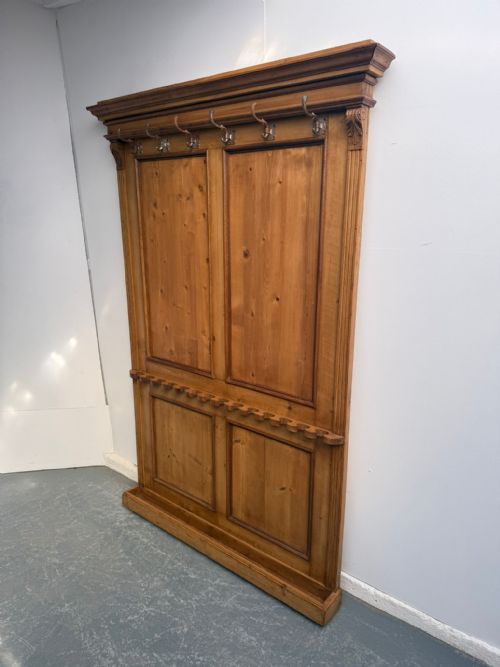
Many traditional hall stands integrate umbrella and stick holders into their lower sections, often accompanied by metal drip pans to protect the wood.
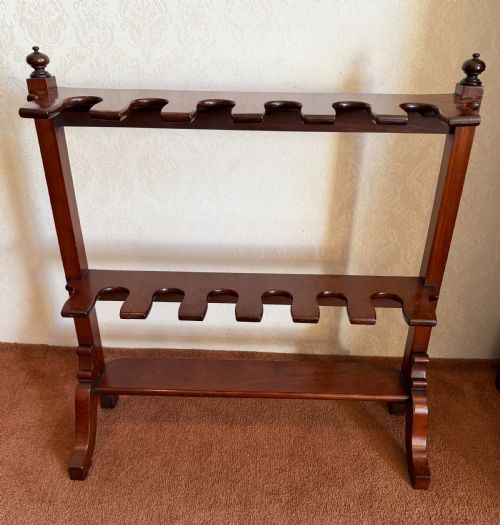
Some standalone versions focus exclusively on holding walking sticks, whips, or umbrellas without the upper coat hooks.
How do I care for antique timber?
Maintain antique timber by keeping it away from direct heat sources and sudden changes in humidity to prevent the wood from drying out or splitting.
Apply a suitable wax polish periodically to nourish the surface and preserve the natural sheen of the wood.