


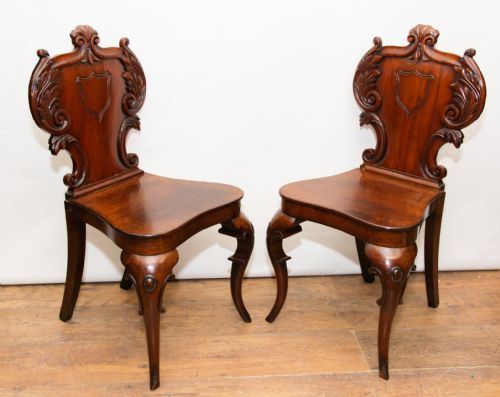


Brown Timber Hall Chair
A brown timber hall chair provides an architectural focal point for an entranceway, combining sturdy utility with distinct period character.
Brown Timber Hall Chair
A brown timber hall chair is a rigid wooden seat designed primarily for display and brief use in entrance halls rather than long hours of sitting. These pieces appear across multiple historical periods, including Georgian, Regency, and Victorian eras, reflecting shifting domestic tastes in British and continental households.
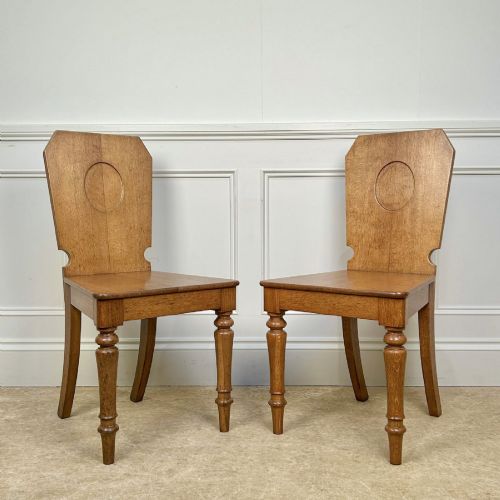
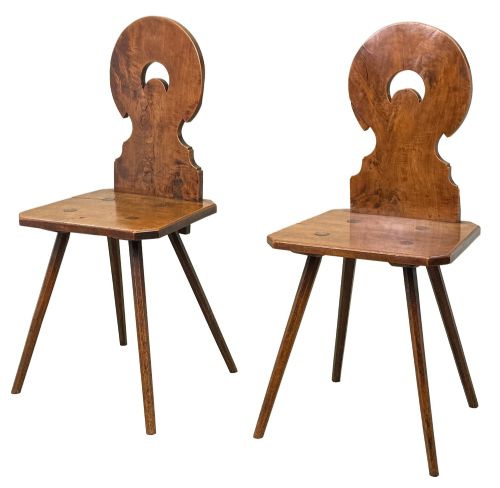
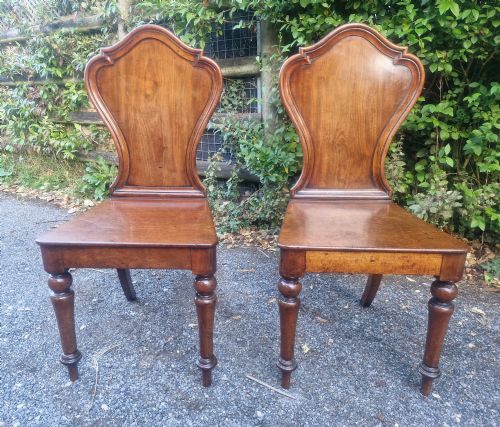
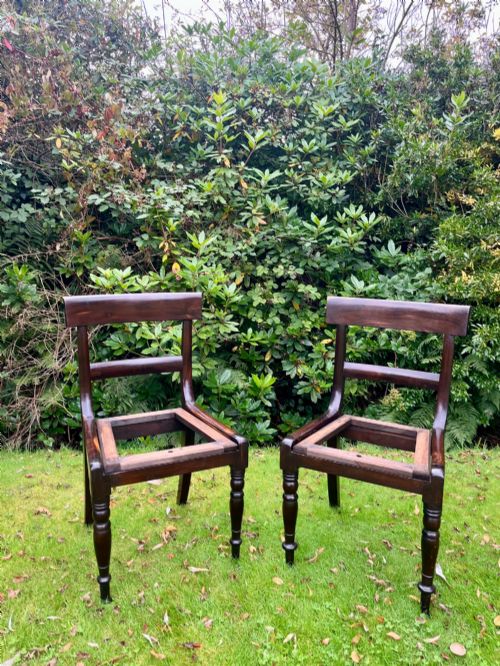
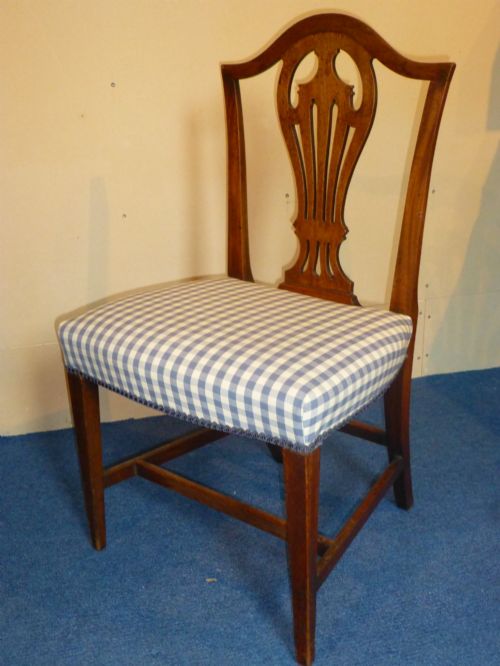
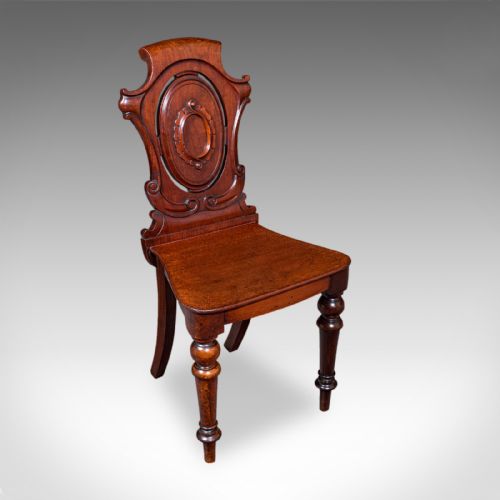
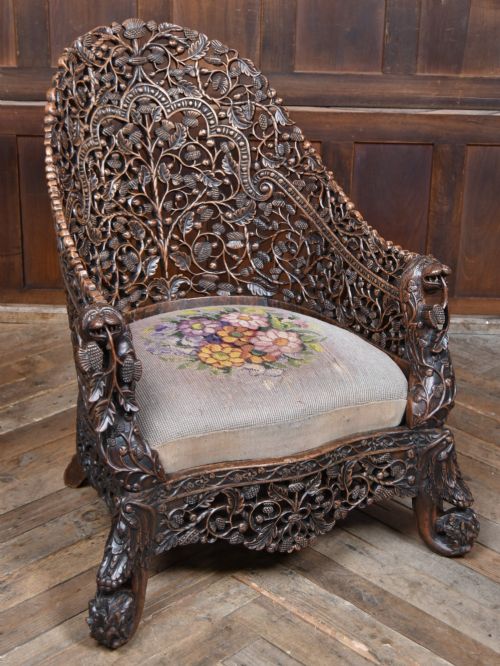
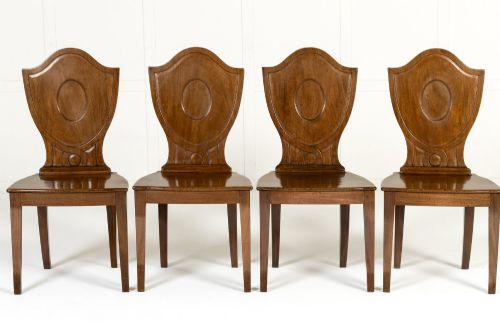
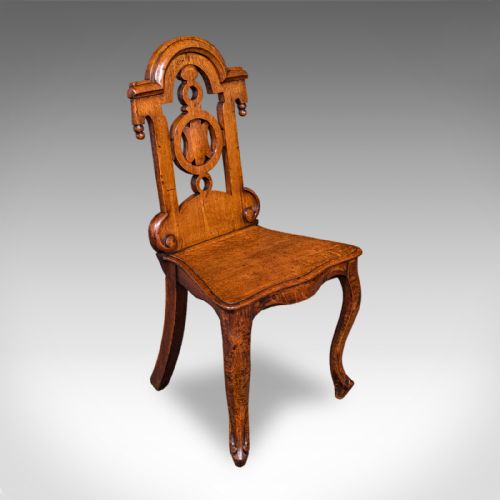
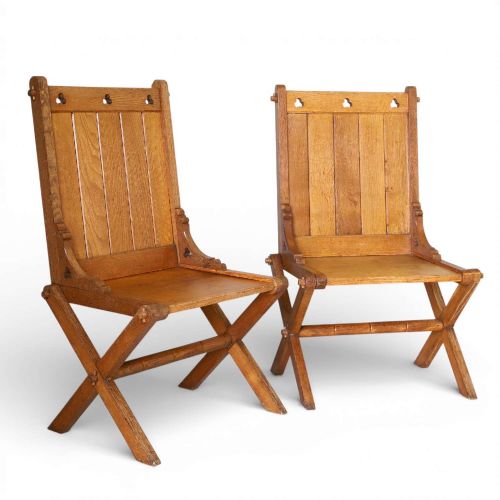
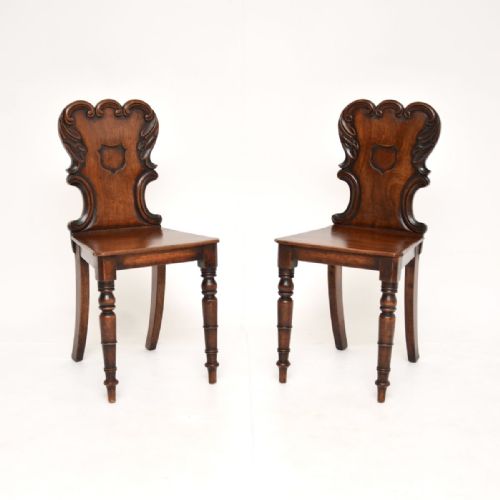
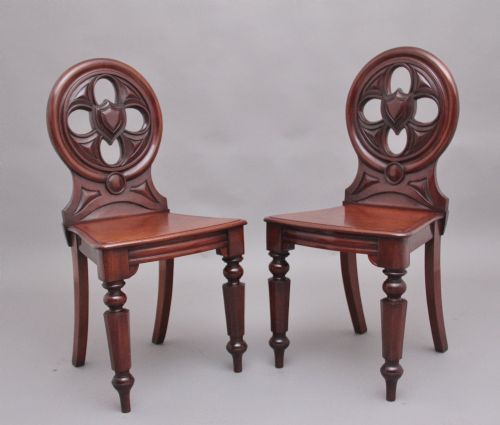
Buyers browsing this selection encounter various forms, from shield-back and oval-back mahogany designs to carved oak Gothic Revival and folk art fruitwood pieces. Sets of chairs, particularly pairs, appear frequently alongside individual seats and benches.
Originating largely from British workshops, these utilitarian seats occasionally draw from broader European traditions such as Swiss folk art or French design. Their primary function in a period home involved signalling status to visitors while offering a practical spot near the door.
Assessing quality and craftsmanship
Quality in a brown timber hall chair rests on the crispness of the carving and the selection of figured timber, such as heavily marked mahogany or deeply grained oak. Superior pieces exhibit well-proportioned frames where structural elements and decorative motifs maintain balance without feeling heavy.
The integrity of the timber and the precision of the joinery dictate the longevity of the piece, particularly where carved backsplats meet the solid wooden seat. Examples bearing attribution to known makers or originating from matched sets command distinct attention from collectors.
Brown Timber Hall Chair Retail Price Guide 2026
Typical asking prices for brown timber hall chair among the pieces listed under this phrase on Sellingantiques today, from the lower quarter to the upper quarter. They describe what is for sale here now, not the wider market.
Swiss mountain folk and Welsh spinners apparently needed extremely specific seating arrangements.
Gillows·Holland & Sons
The Brown Timber Hall Chair Glossary
- Shield-back
- A chair back shaped like a heraldic shield, popular during the Georgian and Regency periods. This form allows for intricate pierced carving within the wooden frame.
- Hall chair
- A rigid, wooden seat placed in an entrance hall, typically featuring a solid timber seat and a carved or painted family crest on the back. These items prioritised display over comfort.
- Gothic Revival
- A nineteenth-century design style drawing inspiration from medieval architecture. Pieces feature pointed arches, trefoil motifs, and heavy carved oak.
- Fruitwood
- A generic term for timber harvested from fruit-bearing trees such as pear, apple, or cherry. Cabinet makers utilised these dense woods for rural and folk art furniture.
- Armorial
- Relating to heraldry, featuring a carved or painted family crest or coat of arms. Such details frequently appear on the crest rails of formal entrance seats.
Brown Timber Hall Chair: Frequently Asked Questions
Where did people put hall chairs?
These seats stood strictly in entrance halls, corridors, and grand reception spaces rather than living rooms. Households used them as functional furniture where visitors could wait briefly.
Because they lacked upholstery, the wood resisted dust and dirt brought in from outside doorways.
Are hall chairs comfortable to sit on?
They offer very little comfort, as they feature rigid wooden seats and upright backs without padding. Their purpose was architectural and ceremonial rather than relaxing.
Consequently, owners rarely sat in them for extended periods during daily household routines.
How do I date a brown timber hall chair?
Dating relies on identifying stylistic shifts in the timber framework, such as Georgian shield-backs, Regency curves, or Victorian Gothic revival carving. Tool marks and timber choice also point toward specific manufacturing decades.
Comparing the turned leg profiles and joint construction against documented examples helps narrow the period of origin.
Why do many hall chairs feature crests?
Carved or painted armorial bearings displayed the lineage and status of the household to arriving guests. Landed gentry commissioned matching sets for their country houses.
This heraldic custom reinforced the function of the entrance hall as a space of formal greeting.