


Wooden Entryway Chairs
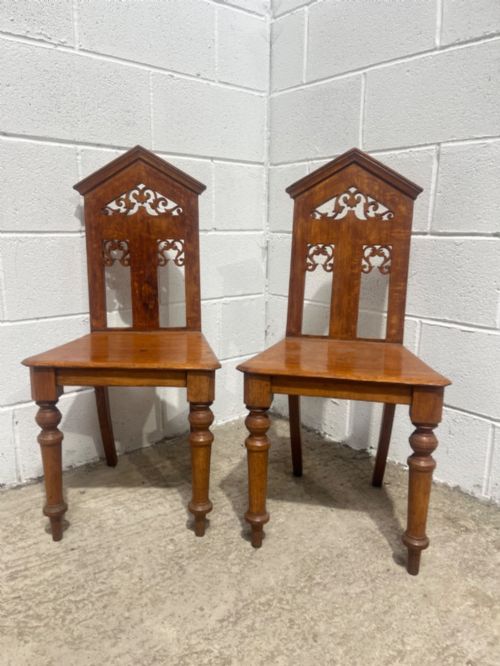
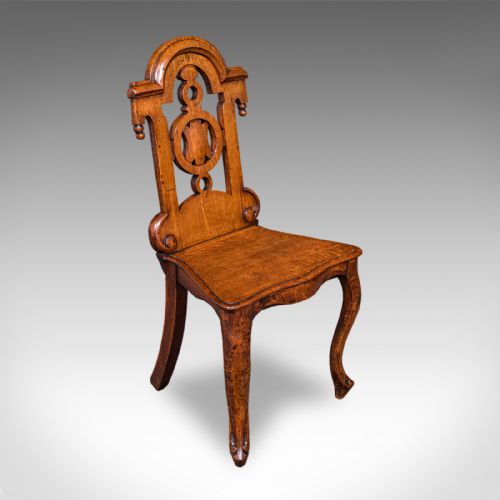
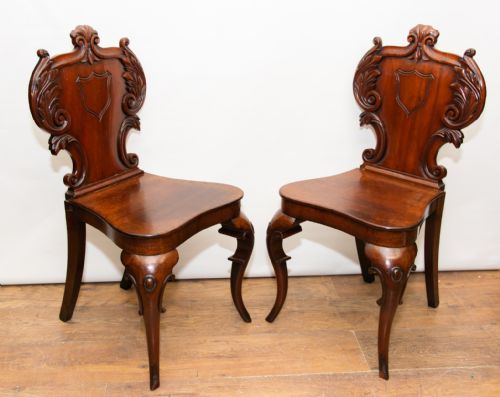
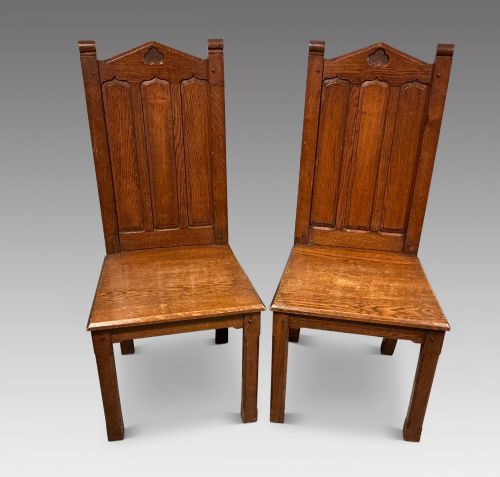
Wooden entryway chairs are functional historic seats designed for corridors and passages, offering sturdy timber construction and sculptural backs that anchor a hallway.
Wooden Entryway Chairs
When you search for wooden entryway chairs, you encounter a specialised form historically built to stand in corridors and reception spaces rather than around a dining table. These pieces generally lack upholstered cushions, relying instead on shaped timber or rush seating designed for brief periods of waiting.
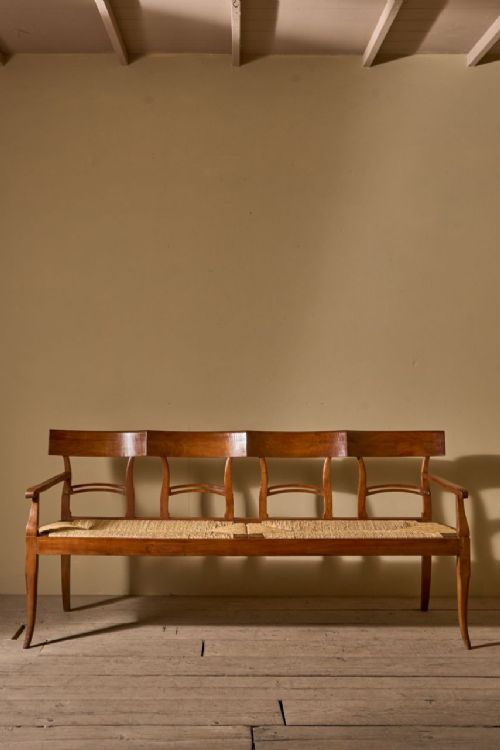
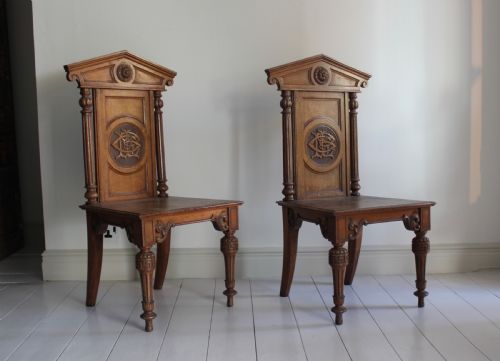
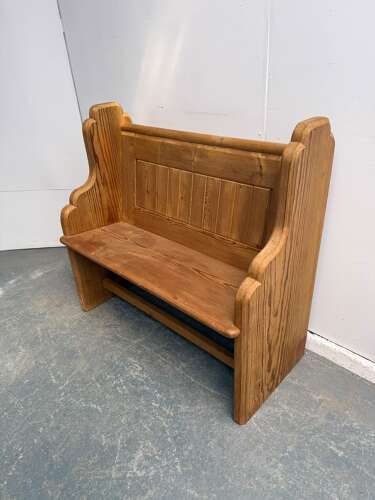
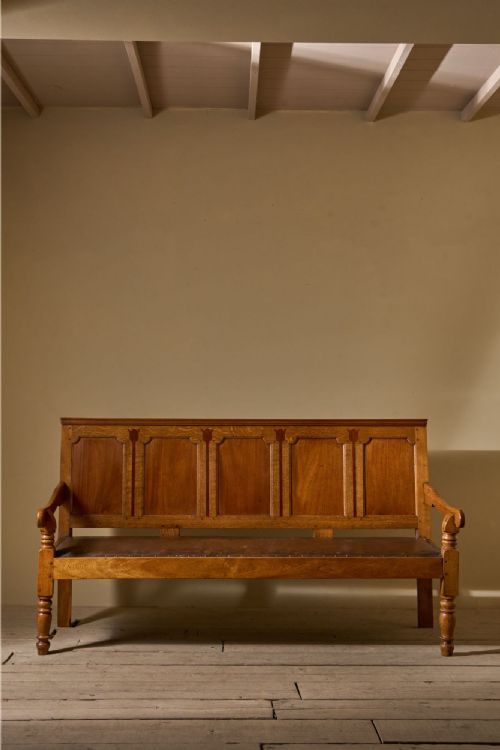
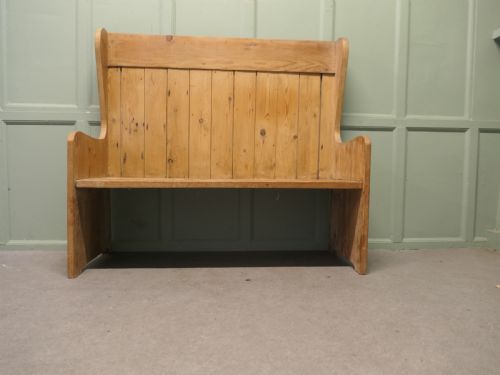
The selections span distinct historical eras, with Victorian and nineteenth century examples appearing alongside earlier Georgian and Regency pieces. Oak and mahogany dominate the offerings, taking the form of single chairs, matched pairs, or long benches and settles.
Materials and construction
Cabinet makers utilised dense hardwoods such as mahogany and oak to withstand heavy daily use in busy entranceways. Pine and cherrywood also appear, particularly in rustic country benches and church pews.
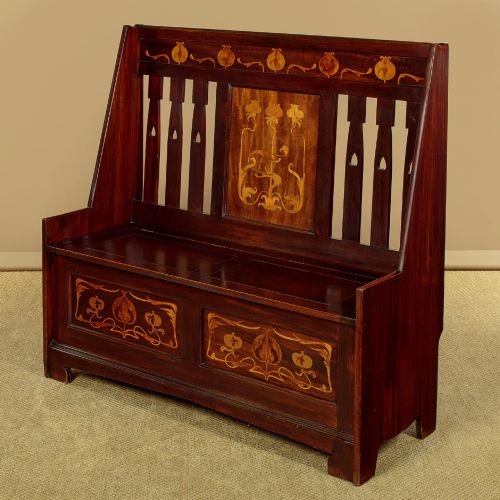
Joinery techniques combined solid timber panels with carved wooden seats, often featuring integrated storage boxes or rush seating. Surface finishes range from waxed polish to painted details and carved armorial decoration.
Listings feature oak and mahogany across Victorian, Regency, and Georgian periods, alongside rustic pine country benches.
Judging quality in timber hall seating
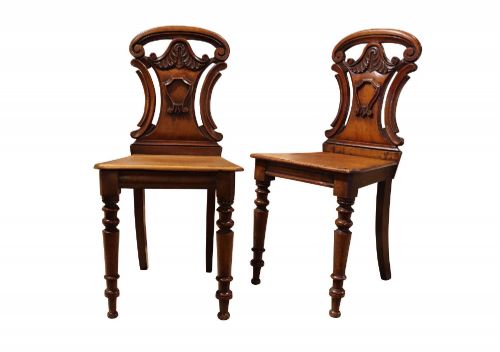
Depth of carving and sharpness of detail separate standard production pieces from finer examples commissioned for country houses. Armorial crests and pelta backs show the skill of the carver.
Timber selection dictates overall character, with well-figured mahogany and quarter-sawn oak holding their structural integrity and surface patina better than softer woods over centuries of use.
James Shoolbred & Co.·Gillows
The Wooden Entryway Chairs Glossary
- Hall chair
- A rigid wooden seat intended for a hallway or entryway, often featuring a solid carved timber seat and a decorated back. These pieces were rarely meant for long periods of sitting.
- Settle
- A wooden bench with a high back designed to block draughts in an entranceway or beside a fire, frequently incorporating storage beneath the seat. Early versions utilise heavy oak panels.
- Shield back
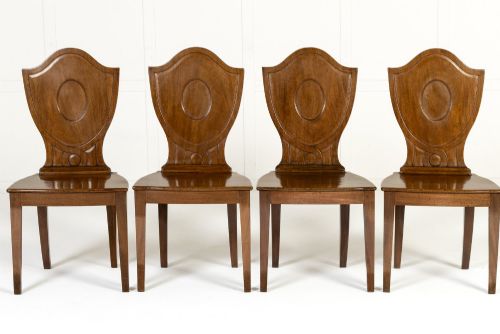
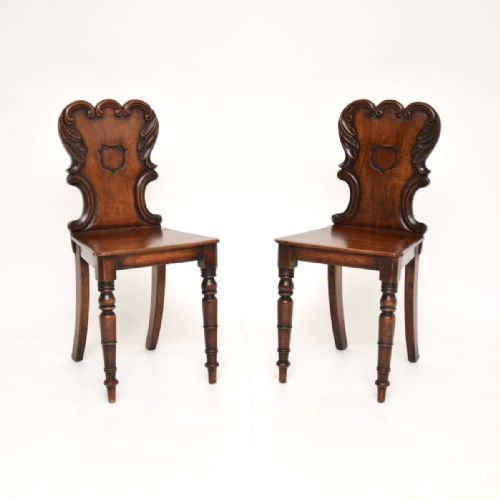
- A chair back shaped in the outline of a heraldic shield, popular during the eighteenth century. This design allows for intricate carved decoration within the wooden frame.
- Sgabello
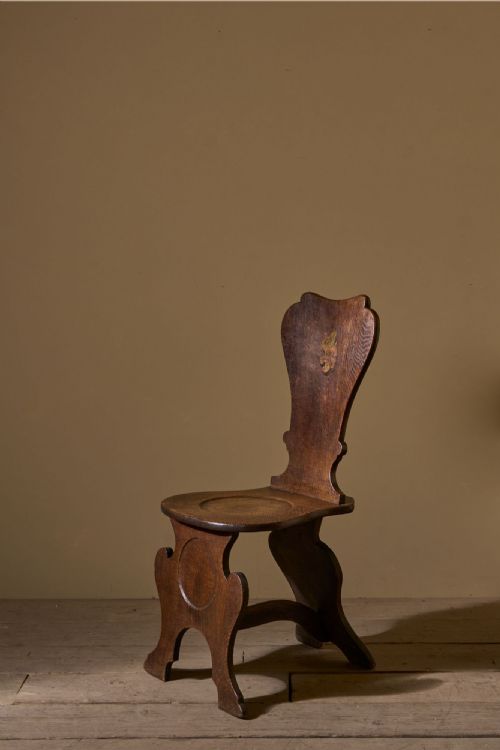
- A Renaissance-style chair form featuring a solid wooden back and trestle supports instead of traditional legs. Examples in oak appear in nineteenth-century revival groups.
- Pelta back
- A chair back shaped like a classical shield or crescent, seen on Regency and nineteenth-century mahogany seating. The curved silhouette references ancient architectural motifs.
Wooden Entryway Chairs: Frequently Asked Questions
Where were wooden entryway chairs placed?
These seats stood in grand hallways, vestibules, and country house corridors where visitors waited before entering the main reception rooms. Their firm wooden construction discouraged lingering.
In smaller houses and country pubs, similar benches and settles stood near doors or firesides to provide functional seating out of draughts.
Why do hall chairs lack upholstery?
Makers designed hall chairs for brief waiting rather than relaxed sitting, meaning padded cushions were unnecessary. Hard wooden seats also prevented servants from sitting idle in reception areas.
Bare timber surfaces resisted dust and wear from outdoor coats and heavy daily traffic in busy corridors.
How do I identify a Regency hall chair?
Regency pieces often feature classical motifs such as pelta backs, brass inlay, or bold mahogany grain. The silhouettes draw heavily on ancient Greek and Roman designs.
Carved armorial crests are also common on country house examples from this period, reflecting family lineage.
Can I use an antique hall chair daily?
Solid hardwood construction in oak and mahogany makes these pieces remarkably durable for everyday use in modern corridors. Their compact footprints suit narrow spaces well.
Placing them in entryways maintains their original historic function as practical seating for pulling on shoes.