
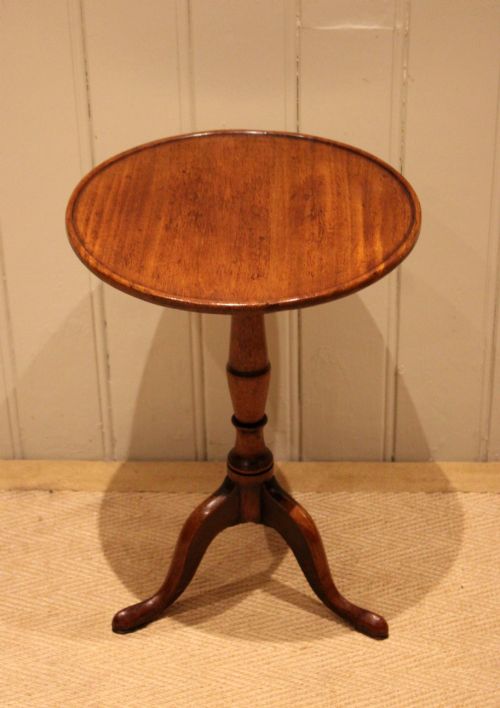

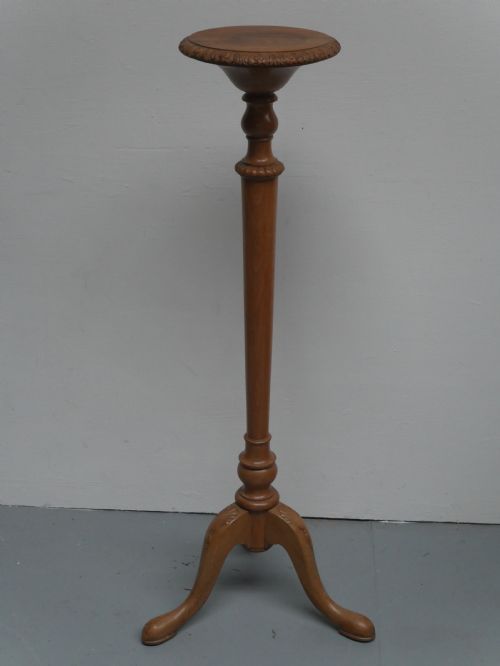


Brown Timber Column
A brown timber column brings architectural form and elevation to a room, functioning primarily as a sturdy pedestal, lamp stand or decorative display base.
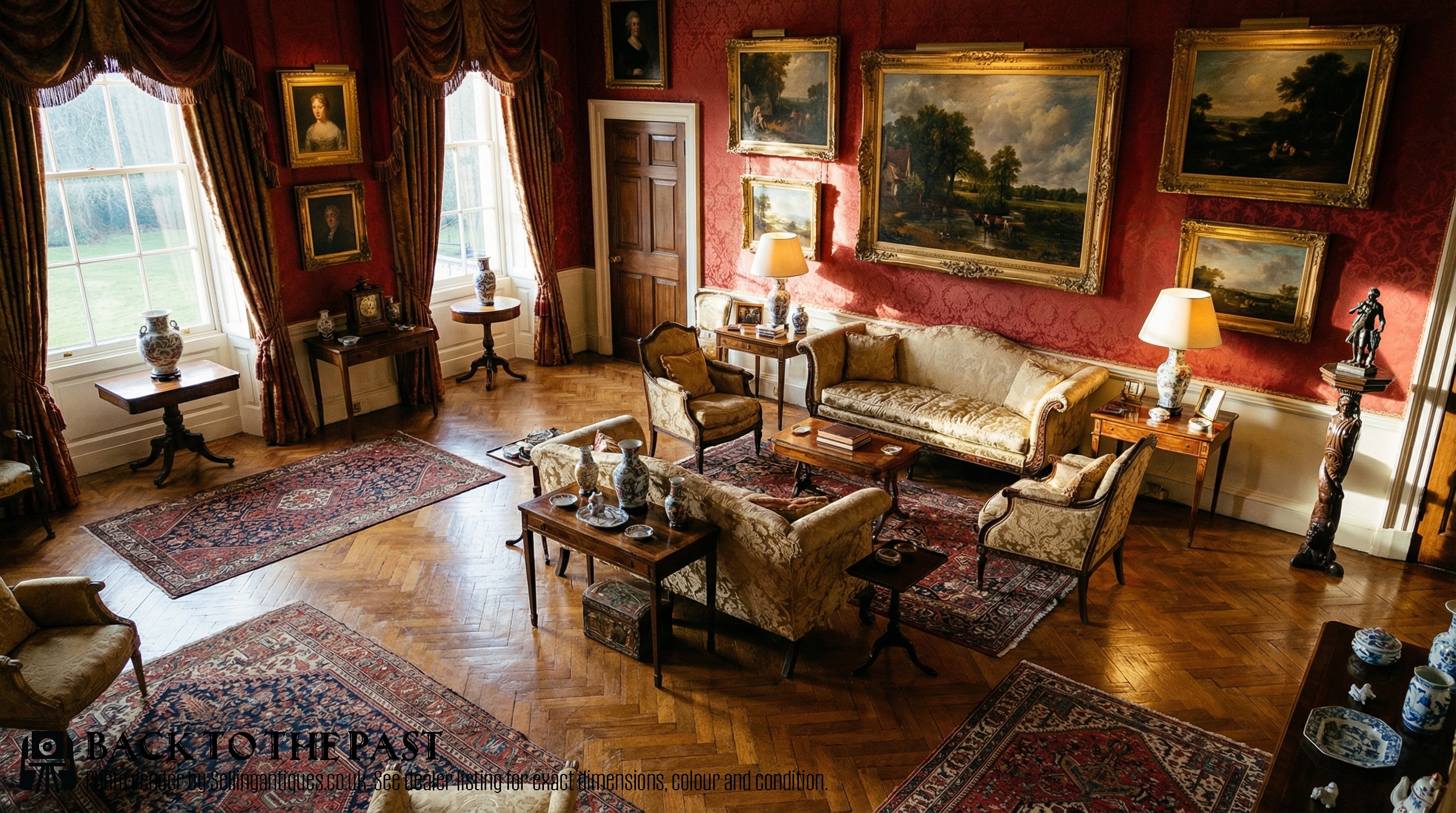
Brown Timber Column
A brown timber column search covers upright architectural supports, pedestals, plant stands and standard lamps that serve to raise sculptures, urns or light sources. The pieces on this page span the nineteenth century through the early twentieth century, incorporating Victorian, Georgian, Regency and Art Deco styles.
Buyers encounter standalone architectural columns, turned plant stands, fluted pedestals and display cupboards shaped from various woods. These vertical forms operate effectively in hallways, corners and reception rooms to anchor display items.
How they were made
Makers utilised solid timbers such as mahogany, walnut, oak, elm and cedar, alongside flame mahogany veneer and stained birch or beech. Construction methods combine turning on a lathe for cylindrical shafts with hand carving for capitals, bases and decorative enrichment.
Structural elements frequently include brass fittings or secret compartments within pedestals and cabinets. Surfaces receive polishing or staining to highlight the natural grain of the wood.
The listings span the nineteenth century and early twentieth century, featuring mahogany, walnut, oak, elm, cedar and rosewood.
What varies in quality
Quality separates ordinary turned posts from intricately carved caryatid figures, figural Blackamoor stands and finely fluted architectural shafts. The depth and crispness of the hand carving indicate the skill level of the original workshop.
Proportion and stability define superior examples, where substantial timber bases prevent tipping when supporting heavy stone busts or large lamps. Selection of superior veneers and dense hardwoods like gonçaloalvez or rosewood also elevates a piece.
The Brown Timber Column Glossary
- Column
- A vertical structural member, usually cylindrical, comprising a base, shaft and capital. These items often function decoratively or as display supports.
- Pedestal
- An upright support for a statue, urn, lamp or vase. They lift objects to eye level within a room.
- Torchiere
- A tall stand or floor lamp designed to hold a light source high above the floor. They appear in pairs and single formats.
- Caryatid
- A sculpted female figure serving as an architectural support taking the place of a column or pilaster. They bring classical sculptural detail to furniture.
- Flame Mahogany Veneer
- A thin layer of wood sliced from mahogany showing a distinctive flickering flame pattern. This veneer decorates the outer surfaces of high-status furniture.
Brown Timber Column: Frequently Asked Questions
How do I use a column at home?
Columns and pedestals serve to display sculptures, plants, urns and lamps in empty corners or beside furniture. They create vertical emphasis and draw the eye upward in high-ceilinged rooms.
Heavier examples can support substantial stone or bronze items safely, while lighter stands suit floral arrangements and small decorative objects.
What is the difference between a pedestal and a column?
A column specifically refers to an architectural shaft with a defined base and capital, whereas a pedestal encompasses a broader category of box or pillar-like stands designed solely for display.
Many pieces combine both concepts, featuring classical column profiles adapted into freestanding furniture for interior placement.
How do I date a timber column?
Dating relies on stylistic clues such as Neoclassical or Art Deco motifs, combined with the choice of primary timber and secondary framing woods. Victorian and late nineteenth-century pieces often display heavy carving or dark staining.
Earlier pieces from the Georgian or Regency periods utilise dense solid mahogany or rosewood with restrained classical proportions.
Are these columns structural?
The pieces listed function as decorative furniture, lamp stands and display pedestals rather than load-bearing architectural building components. They stand independently on floors without supporting structural ceilings.
Architectural salvage examples may have originated from interior building contexts, but they operate domestically as display items.