


Brown Timber Casket
A brown timber casket is a solid repository of history, holding secrets in walnut, oak, and camphor wood across centuries.
Brown Timber Casket
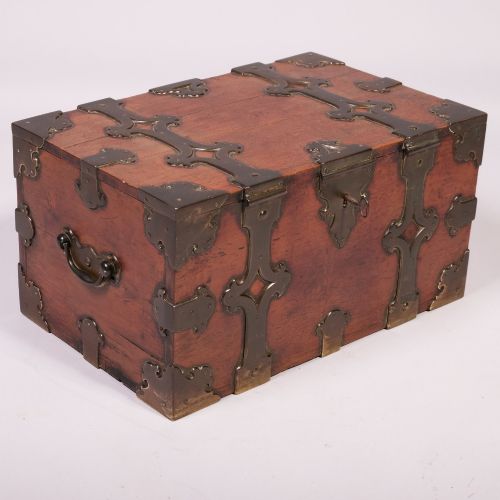
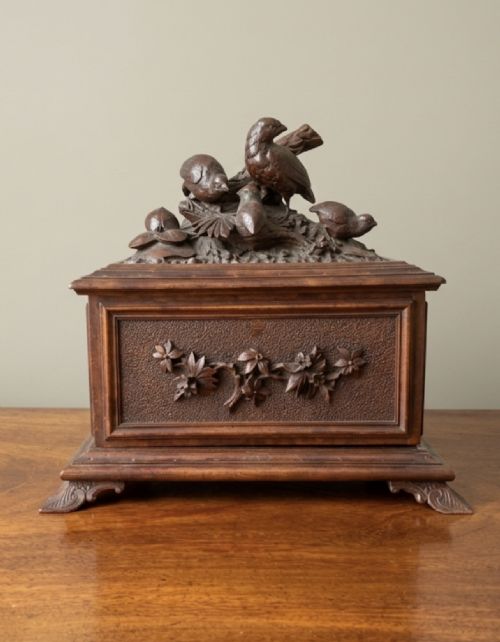
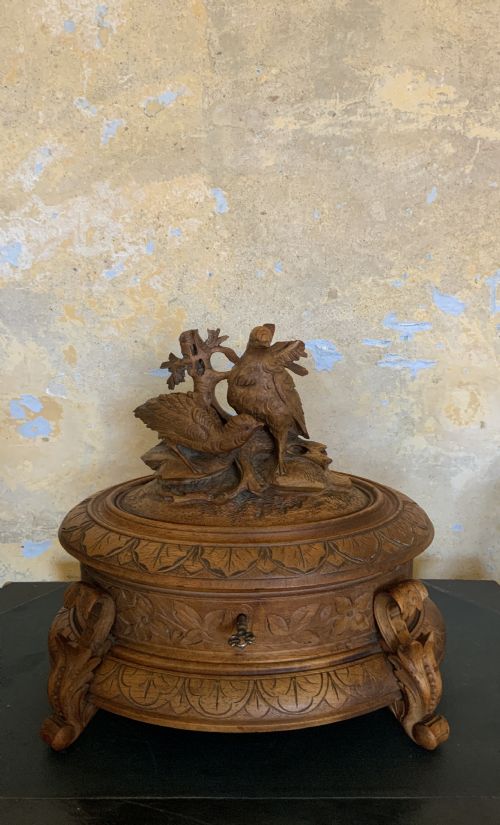
A brown timber casket represents a diverse group of boxes and decorative containers shaped by centuries of woodworking tradition. When you search for brown timber casket, you encounter everything from early eighteenth century camphor examples to Victorian presentation boxes and carved Black Forest vessels.
The pieces appearing on this page span from the seventeenth century through to the 1920s, originating from English workshops, Dutch makers, Anglo-Indian trade routes, and Qajar Iran. Oak, walnut, and various carved woods dominate the selection, functioning as jewellery boxes, humidors, and desktop containers.
Materials and construction
Construction relies heavily on solid woods such as oak, walnut, camphor wood, and fruitwood, often enhanced with intricate carved details. Artisans frequently added brass mounts, brass banding, and silver elements to reinforce corners and secure lids.
Surface decoration ranges from deep Black Forest carving and Tunbridge Ware mosaic patterns to delicate marquetry and elaborate amboyna burr veneers. Dutch dome-topped styles and sarcophagus shapes utilise these varied timbers to create robust storage forms.
Judging quality
Quality rests upon the precision of the timber selection, visible in the choice of burr wood, laburnum oyster pieces, or fragrant camphor wood. The depth and clarity of the carved elements, particularly in Black Forest and Anglo-Indian works, distinguish master carvers from standard production.
The integration of metal hardware, such as secure brass mounts and hinges, indicates the original maker's investment in longevity. Superior boxes maintain structural integrity alongside well-fitted lids and intact interior compartments.
The Brown Timber Casket Glossary
- Camphor wood
- A fragrant timber native to Asia, utilised for caskets to deter insects and protect contents. Its distinct aroma remains recognisable over centuries.
- Black Forest
- A regional style of wood carving originating from central Europe, characterised by deeply modelled foliage, animals, and naturalistic scenes on wooden surfaces.
- Tunbridge Ware
- A form of British woodworking featuring intricate mosaic decoration made from tiny wood blocks arranged to form geometric or pictorial scenes.
- Sarcophagus-shaped
- A box design tapering towards the top with a distinctive sloped lid, popular during the Regency and William IV periods for presentation boxes.
- Amboyna burr
- A highly prized decorative wood veneer harvested from the burl growths of the Pterocarpus indicus tree, known for its swirling grain patterns.
Brown Timber Casket: Frequently Asked Questions
What were brown timber caskets originally used for?
These boxes served as secure storage for valuable personal items, documents, jewellery, and cigars. Many functioned as presentation pieces or specialised humidors for tobacco.
Over time, owners adapted them to hold keepsakes, letters, and curiosities according to the changing domestic needs of each century.
How do I identify a Victorian casket?
Victorian examples often display characteristic period revival styles, rich dark timbers like walnut and rosewood, and careful brass hardware. Look for interior velvet or silk linings and robust dovetail construction.
Makers of this era frequently employed decorative techniques like Tunbridge Ware or elaborate carving to showcase contemporary taste.
Are these boxes suitable for daily use?
Most antique caskets function very well for storing jewellery, watches, or desk accessories today. Their sturdy wooden construction and original compartments remain practical for modern organisation.
Care should be taken to keep them away from direct sunlight and excessive humidity to preserve the older timbers and veneers.
What is the difference between an 18th and 19th-century box?
Eighteenth-century pieces, such as early brass-mounted camphor boxes, tend to focus on utilitarian strength combined with simple, robust joinery. Nineteenth-century versions frequently introduce more decorative flourishes, exotic veneers, and specialised interior trays.
Stylistic cues and the specific type of brass mount or hinge often provide the clearest clues to a box's age.