


Brown Timber Carving
Brown timber carving brings together centuries of woodwork, from 16th-century oak panels to Black Forest animal figures, offering solid craftsmanship for any interior.
Brown Timber Carving
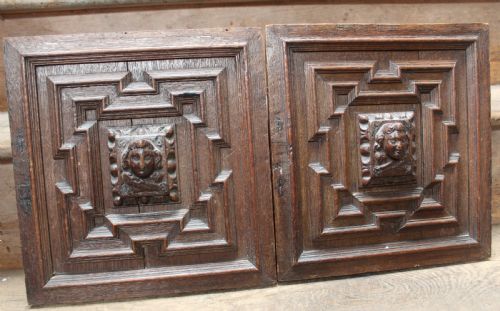
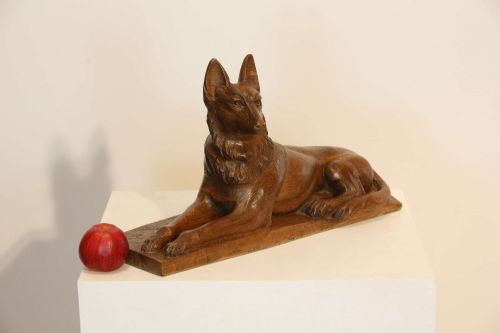
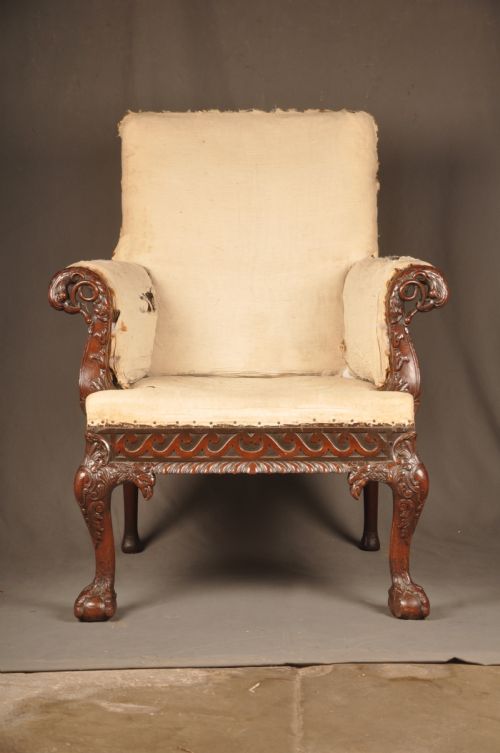
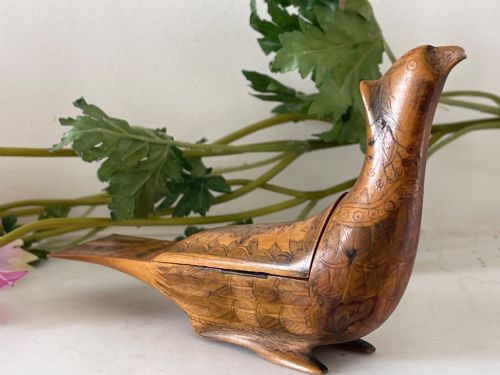
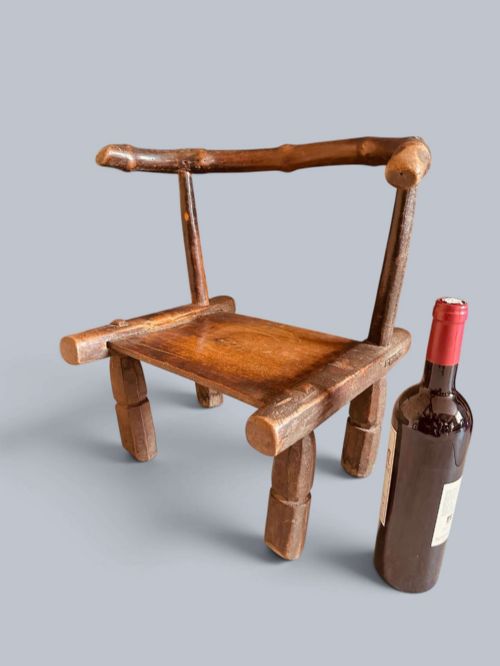
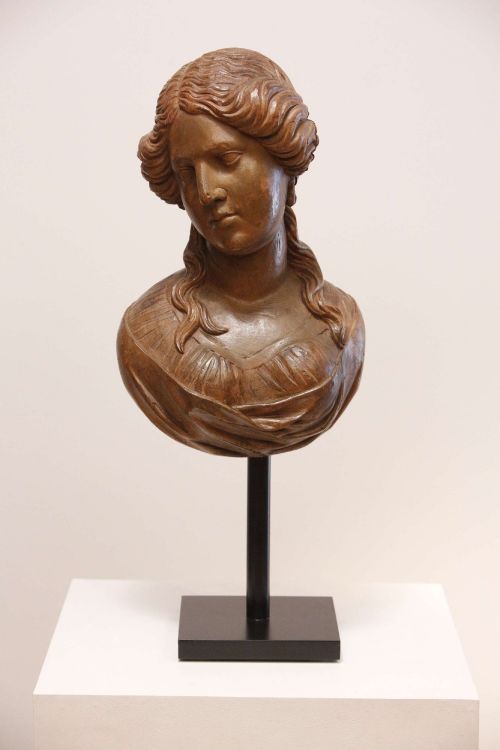
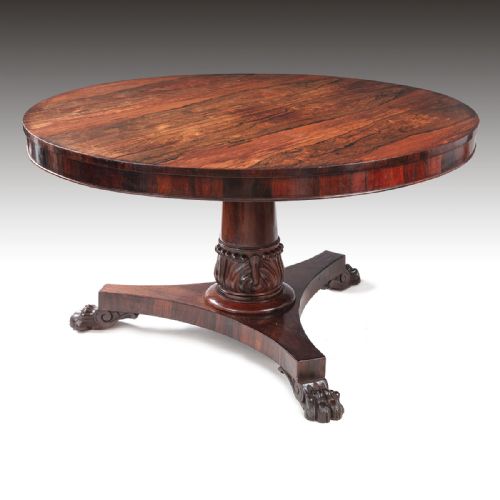
A brown timber carving selection spans functional furniture, architectural elements and decorative objects shaped from various woods across multiple centuries. Buyers encounter items ranging from 16th-century linenfold panels and settles to 19th-century Black Forest animal figures, hall chairs and wall shelves.
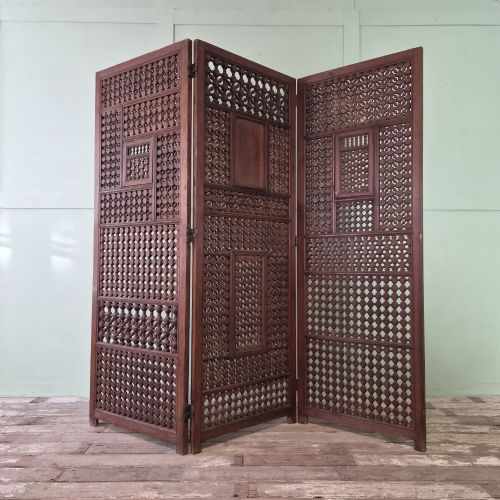
The objects take diverse forms, including benches, stools, beds, cupboards, bookcases and small decorative pieces like snuff boxes and bookends. Origins stretch from English and Scottish workshops to continental Europe and Asia, incorporating styles such as Gothic Revival, Tudor, Regency and Folk Art.
Materials and construction methods
These pieces rely on dense woods selected for their grain and stability, predominantly oak, walnut, mahogany, fruitwood and general hardwoods. Makers shaped the material using traditional hand tools, employing techniques like relief carving, piercing and turning to build structural furniture and decorative panels.
Surface treatments remain straightforward, often depending on natural wax polishing to preserve the timber grain, though occasional painted details appear on items such as wooden decoy ducks or folk art objects.
Brown Timber Carving Retail Price Guide 2026
Typical asking prices for brown timber carving among the pieces listed under this phrase on Sellingantiques today, from the lower quarter to the upper quarter. They describe what is for sale here now, not the wider market.
Materials across the listings include oak, walnut, mahogany, fruitwood, pine, teak, iron and paint.
Distinctions in execution and design
Quality rests in the depth and crispness of the hand carving, where skilful execution yields sharp relief, balanced proportions and convincing anatomical or geometric details. Superior examples display thoughtful integration between the carved decoration and the underlying structural timber.
Condition and originality also divide the selection, favouring pieces that retain their original surface patination, structural integrity and authentic period fixings over heavily restored or later altered examples.
Oliver Morel
The Brown Timber Carving Glossary
- Linenfold
- A style of relief carving used on wooden panels to imitate folded fabric, popular during the Tudor period. It creates vertical folds resembling starched linen.
- Black Forest
- A style of wood carving originating in the Swiss and German mountain regions during the 19th century. These pieces typically depict local fauna and flora with naturalistic detail.
- Baronial
- A heavy, substantial style of furniture associated with large Scottish and English country houses. Pieces often incorporate robust timber and formal architectural motifs.
- Hardwood
- Timber derived from broad-leaved deciduous trees, offering high density and durability. Examples include oak, walnut, mahogany and teak.
- Settle
- A wooden bench with a high back, solid arms and often a storage box beneath the seat. This form dates back to medieval interiors.
Brown Timber Carving: Frequently Asked Questions
What woods are most common?
Oak and walnut dominate the earlier periods, while mahogany and assorted hardwoods appear frequently in 19th-century seating and decorative panels.
Fruitwood and pine also feature in specific regional items and smaller domestic objects.
How do I date a panel?
Dating relies on the style of the carving, the tooling marks left on the timber, and the jointing methods used in the frame.
Early pieces like 16th-century linenfold panels display hand-split boards and pegged mortise and tenon joints.
Where were Black Forest carvings made?
These animal studies and functional objects originated primarily in the mountainous regions of central Europe during the 19th century.
Local woodcarvers produced bears, deer, eagles and owls to supply the expanding Victorian tourism market.
Are hall chairs comfortable?
Hall chairs from the Regency and Victorian periods were designed for transient seating in entrance halls rather than prolonged lounging.
They feature wooden seats and upright backs carved with heraldic shields, foliage or geometric patterns.