







Brown Tapestry Hanging
These brown tapestry hanging pieces bring rich, textile warmth to a room, spanning tribal weavings, verdure fragments and framed Edwardian works.
Brown Tapestry Hanging
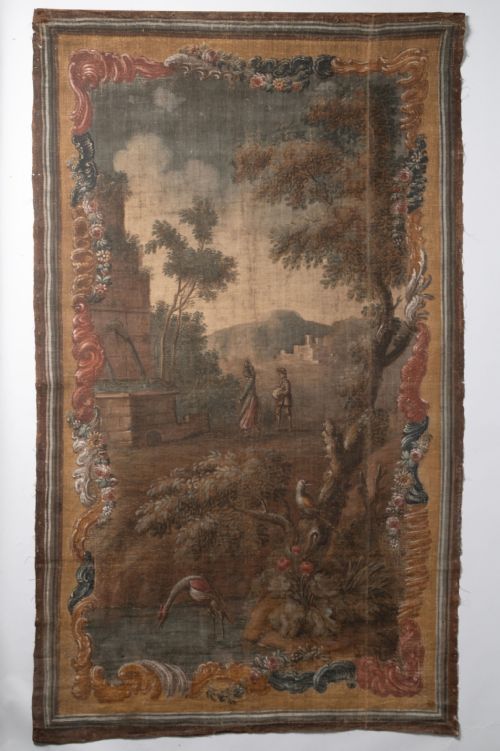
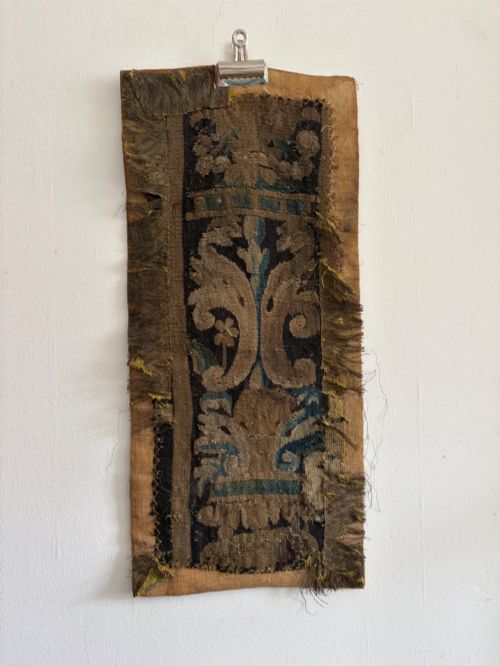
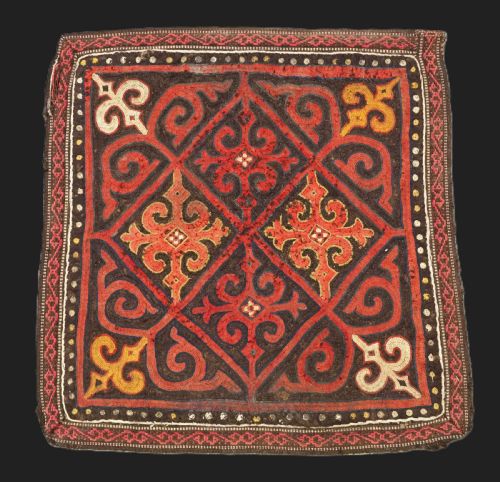
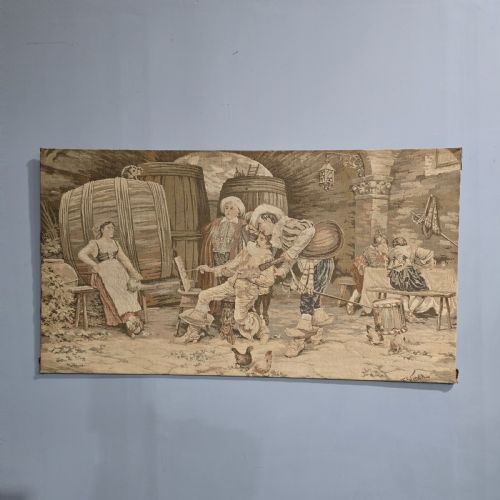
A brown tapestry hanging brings historical textiles and woven panels directly onto the wall, turning functional covers and fragments into art. When searching for a brown tapestry hanging, buyers encounter a diverse range of items including 19th Century medieval-style pieces, 18th Century verdure tapestry border fragments and Central Asian tribal weavings.
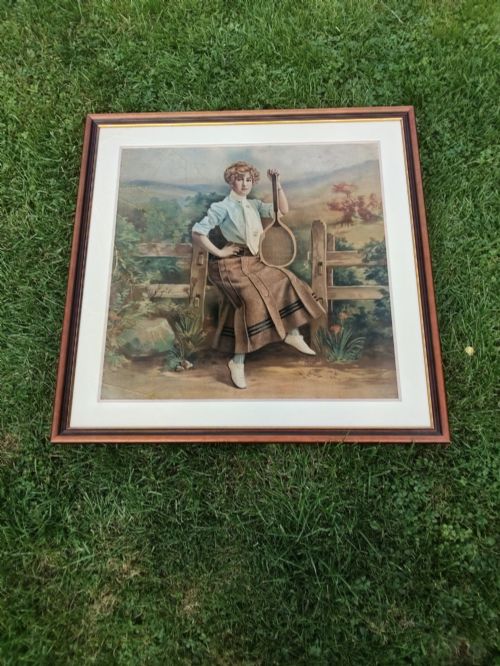
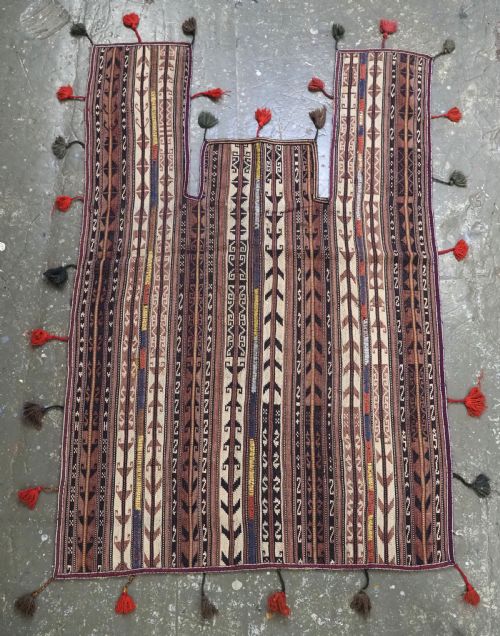
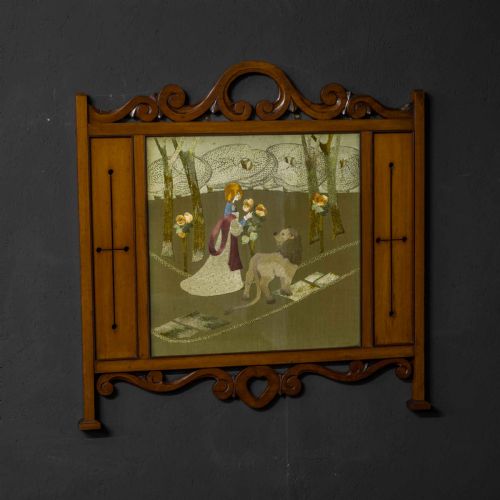
The selection ranges from large Yomut Turkmen flatweave tent bands and Afghan covers to Japanese silk panels and framed Edwardian needlework. Many pieces utilise natural earth tones, creating the characteristic brown palette found across tribal textiles and European wall hangings.
How they were made
These textiles rely on traditional hand-weaving and embroidery techniques using materials such as wool, silk, cotton and canvas. Artisans combined wool and cotton yarns in flatweave and embroidered structures, whilst other items incorporate wood and glass for framing or support.
Fragmentary survivals are often mounted to linen or set onto board for stability. Structural methods range from nomadic flatweaving for tent bands to detailed needlework on Edwardian frames.
Brown Tapestry Hanging Retail Price Guide 2026
Typical asking prices for brown tapestry hanging among the pieces listed under this phrase on Sellingantiques today, from the lower quarter to the upper quarter. They describe what is for sale here now, not the wider market.
Available pieces represent periods from the 17th Century through to 1940, including Edwardian and Victorian works.
What varies in quality
Quality rests upon the integrity of the weave, the preservation of the fibres and the clarity of the design. Intact borders on verdure fragments and tightly knotted tribal flatweaves represent finer execution.
The choice of materials, such as heavy silk or dense wool, alongside the skill involved in mounting or framing, distinguishes standard wall hangings from exceptional textile panels.
The Brown Tapestry Hanging Glossary
- Verdure tapestry
- A European textile featuring a landscape or foliage design, typically dominated by green and brown tones. These panels often survive as fragments from larger wall hangings.
- Flatweave
- A textile created without pile by interweaving warp and weft threads directly. This technique is common in nomadic and tribal weavings.
- Mafrash
- A tribal storage bag or panel produced by nomadic groups in Central Asia. They frequently feature banded geometric designs.
- Cicim
- An embroidered flatweave technique where supplementary threads are added to the foundational weave to create raised patterns. Turkish panels often utilise this method.
- Overmantel
- A decorative panel or mirror designed to be placed above a fireplace. Some listings combine this architectural wooden form with textiles.
Brown Tapestry Hanging: Frequently Asked Questions
How do I hang a textile securely?
Heavier textile panels and framed works require appropriate wall anchors and sturdy fixings to support the weight of wood, glass and dense fabric. Professional framing or specialised textile mounts help distribute the load evenly across the piece.
Lighter flatweaves and tent bands often benefit from custom backing sleeves or specialist clips that prevent strain on the historical fibres during display.
Where should I place a textile hanging?
These pieces suit living spaces, studies and hallways where they add texture and historical depth to plain walls. Keeping them away from direct sunlight preserves the natural dyes in the wool and silk fibres.
Stable indoor humidity levels help protect organic materials like cotton, canvas and wood from environmental stress over time.
How do I identify the age of a textile?
Age is assessed through the specific weaving techniques, dye types, material degradation and stylistic conventions of the period. For instance, Central Asian tribal pieces often display characteristic geometric layouts tied to specific nomadic groups around nineteen hundred.
European fragments show stylistic shifts from medieval revival motifs to eighteenth-century verdure foliage patterns. Comparing construction methods against known regional examples clarifies the timeline.
What is the difference between a fragment and a full panel?
A fragment represents a surviving portion of a much larger historical textile, such as a border section cut from a grander verdure wall hanging. These pieces are often mounted to linen for preservation and display.
A full panel remains complete in its original form, whether constructed as a tent band, horse blanket, or framed artwork from the Edwardian era.