




Brown Stag Antlers
Brown stag antlers bring the rugged spirit of the Scottish Highlands and Black Forest directly into your interior.
Brown Stag Antlers
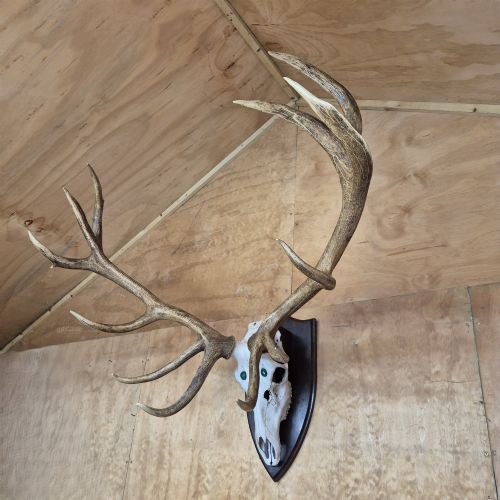
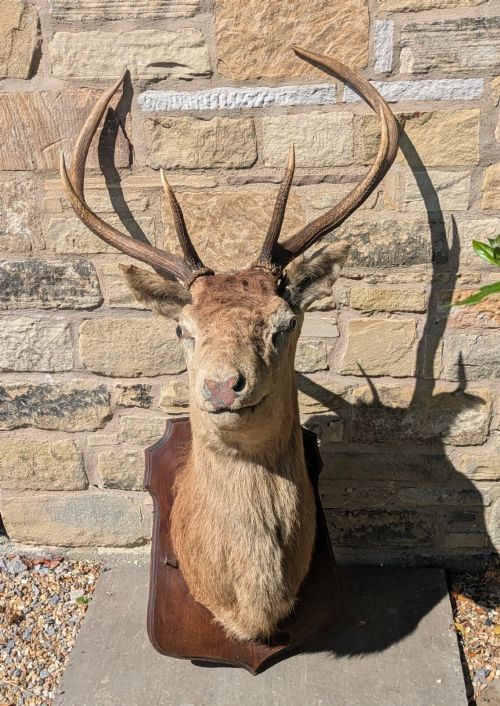
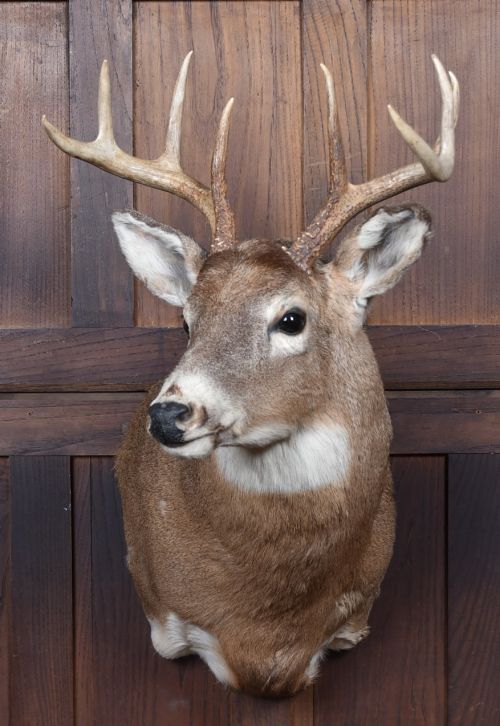
When you search for brown stag antlers, you encounter a striking array of taxidermy mounts, wall sculptures, and practical furnishings derived from natural bone and horn. These pieces range from imposing red deer heads and symmetrical 12-point trophies to clever utilitarian objects fashioned from the shed material.
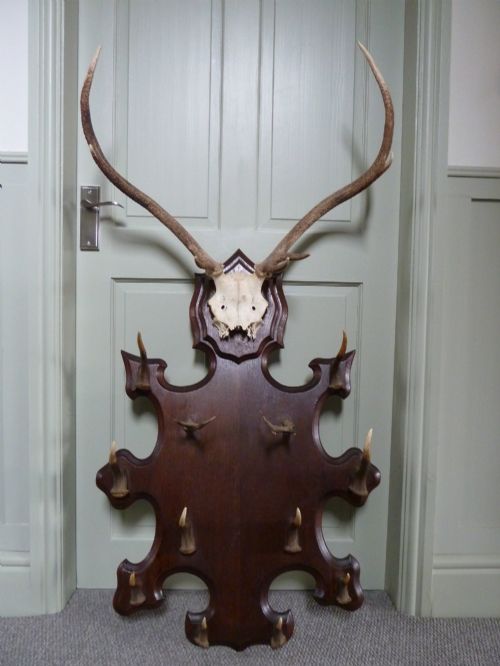
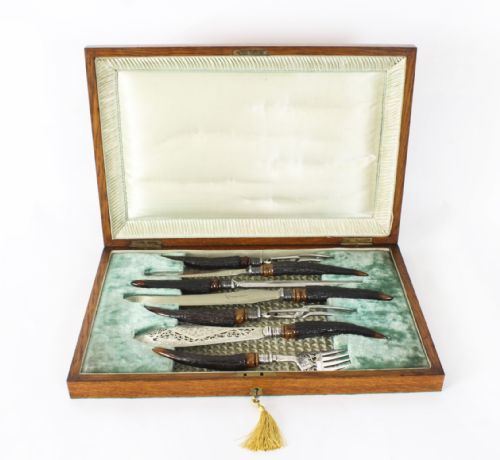
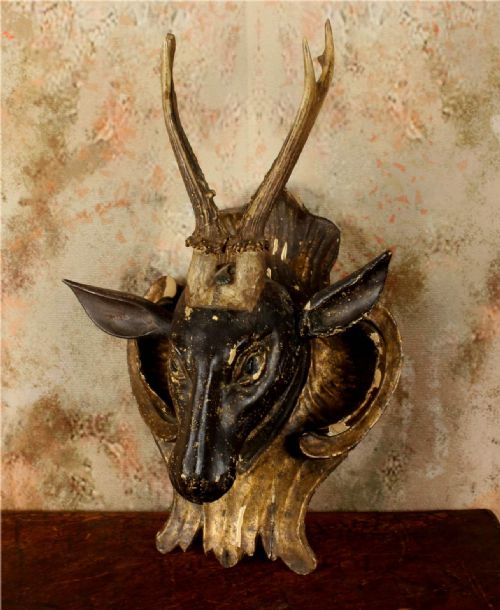
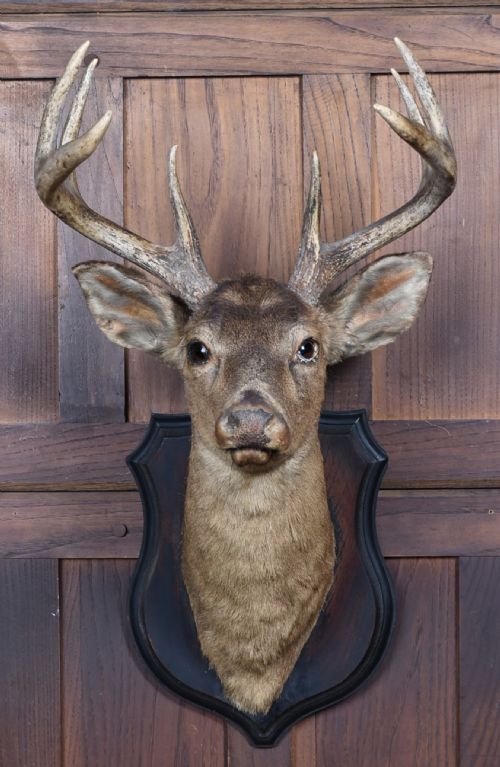
The selections available lean heavily into Victorian taxidermy, Black Forest carving traditions, and rustic folk art creations. You are most likely to meet mounted stags' heads on carved wooden shields alongside hallstands, chandeliers, and serving sets integrated with genuine antler handles.
How they were made
The construction of these pieces combines natural materials like stag antler, bone, and oak with traditional mounting and carving techniques. Taxidermists and artisans joined genuine antlers to carved wooden shields or skull plates using hidden steel brackets and fixings for structural support.
Craftsmen shaped the dense horn material for functional items such as cutlery handles, furniture frames, and whips, often pairing the rough exterior texture with polished metal collars and glass eyes. Folk art and Black Forest pieces display hand-carved wooden details alongside the raw, organic form of the antlers.
Listings feature 19th-century and 20th-century pieces, spanning periods from the 1800s to the 1930s using antler, wood, glass, bone, and steel.
What varies in quality
Quality in brown stag antlers rests on the symmetry, point count, and natural condition of the skull and horn. Superior examples display robust, well-matched tines and secure taxidermy mounts that retain rich natural colour without excessive fading or structural splitting.
The integration of the antlers into functional forms, such as hallstands or furniture, reveals the maker's skill in balancing heavy organic weight with stable construction. Pieces mounted on intricately carved oak shields or detailed Black Forest woodwork demonstrate a higher tier of craftsmanship than simpler, plain-board assemblies.
Swaine Adeney
The Brown Stag Antlers Glossary
- Taxidermy
- The art of preparing, stuffing, and mounting the skins or remains of animals for display. In these listings, it primarily refers to mounted heads and skulls.
- Black Forest
- A 19th-century stylistic tradition originating from the mountain region of Germany, known for highly detailed, naturalistic wood carvings of animals and foliage.
- Shield
- A wooden backing board, frequently carved with oak leaves or geometric borders, upon which stag skulls and antlers are mounted for wall display.
- Folk art
- Utilitarian or decorative items created by self-taught or local artisans using traditional methods and available regional materials like antler and timber.
- Hallstand
- A piece of hallway furniture designed for coats, hats, and umbrellas, often incorporating mounted antlers as natural hanging hooks.
Brown Stag Antlers: Frequently Asked Questions
How do I hang a heavy stag head?
Heavy taxidermy mounts require substantial wall fixings such as steel screws andrawlplugs secured directly into masonry or timber studs. The weight of an antler trophy demands a stable load-bearing anchor rather than a standard picture hook.
Ensure the mounting bracket on the reverse of the carved wooden shield engages firmly with the wall fastener. Having a second person support the spread of the antlers during installation prevents accidental damage to the tips.
Are these antlers from real stags?
The pieces utilise genuine natural material sourced from red deer, roe deer, and white-tailed stags. Antlers are either harvested from taxidermy specimens or collected after being naturally shed by the animal.
Craftsmen then treated and mounted the organic horn into trophies, furniture, and decorative accessories. This biological origin accounts for the natural variations in colour and texture across the items.
How do I clean mounted antlers?
Dust the antlers and wooden shields regularly using a soft, dry brush or a feather duster. Avoid using water, chemical sprays, or liquid polishes directly on the horn or taxidermy fur.
For stubborn dust in the grooves of the bone, use a lightly dampened cloth followed immediately by a dry one. Keeping pieces out of direct sunlight prevents the natural brown colour from fading over time.
What period do most pieces come from?
The majority of these decorative objects originate from the 19th century and the early decades of the 20th century. Victorian country house and Edwardian interiors frequently featured taxidermy and antler furnishings as symbols of hunting pursuits.
Later examples extend into the 1920s and 1930s, encompassing folk art pieces and structured lighting like chandeliers. Stylistic markers such as carved oak shields help distinguish the earlier Victorian pieces from later iterations.