



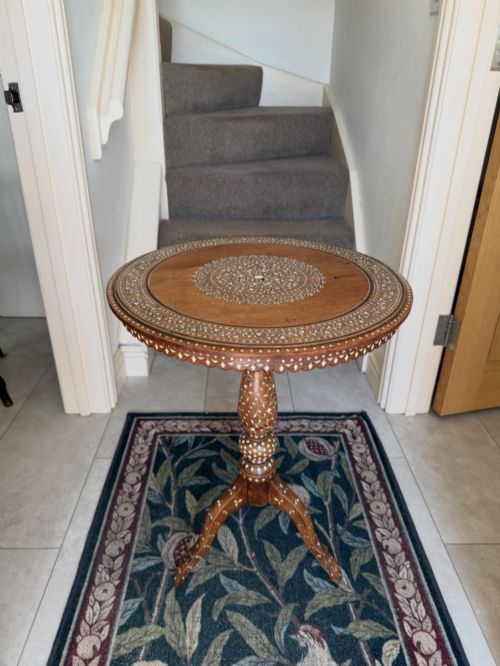
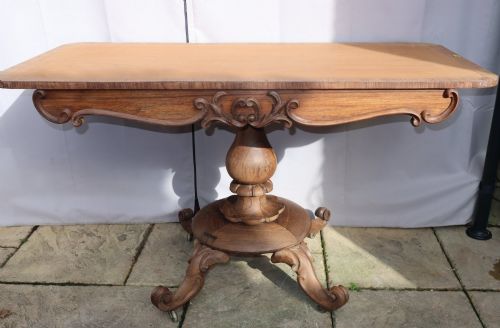
Brown Rosewood Pedestal Table
A brown rosewood pedestal table brings rich timber grain and steady central support to a room, drawing the eye with dark warmth.
Brown Rosewood Pedestal Table
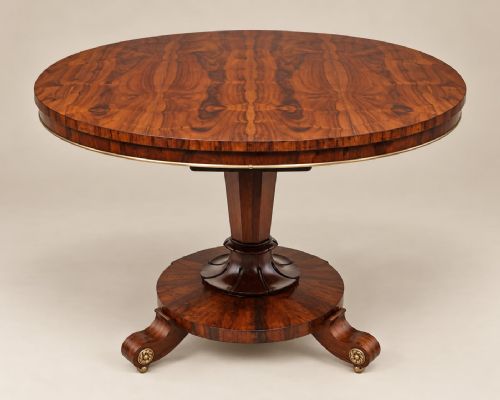
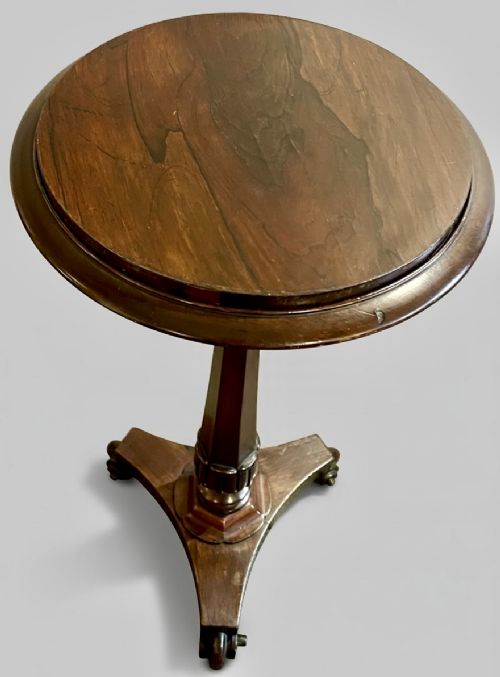
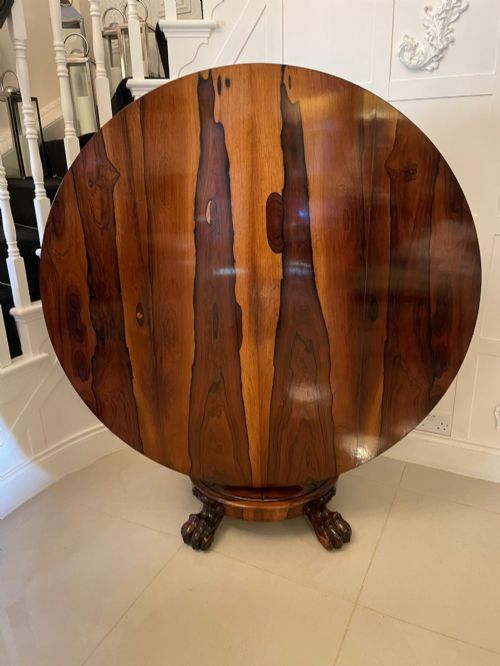
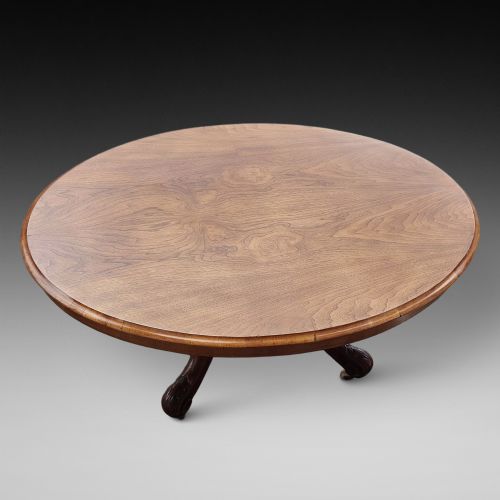
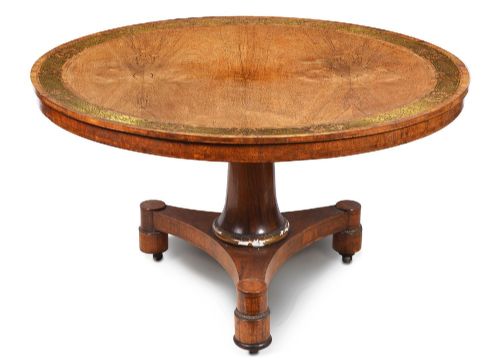
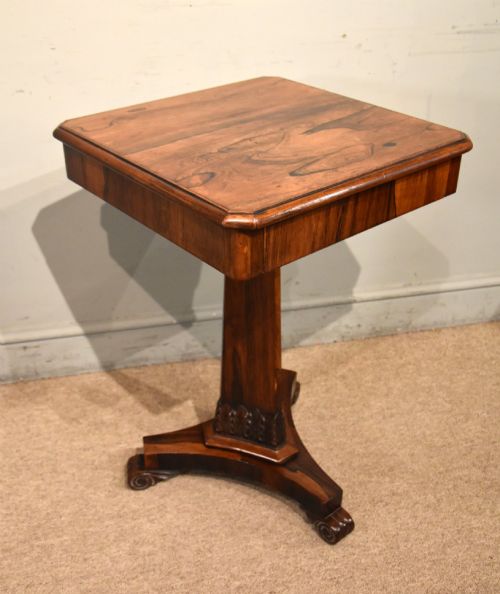
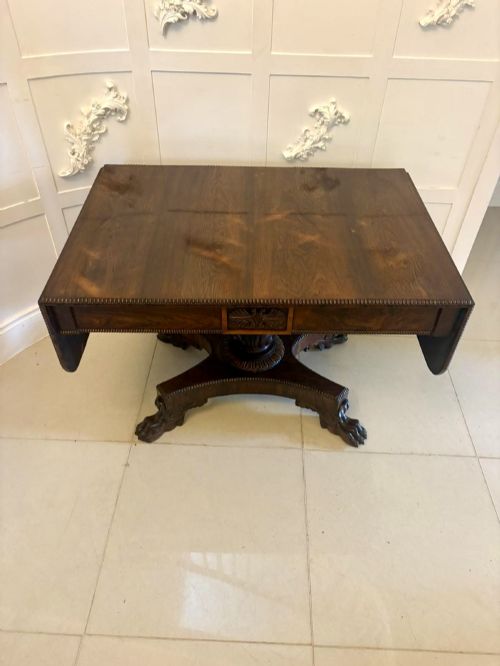
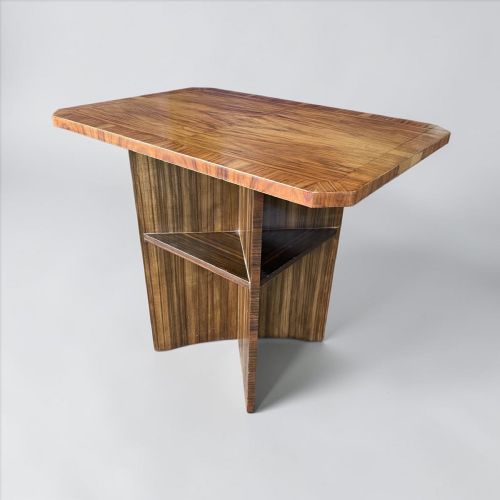
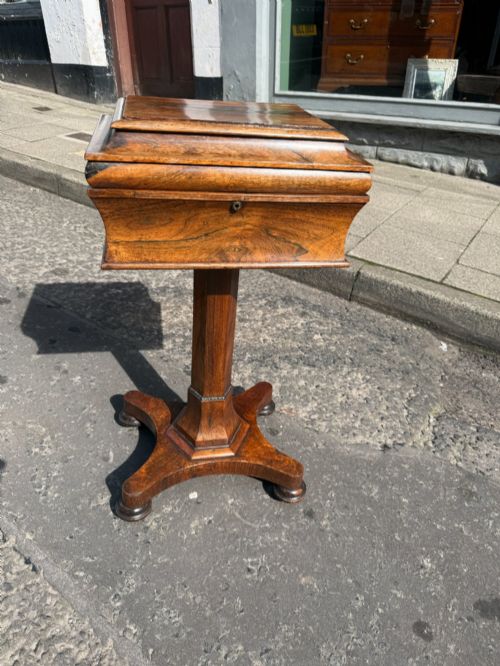
A brown rosewood pedestal table spans several distinct eras, appearing most frequently in Regency, William IV, and Victorian designs. These pieces range from substantial dining and centre tables to smaller card tables, occasional tables, and plant stands.
The selections on this page include Chinese hardwood and Qing Dynasty pedestal stands alongside British examples from the nineteenth century. Makers from these periods utilised the deep natural tones of rosewood to anchor formal rooms and libraries.
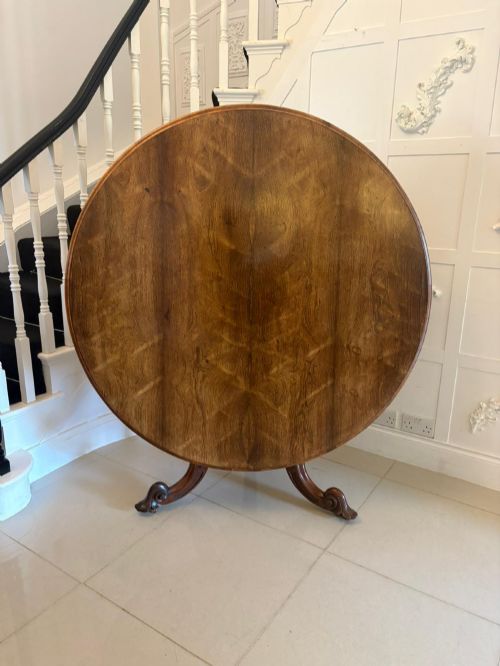
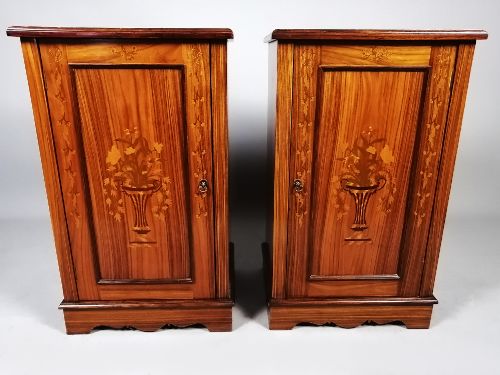
Buyers encounter versatile formats such as tilt-top breakfast tables, library drum tables, and bedside cabinets supported by a single central column or pedestal base. Each form reflects the domestic habits of its period, from card playing to formal dining.
Materials and construction methods
Cabinet makers constructed these tables using solid rosewood and hardwoods, often enhanced by contrasting boxwood inlay, brass stringing, and intricate marquetry. Marble tops also appear on specific chess and display tables.
Central pedestals often rest on tripartite or quadrupartite platforms fitted with carved scroll feet or concealed castors for mobility. Tilt-top mechanisms and folding leaves required precise joinery to ensure stability when extended.
Brown Rosewood Pedestal Table Retail Price Guide 2026
Typical asking prices for brown rosewood pedestal table among the pieces listed under this phrase on Sellingantiques today, from the lower quarter to the upper quarter. They describe what is for sale here now, not the wider market.
Listings feature 19th Century, Regency, Victorian, and 1890 periods, incorporating rosewood, brass, marble, mahogany, and boxwood inlay.
Distinctions in craftsmanship and finish
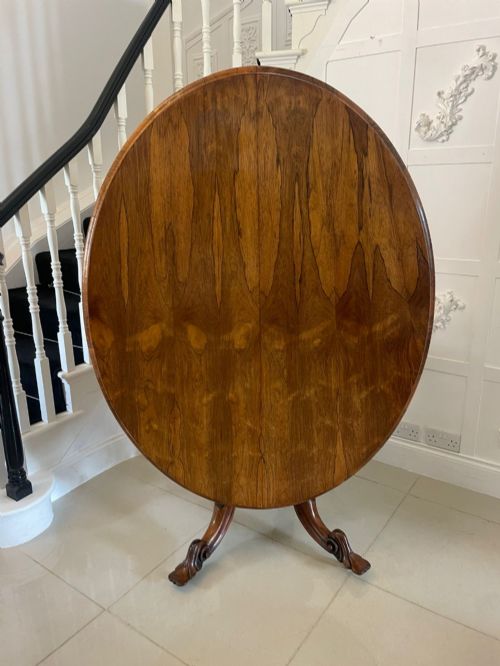
The depth of timber figure and the precision of brass inlay or marquetry set finer examples apart from simpler utilitarian pieces. Faded rosewood patination develops naturally over decades, altering the original dark brown hue into softer tones.
Carved details on the central column and pedestal base reflect the skill of the workshop, ranging from restrained moulding to elaborate foliate motifs. Structural rigidity in the tilt mechanism and central column remains essential for everyday utility.
The Brown Rosewood Pedestal Table Glossary
- Pedestal table
- A table supported by a single central pillar or column rather than four corner legs. This construction allows for greater seating clearance around the perimeter.
- Tilt-top
- A tabletop hinged to tilt vertically when not in use, allowing the table to stand against a wall to save space.
- Marquetry
- Decorative patterns formed by inserting thin veneers of different woods, metals, or other materials into a wooden surface.
- Brass inlay
- Thin strips of brass set flush into the timber surface to create geometric or floral patterns, typical of Regency design.
- Sofa table
- A rectangular occasional table traditionally designed to stand in front of a sofa, frequently featuring drop leaves and pedestal supports.
Brown Rosewood Pedestal Table: Frequently Asked Questions
How do I identify a Regency pedestal table?
Regency pieces often display classical architectural motifs, brass inlay, and rosewood veneers set upon tripartite pedestal bases. Proportions tend to remain balanced and restrained, drawing inspiration from ancient Greek and Roman designs.
Look for crisp brass stringing and sabre legs ending in brass claw castors. These elements help separate true Regency examples from later nineteenth-century revivals.
Can I use a rosewood table for dining?
Many larger brown rosewood pedestal tables function effectively for dining, particularly circular breakfast tables and dining tables from the William IV and Victorian eras. Their central pillar design eliminates corner legs, which increases legroom.
Ensure the tilt mechanism or central column remains stable under daily use. Protective covers help preserve the polished rosewood surface from moisture and heat.
How should I care for antique rosewood?
Antique rosewood benefits from consistent indoor humidity and protection from direct sunlight, which can fade the timber unevenly. Regular dusting with a soft, dry cloth maintains the natural lustre of the polished surface.
Aplying quality beeswax periodically nourishes the wood without building up heavy residues. Avoid silicone-based polishes that can penetrate old finishes and attract dust.