

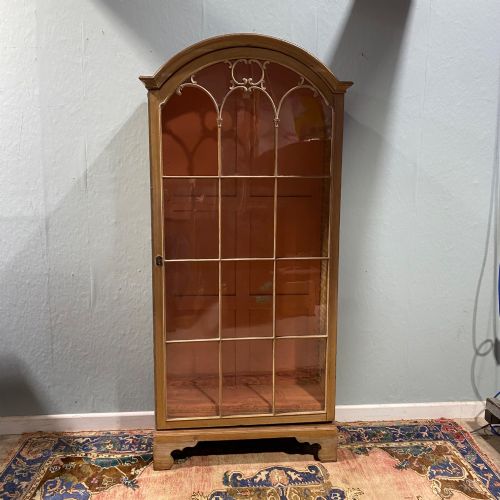
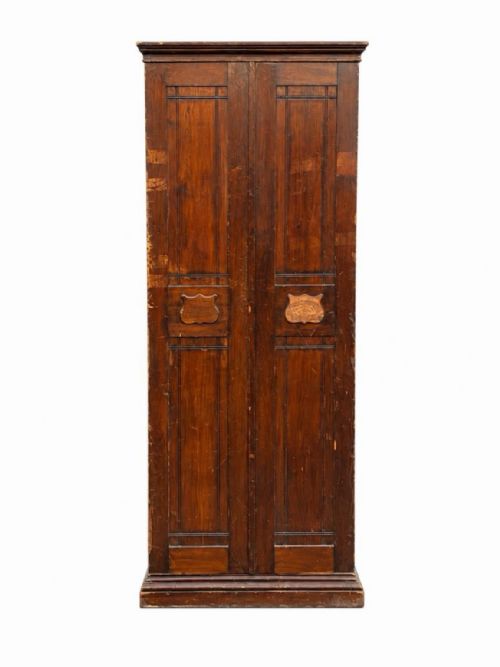

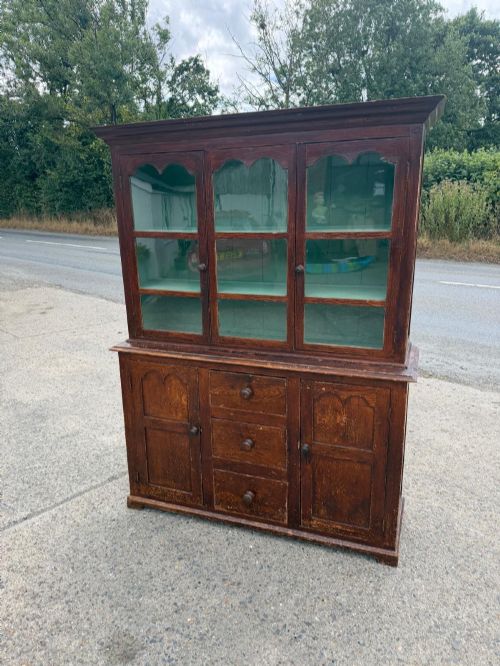
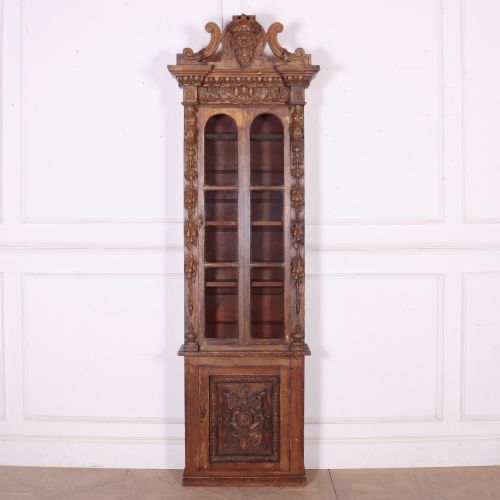

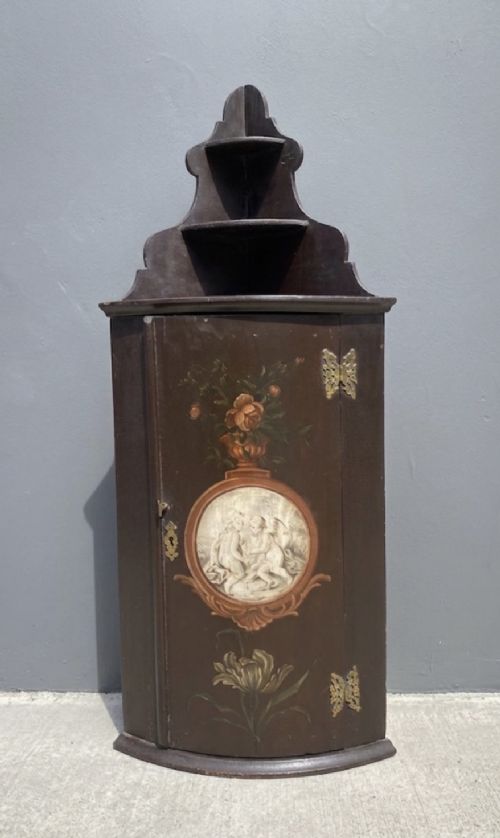


Brown Pine Display Cabinet
A brown pine display cabinet brings honest utility and warm timber grain to a room, offering practical storage for treasured objects.
Brown Pine Display Cabinet
When you search for a brown pine display cabinet, you encounter sturdy timber storage units designed to hold and exhibit domestic goods. The selection spans utilitarian dressers, corner cupboards, and bookcases originating from British and European workshops.
The pieces on this page mostly date from the nineteenth and eighteenth centuries, reflecting vernacular traditions and regional cabinet making. You find examples finished in natural scrubbed wood, traditional paint, or simulated grain finishes.
Form follows function closely in these items, with glazed upper sections for display and solid lower cupboards for containment. They range from tall Welsh dressers to compact corner cabinets suited to smaller rooms.
How they were made
Makers utilised solid pine, pitch pine, and occasionally oak or mahogany for structural stability and framing. Timber was hand planed and joined using traditional methods suited to everyday domestic furniture.
Surfaces received various treatments depending on regional taste and period style, including clear polish, scrumbled paint, and simulated grain effects. Glazed doors incorporated mouth blown glass panes held in wooden glazing bars.
Hardware such as brass hinges, escutcheons, and drawer pulls were fitted by hand to secure doors and drawers. Construction often employed two part designs to ease transport and placement in homes.
Brown Pine Display Cabinet Retail Price Guide 2026
Typical asking prices for brown pine display cabinet among the pieces listed under this phrase on Sellingantiques today, from the lower quarter to the upper quarter. They describe what is for sale here now, not the wider market.
Listings feature eighteenth and nineteenth century periods, utilising pine, pitch pine, oak, and glass across dresser, bookcase, and cabinet forms.
What varies in quality
Quality in these cabinets rests upon the choice of timber and the proportion of the design. Dense pitch pine and well figured ordinary pine indicate thoughtful selection by the original maker.
The integrity of the construction and the survival of original surfaces define the standing of a piece. Retained historic paintwork or mellow patination elevates an item above utilitarian replacements.
Fine craftsmanship shows in the subtlety of mouldings, the crispness of carved details, and the neatness of dovetail joints. Regional vernacular pieces succeed through honest proportions rather than elaborate ornamentation.
J.T.Crockett
The Brown Pine Display Cabinet Glossary
- Scrumbled
- A decorative paint technique involving translucent layers dragged or mottled over a paler base to imitate richer timber grain. This finish was common in nineteenth century vernacular furniture.
- Pitch pine
- A durable softwood with prominent growth rings and high resin content, yielding a warm amber tone when polished. It gained popularity during the Victorian era for heavy cabinetry.
- Welsh dresser
- A traditional kitchen storage form featuring open plate racks above a base of drawers and cupboards. These pieces served both for food preparation and tableware display.
- Breakfront
- A piece of furniture where the central section projects forward from the flanking wings. This architectural arrangement adds depth and visual interest to larger cabinets and bookcases.
- Glazed top
- An upper cabinet section fitted with glass doors to protect books or ceramics from dust while keeping them visible. It defines the display function of many nineteenth century bookcases and dressers.
Brown Pine Display Cabinet: Frequently Asked Questions
What is a brown pine display cabinet?
A brown pine display cabinet is a wooden storage unit featuring glass panels or open shelving designed to showcase domestic objects and collections.
These pieces range from tall kitchen dressers to corner cupboards, utilising softwood timbers finished with polish, paint, or natural patination.
How do I date an old pine cabinet?
Dating relies on construction methods, timber choice, and surface treatments visible across the piece. Hand cut dovetails, original brass hardware, and historic paint finishes offer clues to the period of manufacture.
Most examples on this page date from the eighteenth and nineteenth centuries, reflecting regional carpentry traditions.
Where were these cabinets used?
These cabinets served primarily in domestic kitchens, dining rooms, and parlours for storing and displaying household tableware and provisions.
Corner cupboards made efficient use of awkward spaces, while larger dressers anchored the main living areas of period homes.
How do I care for antique pine furniture?
Maintenance involves keeping the timber away from direct heat sources and sudden humidity changes to prevent wood movement. Gentle dusting with a dry cloth preserves the surface patination without stripping historic finishes.
Wax polish can be applied sparingly to feed dry pine and maintain a soft lustre on polished surfaces.