


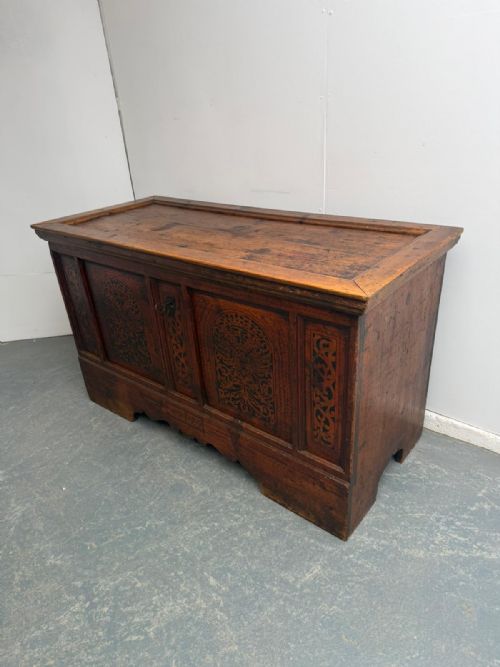


Brown Pine Blanket Box
A brown pine blanket box offers honest utilitarian storage, bringing warmth, grain and history directly into a hallway or bedroom.
Brown Pine Blanket Box
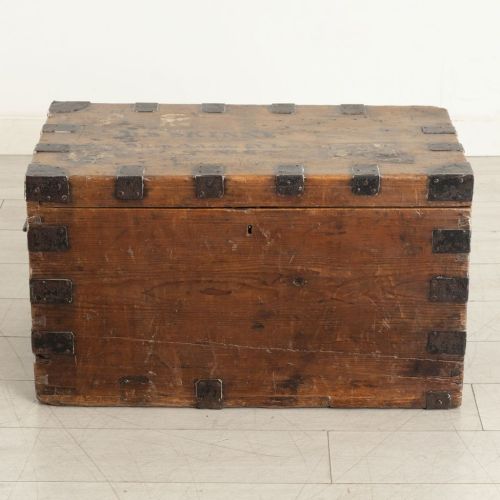
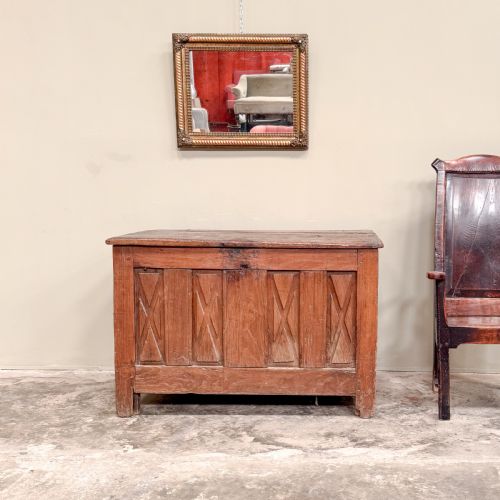
A brown pine blanket box serves as a robust storage chest, frequently encountered in 19th century and Victorian forms alongside earlier 18th century examples. These utilitarian pieces appear in various regional guises, including Welsh coffers, Scottish kists, and Scandinavian painted strong boxes.
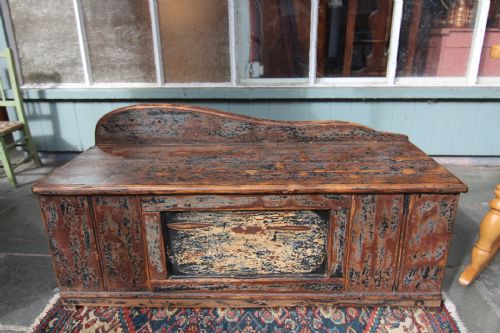
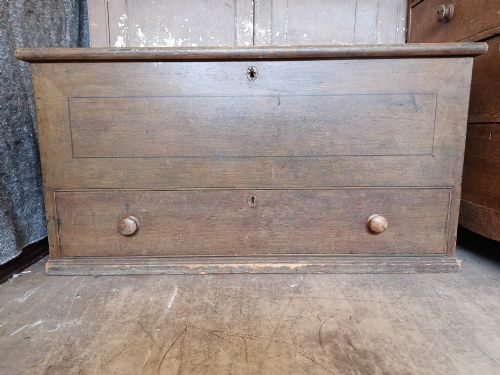
Makers utilised durable softwood to construct practical trunks, mule chests with lower drawers, and simple box seats for everyday domestic use. Many surviving examples retain original scumbled, grained, or polychrome painted surfaces applied to the dense pine timbers.
Buyers select these storage chests for their straightforward construction and capacity to ground a room with rustic character. The selection spans humble farm trunks to brass-bound military style travelling chests and decorative folk art pieces.
Assessing quality and character
Quality rests in the integrity of the original construction and the survival of untouched surface finishes, whether warm aged pine or historic paint. Boxes retaining their original ironwork, locks, and bracket feet command greater interest among those seeking authentic regional character.
Brown Pine Blanket Box Retail Price Guide 2026
Typical asking prices for brown pine blanket box among the pieces listed under this phrase on Sellingantiques today, from the lower quarter to the upper quarter. They describe what is for sale here now, not the wider market.
Some nineteenth-century pine boxes still whisper tales of distant travels through faint railway shipping labels stuck beneath their heavy lids.
The Brown Pine Blanket Box Glossary
- Mule chest
- A storage chest featuring one or more drawers beneath the main lift-top compartment. This form evolved during the 18th century to offer more accessible storage than a deep box.
- Kist
- A traditional regional term used in Scotland and northern Britain for a heavy wooden storage chest. These were typically constructed from solid pine and utilised for household linens.
- Scumble
- A decorative paint technique involving a translucent top layer dragged or combed over a lighter base colour to simulate richer timber grain. Victorian craftsmen frequently applied this finish to humble pine.
- Bracket foot
- A simple architectural foot supporting the corner of a case piece, shaped like a bracket and often found on 19th century blanket boxes and chests.
- Coffer
- A heavy wooden chest traditionally used for storing valuables or documents before the widespread use of fitted wardrobes. They often feature robust iron straps and secure locking mechanisms.
Brown Pine Blanket Box: Frequently Asked Questions
How do I date a pine blanket box?
Examine the construction methods, tool marks, and hardware types used on the interior and exterior of the chest. Hand-cut dovetails and forged iron hinges typically suggest earlier periods.
Surface finishes also provide clues, as original paintwork, scumble glazing, or wax patination develop distinct characteristics over centuries of exposure and handling.
Where should I place a blanket box at home?
These versatile chests suit placement at the foot of a bed, beneath a window, or along a spacious hallway wall. Their flat lids provide convenient surface space while concealing bulky linens or winter garments.
Ensure the chest sits away from direct heat sources to prevent the pine timbers from drying out and splitting over time.
What is the difference between a trunk and a coffer?
A coffer generally refers to a heavy, traditional storage chest used for valuables, often featuring robust timber construction and secure locking mechanisms. Trunks were more frequently designed for travel and transit.
Many antique examples blur these distinctions, combining sturdy structural framing with practical lift-top storage capacities.
How do I clean an antique pine surface?
Dust the timber regularly with a soft, dry cloth to prevent grit accumulation on the wood or painted finish. Avoid harsh chemical cleaners that can strip historic wax or damage delicate original pigments.
Applying a traditional beeswax polish periodically helps nourish dry pine and maintains a gentle, protective sheen across the surface.