


Brown Picture Frames
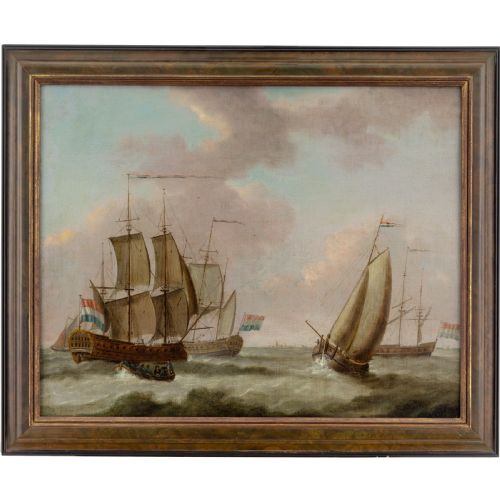
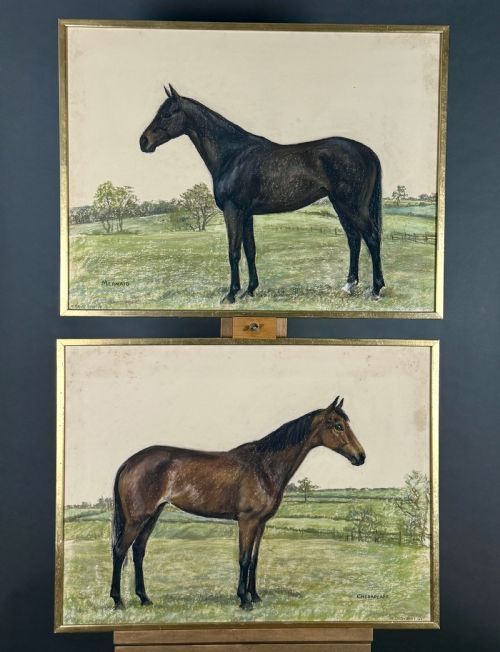
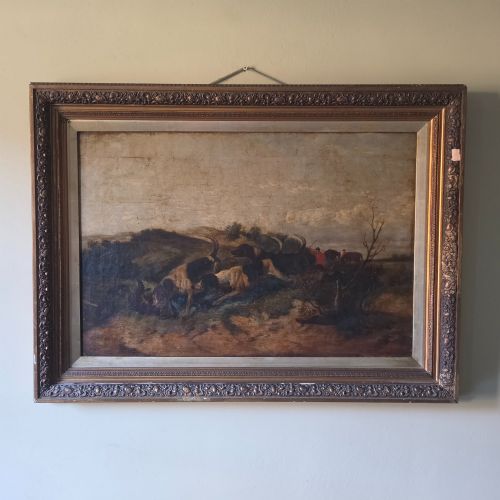
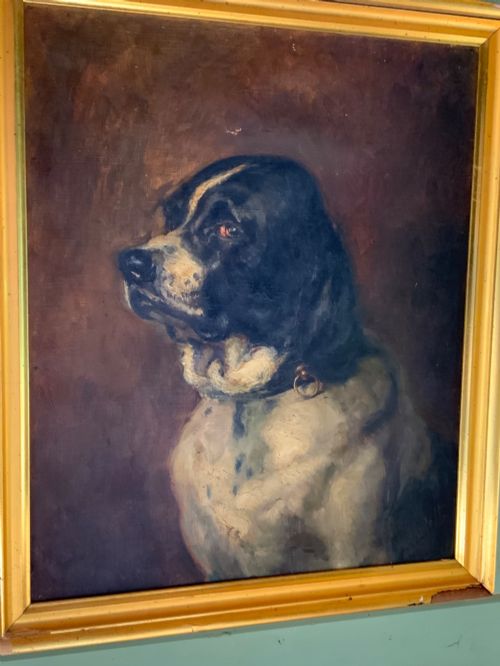
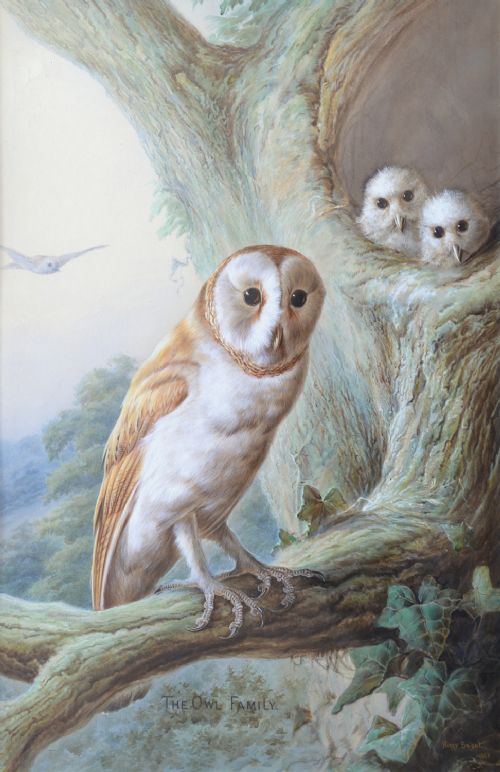
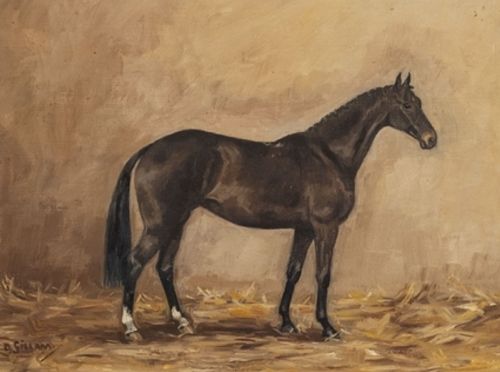
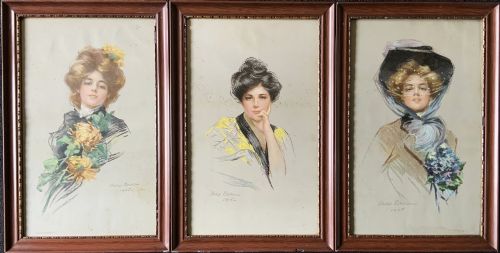
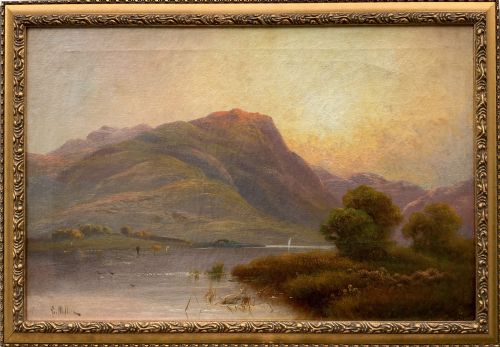
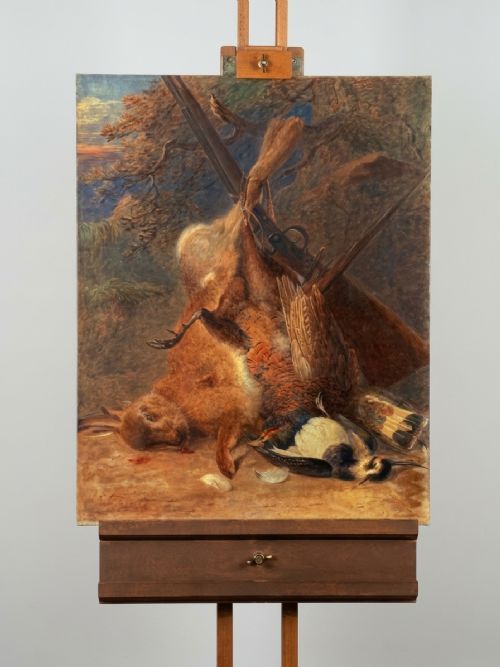
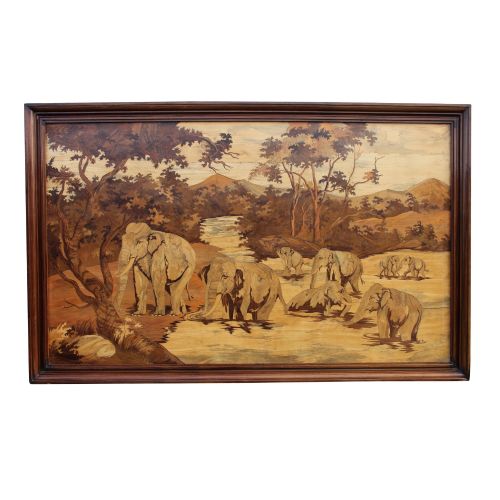
Brown picture frames surround oil paintings, watercolours and textiles, bringing warmth and structure to historic walls.
Brown Picture Frames
When you search for brown picture frames, you encounter enclosures housing oil paintings, watercolours, and needlework. These items derive their brown tones from natural timber and traditional giltwood finishes.
The selections span from the eighteenth century through the Victorian era and into the twentieth century. Oak, burr maple, and standard wood constructions dominate the offerings.
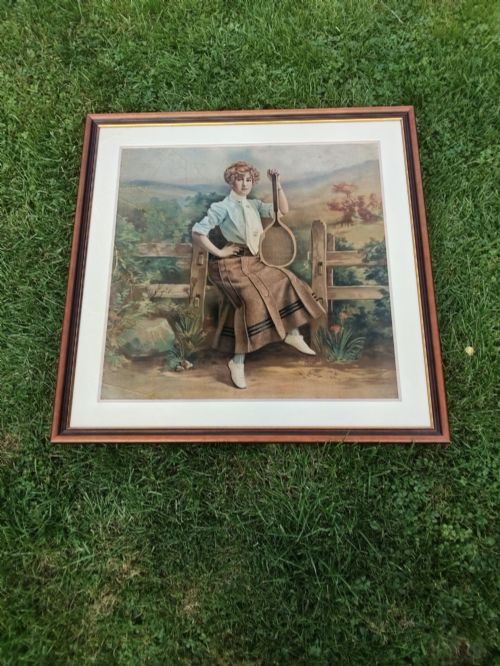
Many items present themselves as complete framed artworks rather than empty mouldings. You find oil paintings, watercolours, and textiles housed securely within their period surrounds.
Materials and construction
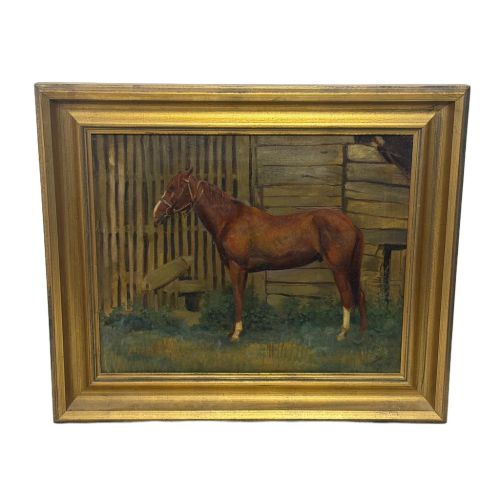
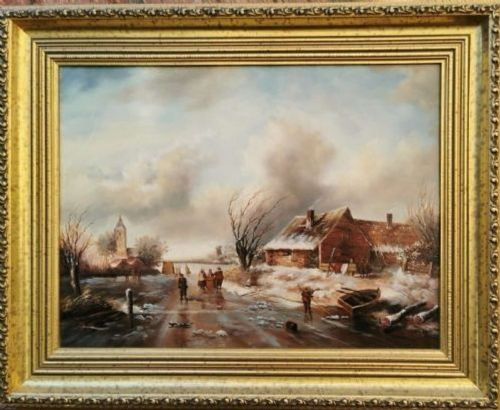
Wood serves as the primary material for these frames, utilising natural grain and dark tones. Craftsmen shaped timber and applied giltwood finishes to complement the artwork contained within.
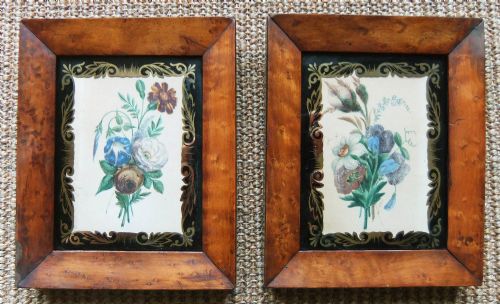
Specialist variations incorporate distinctive woods such as burr maple, which adds intricate patterning to the outer border. Glass protects delicate paper works, watercolours, and textiles from environmental damage.
Materials recorded across the inventory include wood, glass, paper, canvas, and giltwood.
Judging quality in brown picture frames
The calibre of a frame rests on the depth of the timber grain and the integrity of the joinery. Superior pieces display careful moulding work that harmonises with the scale of the enclosed painting or textile.
Original matching of frame and artwork elevates an item's standing. Finer examples retain their original surface patination and authentic backing materials without modern alterations.
Samuel Dixon·Howard Helmick·Donald Grant·David Roberts
The Brown Picture Frames Glossary
- Burr maple
- A wood featuring swirling knot formations. This material provides a highly decorative surface pattern on nineteenth century frames.
- Giltwood
- Timber treated with a thin layer of gold leaf. This finish adds reflective warmth and highlights carved details.
- Needlework
- Stitched textile art created with yarn on canvas. These colourful pieces require protective framing to survive.
- Watercolour
- A paint medium executed on paper. These works typically sit behind glass within a wood or gilt frame.
- Oil on canvas
- Pigment suspended in oil applied to stretched fabric. Such paintings form the primary contents of many large wooden frames.
Brown Picture Frames: Frequently Asked Questions
What periods do these frames represent?
The available items span from the eighteenth century through the Victorian and Edwardian eras up to the twentieth century. This timeline covers Georgian craftsmanship, nineteenth century schools, and later twentieth century works.
Each period utilises distinct timber selections and framing profiles that reflect the aesthetic preferences of its time.
Are the paintings sold with the frames?
The listings consist of complete framed artworks rather than empty mouldings. You acquire the oil painting, watercolour, or textile alongside its period surround.
This pairing preserves the historic context of the piece, keeping the artwork within the specific wooden border chosen for it.
How do I care for wooden frames?
Keep wooden frames away from direct sunlight and dramatic temperature fluctuations to prevent the timber from warping. Dust them gently with a dry, soft cloth.
Avoid applying modern polishes or cleaning chemicals to the historic wood or gilt surfaces.
What materials are used besides wood?
Glass protects delicate paper works, watercolours, and textiles housed inside the borders. Certain pieces incorporate specialised timber variations like burr maple.
Giltwood surfaces also appear, offering a metallic contrast to the standard dark wood tones.