


Brown Paper Watercolour Artwork
Brown paper watercolour artwork brings together nineteenth and twentieth-century original paintings where the tone of the backing sheet shapes the light and mood of the composition.
Brown Paper Watercolour Artwork
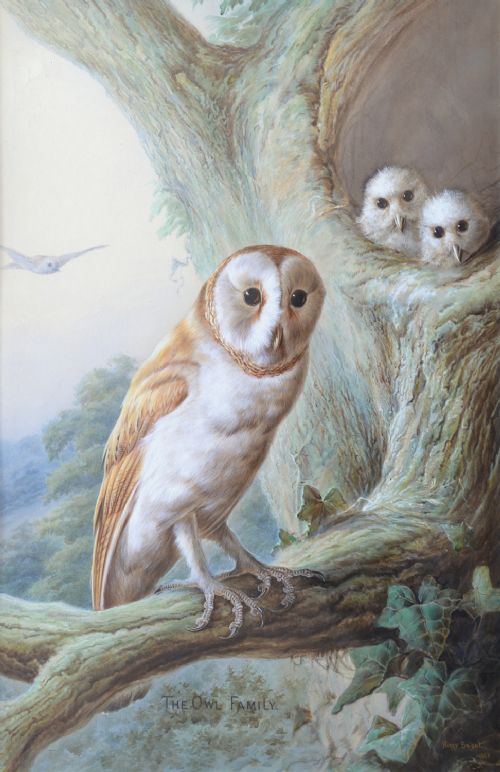
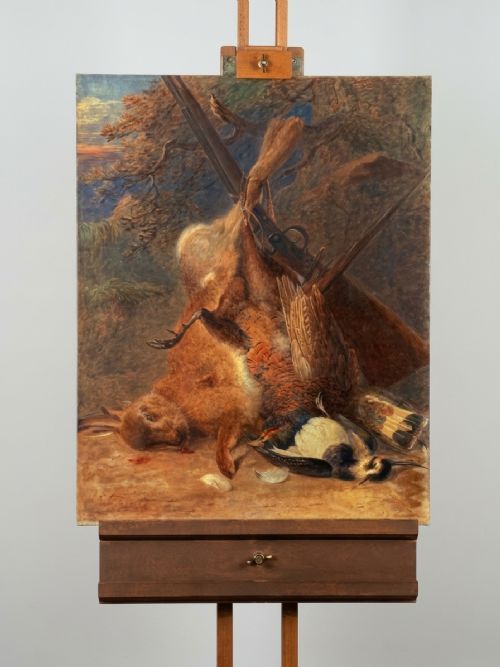
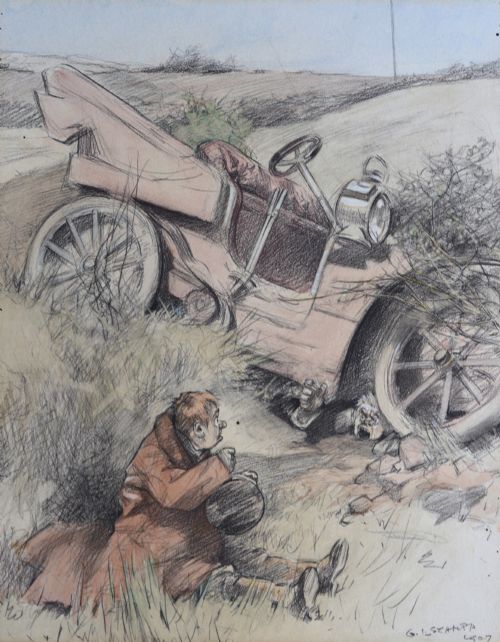
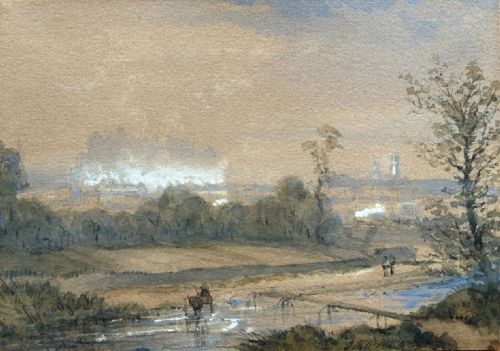
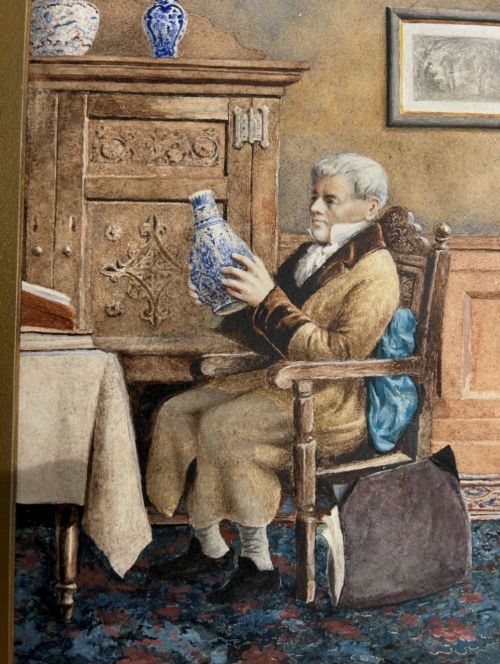
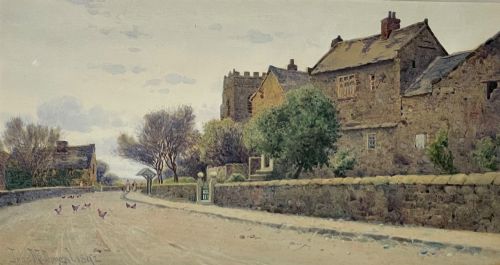
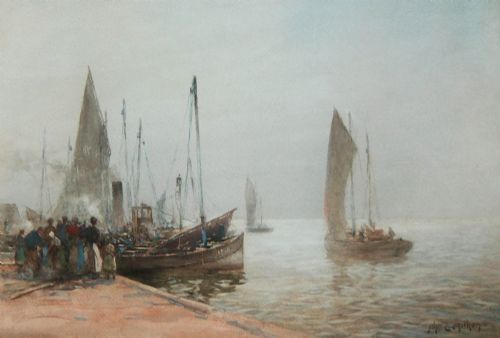
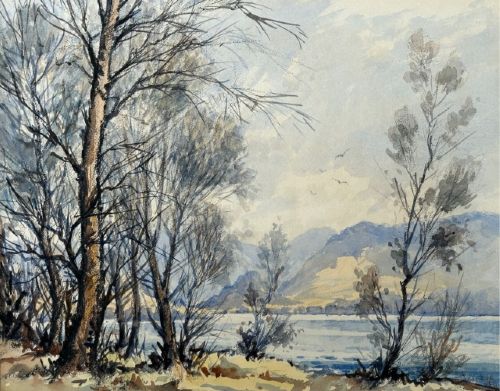
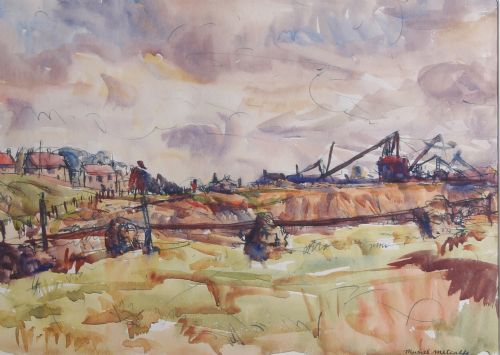
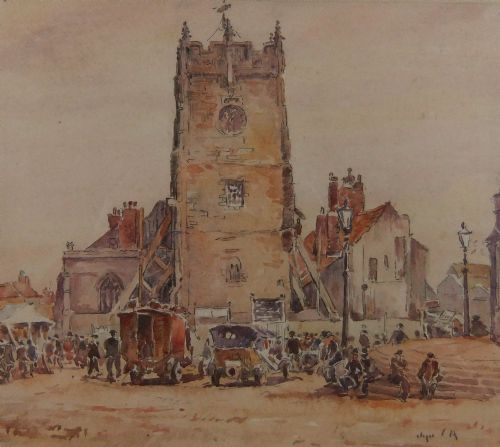
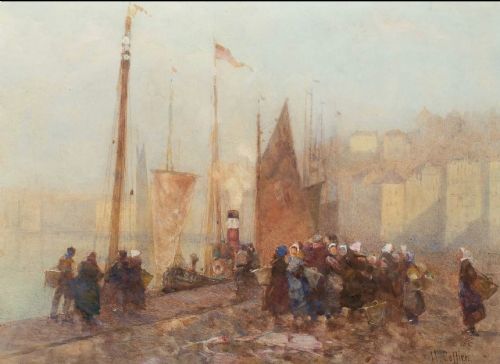
A brown paper watercolour artwork presents a distinct visual surface where artists utilise the mid-tone tint of the paper rather than starting from blank white sheets. The pieces seen here range from nineteenth-century British landscapes and maritime scenes to twentieth-century still lifes and local village views.
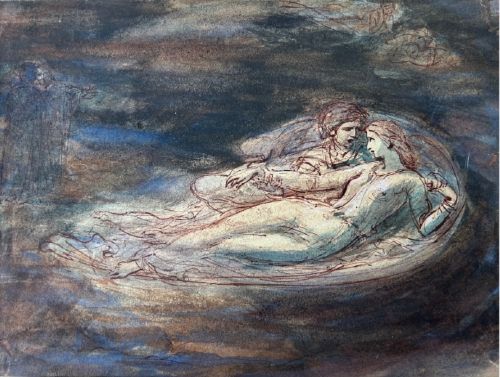
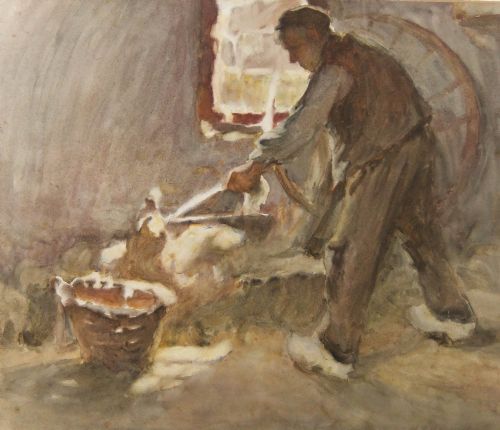
Buyers encounter framed original paintings and drawings spanning Victorian, Edwardian, and mid-century British impressionist styles. These works frequently depict rural landscapes, coastal harbours, garden birds, and figurative studies created directly upon tinted paper.
Many examples capture vernacular British scenes from Yorkshire, Scotland, and Dorset, alongside occasional international subjects from Cairo or Dutch waterways. The supporting paper provides an inherent warmth that alters how the pigment sits on the surface.
Materials and Technique
These works rely upon water-soluble pigments combined with bodycolour, gouache, or ink applied to tinted paper supports. Artists often deployed white highlights over the brown paper ground to create immediate depth and tonal contrast within seascapes and domestic interiors.
Framed behind glass, these original watercolours utilise wood framing to protect the fragile paper substrate from environmental moisture and light degradation. The interaction between fluid pigment and fibrous brown paper creates characteristic edges where washes settle into the grain.
The listings feature works spanning from the nineteenth century through the 1960s, executed in watercolour, ink, and gouache on paper.
Distinctions in Quality
The strength of a brown paper watercolour artwork rests upon the surety of the brushwork and the artist's ability to let the exposed paper function as a mid-tone. Superior examples demonstrate confident handling of bodycolour and white highlights that lift the subject from the dark ground without heavy reworking.
Compositional clarity and the preservation of the original pigment vibrancy separate finer works from routine sketches. Pieces where the paper tone harmonises fully with the watercolour wash display a more resolved artistic intention.
George Sydney Shepherd·George Lorain Stampa·James Orrock·John R Prentice·Henry Stacy Marks·John McDougal·James E Aitken·Henry Silkstone Hopwood·Muriel Metcalfe·John Smith Atherton·Hector Caffieri·Carl Haag·Ralston Gudgeon·James Hayllar·Alfred George Morgan·James Tower·Henry Charles Fox·Fred Lawson·Thomas Bush Hardy·Sir Thomas Newenham Dean·James William Booth·Tom Clough·John Atkinson·John Augustus Atkinson·Lester Sutcliffe
The Brown Paper Watercolour Artwork Glossary
- Bodycolour
- Watercolour paint mixed with a white pigment to make it opaque rather than transparent. This technique allows artists to paint light tones directly over dark or brown paper.
- Gouache
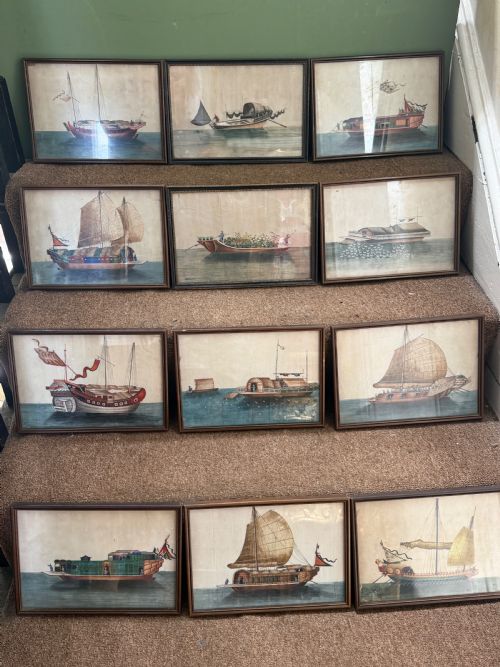
- A heavy water-based paint similar to bodycolour that dries to a matte, opaque finish. It appears frequently in nineteenth-century Chinese export works and British academic sketches.
- Wash
- A thin, fluid layer of watercolour pigment spread evenly across the paper. It provides transparent background tones in landscape and marine paintings.
- Impressionist
- A style focusing on the accurate depiction of light and its shifting qualities. Mid-century and British examples capture atmospheric conditions outdoors rather than strict studio detail.
Brown Paper Watercolour Artwork: Frequently Asked Questions
What is brown paper watercolour artwork?
These are original paintings executed on tinted paper supports rather than traditional white watercolour blocks. The brown tone acts as a foundational mid-tone for the pigments.
Artists across the nineteenth and twentieth centuries used this method to capture landscapes, portraits, and still lifes with immediate tonal depth.
How should I frame these watercolours?
Works on paper require framing behind glass to protect the pigment and the delicate paper ground from dust and atmospheric moisture. Acid-free mounts prevent chemical damage over time.
Keep framed pieces away from direct sunlight to preserve the original watercolour pigments and prevent the brown paper from fading.
Are these works original paintings?
The listings consist entirely of original hand-painted works and drawings rather than modern mass-produced prints or reproductions. Each piece shows unique brushstrokes and the physical texture of the paper.
Signatures, dates, and inscriptions found on many of the sheets help verify their historical period and authorship.
How do I identify the period of a piece?
Dating relies on visible clues including artist signatures, period framing styles, paper characteristics, and subject matter. Victorian and Edwardian works often feature detailed brushwork and traditional maritime or rural themes.
Twentieth-century pieces tend toward looser impressionist handling, reflecting shifts in British art movements towards modern abstraction and regional landscapes.