




Brown Painted Dresser
A brown painted dresser brings immediate warmth and practical utility to a room, offering robust storage disguised in rich, historic colour.
Brown Painted Dresser
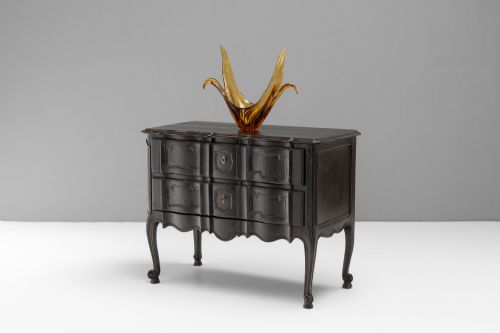
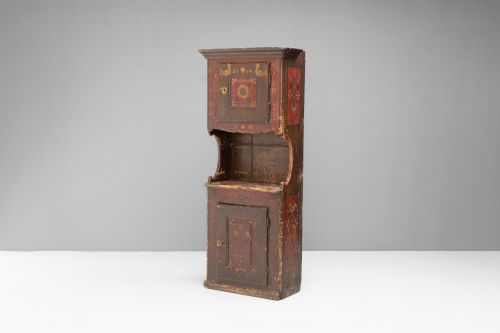
A brown painted dresser serves as a substantial storage piece, combining lower cupboards or drawers with upper shelving for display or everyday kitchen use. When searching for a brown painted dresser, buyers encounter various regional forms ranging from Irish and English country pieces to Scandinavian folk art examples.
The selection spans from the late eighteenth century through the Victorian era up to the nineteen-thirties, taking shapes such as kitchen dressers, housekeepers cupboards, and chests of drawers. Pine forms the primary carcase material across the majority of these domestic and institutional utilitarian items.
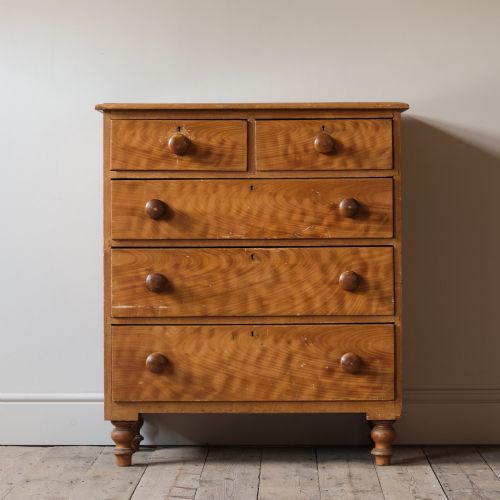
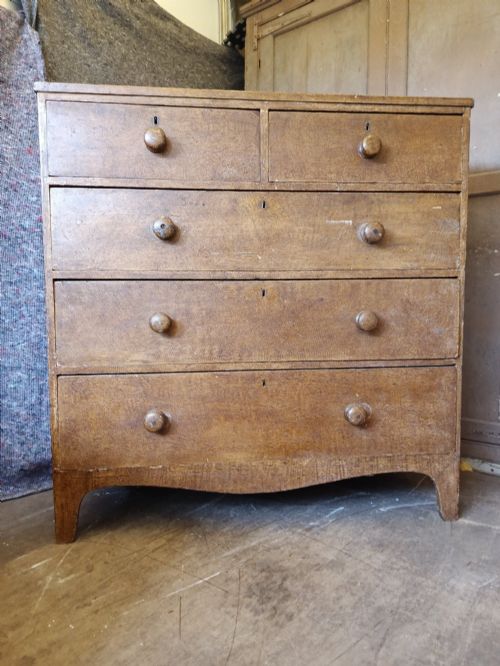
Country styles dominate the grouping, reflecting a vernacular tradition where utilitarian furniture received protective or decorative coatings. Pieces range from large kitchen dressers with original paint finishes to smaller scumbled pine cupboards and chests.
How they were made
Makers constructed these pieces predominantly from solid pine, utilising timber sourced locally for regional workshops and domestic utility. Carpenters built carcases with traditional joinery, housing drawers and cupboards to withstand heavy daily use in kitchens and sculleries.
Surfaces received layers of paint, often applied as scumble or hand-painted finishes to imitate more expensive woods or to provide durable protection. Iron, brass, and glass elements appeared as hardware and glazing, completing the construction of cupboards and dressers.
Brown Painted Dresser Retail Price Guide 2026
Typical asking prices for brown painted dresser among the pieces listed under this phrase on Sellingantiques today, from the lower quarter to the upper quarter. They describe what is for sale here now, not the wider market.
Pine and paint appear across the majority of these listings, alongside eighteenth and nineteenth century periods.
What varies in quality
The survival of original surface finishes determines the visual integrity of each piece, distinguishing surfaces that retain their historic paint layers from those stripped or heavily restored later. The character of the scumble or hand-painted decoration shows the skill of the original decorator.
Proportion and regional vernacular detailing separate standard utilitarian items from finer examples of country craftsmanship. The integrity of the pine carcase and the original hardware further influence the overall character of the piece.
The Brown Painted Dresser Glossary
- Scumble
- A decorative painting technique involving layers of translucent or opaque glaze manipulated with combs, brushes, or rags to simulate the grain of figured wood. This finish appeared frequently on nineteenth-century pine furniture to imitate richer timbers.
- Housekeepers cupboard
- A large, freestanding storage piece traditionally used in large country houses for storing linens, dry goods, or tableware. These substantial items usually feature multiple panelled doors enclosing shelving or drawers.
- Kitchen dresser
- A dual-purpose domestic furniture form comprising a lower section of drawers or cupboards and an upper open rack for displaying plates. They formed the central storage hub in historic kitchens.
- Pine
- A soft timber extensively utilised in British and European country furniture making due to its availability and ease of working. Carpenters frequently painted or scumbled this wood to enhance its appearance.
- Regency
- An architectural and design period spanning the early nineteenth century, characterised by classical restraint and refined proportions. Pieces from this era often show simpler, more elegant lines than heavier Victorian items.
Brown Painted Dresser: Frequently Asked Questions
How do I date a painted dresser?
Dating relies on observing construction methods, timber preparation, and the style of hardware or mouldings used throughout the carcase. Eighteenth-century examples often display hand-planed surfaces and simpler board construction.
Later Victorian and nineteenth-century pieces introduce machine-sawn elements and different fastening techniques. Paint analysis and the presence of original scumble finishes also help narrow the period of creation.
What is scumbled paint?
Scumbled paint involves applying a translucent topcoat over a lighter base colour and working it with tools to create faux wood grain patterns. This technique allowed makers to give humble pine furniture the rich appearance of oak or mahogany.
Victorian and earlier decorators utilised this method extensively to elevate everyday domestic items. The resulting textured finish patinates distinctively over decades of use.
Where were these dressers used?
These pieces originated primarily in domestic kitchens, sculleries, and housekeepers rooms across English, Irish, and Scottish rural households. They provided heavy-duty storage for heavy crockery, dry goods, and household linens.
Some examples also stem from institutional environments like school art departments or Scandinavian folk communities. Their robust construction suited spaces requiring practical, hard-wearing storage.
How should I clean original painted furniture?
Maintenance requires gentle dusting with a soft, dry cloth to prevent abrasive particles from damaging the historic surface. Avoid using harsh chemical cleaners, modern detergents, or excessive water that might lift fragile paint layers.
Preserving the dry or waxed patina protects the underlying timber and the character of the original finish. Professional conservation advice should be sought if deeper cleaning becomes necessary.