



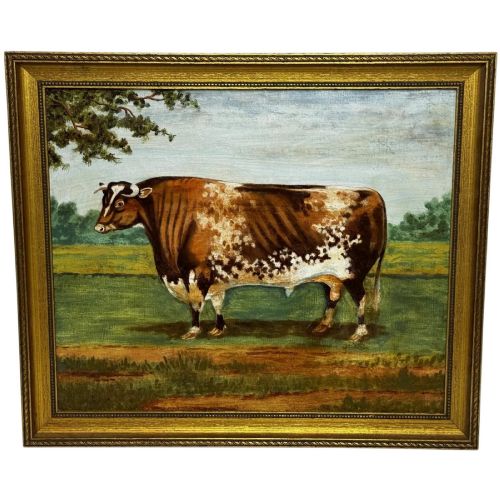
Brown Oil Landscape Art
Brown oil landscape art brings earthy depth and atmospheric stillness to walls through layered pigments and painted rural scenes.
Brown Oil Landscape Art
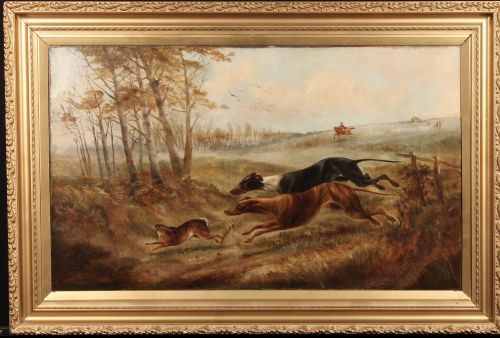
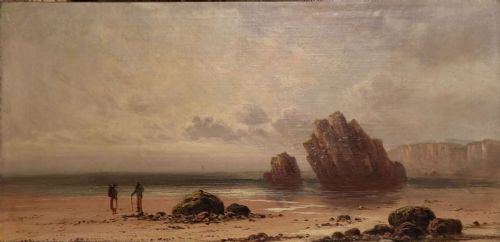
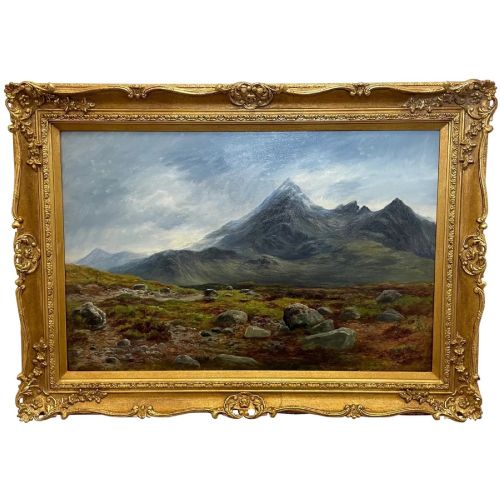
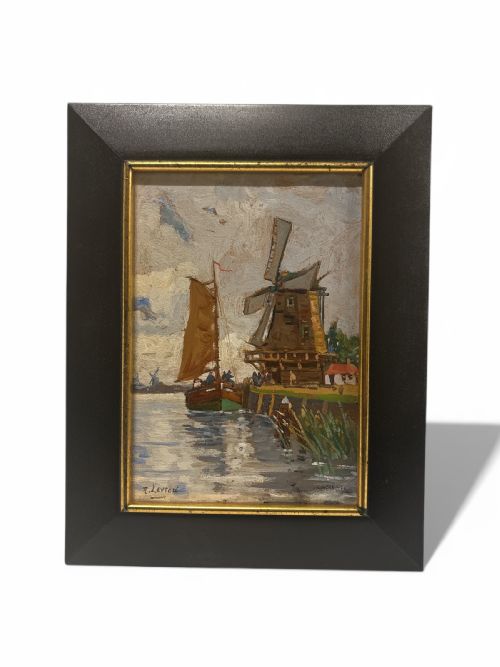
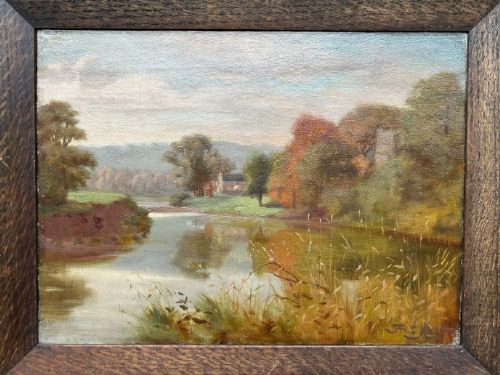
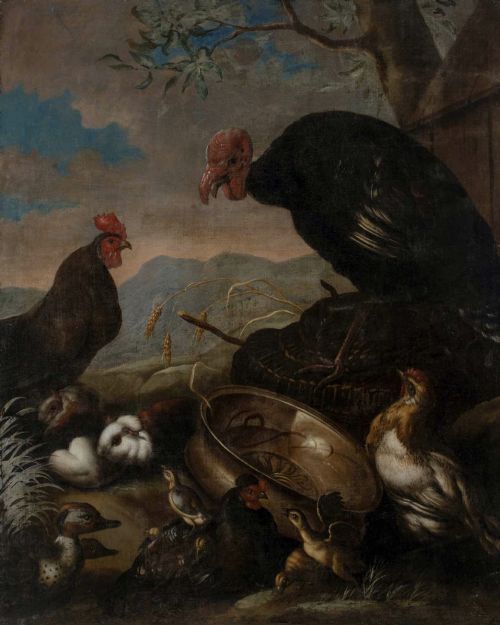
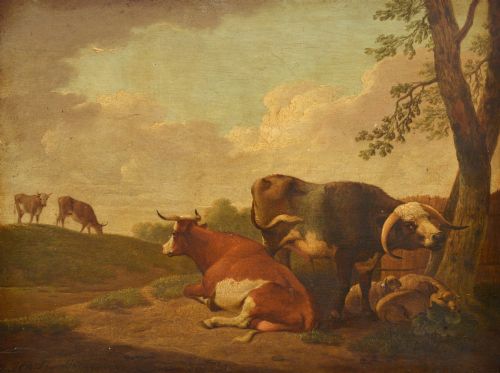
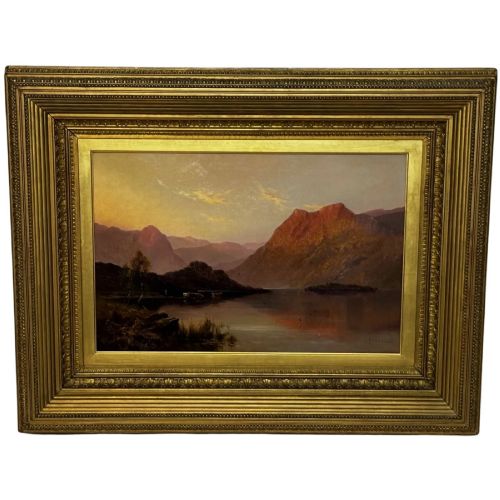
Brown oil landscape art encompasses painted scenes on canvas, board, and wood panel dating from the seventeenth century through the mid-twentieth century. These works capture woodlands, rivers, and pastures using rich umbers, siennas, and ochres.
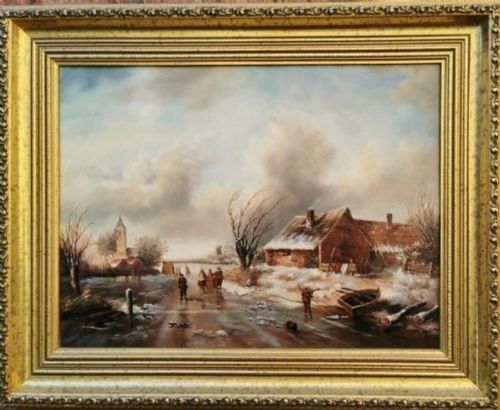
The pieces appearing most frequently range from Victorian and Edwardian British scenes to Dutch-influenced winter vistas and mid-century rural studies. Domestic cattle, sheep, and tranquil riverbanks dominate the subject matter across these periods.
Materials and technique
Artists painted primarily with oil paint on prepared canvas, wooden board, or wood panel, sometimes applying thick impasto or thin translucent glazes. These media allowed painters to build deep tonal variations and warm, shadowed environments.
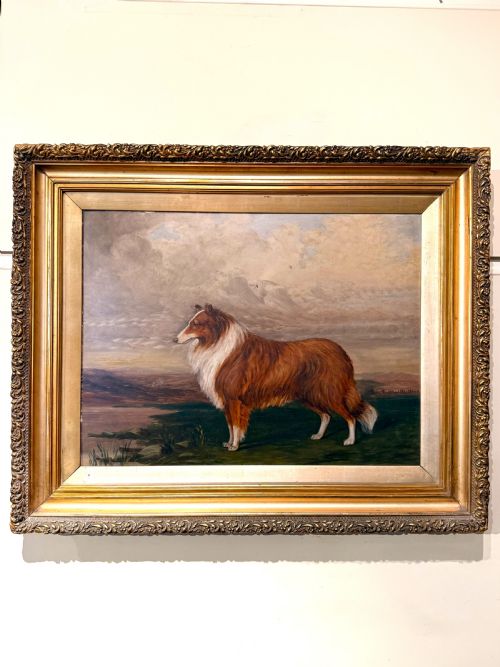
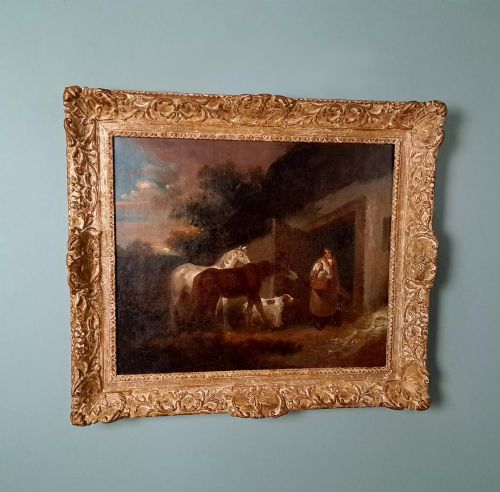
Many surviving works retain their original gilt frames, which complement the dark earthy pigments of the compositions. Support structures typically consist of stretched canvas over wooden frames or solid timber panels.
Listings feature works spanning the nineteenth and twentieth centuries, utilising canvas, board, and wood panel supports.
Quality and handling
Depth of atmosphere and confidence of brushwork separate finer examples from routine decorative paintings. Superior works demonstrate a skilled command of light and shadow, particularly in how umber tones define clouds, earth, and foliage.
The cohesion of the composition and the subtlety of colour transitions dictate artistic merit. Stronger pieces draw the eye into distant horizons through careful modulation of warm browns and muted greens.
Kenneth Cozens·William Beattie-Brown·R Leyton·William H Myers·Tom Campbell·Frederick Marriott·Angelo Maria Crivelli·William Joseph Shayer Senior·Hendrik Willem Schweickhardt·Alfred Fontville de Breanski Jr·B Nash·Herbert Royle·Cyril Walduck Edwards·Eric Brown·Richard Redgrave·Brian Shields Braaq·Robert Watson·Sir Edwin Henry Landseer·John Macvicar Anderson·John Moore of Ipswich·Stuart Walton·Paul Ehrenberg·Lilian Colbourn·T Bergman·Henry Schouten
The Brown Oil Landscape Art Glossary
- Canvas
- A heavy woven fabric stretched across a wooden frame to serve as a painting support. It provides a flexible yet durable surface for oil pigments.
- Board
- A rigid flat sheet of wood or compressed material used as a painting support instead of canvas. It offers a firm ground for detailed brushwork.
- Gilt frame
- A wooden picture surround covered in a thin layer of gold leaf or metallic gilt paint. These frames often feature ornate moulded decoration appropriate to their period.
- Impasto
- Paint applied thickly to a surface so that the strokes stand out in relief. This technique adds tactile texture and catches ambient light.
- Dutch School
- A collective term for seventeenth-century and later northern European painters renowned for mastery of landscape light and shadow. Their influence persists across many later regional styles.
Brown Oil Landscape Art: Frequently Asked Questions
How do I care for an antique oil painting?
Keep the artwork away from direct sunlight and rapid humidity changes to protect the canvas and wood. Dust the surface very gently with a dry, soft brush without applying pressure.
Avoid using water, chemical cleaners, or damp cloths on the paint layer or the gilt frame. Professional conservators should handle any deep cleaning or canvas repairs.
What subjects appear in these landscapes?
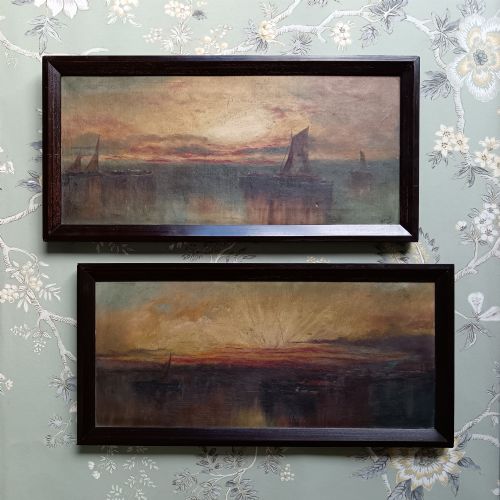
Common subjects include pastoral scenes with grazing cattle and sheep, woodland clearings, and quiet riverbanks. Coastal views, harbours, and Dutch-inspired winter frost scenes also feature frequently.
Artists often placed human figures, livestock, or boats within the scenery to establish scale and narrative depth. The emphasis generally rests on rural tranquility rather than dramatic action.
How can I date an oil painting?
Examine the materials of the support, such as the weave of the canvas, the type of wooden panel, and the construction of the stretcher frame. Handwritten inscriptions, artist signatures, and old labels on the reverse often provide specific dates or locations.
Framing styles also offer clues, as many nineteenth-century and Edwardian works retain their original gilt surrounds. Stylistic conventions in clothing, architecture, and brush technique further narrow the historical period.
Where should I hang brown landscape art?
These works suit traditional living spaces, studies, and hallways where warm umber and ochre tones complement wooden furniture. Position the painting on a wall protected from direct heat sources like radiators and fireplaces.
Consider eye-level placement where adequate ambient lighting can reveal the subtle tonal shifts in the dark pigments. Pairing the piece with neutral wall colours allows the deep earth tones to stand out clearly.