
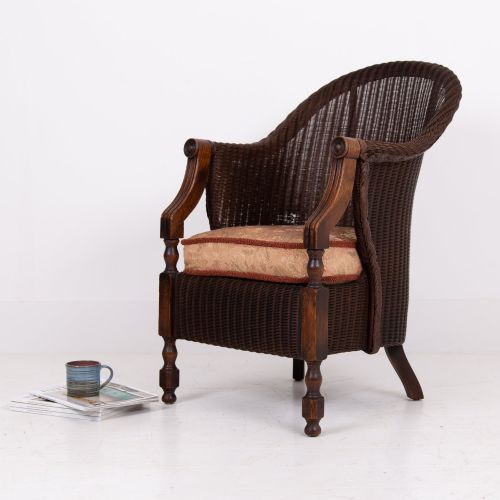
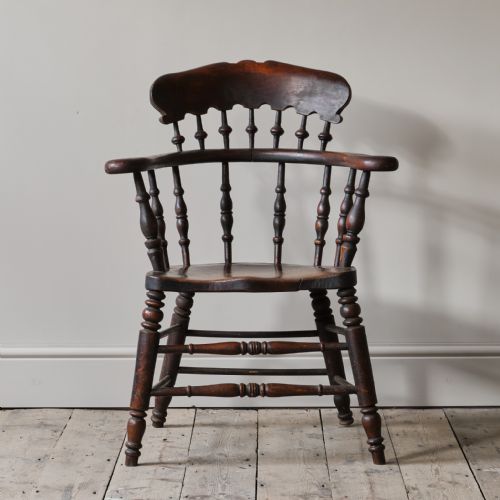
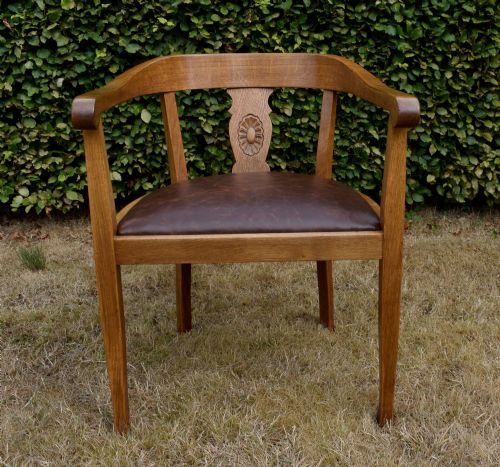
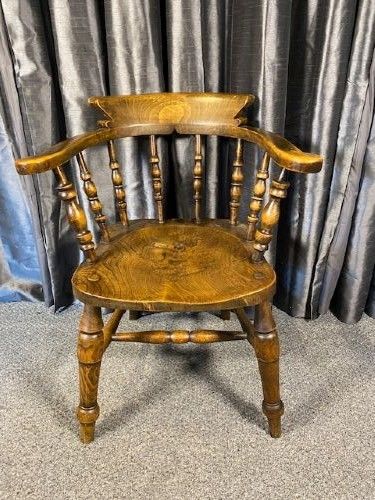


Brown Oak Tub Chair
A brown oak tub chair brings warmth and sturdy comfort to a study, built from rich timber that develops a deep patina over decades of use.
Brown Oak Tub Chair
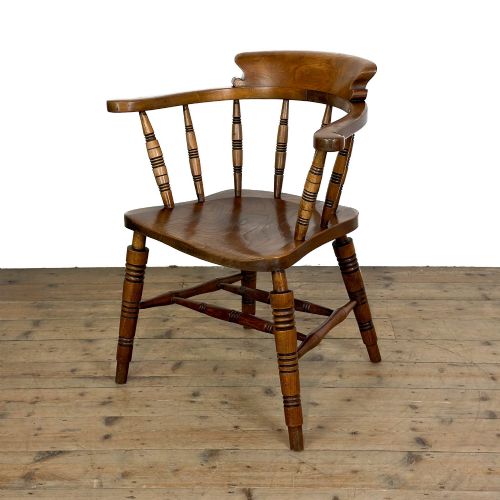
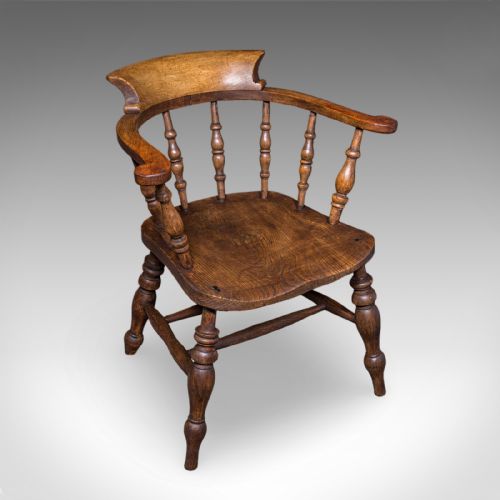
A brown oak tub chair sits low and solid, offering a curved backrest that wraps around the sitter for steady support during long hours at a desk. These heavy seating options often appear under names like smokers bow, captain's chair, or desk armchair.
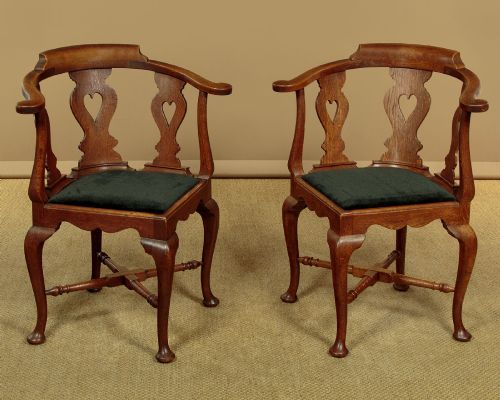
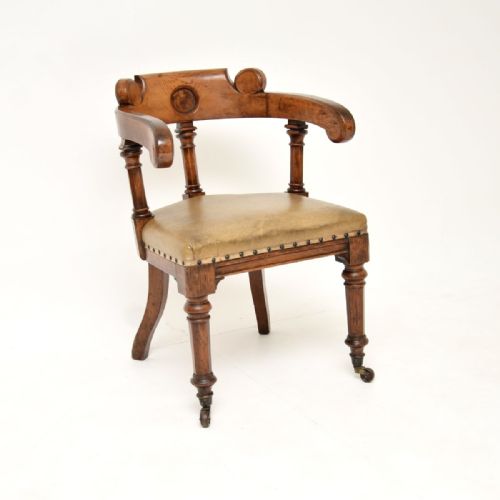
The selections span from Victorian country houses and Gothic Revival designs up to Edwardian iterations and 1930s British work. Most examples rely on heavy oak timber, sometimes paired with elm, beech, or ash for secondary framing and spindles.
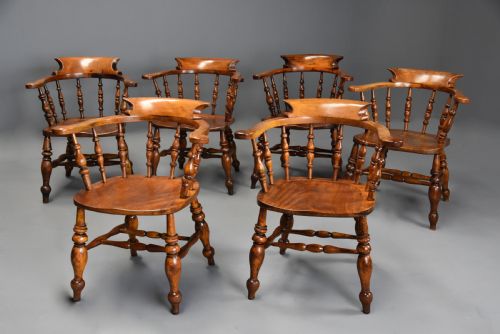
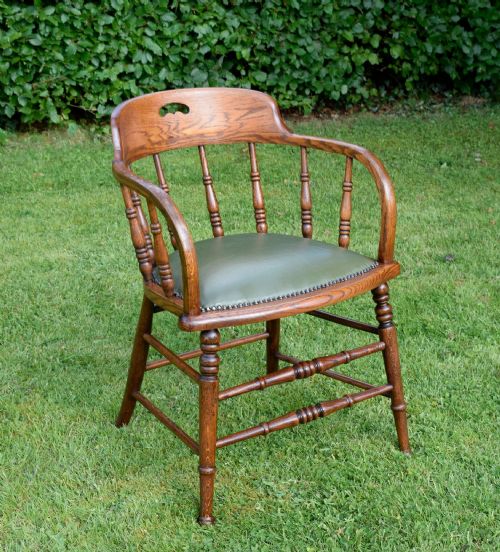
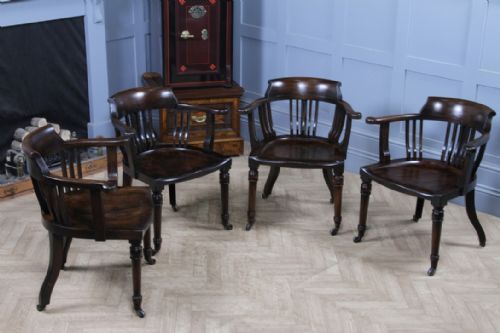
Buyers encounter single library seats as well as matched sets of four or six pieces intended for office spaces and large dining tables. Many retain simple wood seats, whilst others feature padded leather or fabric upholstery.
Materials and construction
Carpenters built these chairs using solid oak timbers alongside supportive elements of elm, beech, and ash, often joining curved armrests to turned spindles and low backrails. Hardwood frames were shaped to withstand daily strain in busy offices and libraries.
Upholstered versions incorporate brass fixings, leather hides, or fabric pads secured directly into the wooden base. Many frames reveal steam-bent crest rails that create the characteristic rounded profile of the tub and bow seats.
Listings feature oak alongside elm, beech, and brass, spanning the nineteenth century through to the 1930s.
Markers of distinction
The quality of a brown oak tub chair rests upon the grain pattern of the timber and the crispness of the turned spindle work. Heavier gauge oak and deeper carving separate standard utility seating from finer country house examples.
Proportions dictate the elegance of the piece, with well-balanced arm curves and tightly fitted joints showing the maker's hand. Original surfaces carrying untouched patination outshine over-restored timber.
The Brown Oak Tub Chair Glossary
- Tub chair
- A low-backed armchair with a continuous curved back and arms forming a single enclosing shape. It provides compact support around the lower back.
- Smoker's bow
- A sturdy low-backed wooden armchair with a rounded spindle back, historically popular in offices and rural taverns. It shares a profile with the captain's chair.
- Captain's chair
- A low wooden armchair featuring a rounded back rail supported by vertical spindles above a saddle seat. These were widely used in studies and ships' cabins.
- Gothic Revival
- A nineteenth-century style drawing on medieval architectural motifs such as pointed arches and heavy geometric carving. It imparts a severe, ecclesiastical character to domestic furniture.
- Arts and Crafts
- A design movement valuing honest construction, visible joinery, and natural materials over mass production. Pieces from this tradition emphasise plain oak surfaces.
Brown Oak Tub Chair: Frequently Asked Questions
Where should I place a brown oak tub chair?
These pieces suit home offices, libraries, and corners where a supportive seat is needed without taking up too much floor space. Their low profiles make them practical companion pieces for writing desks.
In living rooms, a single timber armchair adds architectural weight and introduces warm brown tones to a seating arrangement.
How do I care for the oak wood?
Maintain the timber by dusting regularly with a dry cloth and occasionally feeding the surface with a quality beeswax. Keep the chair away from direct heat sources and strong sunlight to prevent the oak from splitting.
Leather pads and upholstered seats require gentle cleaning suited to their specific materials, avoiding harsh chemical sprays.
Are these chairs comfortable for daily sitting?
Solid wooden seats provide firm support, particularly those shaped with a dished or saddle profile to fit the body. Models fitted with original or updated leather pads offer a softer cushion for extended working hours.
Their compact proportions encourage upright posture at a desk or table.