





Brown Oak Throne Chair
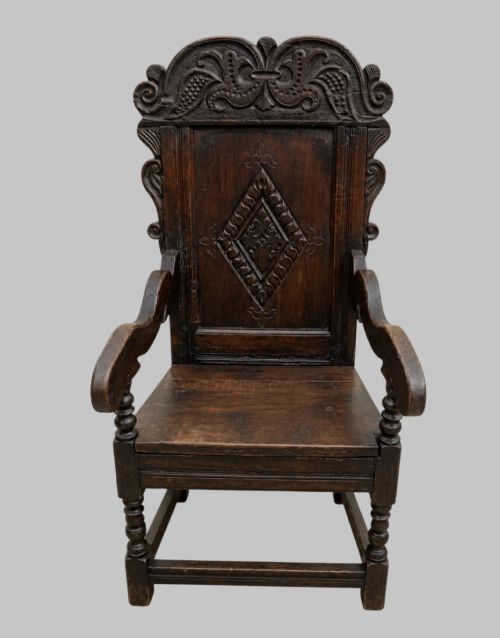
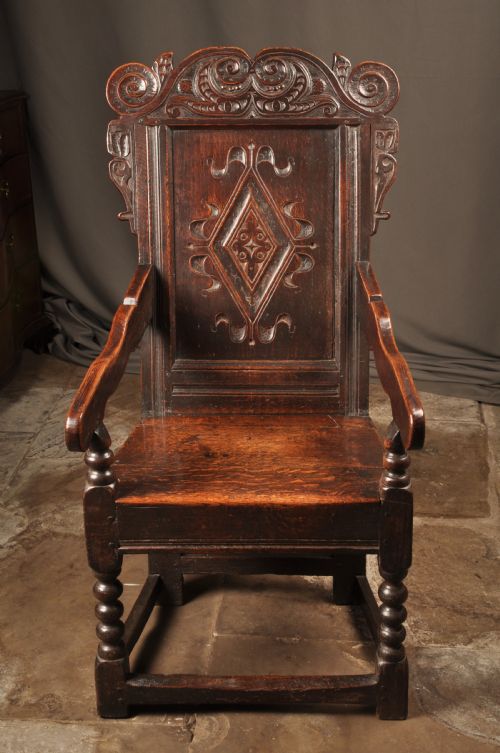
A brown oak throne chair anchors a room with timber architecture, panelled backs and substantial armrests handed down through centuries.
Brown Oak Throne Chair
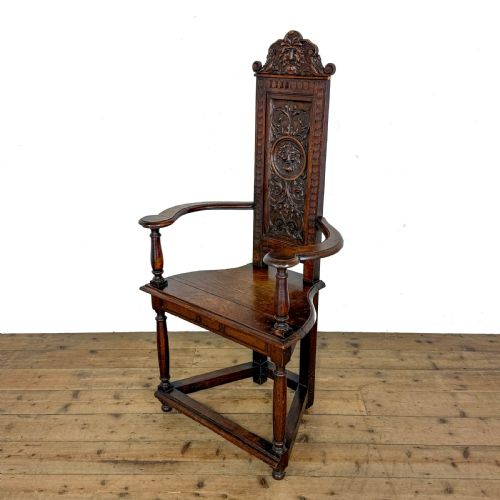
When you search for a brown oak throne chair, you encounter heavy seating forms rooted in historical domestic spaces. These pieces span wainscot armchairs, enclosed seats, and high-backed throne styles designed for status and authority.
The material record relies heavily on English, Welsh, and Scottish oak, often accompanied by leather, cane, and brass details. Pieces appear from the seventeenth, eighteenth, and nineteenth centuries, including revival interpretations inspired by earlier eras.
Materials and construction
Joinery methods rely on mortise and tenon joints secured with wooden pegs to hold heavy timber frames together. Carving, panelling, and turning shape the structural members of backrests, arm supports, and legs.
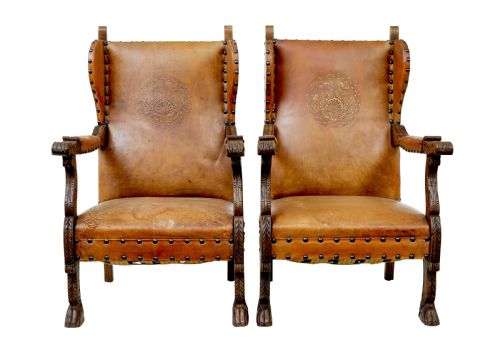
Secondary elements incorporate embossed or buttoned leather, woven cane, and textile elements fixed with brass tacks. Timber surfaces exhibit rich brown tones developed through age and applied finishes.
Some chairs incorporate hidden compartments or inscriptions carved directly into the timber by past owners.
Judging the range
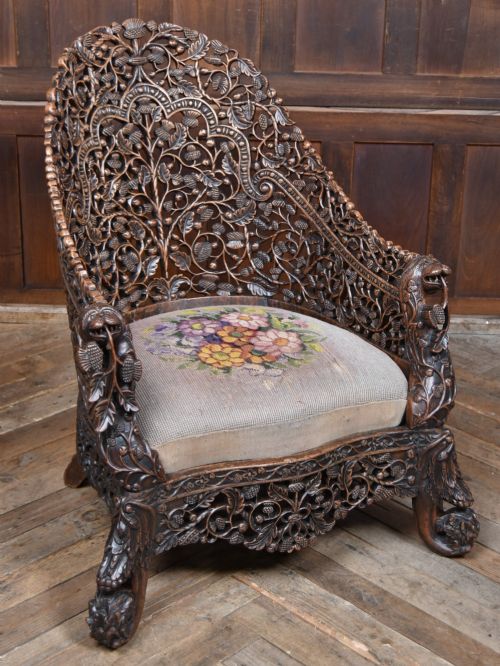
Depth of carving and proportion separate standard seating from exceptional examples. Crisp execution in floral or geometric motifs indicates superior workshop execution.
Integrity of timber, extent of original construction, and surface patination determine the standing of an individual piece within its period.
The Brown Oak Throne Chair Glossary
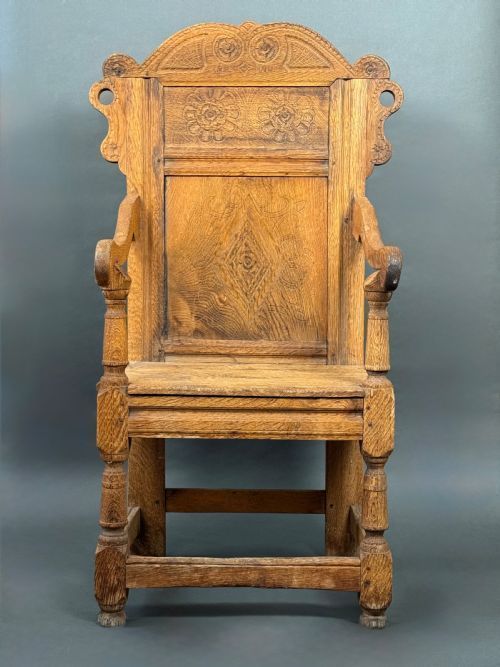
- Wainscot chair
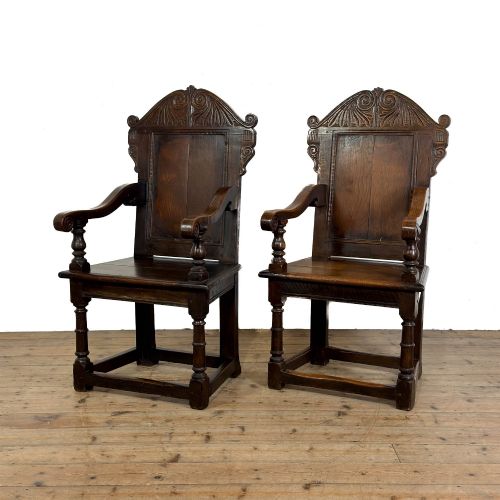
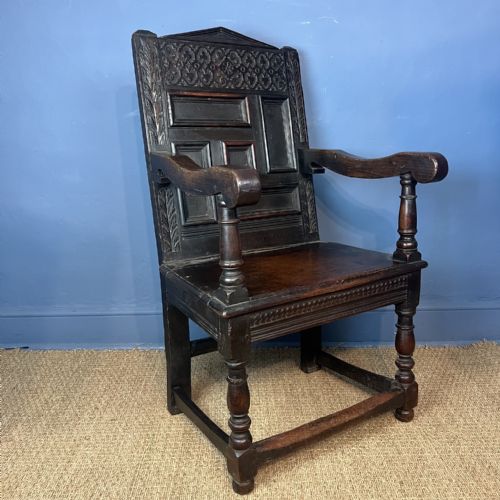
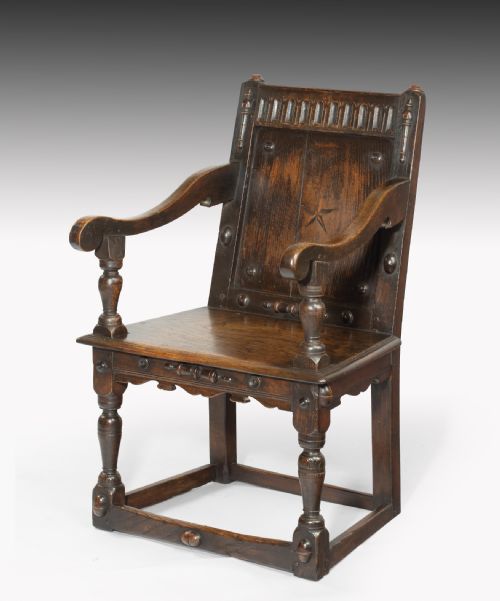
- A heavy wooden armchair characterised by a panelled wooden back and solid seat construction. This form developed in domestic interiors before upholstered furniture became common.
- Caquetoire
- A light, narrow armchair designed in the sixteenth century to accommodate contemporary women's wide skirts. The name derives from a French verb meaning to chatter.
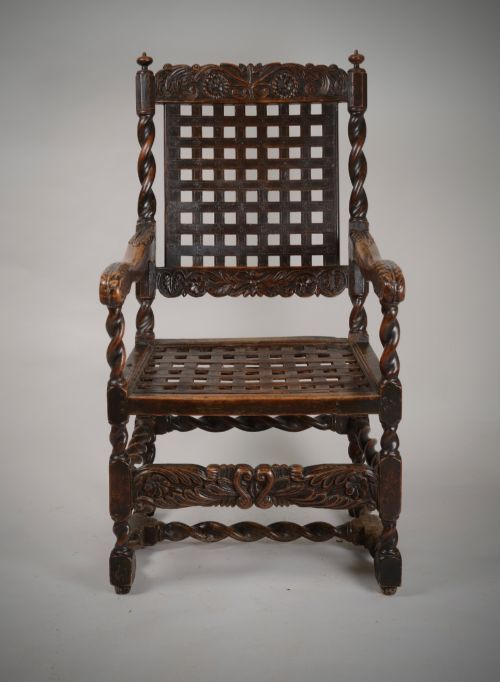
- Turner's chair
- A seat constructed entirely from turned wooden spindles and members fitting together in geometric patterns. These are also known as Glastonbury or sausage-turned chairs.
- Carolean
- Pertaining to the reign of Charles II, marked by rich carved decoration, scrolling foliage, and crown motifs on seating frames. This style followed the restoration of the monarchy.
- Gothic Revival
- An architectural and decorative movement of the nineteenth century that revived medieval pointed arches, tracery, and heavy timber proportions in furniture design.
Brown Oak Throne Chair: Frequently Asked Questions
How do I identify a seventeenth century chair?
Look for pegged mortise and tenon joinery, heavy native oak boards, and hand-carved panels showing geometric or floral motifs typical of early workshop practices.
Construction details on authentic period pieces often reveal tool marks and structural asymmetry absent in later revival copies.
Were these chairs used for sitting daily?
Wainscot and throne chairs served as principal seats of authority for the head of the household rather than casual lounging furniture.
Their upright wooden backs and solid proportions reflect a period when seating signified social standing within the great hall.
How should I care for brown oak timber?
Maintain stable indoor humidity and apply microcrystalline wax occasionally to protect the dry historic wood from splitting.
Avoid placing timber furniture near direct heat sources or in strong sunlight that can fade the brown colour.
What is a Glastonbury chair?
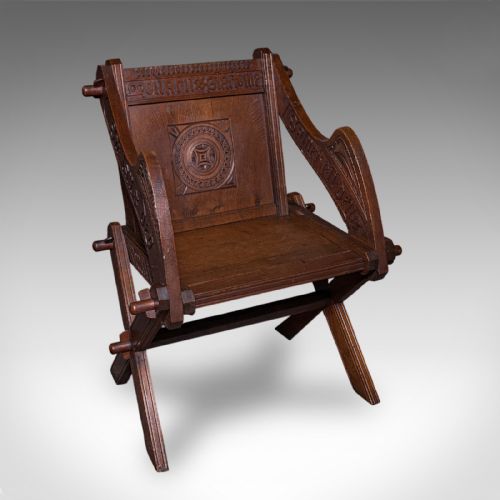
A Glastonbury chair is a specific Gothic revival form featuring an inclined panelled back and sloped armrests based on an ancient relic.
Examples seen in the listings incorporate oak construction and nineteenth-century interpretations of medieval church seating.