
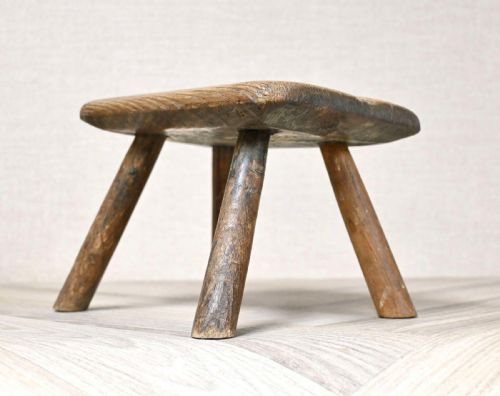
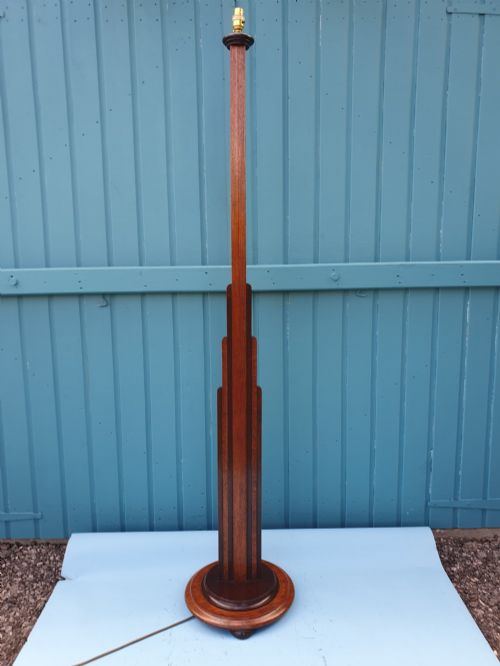


Brown Oak Steps
Brown oak steps bring functional height and rich timber grain to domestic libraries and studies.
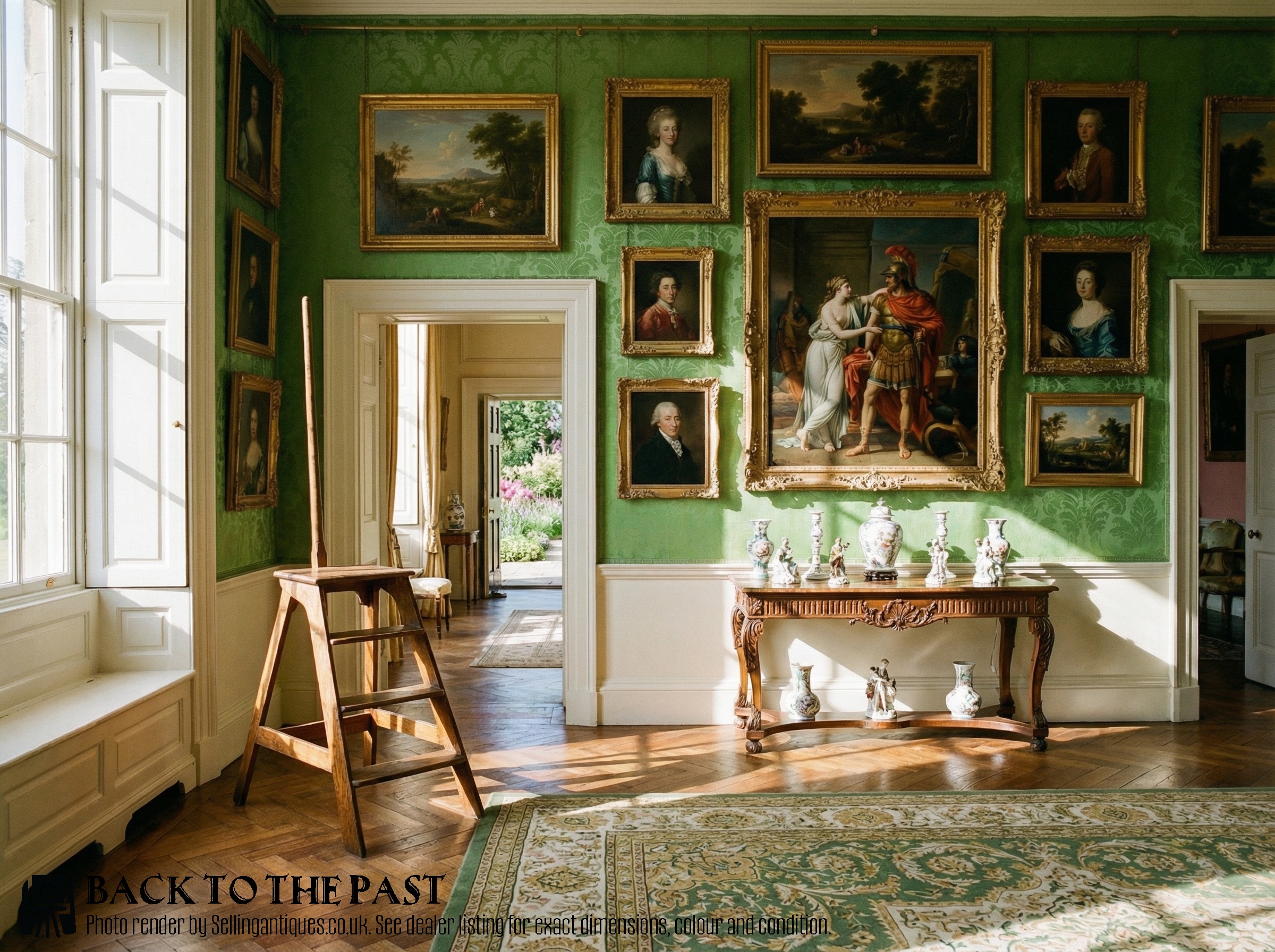
Brown Oak Steps
Brown oak steps primarily comprise library steps, library ladders, and metamorphic step chairs designed for domestic and institutional book storage. These functional items appear across the eighteenth, nineteenth, and early twentieth centuries, spanning periods from Georgian craftsmanship through to Art Deco and Edwardian production.
The versions most commonly met on this page include nineteenth-century library steps and early twentieth-century examples in solid oak. Pieces range from straightforward sets of timber treads to clever metamorphic designs that transform between seating and climbing apparatus.
What varies in quality
The distinction between standard utility items and finer examples rests in the ambition of the design and the sophistication of the joinery. Elaborate metamorphic mechanisms and Gothic or Aesthetic Movement stylistic details elevate the standing of a piece.
Proportion and the quality of the timber selection determine visual balance. Pieces that integrate clever engineering with clean lines demonstrate superior workmanship.
Current listings feature items spanning the eighteenth century to the 1930s, constructed predominantly in oak with occasional brass and leather elements.
A.W.N.Pugin·Richard Hicks Bridgens·Kershaw Schofield
The Brown Oak Steps Glossary
- Metamorphic
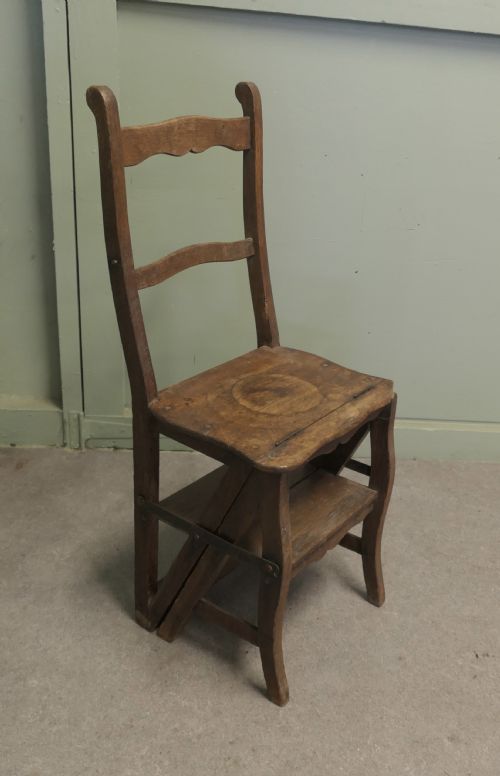
- A piece of furniture designed to transform into another functional form, such as a chair converting into a flight of steps. This dual purpose was particularly popular in nineteenth-century libraries.
- Library steps
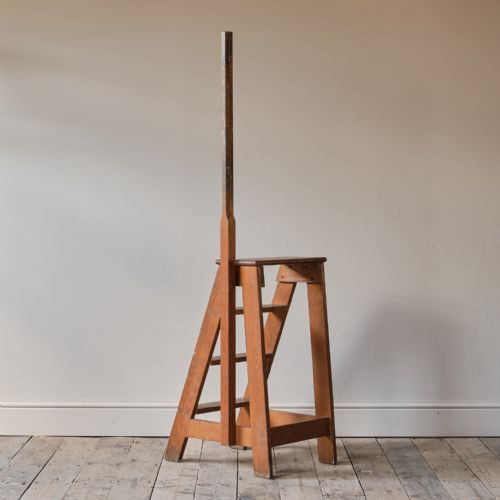
- A freestanding flight of wooden stairs utilised to reach high bookshelves. They appear in various configurations, from simple steps to substantial sets incorporating handrails.
- Crossbanding
- A decorative border technique where thin strips of veneer are laid across the grain of the primary timber. This treatment frames panels and adds visual depth to cabinetwork.
- Aesthetic Movement
- A late nineteenth-century design style focusing on visual beauty rather than narrative or moral function. Pieces from this movement often display refined geometric forms and decorative detailing.
Brown Oak Steps: Frequently Asked Questions
How do metamorphic library steps work?
Metamorphic steps utilise hidden hinges and pivoting joints to alter the physical shape of the furniture. A chair back folds down or swings forward to form a stable flight of treads.
This clever engineering allowed domestic spaces to save room while providing necessary access to tall bookcases.
What periods do these steps come from?
The pieces span from the eighteenth century through the Victorian and Edwardian eras into the early twentieth century. Designs evolved from straightforward Georgian utility to inventive Victorian metamorphic forms.
Later pieces reflect twentieth-century styles including Art Deco alongside traditional timber construction.
How should I care for timber library steps?
Keep wooden steps away from direct heat sources and sudden humidity changes to prevent the timber from splitting. Regular dusting with a soft cloth maintains the finish of the grain.
Period pieces benefit from occasional application of appropriate furniture wax to nourish the surface.
Can these steps still be used daily?
Most sturdy library steps remain fully capable of supporting weight when placed on level ground. Checking the stability of the joints ensures safe climbing.
Lighter decorative variants function best as display surfaces or occasional seating rather than heavy-duty climbing aids.