
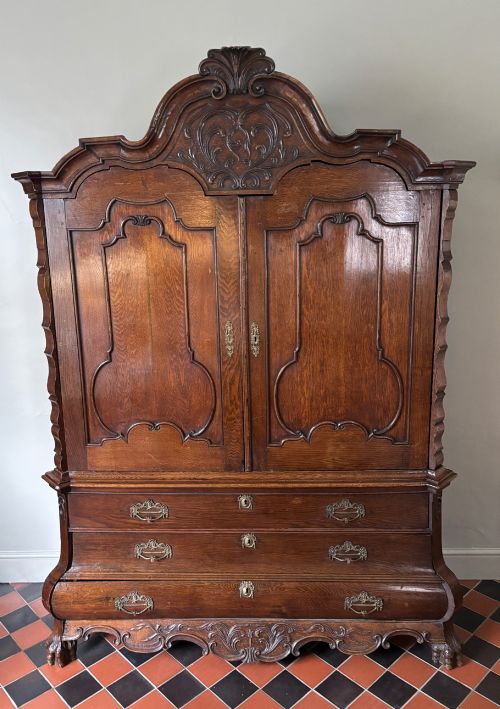
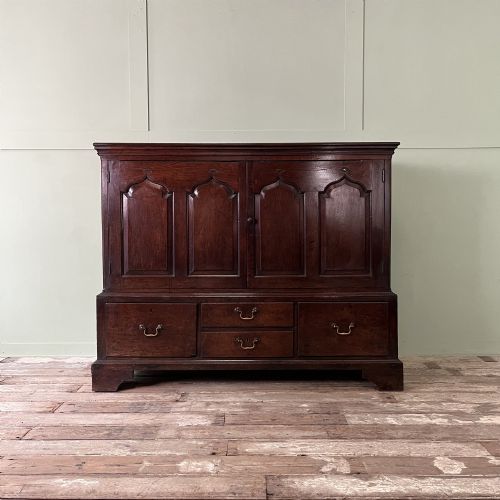
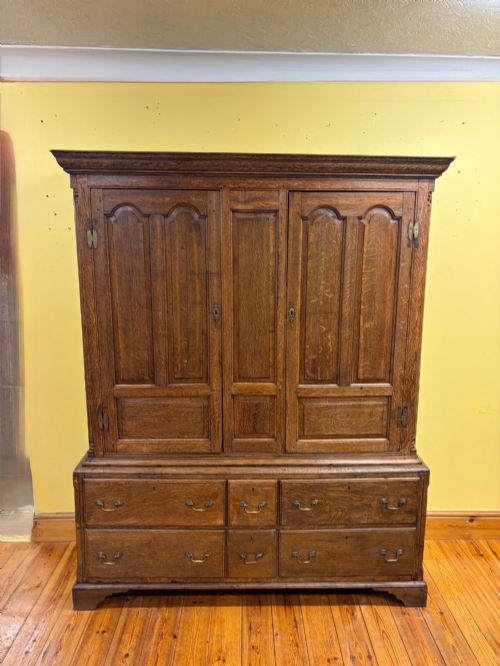
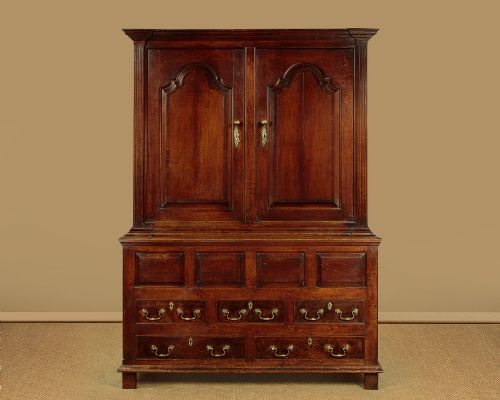
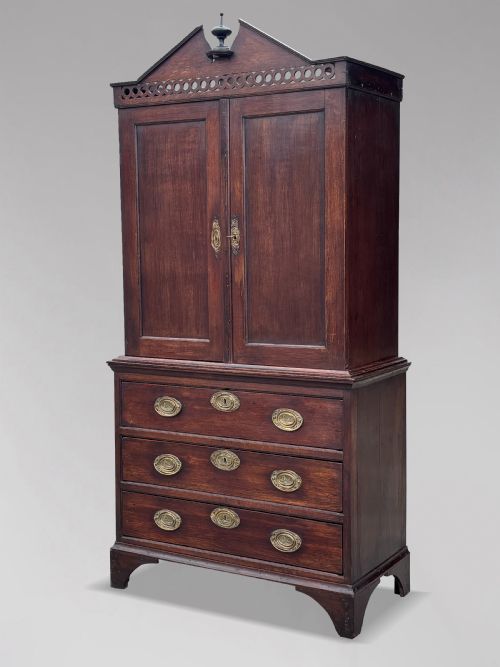
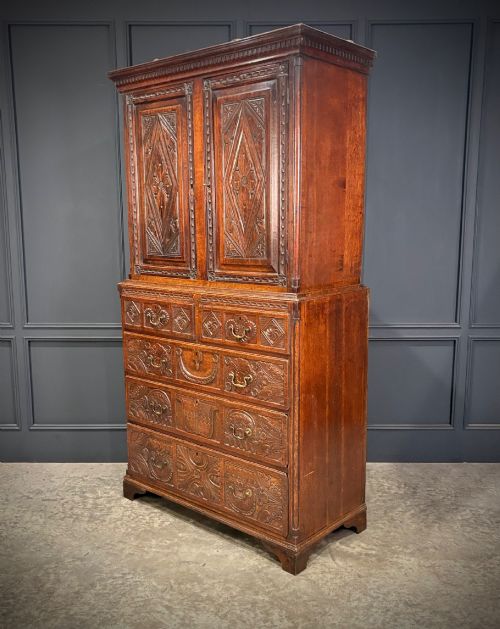


Brown Oak Housekeepers Cupboard
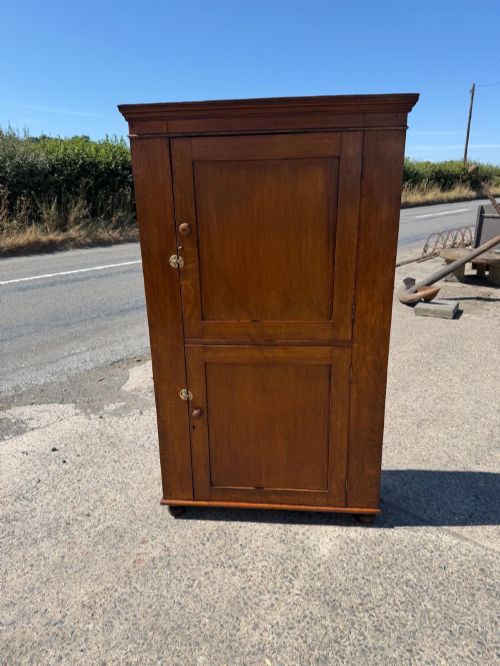
A brown oak housekeepers cupboard offers generous storage and rich timber patination, built to organise household stores.
Brown Oak Housekeepers Cupboard
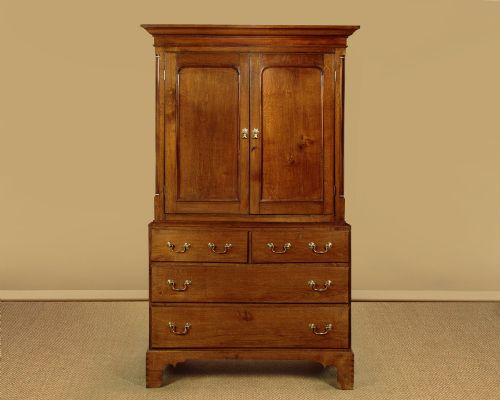
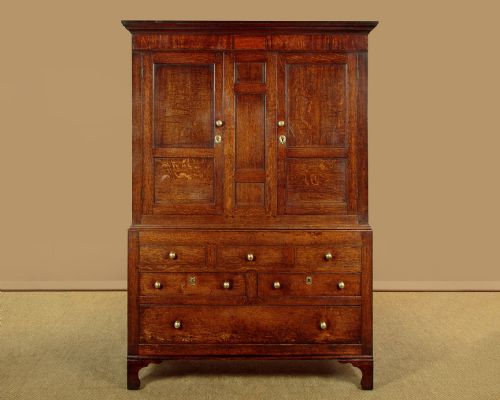
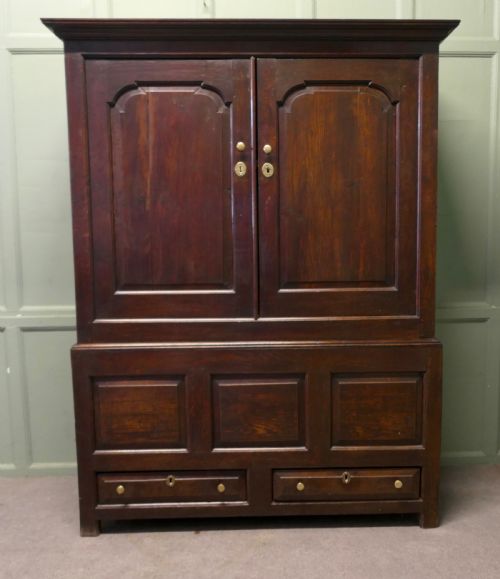
A brown oak housekeepers cupboard is a substantial storage piece designed for domestic organisation, frequently featuring upper and lower sections for linen, provisions, or household stores. The examples found here span from the seventeenth century through to the Victorian era, taking forms such as press cupboards, linen presses, and food cupboards.
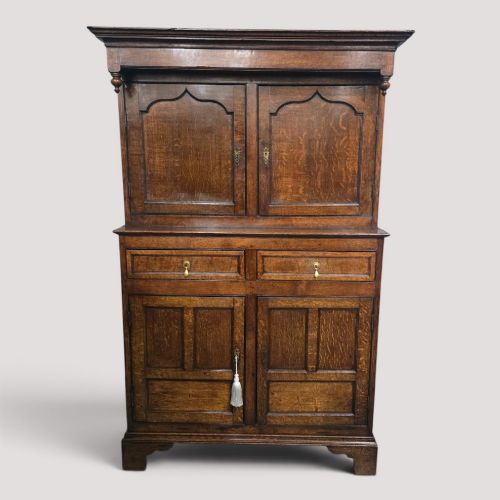
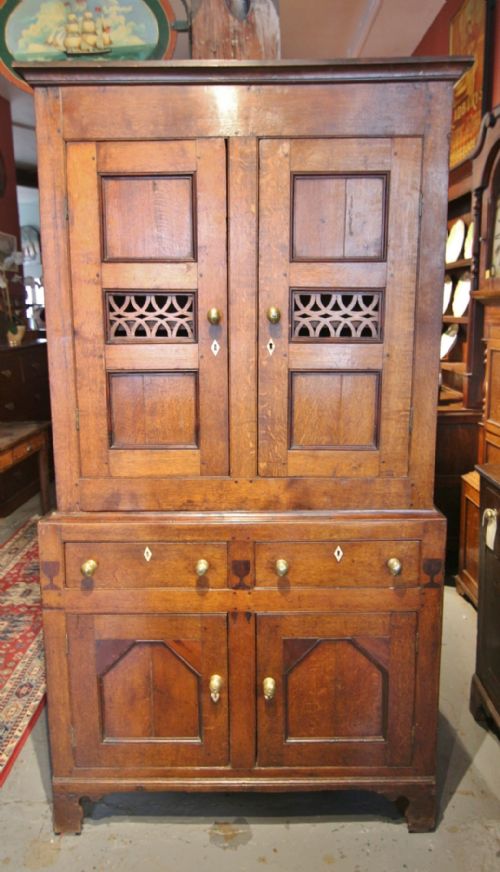
Regional variations appear often, particularly Welsh vernacular pieces like bread and cheese cupboards or court cupboards, alongside Georgian country designs. These items served practical roles in large houses and farmsteads, utilising local timber and traditional regional proportions.
What varies in quality
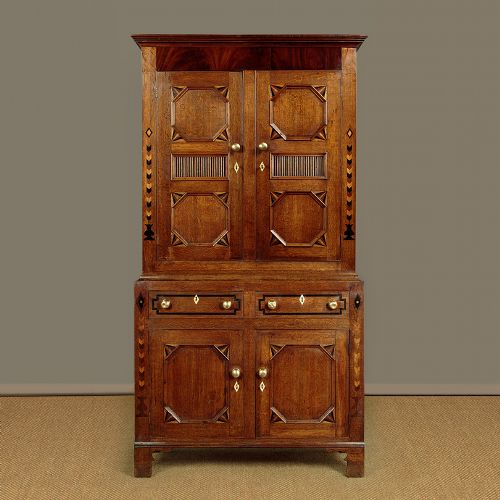
Quality depends heavily on the crispness of the timber's figure and the depth of the natural patina accumulated over generations of polishing and use. Pieces displaying balanced proportions and restrained decorative elements, such as subtle cross-banding or regional carving, command greater attention.
The integrity of the original construction, including unaltered interiors, period brass or iron hardware, and well-preserved panel work, distinguishes finer vernacular examples from heavily altered or later assembled pieces.
Materials documented across the inventory include solid oak enhanced by brass, iron, bone, glass, inlaid wood, ebony, and holly.
The Brown Oak Housekeepers Cupboard Glossary
- Housekeepers cupboard
- A large storage cabinet traditionally used by a housekeeper to store linens, blankets, and dry goods. These typically feature multiple doors enclosing shelves or hanging space.
- Linen press
- A tall cupboard specifically designed for storing folded linen, often combining sliding trays or shelves in the upper section with drawers below. They became popular in domestic interiors during the Georgian period.
- Bread and cheese cupboard
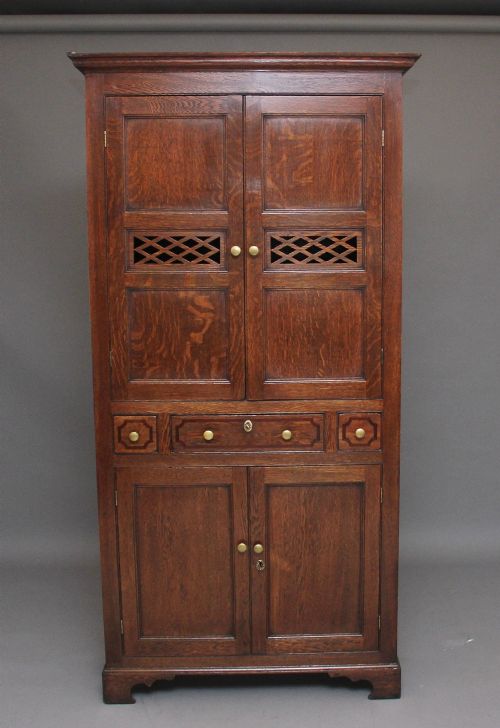
- A regional Welsh food cupboard featuring pierced or louvred panels for ventilation, allowing air to circulate around perishable provisions. They are a notable form of country vernacular furniture.
- Court cupboard
- An early form of press cupboard characterised by a recessed upper tier supported on pillars or columns above a broader base. They often display carved detailing characteristic of seventeenth and eighteenth-century craftsmanship.
- Cross-banded
- A decorative border technique where thin strips of veneer are laid across the grain of the primary wood panel. This frames the door or drawer front with a contrasting grain pattern.
Brown Oak Housekeepers Cupboard: Frequently Asked Questions
What is a housekeepers cupboard used for?
These large cupboards served as central storage units for domestic households, holding household linens, blankets, tableware, and dry stores.
Their substantial internal capacity allowed staff to keep domestic goods organised and protected from dust in large country houses and farmsteads.
How do I date an oak cupboard?
Dating relies on examining construction techniques, such as hand-cut dovetails, pegged joints, and the style of mouldings and hardware. Regional vernacular pieces often retain distinct structural traits characteristic of their specific period, from seventeenth-century panels to Victorian proportions.
Secondary woods and the nature of the timber's wear also provide reliable clues to the age of the piece.
What is a Welsh bread and cheese cupboard?
This is a specific regional food cupboard fitted with slatted or pierced panels to permit air circulation around perishable items. They represent practical Welsh country craftsmanship from the eighteenth and nineteenth centuries.
The ventilation panels distinguish them from standard linen or clothing presses.
How do I care for antique brown oak?
Maintain the timber by applying traditional beeswax sparingly and buffing with a soft cloth to nourish the grain. Avoid placing the cupboard near direct heat sources or strong sunlight, which can dry out the oak and cause splitting.
Regular gentle dusting preserves the historic patina without stripping the surface finish.