

Brown Oak Hall Chair
A brown oak hall chair is a sturdy timber seat designed for grand entryways, offering robust historical character and practical utility for modern corridors.
Brown Oak Hall Chair
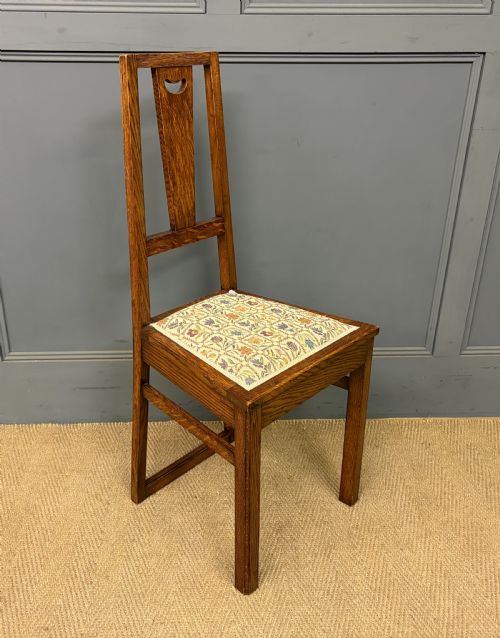
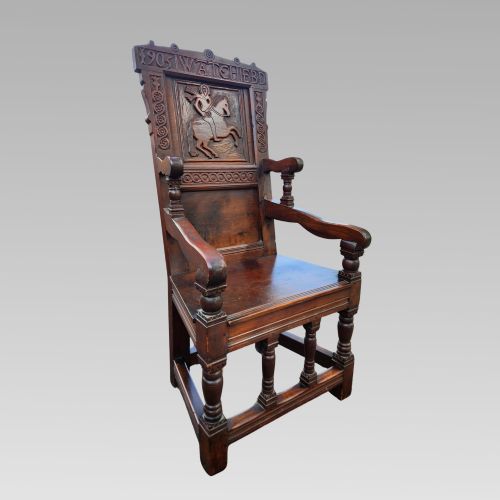
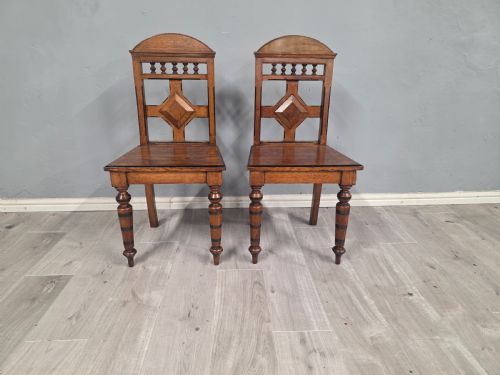
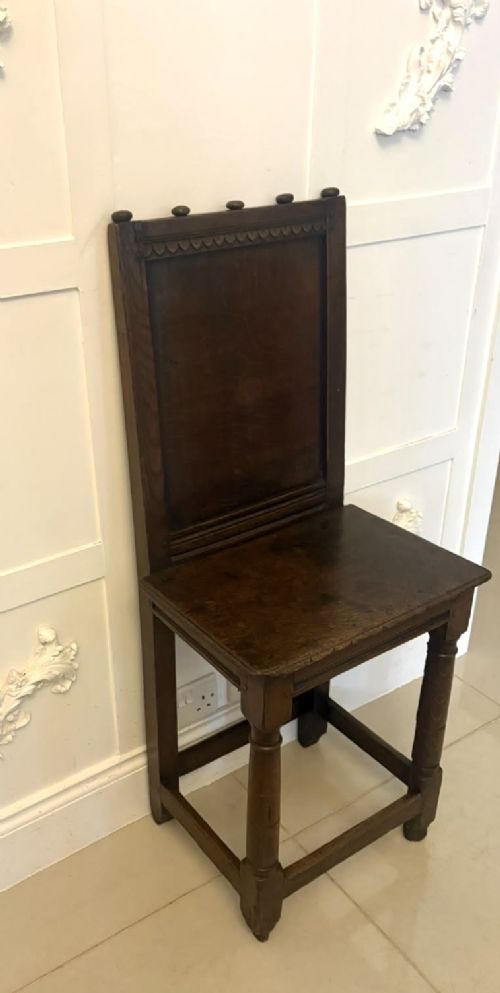
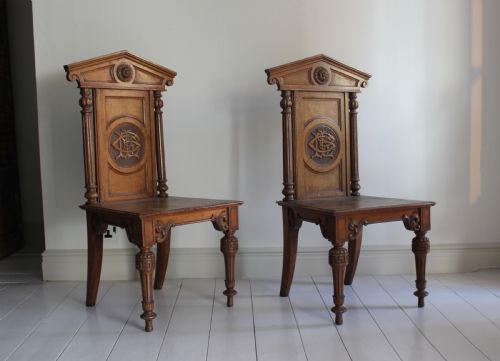
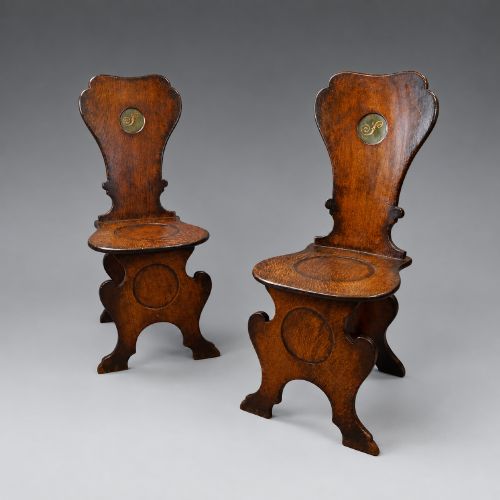
A brown oak hall chair serves as a functional anchor for an entranceway, originally built to handle heavy use in corridors and waiting areas. Buyers searching for a brown oak hall chair encounter pieces spanning from the seventeenth century through the Victorian and Edwardian eras, reflecting enduring traditional forms.
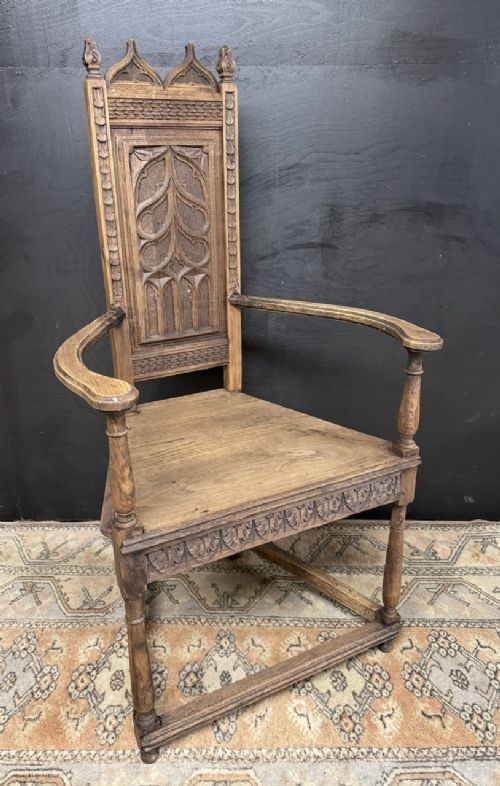
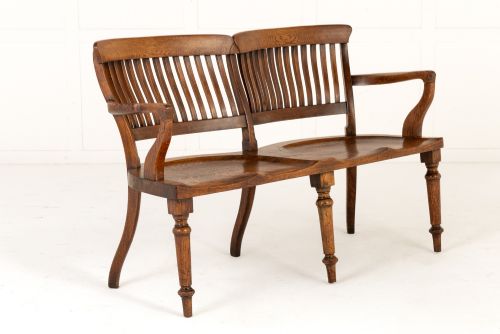
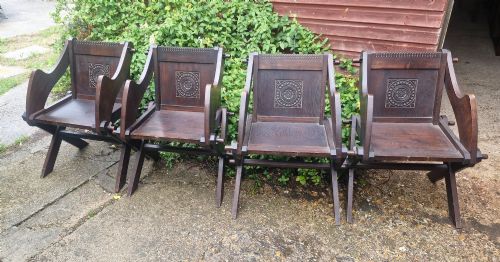
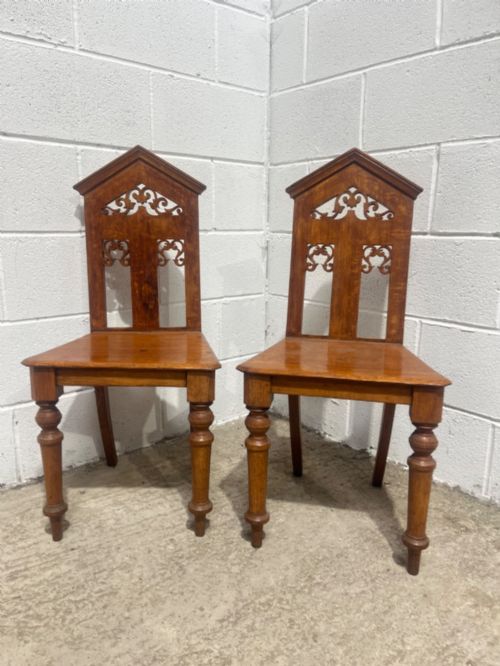
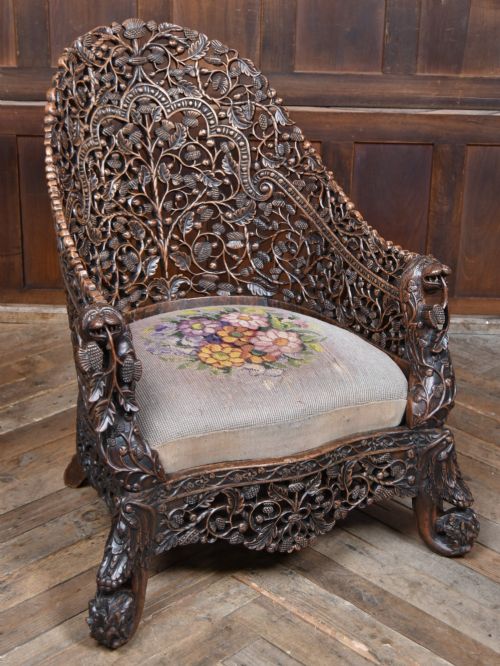
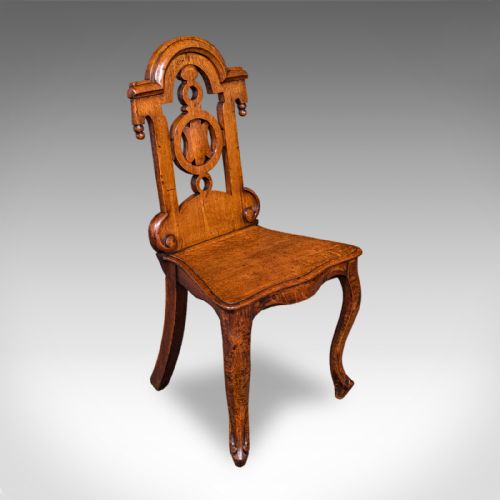
The selection ranges from straightforward vernacular side chairs to ornate Gothic Revival designs featuring trefoil details and carved panels. Alongside conventional single seats, related forms such as settles, benches, and armchairs appear across various historical periods.
Originating largely from British and European workshops, these wooden seats display distinct regional characteristics, from simple country execution to elaborate panelled construction. Each item demonstrates the heavy timber framing typical of period seating intended for public or domestic hallways.
Materials and Construction
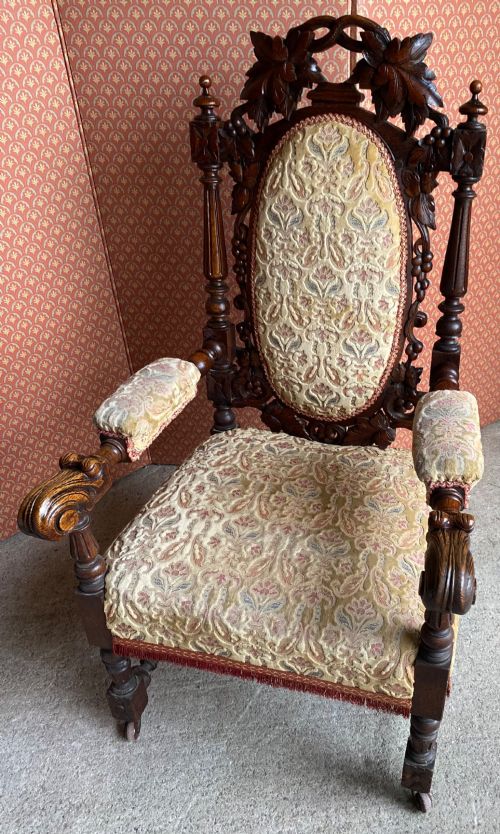
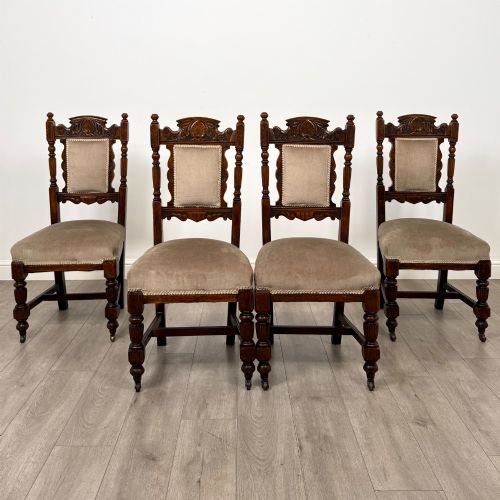
Makers relied primarily on solid oak, frequently paired with secondary materials such as leather, brass studs, rush, and fabric for upholstery or detailing. Selected timbers often display the rich grain and deep colouration acquired through age and natural oxidation.
Joinery methods involved traditional pegged mortise and tenon joints, ensuring rigid stability for pieces subject to constant movement in busy halls. Turned components, including bobbin turnings, added structural support while decorative carving transformed utilitarian frames into stylistic statements.
Brown Oak Hall Chair Retail Price Guide 2026
Typical asking prices for brown oak hall chair among the pieces listed under this phrase on Sellingantiques today, from the lower quarter to the upper quarter. They describe what is for sale here now, not the wider market.
One unexpected survivor on the floor is a gossip chair designed for sideways sitting, proving our ancestors loved a good chat.
Factors Determining Quality
The degree of crispness in hand-carved details and the integrity of the timber frame distinguish superior examples from simpler utilitarian output. Original surface patination and uncompromised structural joinery elevate the standing of a piece considerably.
Proportion and execution dictate distinction, where balanced proportions and deliberate stylistic adherence, such as Gothic Revival or Jacobean revival motifs, reflect the maker's skill. The presence of authentic period fixings or historical provenance adds tangible weight to the object's integrity.
The Brown Oak Hall Chair Glossary
- Hall chair
- A wooden seat intended for an entrance hall, usually featuring a solid timber back and minimal upholstery for durability. These items often display carved family crests or decorative shields.
- Wainscot chair
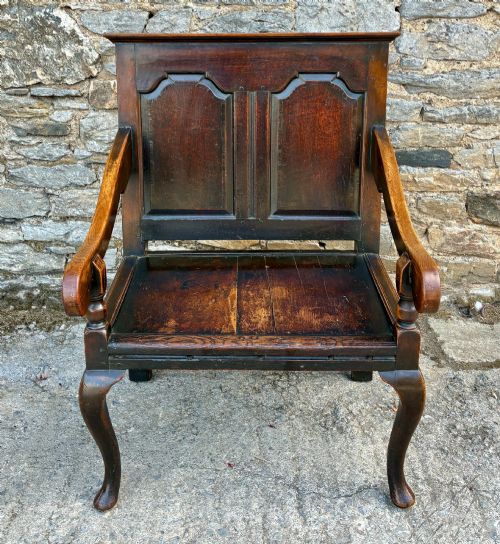
- An early heavy wooden armchair constructed with panelled backboards and turned legs. This form derives its name from wainscot oak imported from the Low Countries.
- Gothic Revival
- A nineteenth-century architectural and decorative movement reviving medieval forms. Pieces in this style utilise pointed arches, trefoils, and heavy tracery.
- Bobbin turning
- A form of lathe turning that produces a series of rounded spheres resembling bobbins or beads along a wooden shaft. This technique was popular during the seventeenth century and later revived.
- Sgabello
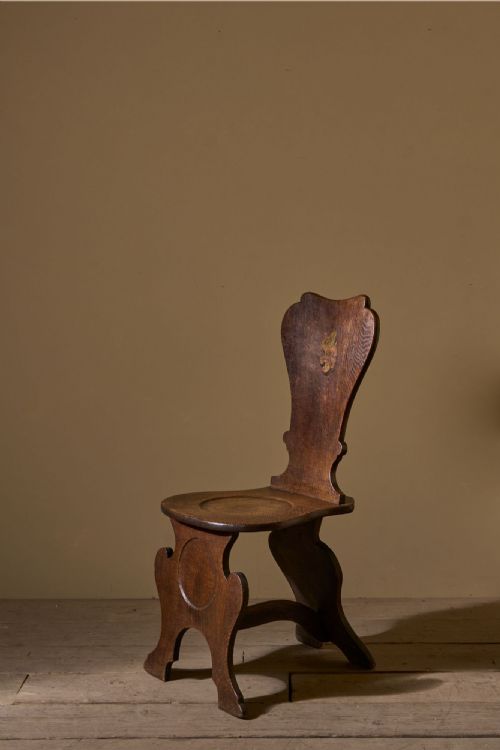
- A portable Renaissance chair type featuring a wooden seat supported by two carved board legs rather than four standard posts. These narrow seats suited the constricted spaces of historical entryways.
Brown Oak Hall Chair: Frequently Asked Questions
Where were hall chairs placed?
These seats stood primarily in grand entrance halls, vestibules, and corridors of large homes where visitors waited. They functioned as brief resting places rather than comfortable lounging chairs.
Because they occupied high-traffic areas, makers built them robustly from dense timbers like oak to withstand frequent use by visitors and household staff.
Are these chairs comfortable for daily use?
Historical hall seating was designed for posture and durability rather than extended lounging. Most feature upright wooden backs and solid seats, though some incorporate leather or rush pads.
Placing them in modern hallways provides a practical spot for putting on shoes while adding architectural weight to an interior space.
What maintenance do old oak chairs require?
Historic timber benefits from occasional application of quality wax to nourish the grain and protect the surface from drying out. Avoiding direct sunlight and sudden temperature shifts prevents wood splitting and joint separation.
Regular dusting with a dry cloth keeps the carved details clear without introducing moisture to vulnerable joints.