
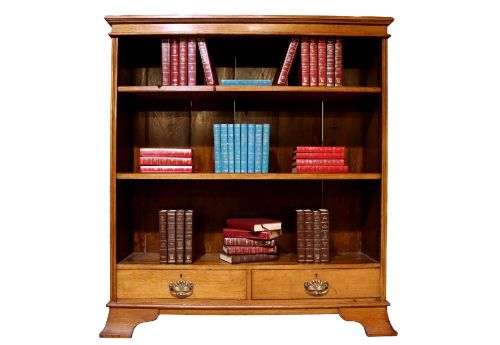
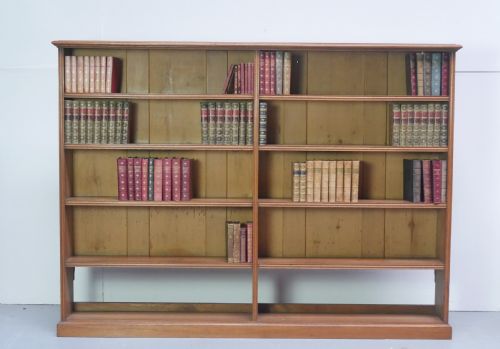


Brown Oak Book Cabinet
A brown oak book cabinet brings rich natural grain and sturdy practicality to any room, housing volumes securely behind glazed or open fronts.
Brown Oak Book Cabinet
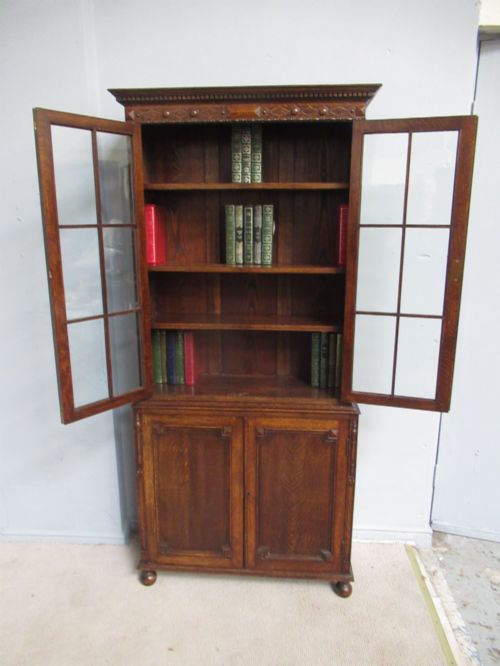
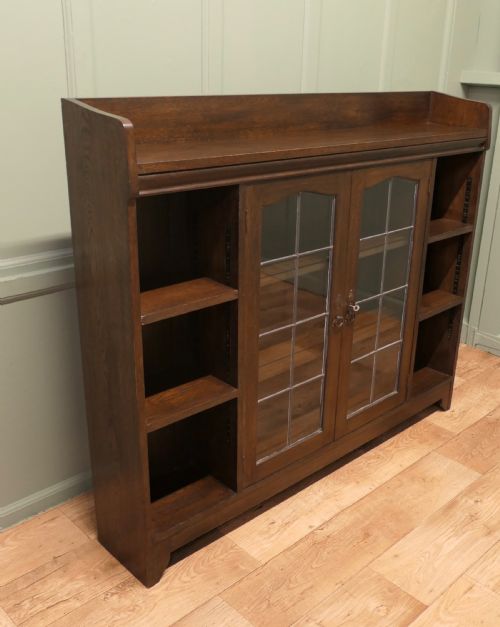
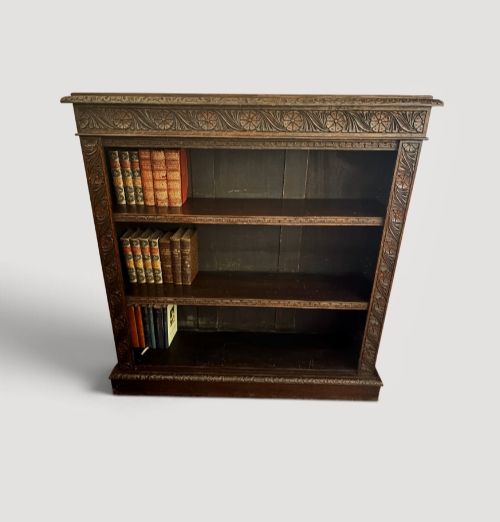
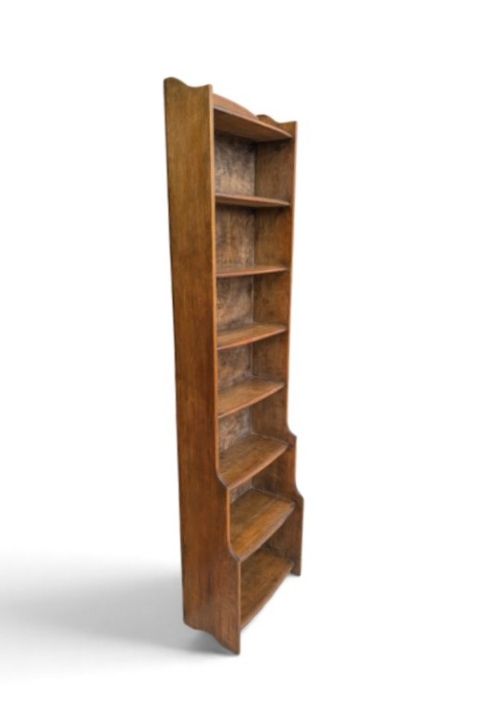
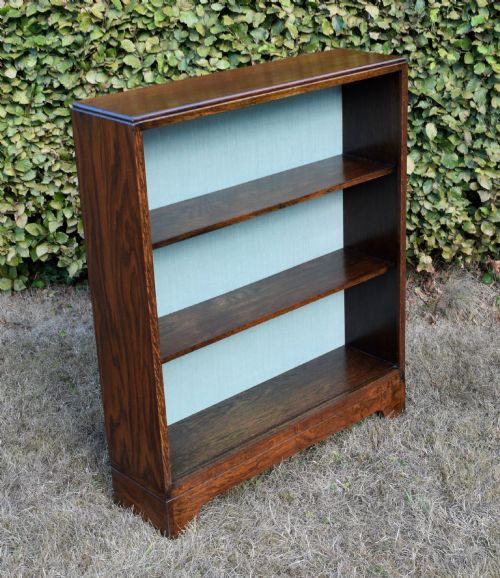
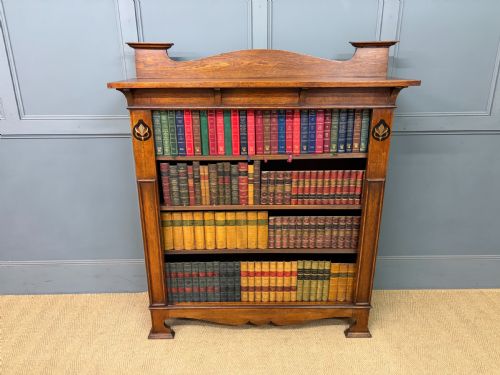
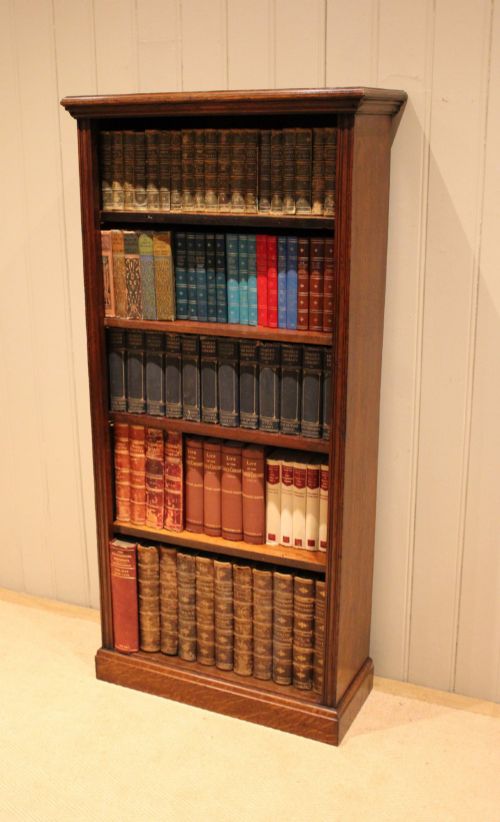
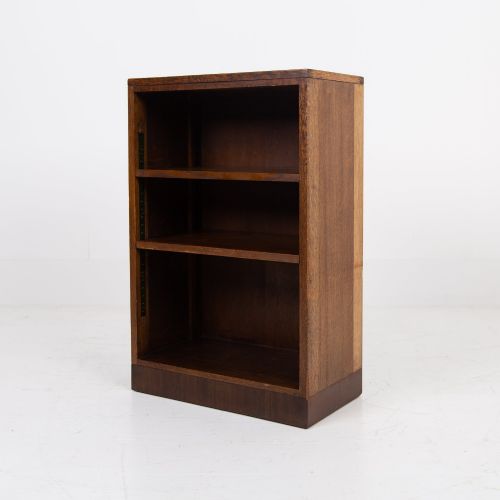
When searching for a brown oak book cabinet, buyers encounter robust storage furniture primarily spanning the Victorian, Edwardian, and Art Deco periods, alongside pieces dating through the nineteenth and early twentieth centuries. These functional items range from simple open front shelving units and adjustable bookcases to glazed display cabinets and substantial breakfront library furniture.
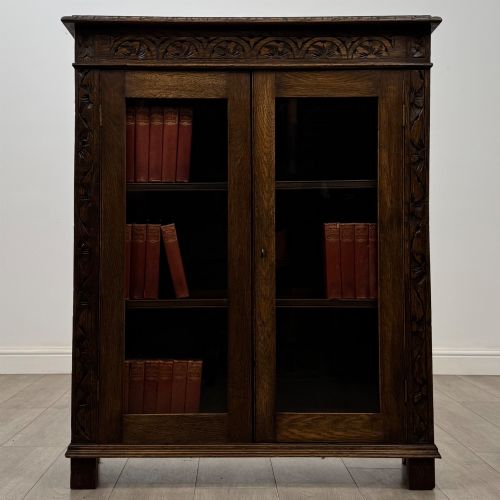
The selection on this page shows pieces built in various revival styles, including Gothic Revival, Jacobean Revival, and Arts and Crafts designs, as well as institutional examples. Many incorporate solid oak construction, sometimes featuring specialised additions such as adjustable shelves, leather tops, or integrated cupboards for comprehensive storage.
Materials and construction methods
Construction relies heavily on solid oak and pollard oak timber, selected for durability and distinctive grain patterns. Workshops utilised traditional joinery alongside iron and brass hardware for hinges, locks, and structural reinforcement.
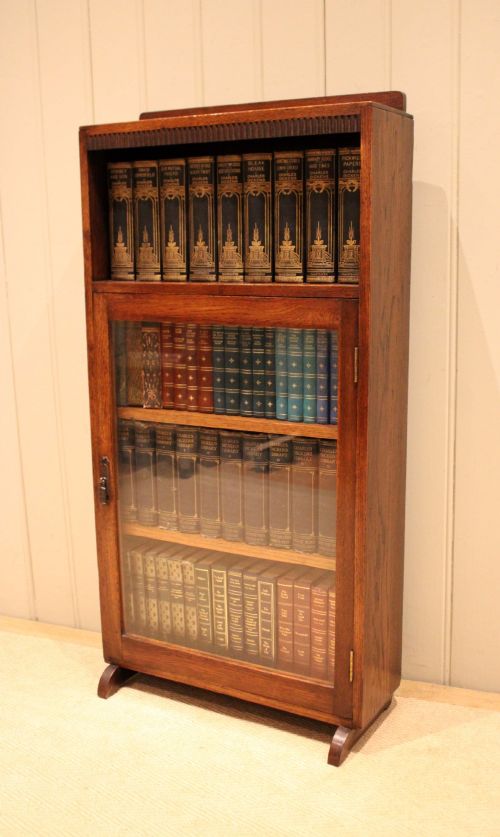
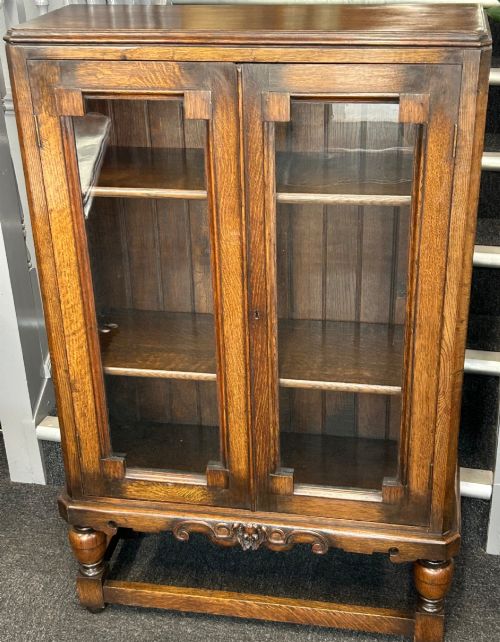
Many cabinets incorporate glazed doors with glass panes to protect volumes from dust while maintaining visibility. Additional decorative elements include carved detailing, marquetry, and beaded edges applied to the timber frame.
A nineteenth-century oak book flower press appears among the storage furniture, ready to flatten botanical specimens between heavy boards.
Judging the quality of a cabinet
Quality in these cabinets rests upon the selection of timber and the precision of the cabinetmaker's joinery. Superior examples demonstrate careful matching of oak grain across the panels and sturdy construction that supports heavy shelving without sagging.
Hardware choice and integration also differentiate pieces, with well-fitted brass hinges, smooth-operating doors, and functional adjustable shelving mechanisms marking out better workshops. The presence of thoughtful carving or specialised details like leather inserts further elevates the standard of construction.
The Brown Oak Book Cabinet Glossary
- Breakfront
- A cabinet design where the central section projects forward from the flanking sections. This configuration adds architectural depth to large library bookcases.
- Pollard oak
- Timber taken from trees that have been pollarded, producing a dense, highly figured grain pattern. It is often utilised for decorative cabinet fronts.
- Gothic Revival
- A nineteenth-century style drawing inspiration from medieval architecture. Pieces typically feature pointed arches, quatrefoils, and heavy carved details.
- Adjustable shelves
- Shelving supported by pegs or racks that allow the vertical spacing to be altered. This feature accommodates books of varying heights.
- Sectional bookcase
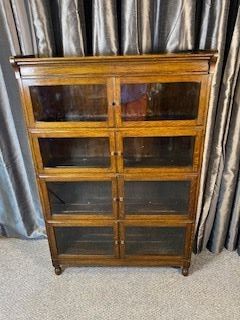
- A modular shelving unit built in stackable tiers with glass-fronted doors. Also known as a stacking bookcase, it allows individual units to be arranged vertically.
Brown Oak Book Cabinet: Frequently Asked Questions
What is a brown oak book cabinet?
A brown oak book cabinet is a wooden storage piece designed to hold volumes, featuring either open shelves or glazed doors. These items utilise durable oak timber to protect and display collections in domestic or institutional settings.
They appear in various styles from the Victorian era through the early twentieth century, offering practical storage alongside distinctive period character.
Are adjustable shelves common?
Many period bookcases include adjustable shelving to accommodate books of different heights. This practical feature was frequently utilised in Victorian and Edwardian libraries to maximise storage flexibility.
Mechanisms vary from traditional wooden ratchets to metal pins and shelf strips, all designed to support heavy rows of volumes securely.
Where were these cabinets used?
These cabinets served primarily in domestic studies, private libraries, and institutional spaces such as school reading rooms. Their sturdy construction was intended to withstand daily handling of heavy reference volumes and literature.
Today, they function effectively in similar residential settings, bringing organised storage and traditional woodworking character to living areas.