


Brown Oak Architectural Salvage
Brown oak architectural salvage brings heavy timberwork, rich panels and structural carvings straight from historic interiors into modern spaces.
Brown Oak Architectural Salvage
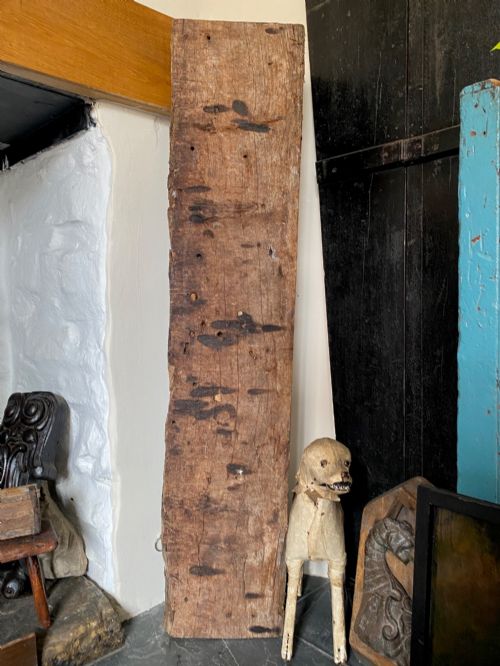
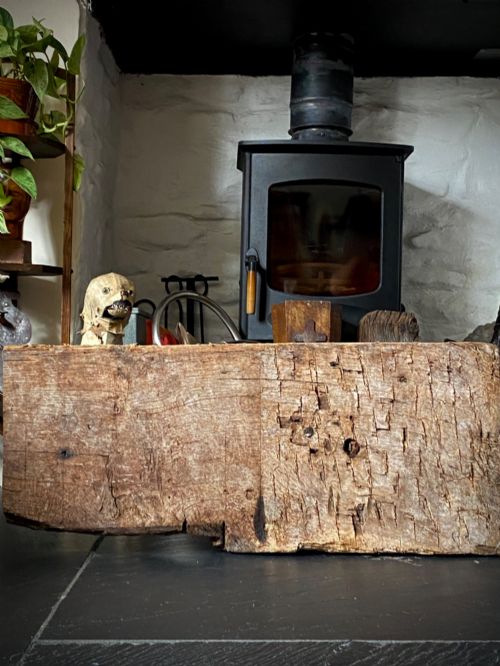
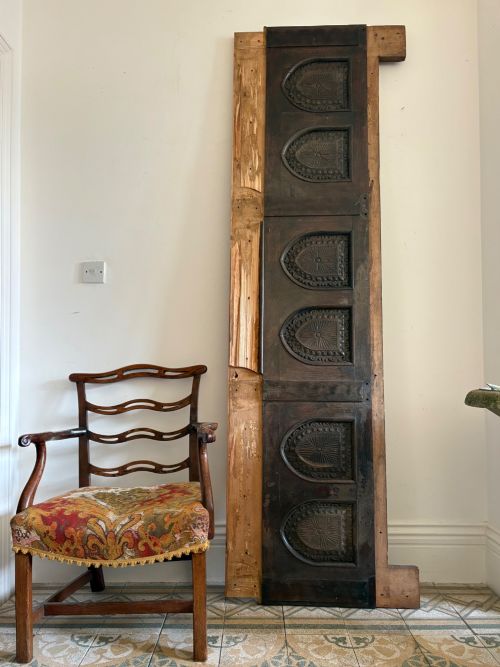
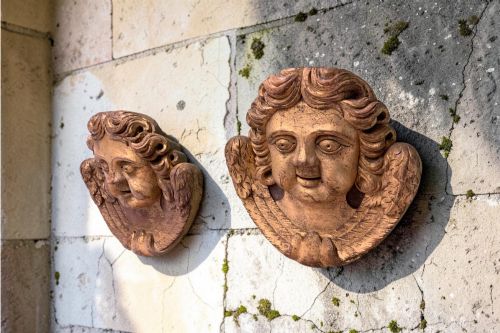
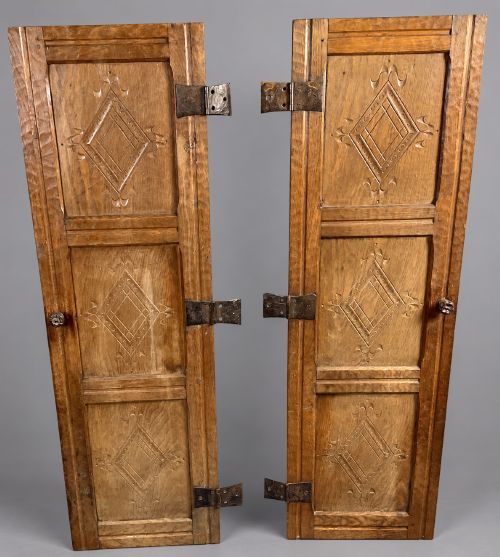
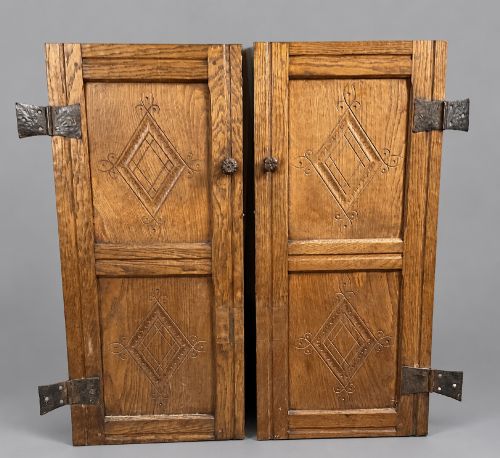
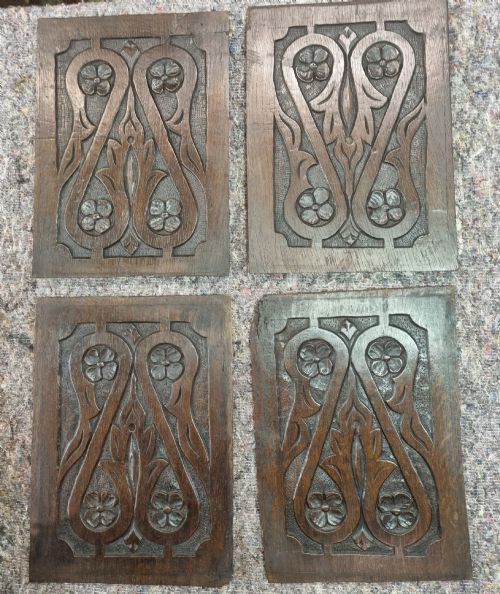
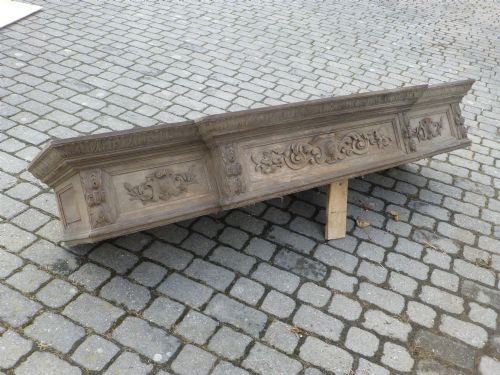
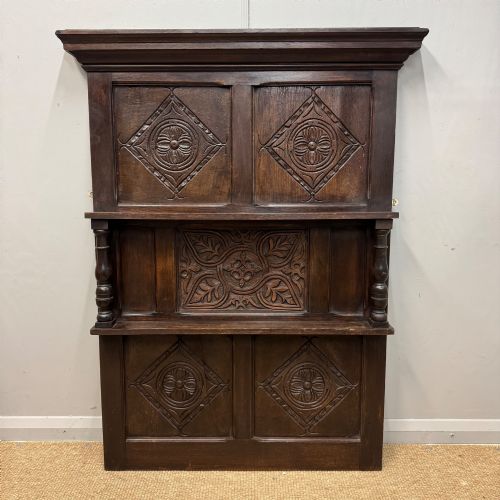
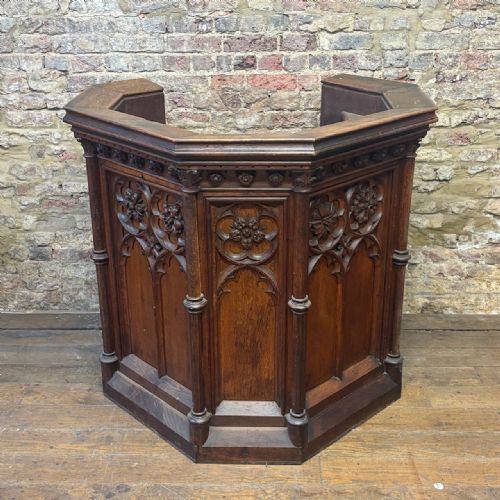
Brown oak architectural salvage encompasses timber elements rescued from historic buildings, spanning centuries of craftsmanship from the sixteenth century onwards. These pieces take various structural and decorative forms, including wall panels, overmantels, doors, corbels, pulpits, and bed canopies.
The material displays distinct natural colour variations, often showing the deep, rich tones characteristic of brown oak alongside pollard oak variants. Pieces frequently incorporate iron, granite, or metal hardware such as working box locks and keys.
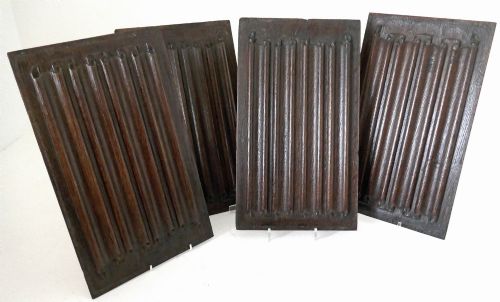
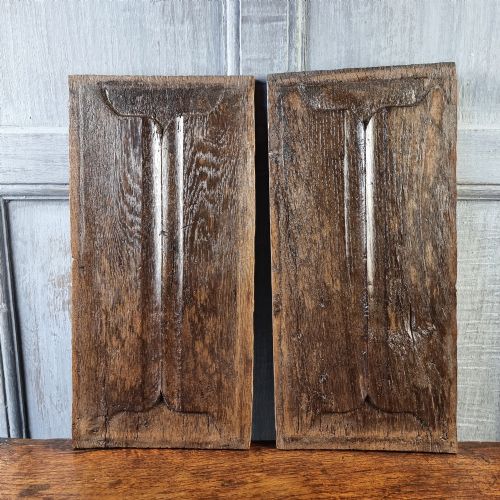
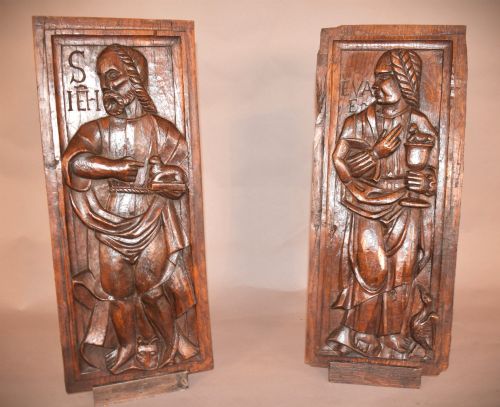
Buyers most commonly encounter sixteenth-century linenfold panels, seventeenth-century carved ceiling bosses and caryatids, and nineteenth-century Gothic Revival fittings. Continental and English origins dominate the selection, ranging from domestic overdoor pediments to French chateau doors.
What varies in quality in brown oak architectural salvage
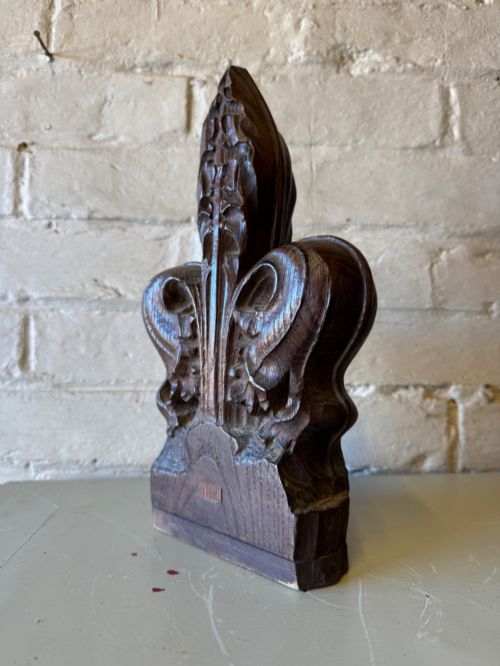
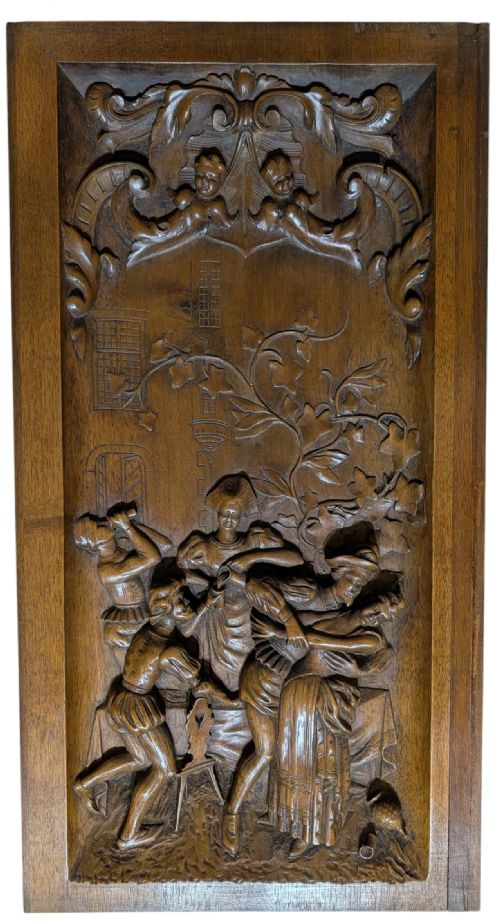
The depth, precision, and sharpness of the hand-carving dictate the visual distinction of each piece, with crisply rendered figures, tracery, and armorial details separating superior architectural salvage from simpler work. The natural figuring and warm depth of the brown oak timber itself also contribute significantly to the visual weight of the item.
Survival of original context, such as matching pairs of corbels, complete lock sets with working keys, or intact structural framing, elevates the integrity of the salvage. Evidence of age, including historic tool marks and stable patination, distinguishes genuine period elements from later reproductions.
Brown Oak Architectural Salvage Retail Price Guide 2026
Typical asking prices for brown oak architectural salvage among the pieces listed under this phrase on Sellingantiques today, from the lower quarter to the upper quarter. They describe what is for sale here now, not the wider market.
Several centuries ago, a woodworker carved a medieval man's face into a oak corbel, leaving a permanent grumpy expression looking down on modern rooms.
Edward Pearce
The Brown Oak Architectural Salvage Glossary
- Linenfold
- A style of wood carving that imitates folded linen, commonly seen on sixteenth-century panels. This treatment creates a textured surface across flat wooden boards.
- Corbel
- A structural bracket projecting from a wall to support a weight above. These elements frequently feature carved figural or botanical designs.
- Caryatid
- A sculpted female figure serving as an architectural support taking the place of a column or pier. They appear frequently on seventeenth-century woodwork.
- Ceiling boss
- A decorative projection where ribs of a ceiling vault intersect. In wood, these take the form of carved floral or leaf motifs.
- Overmantel
- A decorative panel or structure placed directly above a fireplace mantel. They often incorporate elaborate carvings or armorial motifs.
Brown Oak Architectural Salvage: Frequently Asked Questions
How do I install architectural salvage panels?
Wall panels require secure fixing to battens fixed directly to the wall surface. This method allows the timber to breathe while holding heavy oak securely in place.
Professional joinery assistance is recommended for seventeenth-century and sixteenth-century fragments to ensure the antique wood is not split during installation.
Can I use antique fire surrounds daily?
Edwardian and older fire surrounds accommodate standard hearth use provided the clearance distances meet modern safety regulations. Granite tops and stone inserts handle standard operational heat well.
Care should be taken to protect dry antique oak from excessive direct heat or rapid temperature fluctuations to prevent splitting.
How do I clean historic oak salvage?
Dust timber surfaces regularly with a soft, dry cloth to prevent dirt accumulation in carved recesses. Avoid wet cloths, harsh detergents, or modern furniture polishes that damage patinated wood.
Application of traditional beeswax helps nourish dry brown oak without altering the historic surface finish or darkening the timber excessively.
How do I date carved oak panels?
Stylistic indicators such as linenfold motifs point toward sixteenth-century origins, while Baroque scrollwork and deep relief carving typically suggest seventeenth-century execution. Tool marks on the reverse of the timber provide further clues to the period of manufacture.
Comparing joint construction methods helps distinguish primary period pieces from later nineteenth-century Gothic Revival reinterpretations.