




Antique Carved Oak Ornament
An antique carved oak ornament brings centuries of timber craftsmanship and historic detail straight into a modern interior.
Antique Carved Oak Ornament
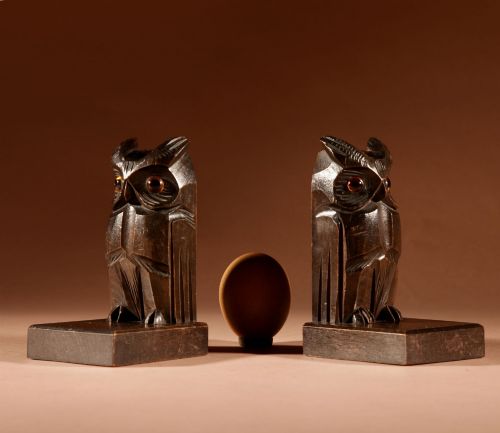
When you search for an antique carved oak ornament, you encounter a diverse range of historic woodwork spanning from pre-sixteenth century fragments to the early twentieth century. These objects function primarily as decorative ornaments, architectural salvage, and functional items like bookends and inkwells.
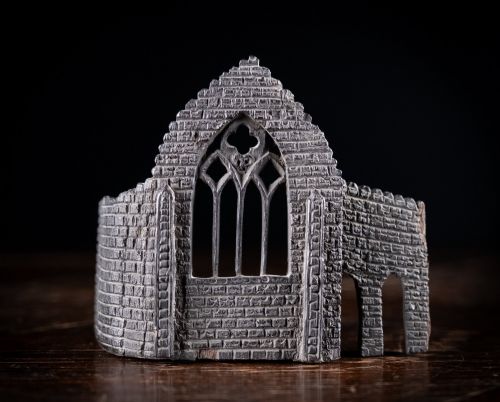
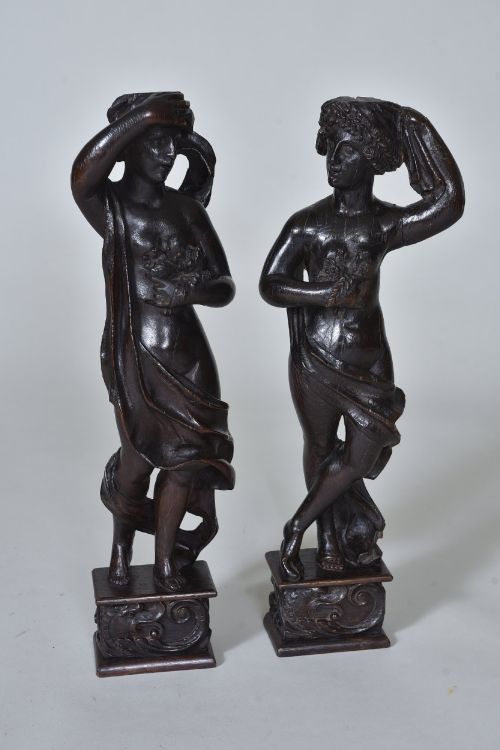
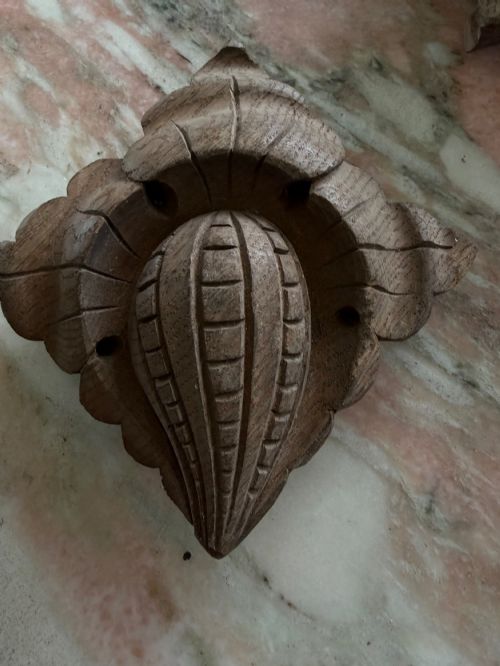
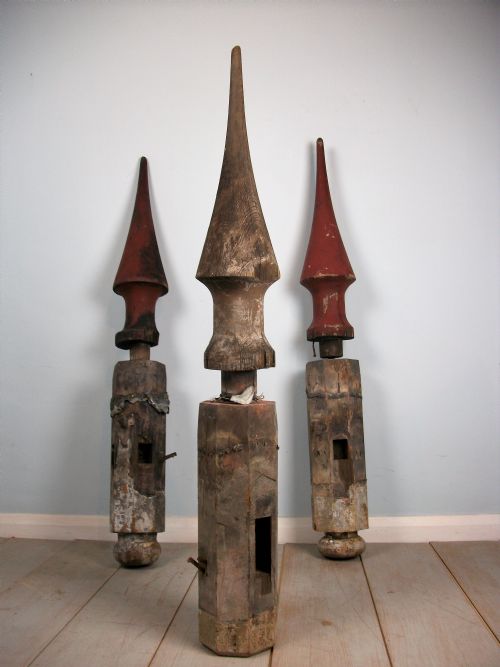
You are most likely to meet architectural elements such as Tudor roses and ceiling panels alongside animal figures and small carvings. The forms range from medieval tracery fragments to French château spire finials and Black Forest designs.
Materials and construction methods
The primary material across these pieces is solid oak, complemented by occasional examples in linden wood, hardwood, and general timber. Craftsmen utilised hand carving techniques to shape dense grain, often incorporating iron or metal components for structural integrity or functional hardware.
Surviving surfaces display the direct marks of historic hand tools, from deep gouges on medieval fragments to detailed figural work on animal statues. The makers worked timber with a deep understanding of its grain, allowing structural elements like ceiling bosses and architectural fragments to endure for centuries.
Antique Carved Oak Ornament Retail Price Guide 2026
Typical asking prices for carved oak ornament among the pieces listed under this phrase on Sellingantiques today, from the lower quarter to the upper quarter. They describe what is for sale here now, not the wider market.
The inventory combines heavy architectural elements from the medieval and Gothic periods with domestic desk accessories from the late nineteenth century.
Variations in quality and execution
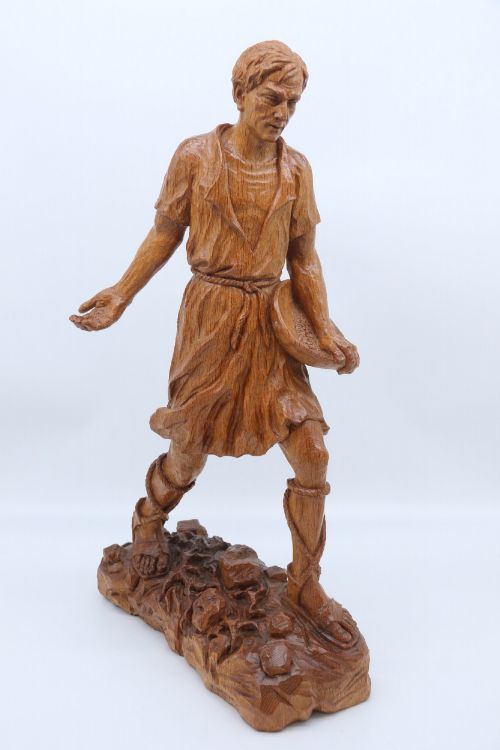
Quality in these carvings rests entirely upon the depth of relief, the crispness of the hand work, and the integrity of the surviving timber. Superior pieces exhibit confident, expressive lines in figural subjects such as lions, dogs, and farm workers, whereas lesser examples show softer, blunter tool work.
The significance of the original context also dictates standing, with authentic architectural salvage and medieval fragments holding greater historical weight than later decorative interpretations. Preserved surface patination and honest age without excessive restoration separate the finest examples from standard production.
The Antique Carved Oak Ornament Glossary
- Architectural salvage
- Building elements rescued from structures slated for demolition or alteration. These items retain historical woodwork details like tracery and finials.
- Ceiling boss
- A decorative projecting block placed at the intersection of ribs in a ceiling or vault. They frequently feature carved floral motifs such as Tudor roses.
- Black Forest
- A style of wood carving originating in the Swiss region during the nineteenth century. It is known for realistic depictions of animals, particularly dogs and owls.
- Tracery
- Openwork ornamentation in stone or wood, typically found in Gothic windows and panels. It creates geometric patterns using intersecting ribs.
- Finial
- A distinct decorative ornament marking the topmost point of a spire, gable, or furniture piece. They often take sculptural forms like French château spires.
Antique Carved Oak Ornament: Frequently Asked Questions
How are architectural fragments best displayed?
Many collectors mount small panels and ceiling bosses directly onto plain walls to highlight the depth of the historic timber carving.
Alternatively, smaller elements can rest on shelves or mantelpieces where the side profiles and surface patination remain visible.
What periods do these carvings cover?
The selection spans from pre-sixteenth century medieval fragments through the eighteenth and nineteenth centuries.
Later pieces include Arts and Crafts items and early twentieth century Black Forest works.
Are these items purely decorative?
While many function as standalone sculptures or wall panels, several pieces served practical roles in their original context.
Examples include functional inkwells, letter stands, and bookends alongside structural architectural elements.
How do I care for historic oak?
Keep wooden carvings away from direct heat sources and rapid humidity fluctuations to prevent the timber from splitting.
A light dusting with a dry cloth is generally sufficient for maintenance.