


Brown Marquetry Tea Table
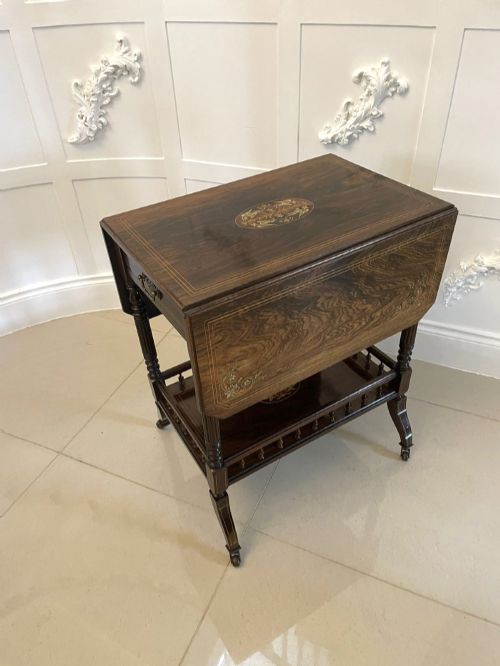
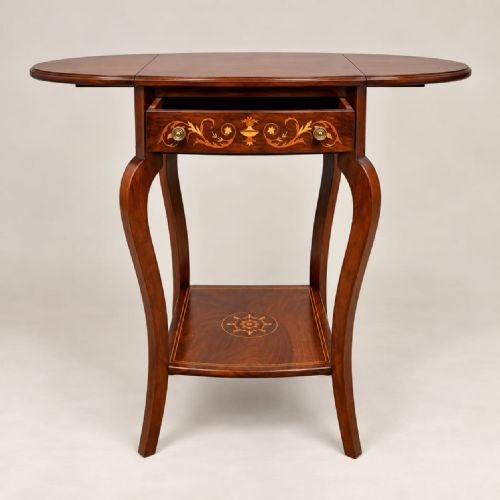
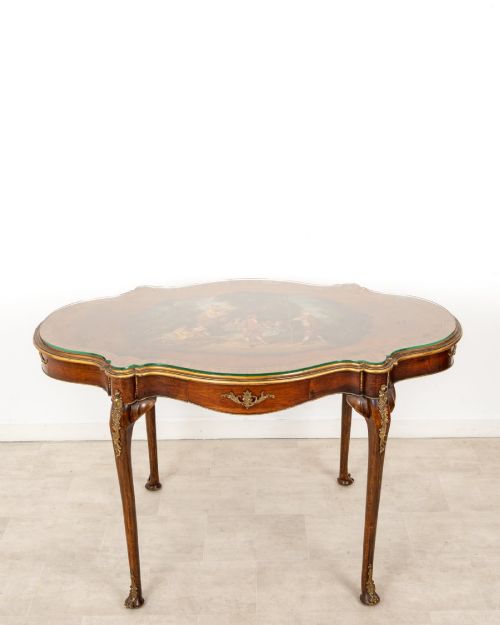
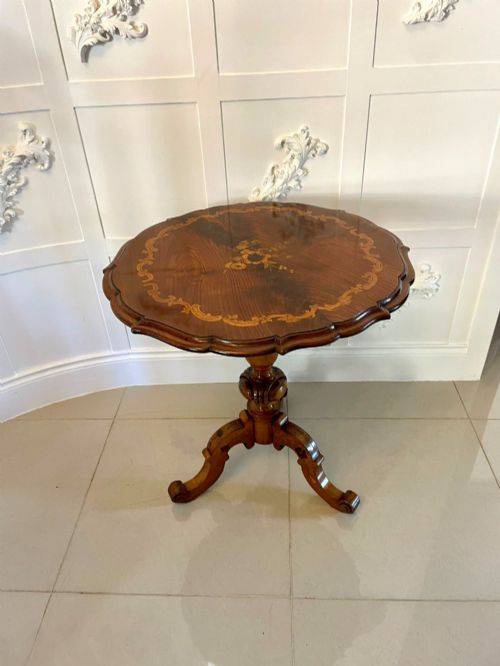
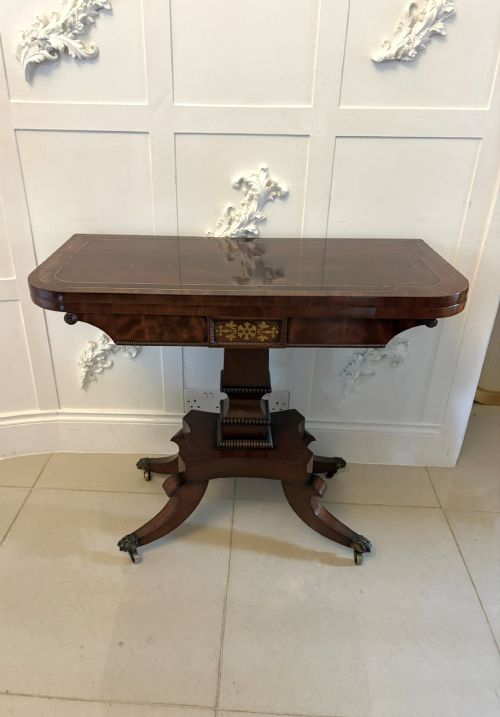
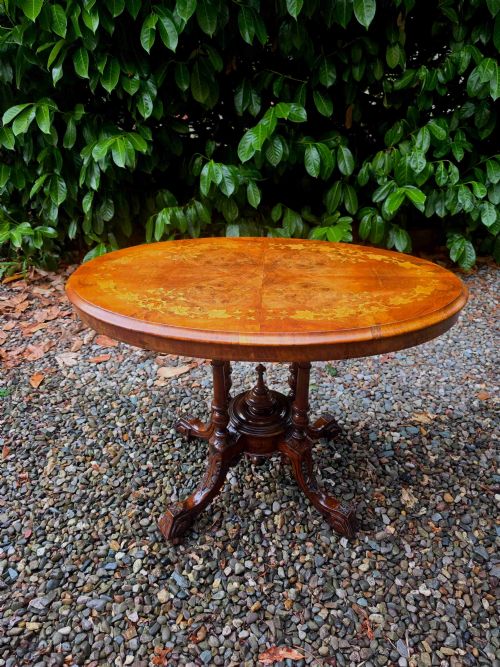
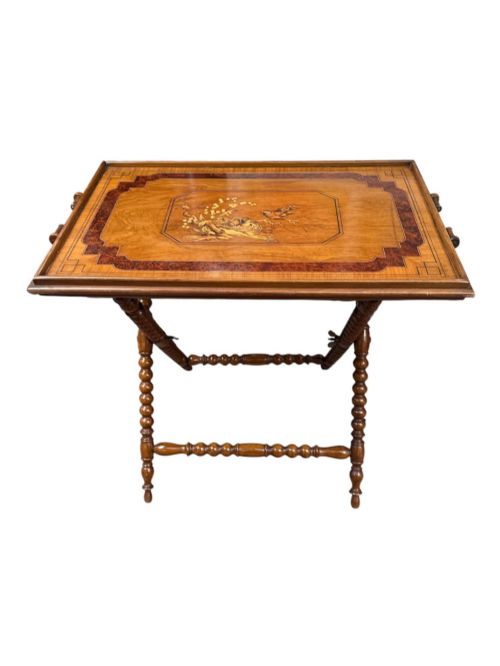
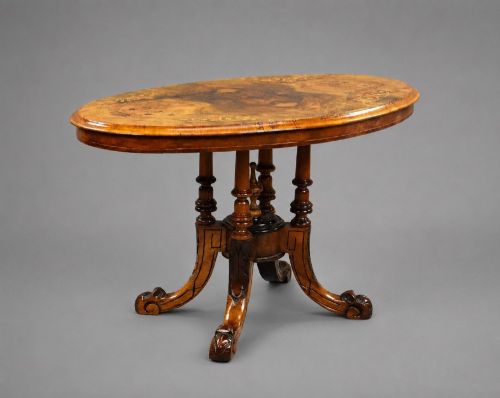
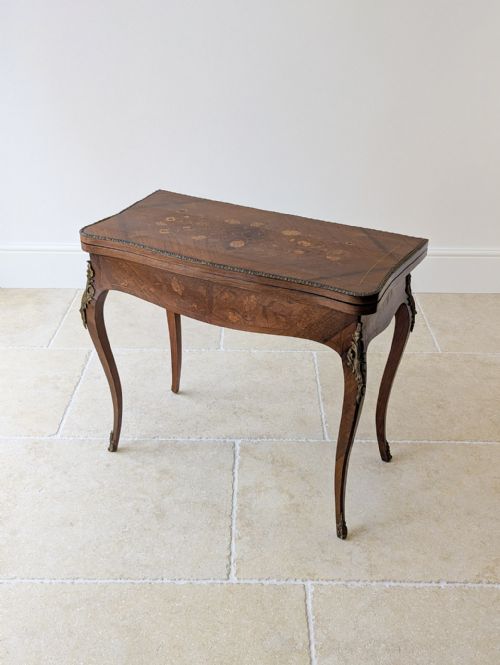
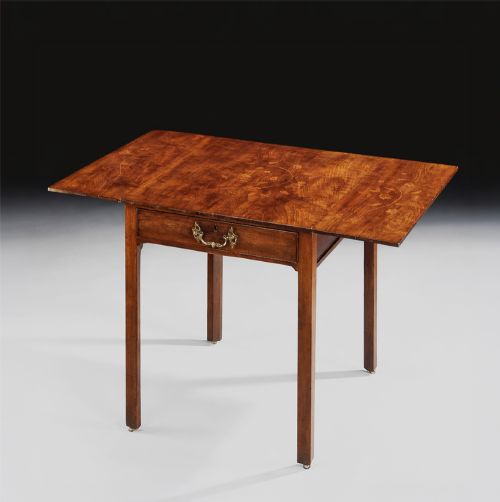
Brown marquetry tea table forms gather rich floral and geometric veneers across walnut, mahogany, and kingwood surfaces for domestic display.
Brown Marquetry Tea Table
A brown marquetry tea table brings intricate floral and geometric wood veneers into living spaces, combining decorative display with functional surface area. These pieces originate primarily from nineteenth-century Victorian and Edwardian workshops, alongside eighteenth-century Georgian and Dutch examples.
Buyers encountering this search phrase meet various forms including occasional tables, card tables, centre tables, and Pembroke tables. Walnut, burr walnut, and mahogany form the structural foundations for intricate marquetry and parquetry patterns.
Materials and construction methods
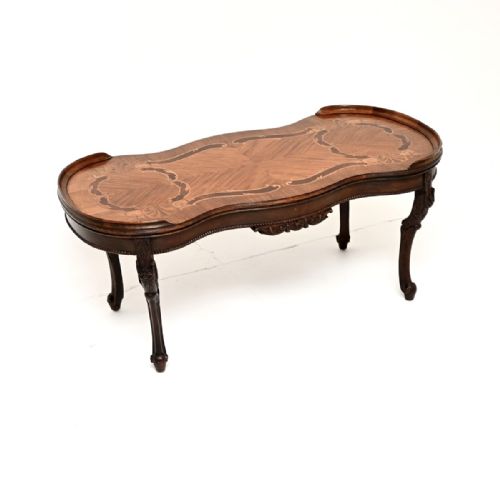
Cabinetmakers constructed these tables using solid timber carcases overlaid with contrasting wood veneers such as satinwood, boxwood, harewood, and kingwood. Detailed marquetry pictures of flowers and birds took shape through the precise cutting and fitting of tinted and natural veneers into the primary surface.
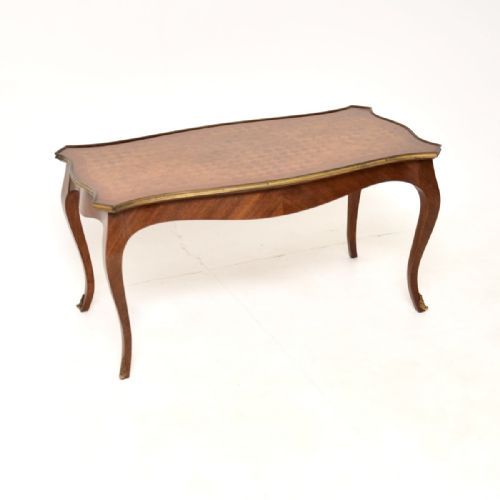
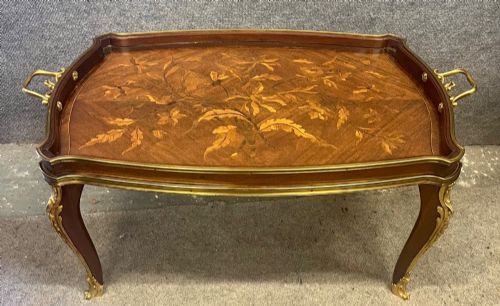
Many examples incorporate cast or chased ormolu and gilt bronze mounts, brass stringing, and pivoting or folding mechanisms for games and card surfaces. French workshops frequently combined these decorative metal mounts with parquetry geometric tiles.
Listings span the eighteenth, nineteenth, and early twentieth centuries, featuring walnut, mahogany, satinwood, and ormolu across card, coffee, and centre table forms.
Distinctions in quality and execution
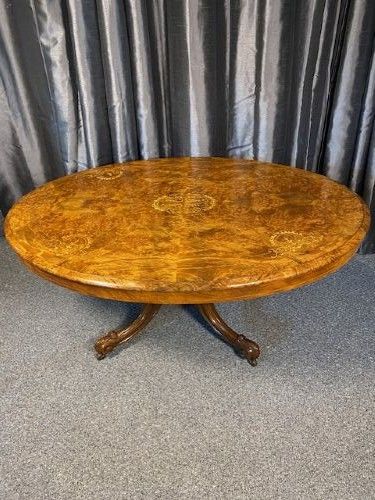
Quality rests upon the crispness of the veneer cutting and the botanical variety within the marquetry panels, where tighter floral shading separates superior workshop output from simpler production. The selection of timber grain, particularly highly figured burr walnut and rich mahogany, dictates the visual depth of the top.
Structural integrity of folding actions, the precise alignment of brass stringing, and the weight of ormolu mounts indicate the original maker's investment of labour. Tables retaining their original surface patination without heavy modern intervention hold greater integrity.
François Linke
The Brown Marquetry Tea Table Glossary
- Marquetry
- Decorative veneer work forming pictorial designs of flowers, birds, or scrolls. Craftsmen assemble these patterns using various coloured woods before gluing them to the table top.
- Parquetry
- Geometric mosaic woodwork arranged in regular patterns like cubes or squares. This technique creates structured floors or table surfaces using contrasting timber tiles.
- Ormolu
- Gilt bronze mounts applied to furniture corners, legs, and aprons for decorative accent. French cabinetmakers utilised this metalwork extensively during the nineteenth century.
- Pembroke table
- A small rectangular table with hinged drop leaves on either side and a drawer beneath. Introduced in the eighteenth century, it offered versatile placement near seating.
- Sutherland table
- A narrow drop-leaf table with exceptionally small flaps supported by swinging gate legs. When folded down, the table occupies minimal floor space.
Brown Marquetry Tea Table: Frequently Asked Questions
How do I use a brown marquetry tea table today?
These tables function well as central display surfaces for lamps, books, or decorative objects in a drawing room or study.
Fold-over card tables and Pembroke designs also adapt easily for use as side desks or occasional display points.
What is the difference between marquetry and parquetry?
Marquetry uses varied wood veneers to create pictorial scenes such as floral bouquets, birds, or scrolls across the table top.
Parquetry arranges geometric shapes like squares and cubes into repeating mathematical patterns rather than pictures.
Which woods appear most often in these tables?
Walnut and mahogany form the primary structural and surface timbers across the majority of nineteenth-century examples.
Cabinetmakers embellished these foundations with lighter decorative veneers including satinwood, boxwood, kingwood, and burr walnut.
How do I identify a French nineteenth century table?
French pieces frequently incorporate chased ormolu mounts, gilt bronze details, and geometric parquetry patterns in the style of Louis XV.
Makers such as François Linke produced ornate centre and card tables reflecting these continental revival tastes.