


Brown Marble Pedestal Table
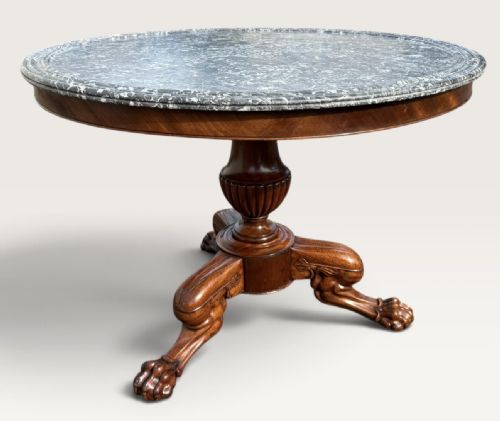
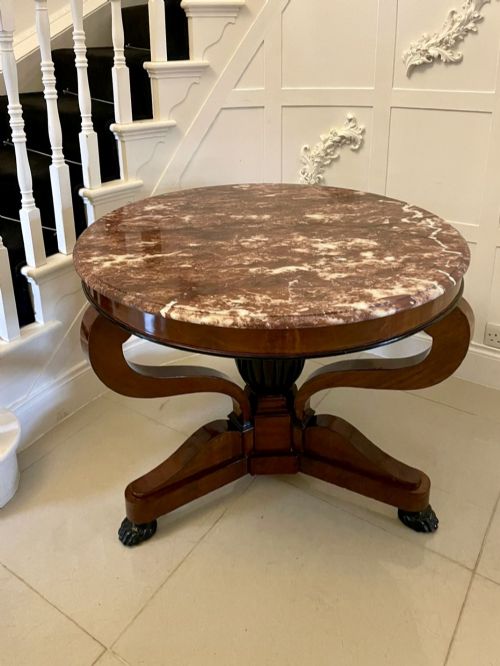
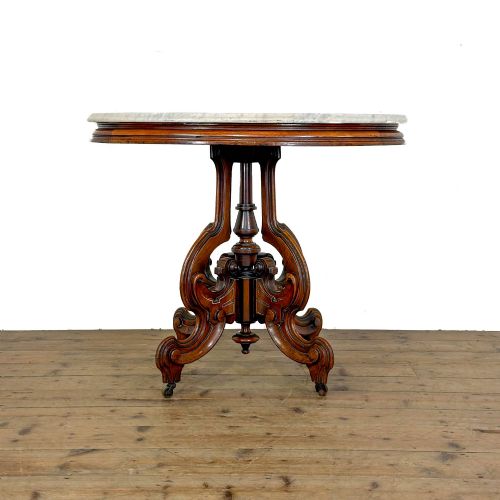
These brown marble pedestal table designs bring solid stone surfaces and timber central columns together for practical domestic use.
Brown Marble Pedestal Table
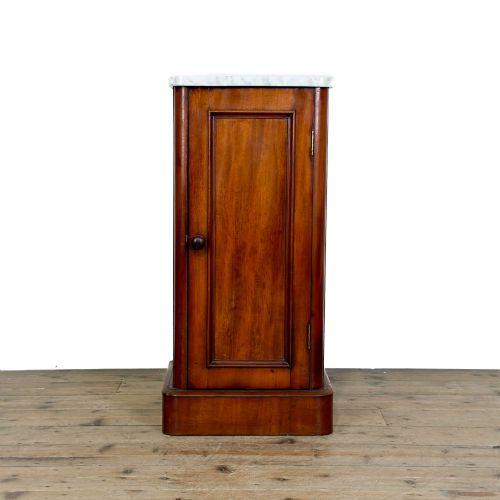
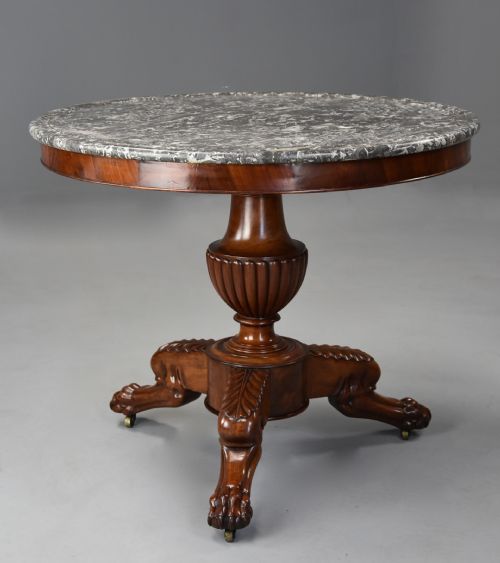
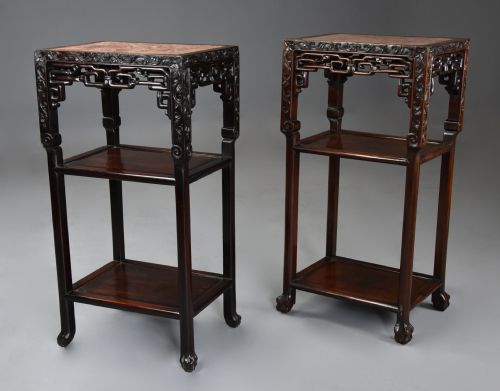
A brown marble pedestal table serves various functions in a room, appearing frequently as a centre table, gueridon, bedside cabinet, or plant stand. You will encounter circular stone tops supported by single central pillars in mahogany, walnut, rosewood, or Chinese hardwood.
The selection spans the nineteenth century, including Regency, Victorian, and William IV periods, alongside French Empire and Louis XVI styles. Pieces often feature veined marble, onyx, or specimen stone surfaces paired with timber bases.
Materials and construction methods
Carpenters utilised dense hardwoods like mahogany, walnut, and flame mahogany for the central columns and tripod or platform bases, often applying burr veneers for decorative grain patterns. Stonemasons cut and polished marble or specimen stones to form smooth, heavy circular tops that rested upon these timber supports.
Joinery combined traditional frame construction with turned pedestals, occasionally incorporating brass mounts, ormolu, or gilt metal details to secure the stone slabs and enrich the timber framework.
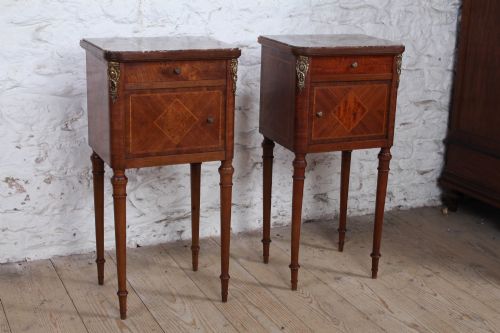
Several tables disguise themselves as quiet bedside cupboards until you lift the lid to reveal a cold stone interior.
Markers of construction quality
Superior examples display finely figured timber veneers, crisp hand-carving on the pedestal base, and tightly fitted stone tops with rich natural veining. Lesser pieces rely on simpler turned timbers and plain surfaces without secondary decorative veneers.
The weight and selection of the marble slab distinguish finer work, particularly where specialised specimen stones or pietra dura techniques are present on the table surface.
Edwards & Roberts
The Brown Marble Pedestal Table Glossary
- Guéridon
- A small circular table supported by a single central pillar, originating in seventeenth-century France. These pieces function as occasional tables or plant stands.
- Specimen marble
- A decorative top composed of various coloured marbles arranged in geometric patterns or pictures. This technique demands precise stonecutting skill.
- Pietra dura
- An inlay technique using cut and fitted polished coloured stones to create images. It appears on luxury tabletop surfaces from the nineteenth century.
- Galleried
- A tabletop finished with a raised rim or pierced metal gallery around the edge. This feature prevents small items from rolling off the surface.
Brown Marble Pedestal Table: Frequently Asked Questions
What rooms suit a pedestal table?
These tables fit well beside seating areas as lamp tables or in hallways as plant stands. Their compact footprints allow them to occupy tight corners without cluttering the floor space.
Larger centre versions place stone surfaces directly into reception rooms for displaying decorative objects.
How do I identify a Victorian piece?
Victorian examples often employ dense mahogany or walnut timbers paired with heavy turned pedestals. Look for cylindrical cabinets or circular tops supported by tripod bases dating from this era.
French variations from the same period frequently incorporate gilt mounts or burr veneers alongside the standard marble top.
Are these tops fixed in place?
Many marble tops rest by weight alone upon the wooden pedestal beneath, allowing the stone to be lifted off for transport. Other designs secure the slab directly to a wooden sub-top with screws or brackets.
Checking beneath the surface reveals whether the stone lifts away from the column.